Tag: user-experience
-

The Science of Fatigue-Free Interfaces
Your brain burns glucose processing every interface element. Learn the neuroscience behind cognitive fatigue, why some apps exhaust users, and how to.
-

The Review Metric Nobody Talks About: Mental Energy
Reviews measure speed, features, and battery life—but ignore the mental energy products demand. This invisible metric may matter more than anything on.
-

Why Fast Hardware Still Feels Slow
Discover why powerful devices often feel sluggish despite impressive specs. Learn how latency, animation timing, and mental model mismatches create.
-
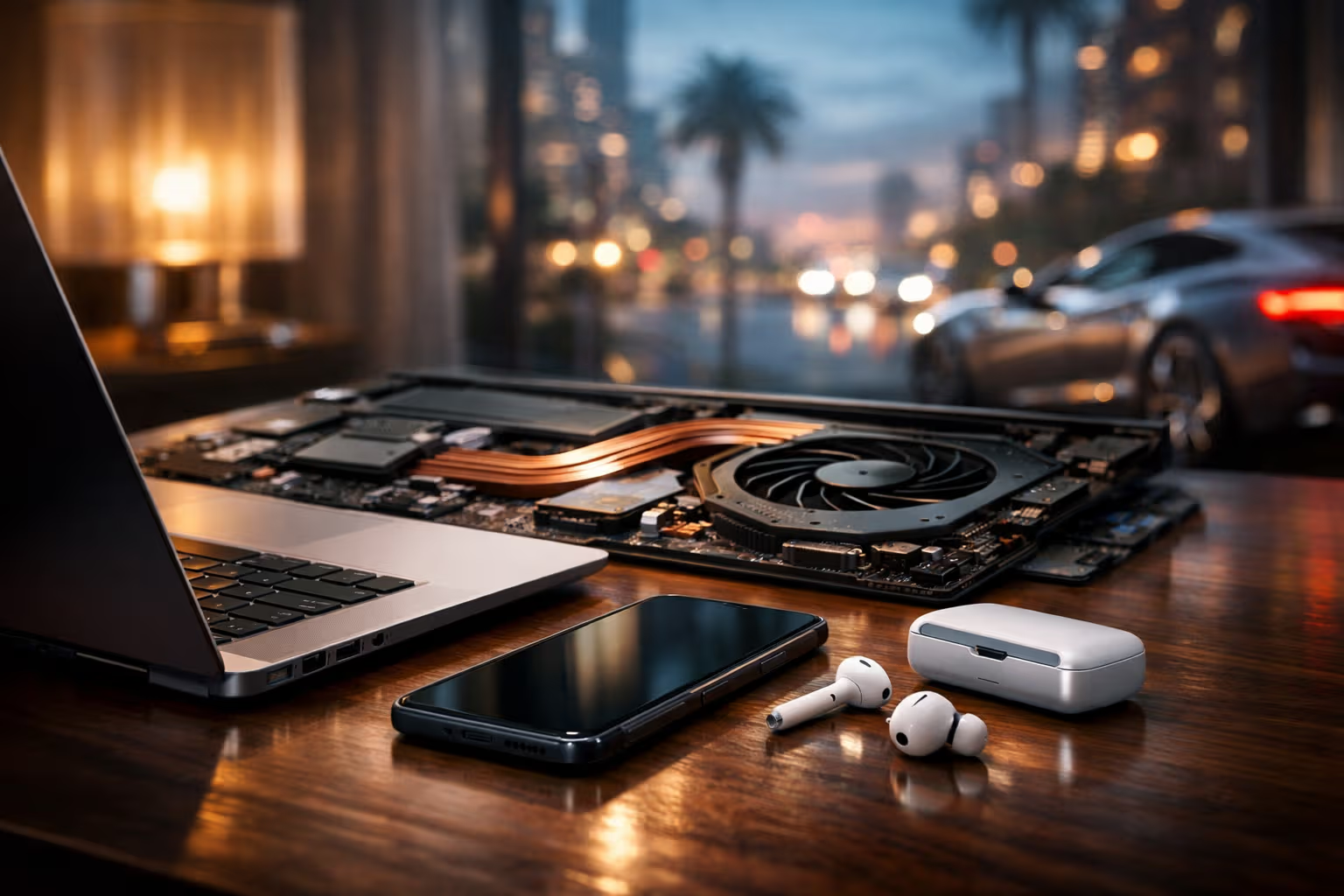
Why Quiet Devices Feel More Expensive
Explore why silent operation makes devices feel premium. Learn how thermal management, acoustic design, and noise reduction create perception of quality.
-

The Difference Between Testing a Product and Living With It
First impressions deceive. Learn why week-one excitement fades, how daily friction compounds, and what separates products that test well from products.
-

The Apple Ecosystem Is Not Lock-In. It's Fatigue Reduction.
Discover why the Apple ecosystem succeeds through cognitive fatigue reduction, not lock-in. Learn how consistency across devices preserves mental energy.
-

How Apple Designs for the Worst Day, Not the Best
While competitors design for perfect conditions, Apple designs for emergencies, failures, and the moments when technology matters most. This worst-day.
-

Why Apple Rarely Ships the Best Specs
Apple consistently loses specification battles while winning customer satisfaction wars. Understanding why reveals a product philosophy that prioritizes.
-

The Quiet Shift From Speed to Flow
The technology industry spent decades optimizing for speed. Now the smartest companies are optimizing for flow—the seamless, uninterrupted experience.
-

Why the Best Products Feel Boring on Day One
Discover why products that underwhelm at first often become indispensable over time. Understanding the psychology of lasting satisfaction can transform.
-

Invisible Technology Will Win the Next Decade
The most powerful technology of the next decade won't demand your attention—it will disappear entirely. Explore how invisible computing is reshaping our.
-

Why the Future of Technology Is Less Visible, Not More
Explore why the most significant technological advances will be invisible. Learn how ambient computing actually works and why the best technology.