I have tens of thousands of photos in my library and I look at almost none of them. They sit in iCloud, perfectly backed up, searchable by face and place, and completely invisible. Every few months the phone offers me a memory slideshow with music I did not choose, I watch half of it, and the photos go back into the dark. That is the strange deal of digital photography. We take more pictures than any generation before us and we see them less.
The only thing that has ever reliably fixed this for me is paper. A printed book lies on the table, a guest picks it up, a child asks who that is. Nobody has ever picked up my Photos library from the coffee table. So when I started looking for a photo book that would do justice to the pictures that actually matter, a wedding, a first year of a child, a trip I will not repeat, I ended up looking hard at the Saal Digital Professional Line. It is the top of Saal’s range, it is aimed squarely at photographers delivering albums to clients, and it is one of the few books in this price class that is printed on real photographic paper rather than on a press.
Disclosure: a Saal Digital voucher worth 2,590 Kč covered the book behind this review, and I paid the 155 Kč shipping. No other money changed hands, and Saal Digital had no approval over the text.
What the Professional Line actually is
Saal Digital is a German photo lab based in Röttenbach near Nuremberg, and most people who know it know it from its photo books and wall art. The Professional Line is the premium tier of its books. Saal describes it as handmade, and the specification backs up the word premium in a way that marketing copy often does not.
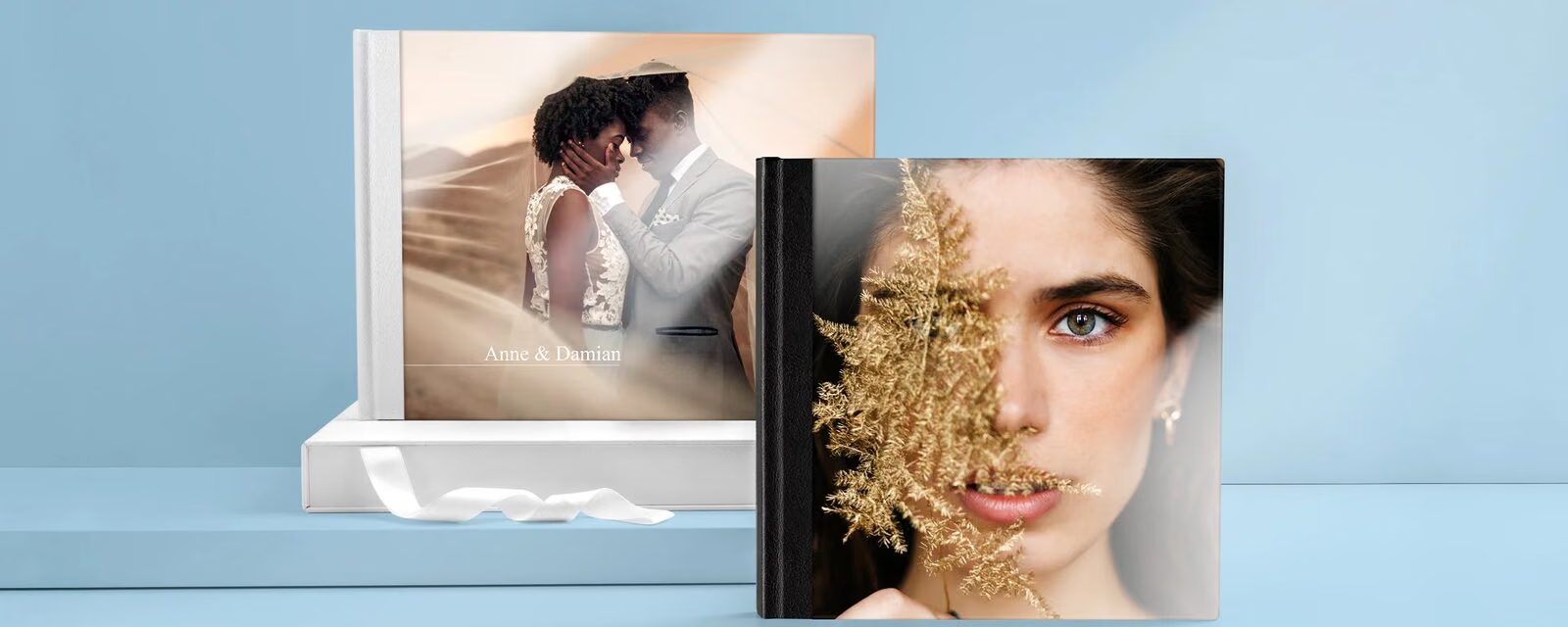
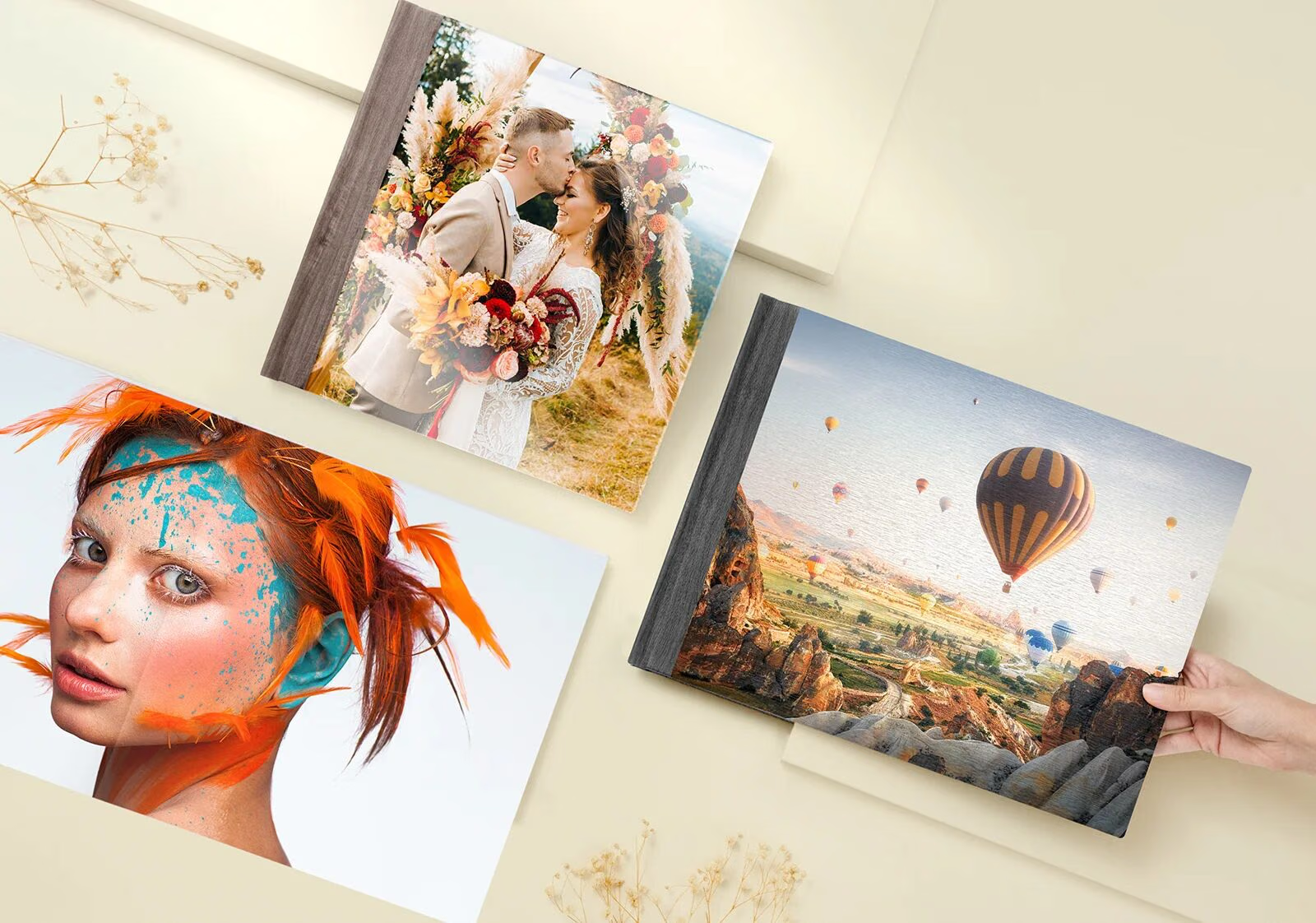
The pages are FUJIFILM Crystal Archive HD album paper, 368 g/m² and FSC certified, in a glossy, matte or silk finish, with layflat binding that opens every spread flat to 180 degrees. The covers set the line apart: a 4 mm acrylic glass front, a 3 mm brushed metal print, or textured leatherette, linen, cork, wood-look and recycled ocean plastic.
There are five formats, 21 x 21, 30 x 30, 30 x 21, 22 x 30 and 40 x 30 cm. And there is one detail that photographers care about more than anything else on that list: there is no Saal logo anywhere on the finished book. No barcode on the back, no brand on the last page, nothing that tells your client where you had it printed.
Related reading
Why photo paper matters more than the cover
Most photo books are printed on digital presses with toner or liquid ink. The results can be very good, but up close you see a dot pattern, and deep shadows and smooth gradients are where presses struggle first.
The Professional Line uses a different process. Crystal Archive is a silver halide photo paper, the same family of material used for traditional lab prints. The image is exposed onto the paper and developed, so there is no screen pattern, tones blend continuously, and blacks have a depth that is hard to get from ink on paper. Fujifilm and Saal both lean on longevity as well. Saal’s own figure for its layflat books is a lifespan of fifty years or more with proper storage, which is the kind of number nobody can verify today but which is consistent with how archival photo papers have behaved in the past.
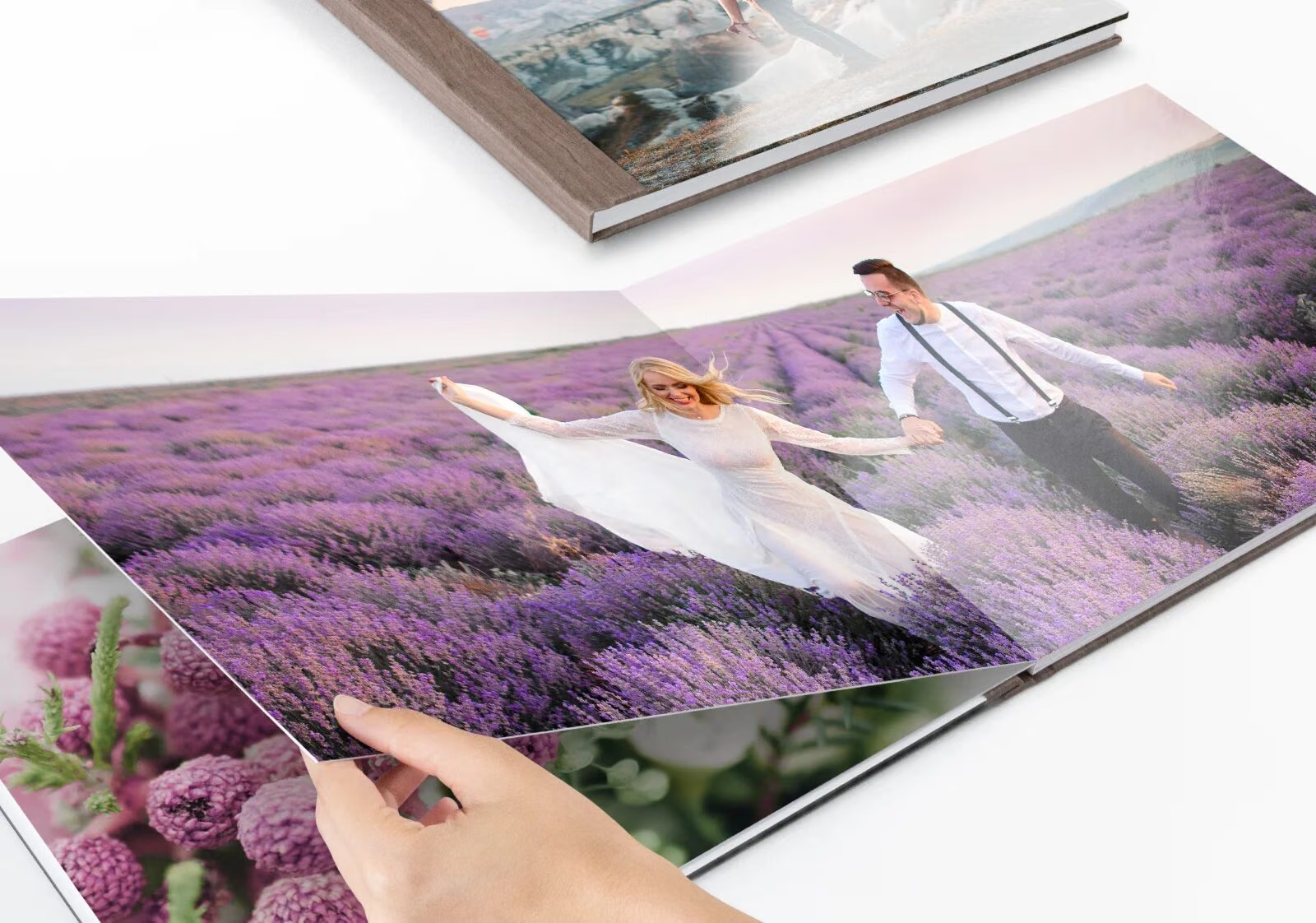
This is also why the layflat binding works the way it does. Each spread is a single photographic print, and the spreads are glued back to back. That is why there is no seam in the middle of a panorama, why the pages feel stiff, closer to thin card than to paper, and why a sixty page layflat book is noticeably thicker and heavier than a pressed one.
Layflat changes how you design the book
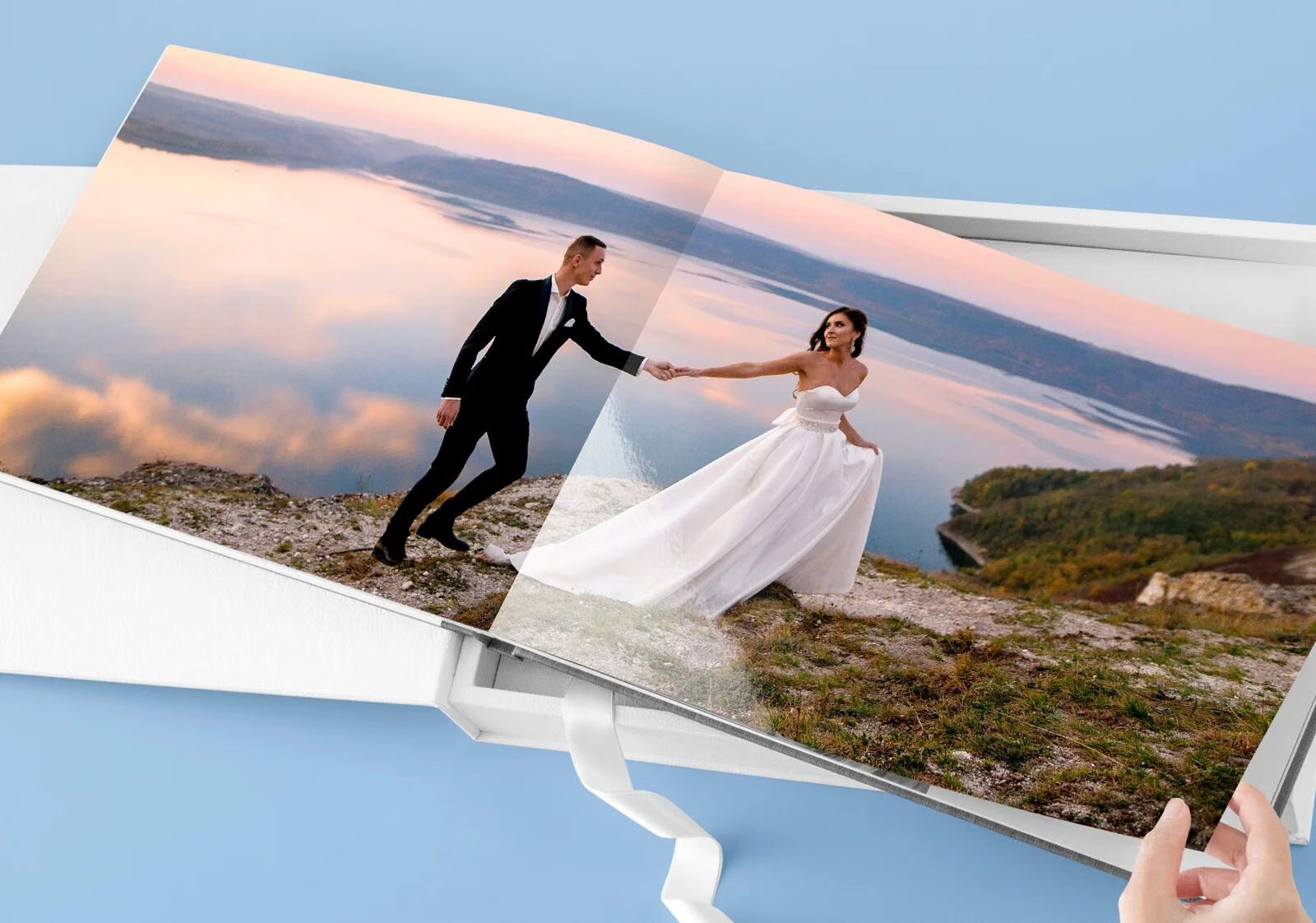
The layflat binding sounds like a technical footnote and turns out to be the thing that changes the design process most. In a conventionally bound book you learn to keep faces, text and anything important away from the middle, because the gutter eats a centimetre or two of every spread. You end up designing two separate pages that happen to face each other.
With a layflat book that rule disappears. A wide landscape, a group photo at a wedding, or a single strong image stretched across both pages simply runs through the middle without a seam. On the 30 x 30 format that gives you a canvas 60 cm wide. Saal also lets you design the inside of the first left page and the last right page, which in many books are blank endpapers, so the first thing you see when you open the cover can already be a photo.
Saal includes layflat binding as standard in all its photo books, so it is not the reason to pay the premium, but it is where the photo paper and the large formats pay off.
Acrylic, metal or something soft
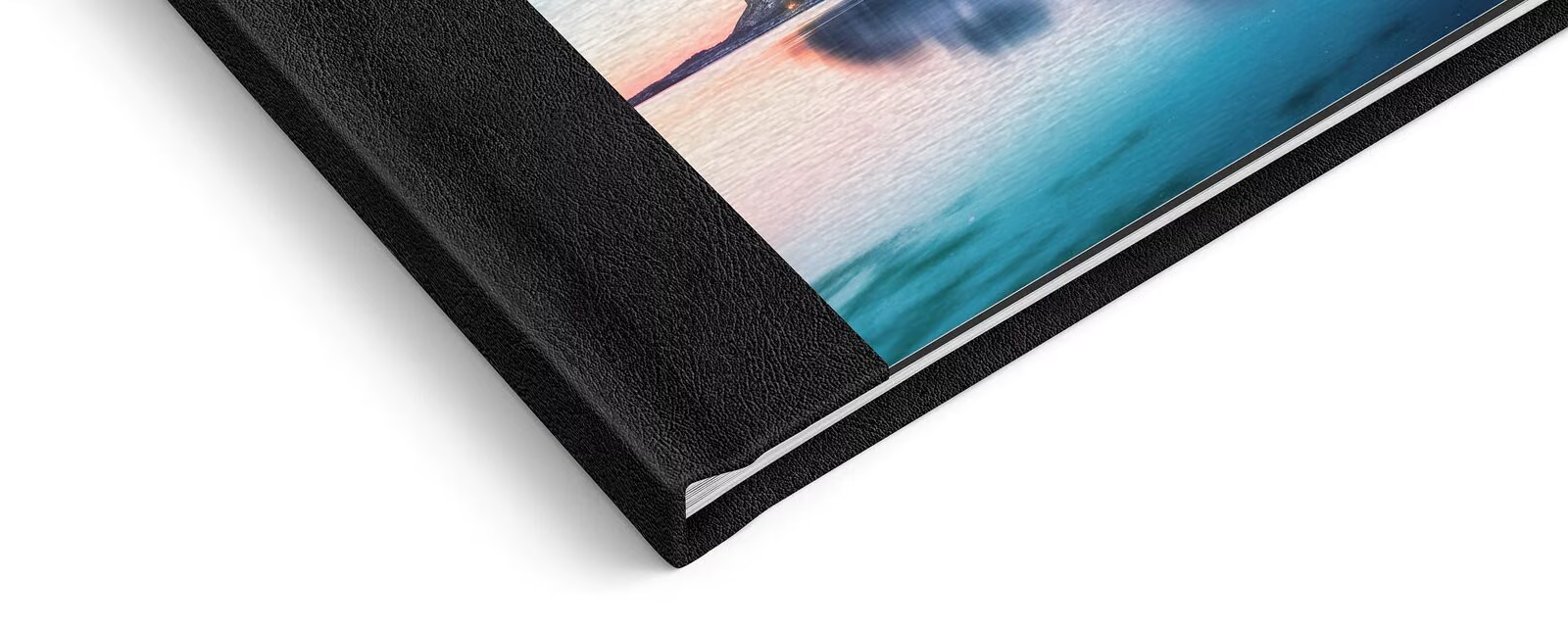
The cover is the part everyone talks about, and for good reason. The 4 mm acrylic front is the same idea as Saal’s acrylic wall prints: the photo is mounted behind a thick clear block, which adds depth and makes colours look brighter and more saturated than on the paper itself. With a dark leatherette spine it looks less like a photo book and more like an object, which is exactly what you want from a wedding album or a gift for grandparents.
Acrylic is heavy, it shows fingerprints and dust like any glossy surface, and it can scratch if the book is slid across a table or stacked with others. A coffee table book with an acrylic front deserves a microfibre cloth and probably a gift box.
The 3 mm brushed metal front brings out the lighter parts of the image with a metallic sheen. It suits architecture, cars and high-key black and white, not soft skin tones, so treat it as a creative choice for a specific set of photos rather than a default.
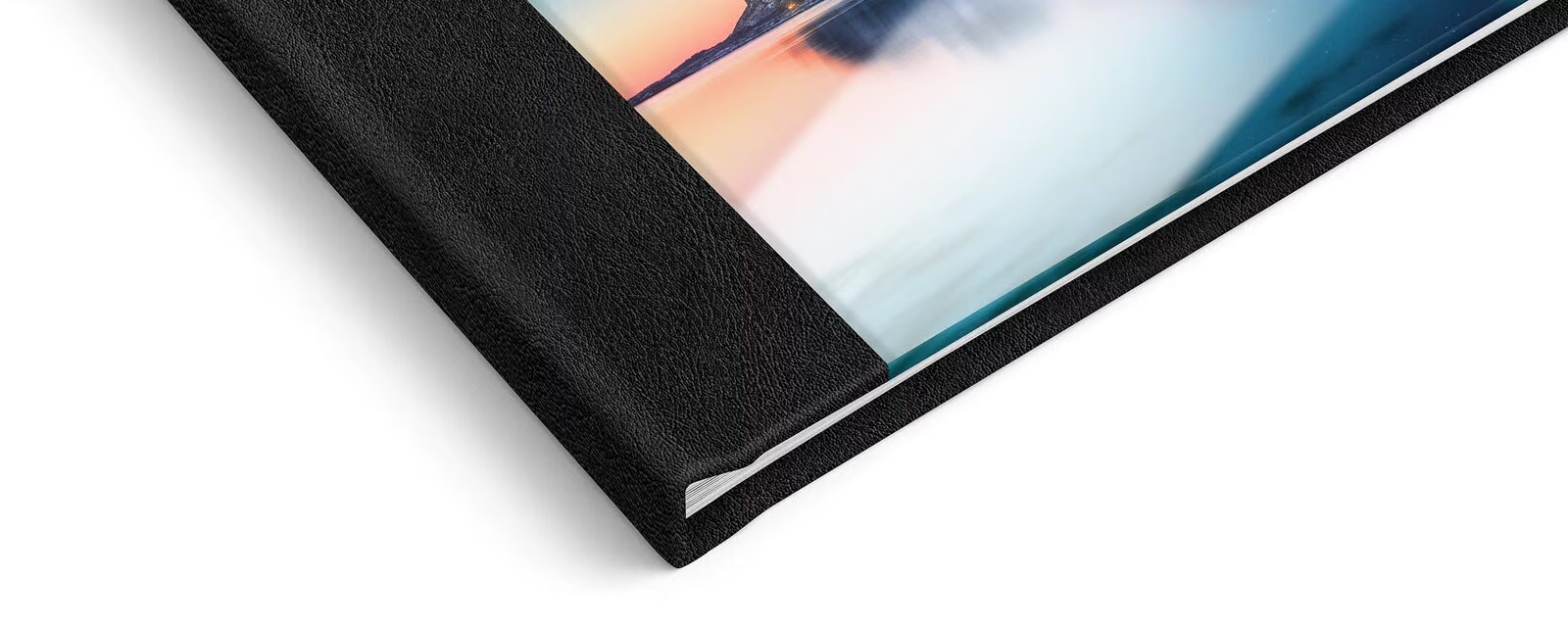
The textured covers are quieter and more practical. Leatherette comes in six colours with no animal components, and linen, cork and recycled ocean plastic all take text and simple graphics, so a name and a date on linen makes a classic wedding album with no photo outside at all.
Glossy, matte or silk
All three paper finishes use the same 368 g/m² Crystal Archive base, and the choice between them matters more than the cover in the long run, because you will look at the pages far more often than at the front.
Glossy gives the highest contrast, the deepest blacks and the most saturated colour, and looks most like your screen. It also picks up fingerprints and reflects the ceiling lamp.
Matte has a fine, even texture with almost no reflections and no fingerprints. Colours are a little calmer and blacks a little softer, and in return the book is much more pleasant to pass around. A photographer on the TalkPhotography forum who reviewed a 30 x 21 Professional Line book with 60 pages chose matte for exactly that reason and described the finish as superb.
Related reading
Silk sits between the two and has a fine honeycomb structure that Saal recommends for portraits. It flatters skin, it is quite scratch resistant, and the texture is visible when light hits the page at an angle. If most of the book is people, I would start with silk. If it is landscapes and travel, glossy. If it will be handled by children and relatives, matte.

XT pages for shorter stories
Alongside the standard pages there is an XT Professional Line with extra thick pages. Here each photo paper page is laminated onto 600 g/m² cardboard, which gives a page thickness of about 1.08 mm. Turning them feels closer to a traditional wedding album with board pages than to a book.
The catch is the page count. Saal’s FAQ gives 10 to 58 pages for XT books against 26 to 160 for standard ones. XT is meant for a tight edit, a newborn session or twenty curated wedding spreads. For a whole year, standard pages are the right choice.
Designing it: the software and colour management
Saal gives you a desktop application for macOS and Windows, an online designer and mobile apps. For a Professional Line book with a hundred carefully chosen photos I would use the desktop app without hesitation, because it handles large original files better and works offline.
Customer reviews on Saal’s own site keep returning to the same point about the software: it is powerful and takes a while to learn. One Czech reviewer wrote that it offers so many advanced options that it may be too much for a layperson. If you are used to Lightroom, it will feel normal. If your only reference is the book feature in Apple Photos, plan an evening for the first book.
The part that impresses me most is not in the editor at all. Saal publishes ICC profiles for its products, including the individual Crystal Archive album papers, and has step-by-step guides for soft proofing in Lightroom and Photoshop. You can preview on a calibrated monitor how a photo will look on the chosen paper and fix blocked shadows before you export. This is what professional labs offer and consumer photo book services usually do not, and it is the difference between a book that looks a little dark and one that looks right. Without a calibrated display, at least turn the screen brightness down before judging your edits. That applies to every printer in the world, not only Saal.
The premium gift box and the no-logo rule
The Professional Line can be ordered with a handmade premium gift box. There are versions in black or white leatherette, with oak sides, in natural linen, and with an acrylic window that can carry its own photo. Each has a satin ribbon for lifting the book out and, again, no printed logos or barcodes on the outside.
For a private book this is a nice extra. For a photographer delivering an album to a couple it is part of the product, and the missing lab brand matters for the same reason: the client should see the photographer’s work, not a supplier’s name.
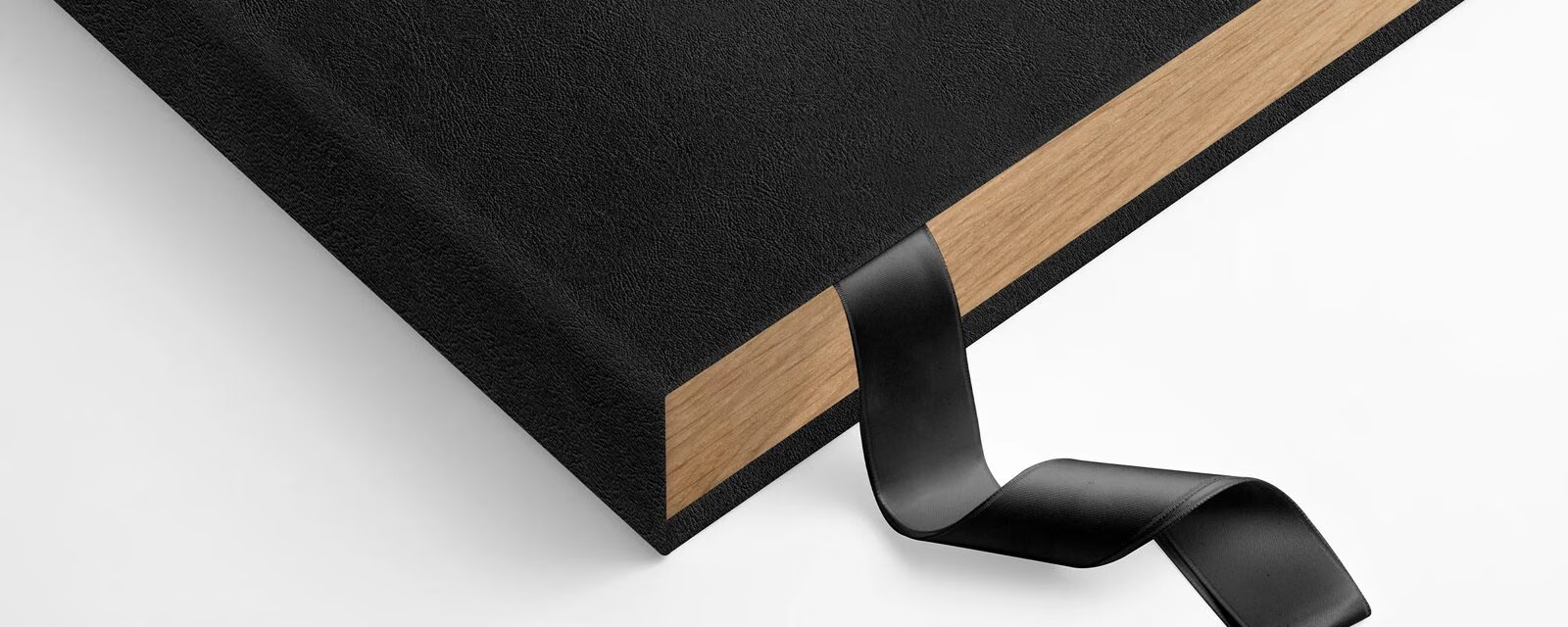
Professional photographers can also order a Professional Line book as a sample at 50 % off, which is the cheapest way to decide between acrylic and linen, or glossy and matte, with your own photos in your hands.
Price, discounts and delivery
The Professional Line is not cheap, and it is not meant to be. On the Czech site in late October 2026, with a promotion running until 2 November, the starting prices were 1,350 Kč for the 21 x 21 format, 1,940 Kč for 30 x 30, from 2,180 Kč for 30 x 21 and 22 x 30, and 2,730 Kč for the large 40 x 30. These are entry prices for the base page count. Every extra page, an acrylic or metal cover, XT pages and the gift box add to that, and a 30 x 30 book with eighty pages and an acrylic front will end up at several times the starting price.
What softens it is that Saal almost always runs a promotion. At the time of writing it was 20 % off from 26 pages, 25 % from 70 and 30 % from 100 on selected Professional Line books. Design the book, save it, and order when a promotion fits. A Czech customer put it honestly on Saal’s site: without a coupon it is quite a big investment, and the quality corresponds to it.
The books are made in Germany and shipped via DHL. Customer reports range from a few days to about a week, and Saal shows an estimated delivery date before you pay. For Christmas I would still order two weeks ahead.
How it compares
Within Saal’s own range the comparison is with the standard hardcover, which also uses photo paper and layflat binding and costs considerably less. You give up the acrylic or metal cover, the premium materials and the gift box. For a family holiday book that is the sensible choice. The Professional Line earns its price when the book is a gift, a client delivery or an archive of something that happens once.
Related reading
Outside Saal, the main Czech alternatives are CEWE, which also offers layflat books on photo paper, and smaller local labs that bind albums by hand. Blurb is popular with photographers for portfolios, but it prints on a press and competes on price rather than paper. Real photo paper, layflat as standard, ICC profiles and no logo at a consumer price is a combination that is hard to match one for one.
Who should buy it
It is for wedding and portrait photographers delivering albums under their own name, for anyone printing a wedding, a child’s first year or an anniversary that should last decades, and for photographers who want a portfolio that feels like the work behind it. It is not for the yearly holiday book with three hundred phone snapshots, where the standard hardcover does the job for much less, and not for someone who wants a book done in twenty minutes with automatic layouts.
What this review is based on
This review is built on Saal Digital’s product pages for the Professional Line, XT pages and layflat binding, on Saal’s published ICC profiles and soft proofing guides, on prices and promotions shown on saal-digital.cz on 22 October 2026, and on published customer and photographer reviews, including the TalkPhotography forum review and customer reviews on Saal’s own site. All specifications, page counts and material compositions are Saal’s figures.
My own copy is a 22 x 30 Professional Line book with 30 matte pages and an acrylic front on white leatherette, ordered in April 2026 and shipped the day after the order. It is the configuration this review has in mind when it talks about matte pages and the acrylic cover.
Verdict
The Saal Digital Professional Line is what a photo book should be when the photos matter. Real silver halide paper, layflat spreads with no seam, a choice of three proper finishes, ICC profiles for soft proofing and covers that make the book feel like an object rather than a print job. The absence of any logo turns it into something a professional can deliver under their own name.
The price is high on paper and much more reasonable with one of Saal’s frequent promotions, the acrylic cover needs a little care, the software asks for some patience, and the thick pages make a large book heavy. None of that changes the main conclusion. If you have photos that deserve to outlive your phone and your cloud subscription, this is one of the best ways I know to get them out of the library and onto the table.
Product images: Saal Digital.
One email a month: new articles, reviews and the upcoming live webinar + free recording. No spam, unsubscribe anytime.