Metroid Prime Remastered interests me because the helmet is part of how the adventure is understood. Samus is not only pointing a weapon at a room. Her visors can turn the same room into information: something to scan, an unfamiliar mechanism to understand, or a route that was not useful before. I like a first-person game that makes observation one of the main actions.
Quick verdict
I would choose Prime Remastered for a first-person adventure built around learning a place, not only clearing its enemies.
Best for: Solo players who enjoy connected spaces, environmental clues and revisiting routes with a new ability.
Main benefit: Visors and Morph Ball form give familiar rooms different information and new routes.
Biggest drawback: Revisiting areas and remembering a route can frustrate someone expecting a direct modern shooter.
Metroid Prime Remastered — US Nintendo Switch physical edition
Amazon US · US
Check price and availability: Metroid Prime Remastered — US Nintendo Switch physical edition at Amazon USAffiliate link. As an Amazon Associate I earn from qualifying purchases.
Reviewed version: Metroid Prime Remastered — US Nintendo Switch physical edition
Compatibility: Original Nintendo Switch physical game. Check the exact platform edition before purchase; separate Switch 2 editions, upgrade packs and expansion passes are different offers.
Review context: I assess the original Switch remaster, its documented exploration tools and control options, and the US physical edition’s separate launch date.
This is the Nintendo Switch remaster of the original Metroid Prime. The selected Amazon offer is the US physical edition, which launched on 22 February 2023. The digital version arrived earlier, on 8 February. Nintendo’s regional launch record makes that distinction explicit; the older GameCube release is a different edition again.
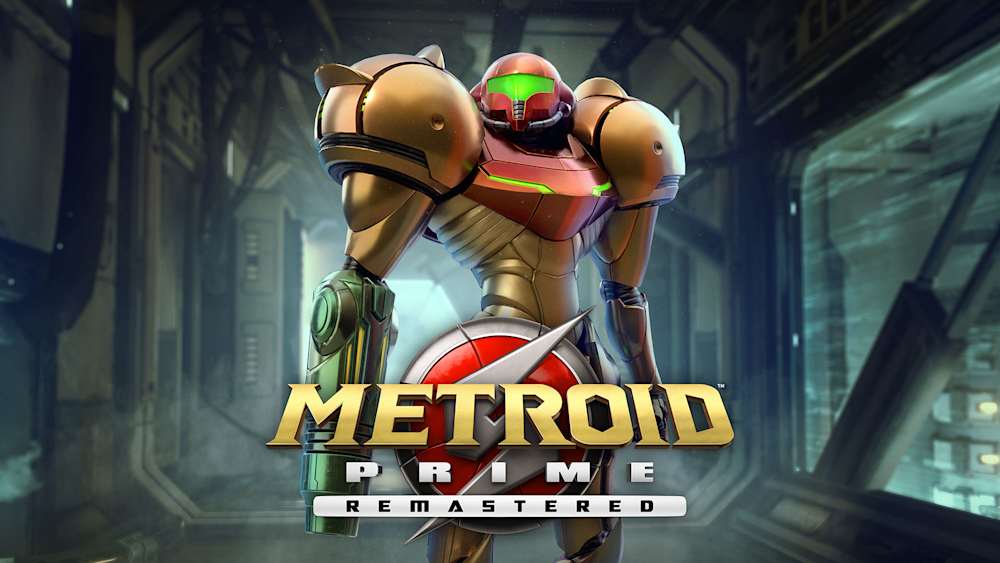
Product images: Nintendo promotional artwork and official screenshots.
Related reading

A visor changes the question
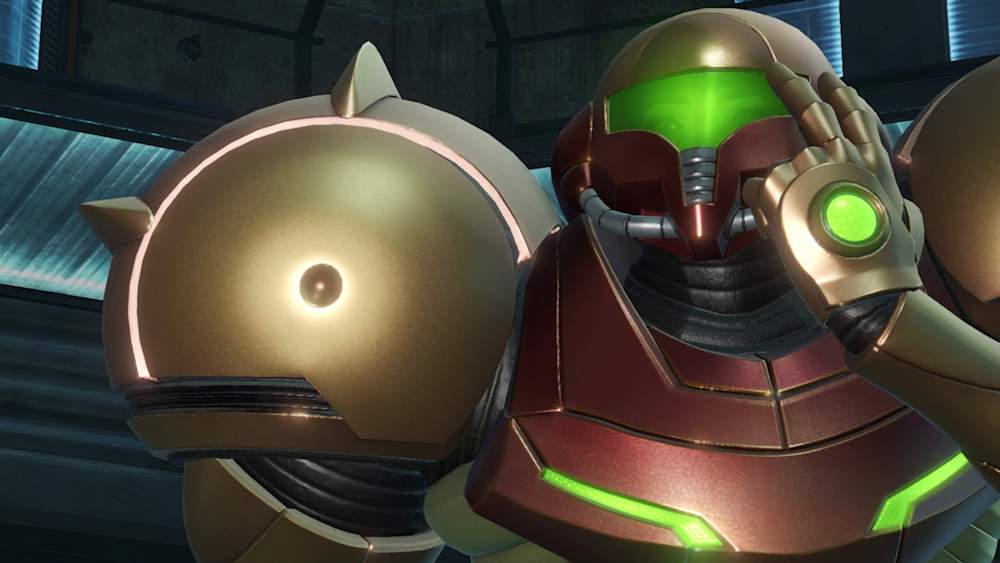
The official game page explains the Scan Visor as a tool for investigating the surroundings and enemies. I like that as a clear alternative to firing. A player can ask what something is before deciding how to deal with it, and an unusual object can be interesting without immediately becoming a target.
That gives a room two kinds of value. It can contain an immediate obstacle, but it can also explain something about the place. I would choose Prime for that mixture of investigation and action. Someone seeking an uninterrupted stream of fights may see the same scanning as an unwelcome pause.
I would not treat every available scan as compulsory reading simply because it can be collected. The useful starting point is curiosity: does this object, creature or machine make me want to know more? A quiet detail can carry more weight when the player chooses to examine it than when another character insists on explaining it aloud.
A familiar room can become a new route
Nintendo describes interconnected regions and abilities that make earlier areas worth revisiting. That is the part of Metroid’s structure I find especially appealing. Progress can change the meaning of a room already understood, rather than always requiring another new destination.
An obstacle can become a memory: something noticed now that may matter later. Returning with a suitable tool creates a connection between two stages of the adventure. I like that small moment of recognition more than a system that constantly replaces one objective marker with another.
It does ask for a different expectation about pace. Travelling through a known place is not automatically wasted time if the point is to understand how the whole place fits together. It can still feel like repetition to someone who wants a direct route through each scene once. I would settle that preference before choosing this as a gift for a fan of first-person games in general.
Related reading
Morph Ball makes scale useful
Morph Ball lets Samus roll into narrow passages and use its own upgrades. I like how directly the shape communicates a different way through the environment. A small opening is no longer only a boundary; it can become an invitation to change form.
That is a particularly good fit for a connected-world adventure. A new movement option can make an earlier view memorable for another reason. The player is learning the character and the place together, rather than upgrading the character in a menu that has little connection with the surroundings.
For me, it also gives the science-fiction equipment a practical identity. A visor gathers information; a form changes access; a weapon can affect a door or threat. The collection of tools sounds interesting because each has a reason to exist. More equipment is useful when it increases the ways to understand a place, not merely the number of choices on a wheel.
The remaster changes the way in
Nintendo’s remaster announcement describes updated visuals and audio alongside modern dual-stick controls. The product page also presents setups inspired by earlier releases. I welcome that choice because preserving a game and preserving one exact control arrangement are different decisions.
A familiar layout can help someone return to a game they remember. A modern layout can remove an unnecessary learning step for someone arriving now. I would choose the arrangement that makes looking and moving understandable, rather than treat familiarity with an older controller as a test of whether a player deserves the adventure.
The existence of different control options does not prove that each will feel equally comfortable for every person. That depends on experience and preference. What matters to my recommendation is that the remaster acknowledges more than one route into the same underlying game. A visual update alone would be a much narrower reason to consider it.
Isolation has room for attention
The official imagery puts Samus inside a detailed alien environment, with the helmet interface framing the view. I like the sense of a person examining an unfamiliar place through equipment built for the job. It supports a different mood from an adventure with constant conversation and a group at the player’s shoulder.
Related reading
That mood is part of the buying choice. Being alone can make a discovery feel personal; it can also feel quiet to someone who wants frequent dialogue and a visible companion. I would choose Prime when that space for observation is attractive in itself.
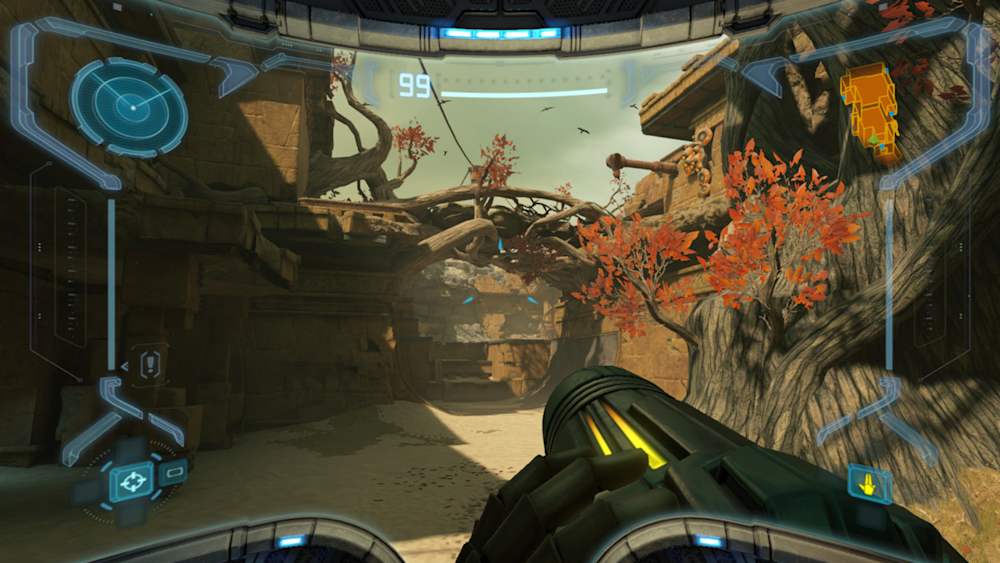
Metroid Prime Remastered is therefore on my shortlist for a specific reason: its tools give the environment something to say. My reservation is the patience involved in reading and revisiting that environment. For a player who enjoys joining those connections, the first-person view offers more than a change of camera. It makes the suit, its information and the place outside it parts of the same adventure.
What worked
The Scan Visor gives observation a specific role alongside aiming and movement.
Modern dual-stick controls sit alongside setups inspired by the original releases.
What bothered me
The helmet view and route-finding ask for patience. A returning door can be a useful memory test or feel like retracing steps.
Who should not buy it
I would choose something else for a buyer mainly seeking multiplayer, constant direction markers or an uninterrupted series of fast fights.
Alternatives I would consider
Metroid Dread. I would choose Dread for a side-view approach to ability-gated exploration and pursuit sequences. Read my Metroid Dread review.
The Legend of Zelda: Tears of the Kingdom. I would compare Zelda when building routes with flexible tools is more appealing than uncovering an authored connected map. Read my The Legend of Zelda: Tears of the Kingdom review.
Evidence and sources
The linked publisher sources explain the game design and edition history. My recommendation is an editorial judgement; product images and edition listings provide the supporting reference material.
Nintendo: original Switch game, features and release
Nintendo: regional launch record, including the US packaged date
Nintendo Australia: remaster improvements and regional physical release
Features, compatibility and rated figures from the maker are manufacturer information. My opinions are identified in the review.
Conclusion
I would consider the remaster for its connected-world exploration and control choices. The physical US edition’s launch was later than the digital version, and the game remains a deliberate exploration adventure rather than a multiplayer shooter.
Metroid Prime Remastered — US Nintendo Switch physical edition
Amazon US · US
Check price and availability: Metroid Prime Remastered — US Nintendo Switch physical edition at Amazon USAffiliate link. As an Amazon Associate I earn from qualifying purchases.
One email a week with practical Mac workflows, useful comparisons and honest tech recommendations.