Metroid Dread appeals to me because being capable does not mean being safe. Samus has weapons, armour and experience, yet part of the adventure asks her to get away from something she cannot immediately defeat. I like that change in the question. A useful action game can make recognising when to leave as important as recognising when to attack.
Quick verdict
I would choose Dread for focused side-view exploration that makes getting away as important as fighting back.
Best for: Solo players who enjoy reading a connected map, gaining movement tools and learning tense encounters through another attempt.
Main benefit: The E.M.M.I. pursuit zones give movement and route awareness an immediate purpose.
Biggest drawback: Pursuit and repeated failure can feel stressful, even when the next attempt starts nearby.
Metroid Dread — standard Nintendo Switch physical edition
Amazon US · US
Check price and availability: Metroid Dread — standard Nintendo Switch physical edition at Amazon USAffiliate link. As an Amazon Associate I earn from qualifying purchases.
Reviewed version: Metroid Dread — standard Nintendo Switch physical edition
Compatibility: Original Nintendo Switch physical game. Check the exact platform edition before purchase; separate Switch 2 editions, upgrade packs and expansion passes are different offers.
Review context: I assess the documented movement, connected-world progression, pursuit states and later difficulty options of the original Switch release.
The selected product is the original Nintendo Switch game, released on 8 October 2021. Its side-view exploration and E.M.M.I. pursuit sequences give it a specific identity. I would choose it for someone who wants to learn a connected place under pressure, rather than recommend it simply because they enjoy science-fiction scenery.
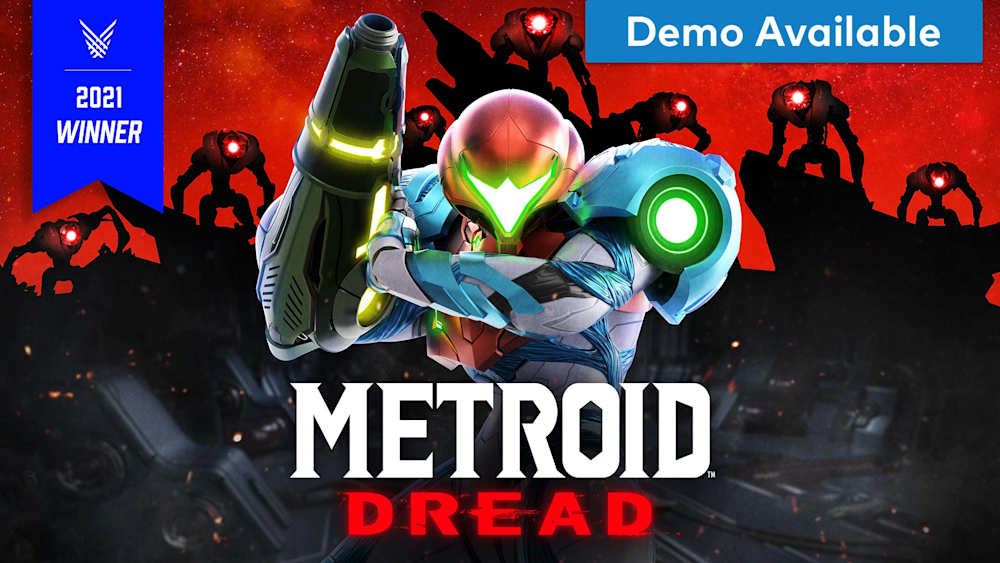
Product images: Nintendo promotional artwork and official screenshots.
Related reading

The threat changes how a room matters
Nintendo’s first Dread report describes a dangerous planet and research robots that now pursue Samus. The premise interests me because a route can serve two purposes. It is a way to discover what lies ahead, but it may also become a way to escape when stopping is no longer useful.
That makes knowledge of the surroundings part of a character’s strength. An opening or platform is not merely scenery behind an enemy. Remembering where it leads can be a meaningful advantage. I like an action game that rewards looking at space, as well as reacting to the thing directly in front of the weapon.
I would approach a new area with that in mind. The aim would be to understand a little more each time, rather than expect a perfect first route. A failed attempt can still be useful if it reveals a connection or a better exit. The distinction matters: pressure is easier to enjoy when it leaves room to learn something identifiable.
E.M.M.I. are not ordinary enemies
The second Dread report explains patrol, search and pursuit states. It also describes designated zones and nearby restart checkpoints. I like having a threat with readable states. A machine searching for a sound asks for a different response from one already chasing its target.
That creates a smaller decision inside the larger escape. Should the player move now, wait, or find another opening? A visible change in behaviour gives that question context. The tension comes from responding to a system, rather than only from a frightening design appearing without warning.
Nintendo is also clear that the counter opportunity after capture is extremely narrow. I would not present it as a comfortable backup plan. Avoiding capture is the more sensible expectation. Someone deciding whether the game suits them should know that a final chance to escape does not mean every mistake is easy to undo.
The nearby restart is valuable in that arrangement. It can keep another attempt close to the decision that went wrong. That does not guarantee every player will enjoy repeating it, but it gives the repetition a clearer purpose than losing a long stretch of unrelated progress.
Related reading
Movement belongs to exploration and combat
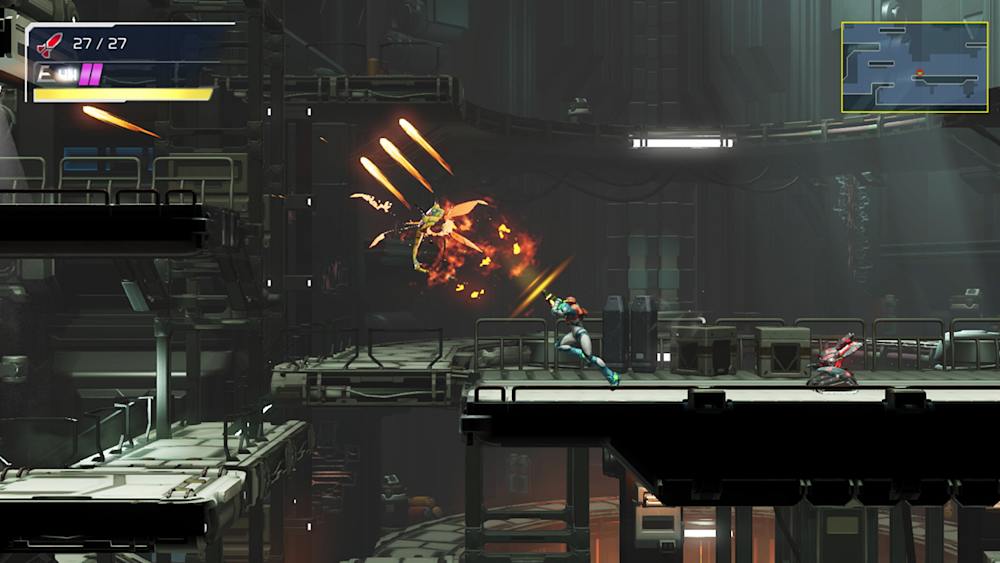
Nintendo describes sliding through tight spaces, moving over obstacles and countering enemies. Those actions suggest a Samus who is useful while moving, rather than a character who must stop for every change of activity. I like that direction because a connected map asks the player to pass through many spaces more than once.
For me, returning to a place is more appealing when getting through it can become a skill. The route might be familiar, while the movement becomes more confident. A new ability can also change what the same passage allows. That is a different kind of progress from a character merely surviving a larger number on an enemy’s attack.
The side view helps explain why Dread interests me separately from Metroid Prime. Here, a room can present height, gaps and moving threats across a clear plane. Prime puts the player inside the helmet and asks for another way of reading the surroundings. Neither view is automatically better; they invite different forms of attention.
A map can be a memory aid
Nintendo’s exploration guidance treats observation and ability use as practical parts of making progress. That is the way I would approach the map: as a record of possibilities, not a demand to remember every door without help.
I would notice a blocked route and ask what kind of change might make it useful later. Returning with another ability can make a previous obstacle feel like a promise kept. The satisfying part is the connection between what was noticed and what is now possible.
There is a limit to how appealing that is for a particular player. Someone who dislikes revisiting an area may prefer a game where finishing a level means leaving it behind. I would explain this structure before buying Dread as a gift. Exploration through returning routes is one of the reasons to choose it, rather than a minor detail hidden behind the combat.
Related reading
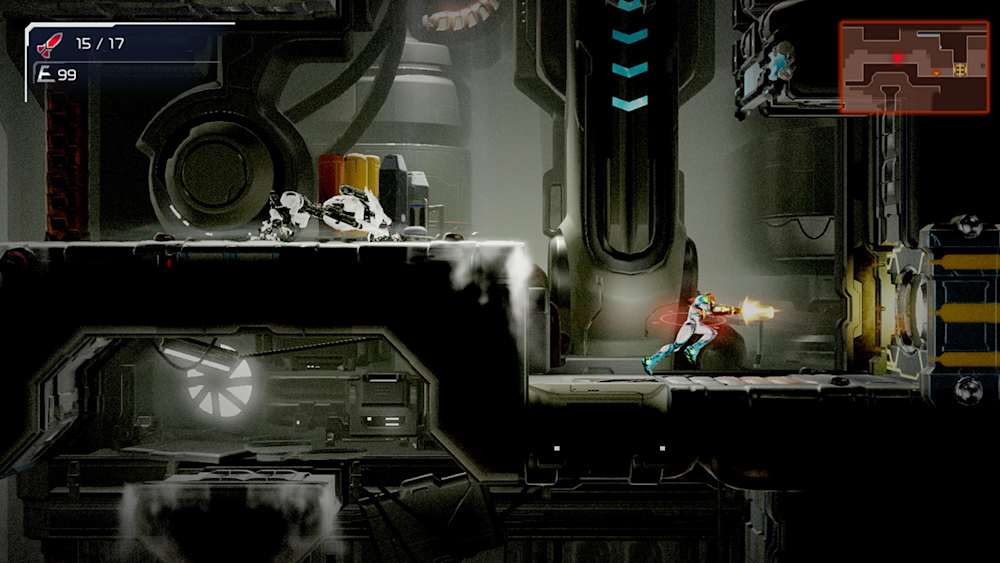
The current modes do not erase the premise
The current product page describes later additions including Rookie Mode and Boss Rush. I welcome an option that reduces some combat pressure, while keeping expectations clear. A different damage balance does not turn a game about pursuit into a peaceful walk through an alien museum.
The free demo is a useful way to judge whether the movement and atmosphere are inviting. I would use it for that decision rather than rely only on the character art. The main attraction for me is the relationship between learning a place and getting better at leaving danger behind. If another attempt sounds like a useful new chance, Dread makes a strong case for itself.
What worked
Nintendo gives E.M.M.I. distinct patrol, search and pursuit states, linking the threat with information a player can read.
New abilities create a reason to look at a previously visited passage differently.
What bothered me
Escaping a capture by countering is deliberately difficult. I would plan around avoiding capture, rather than present the counter as a dependable safety net.
Who should not buy it
I would not choose it for a buyer seeking local co-op, carefree exploration or a game with little demand for timed responses.
Alternatives I would consider
Metroid Prime Remastered. I would compare Prime for a first-person view and exploration shaped around visors and environmental information.
Kirby and the Forgotten Land. I would choose Kirby when a brighter, more welcoming 3D adventure is the stronger fit. Read my Kirby and the Forgotten Land review.
Evidence and sources
The linked publisher sources explain the game design and edition history. My recommendation is an editorial judgement; product images and edition listings provide the supporting reference material.
Nintendo: original Switch game, features and release
Nintendo: the premise and enhanced movement
Features, compatibility and rated figures from the maker are manufacturer information. My opinions are identified in the review.
Conclusion
I would buy Dread for its mixture of movement, exploration and pressure. I would choose a calmer adventure for someone who wants to wander without being chased or dislikes learning from failed attempts.
Metroid Dread — standard Nintendo Switch physical edition
Amazon US · US
Check price and availability: Metroid Dread — standard Nintendo Switch physical edition at Amazon USAffiliate link. As an Amazon Associate I earn from qualifying purchases.
One email a week with practical Mac workflows, useful comparisons and honest tech recommendations.