The idea I like most in Tears of the Kingdom is that a slightly untidy solution can still be mine. A bridge does not have to look elegant if it reaches the other side. A route does not have to be the one somebody else found. That gives this Zelda adventure a clear attraction for me: the tools invite a player to make a useful guess, then see what happens.
Quick verdict
I would choose Tears of the Kingdom for an adventure that lets a useful idea become a personal solution.
Best for: Players who enjoy experimenting with objects, choosing routes and revisiting a familiar world with new tools.
Main benefit: Ultrahand, Fuse, Ascend and Recall change the questions a landscape can ask.
Biggest drawback: Building and experimentation ask for patience; the wide choice of routes can feel less direct than a guided adventure.
The Legend of Zelda: Tears of the Kingdom — original US Nintendo Switch physical edition
Amazon US · US
Check price and availability: The Legend of Zelda: Tears of the Kingdom — original US Nintendo Switch physical edition at Amazon USAffiliate link. As an Amazon Associate I earn from qualifying purchases.
Reviewed version: Original Nintendo Switch physical edition and separate Nintendo Switch 2 Edition physical package
Compatibility: The original game is for Nintendo Switch; the later Nintendo Switch 2 Edition requires Nintendo Switch 2. Existing owners should compare the applicable upgrade option before buying another complete package.
Review context: I assess Nintendo’s documented abilities and exploration, with the original Switch release and the Switch 2 Edition’s publisher-described changes identified separately.
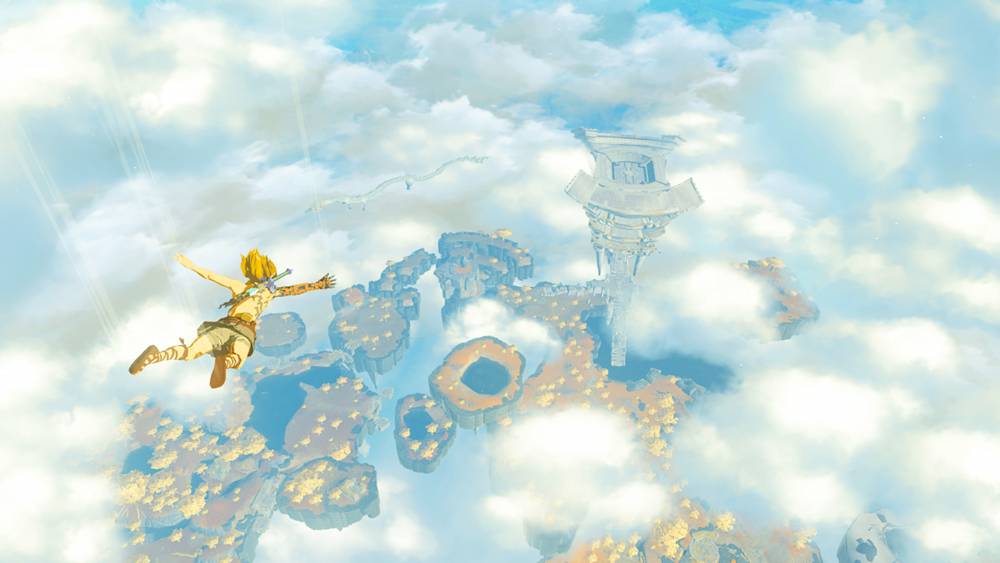
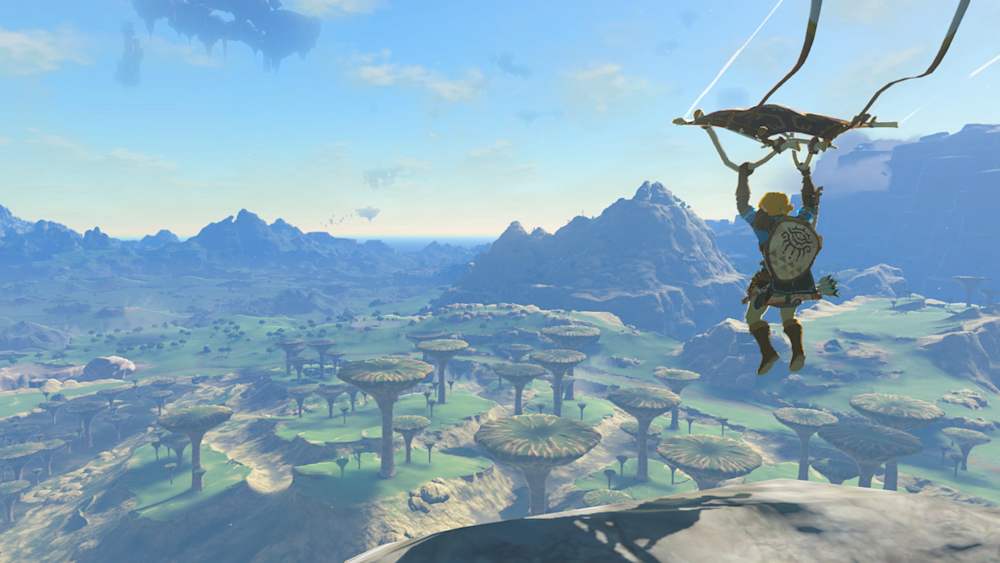
The original Nintendo Switch game and the later Nintendo Switch 2 Edition share this review, with their offers kept separate. The screenshots below illustrate the original Switch release. The edition choice matters alongside the freedom that makes the adventure appealing to me.
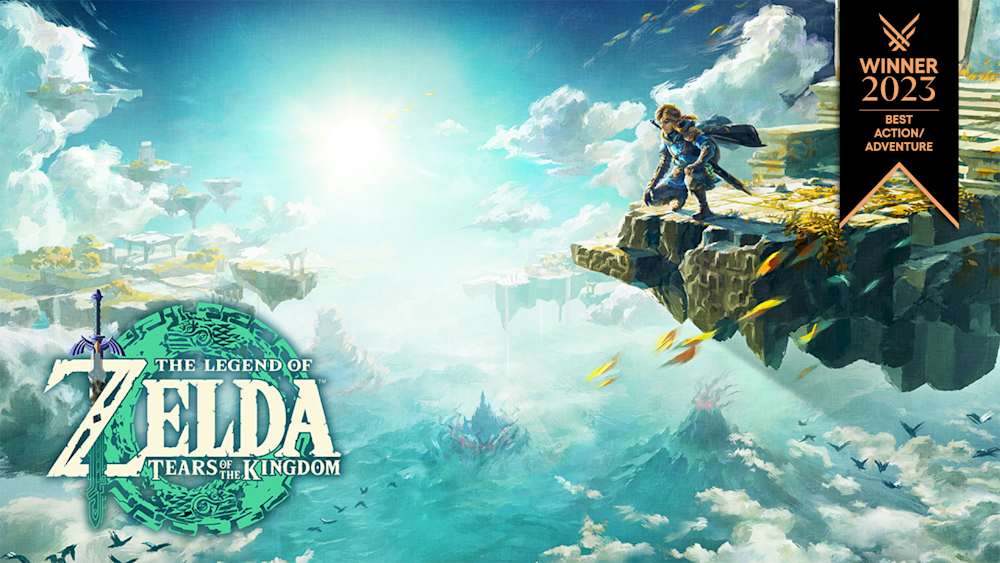
Product images: Nintendo promotional artwork and official screenshots.
Related reading

A useful object can become a different answer
Nintendo’s ability descriptions explain Ultrahand as a way to move, rotate and join objects. Fuse combines objects with equipment. I like that those are broad actions. They suggest a family of possible uses, rather than a single labelled place where a special key must be pressed.
Joining two things raises a practical question: will this arrangement do what I need? The answer can come from testing it, not only from discovering a hidden instruction. That sounds appealing to me because an unsuccessful attempt can still teach something concrete about balance, distance or the object being used.
I would not make the most complicated machine the aim of every session. There is pleasure in a simple solution that explains itself. A player can spend time making a clever construction if that is enjoyable, but invention need not become a competition against the most impressive video online. A small idea that solves the immediate problem has already done its job.
Height is another way to think
Ascend allows movement through suitable solid surfaces above Link, while Recall reverses an object’s movement. These abilities make position and recent motion useful parts of a route. I find that a more interesting expansion of exploration than simply giving the character a longer jump.
An overhead surface can become an exit. Something that fell can suggest a way back up. Those are ideas I would enjoy considering because they change how an obstacle is described. Instead of asking only how to climb around it, the player can ask whether another property of the space is useful.
The important limit is that a flexible tool still has rules. I would not promise that every imagined action will work. The appeal is learning enough about those rules to recognise possibilities. If that process sounds like unwanted effort before the next story scene, a more directed adventure may be a better choice.
Related reading
Familiar places can ask new questions
In the developer interview about verticality, Nintendo discusses adding skies and caves to the existing Hyrule setting. I like the distinction between a place being recognisable and being completely understood. Another entrance or another height can change what a familiar view suggests.
That makes reusing a world an interesting design choice rather than automatically a drawback. The relevant question is what the player can now do there. If new abilities only made the same old route quicker, the difference would be limited. If they make a former boundary useful, the space can support another kind of attention.
I would still take a break between large adventures if familiarity had become fatigue. A sequel does not need to be the immediate next game. For someone who wants to return to this world with a reason to think differently, though, the connected surface and sky are a persuasive premise.
Freedom needs understandable boundaries
The fifth developer discussion describes efforts to make movable and immovable objects visually understandable. That detail interests me as much as the larger construction systems. Experimenting is easier to enjoy when a failed attempt teaches me about the idea, rather than revealing an arbitrary exception.
I appreciate a game that tries to explain its possibilities through the world itself. A consistent visual sign lets a player make a plan before opening another help screen. It does not have to reveal the solution. It only needs to give the player a fair reason to think a proposed action is possible.
A personal route can be the reward
Nintendo’s discussion of the connecting-hands theme links the abilities with creating and cooperating. I like that the story direction and the toolset share an idea. Link is not only collecting more strength; his new actions involve putting things together.
I would leave a guide closed while experimenting is enjoyable, then use help when stuck and tired. Recognising a connection independently can be satisfying, but looking up one answer need not define the whole adventure.
Related reading
My main reservation is the patience that all of this asks for. Moving, joining and adjusting objects can be the enjoyable activity or the thing between the player and the activity they wanted. For someone in the first group, Tears of the Kingdom offers a strong reason to spend time with its systems: a route can become memorable because it was the one they thought to make.
The edition changes the buying decision
The original Switch release arrived on 12 May 2023. Nintendo released the Switch 2 Edition on 5 June 2025. For that later edition, Nintendo describes higher resolution, quicker loading and the ZELDA NOTES service. Those are publisher features, rather than my own performance measurements.
I would consider the newer edition for a Switch 2 purchase, while an existing owner should compare the applicable upgrade option before buying the complete game again. The exact console and package matter more than a similar cover. Check price and availability for Tears of the Kingdom: Nintendo Switch 2 Edition on Amazon US. That is an affiliate link to the full Switch 2 edition, separate from the original Switch offer above.
What worked
The documented abilities act on objects, height and movement rather than only adding another attack.
Nintendo’s developer explanation connects new sky and cave routes with looking differently at familiar places.
What bothered me
A good idea may still need positioning, assembly and adjustment. That process can be the pleasure or the interruption, depending on the player.
Who should not buy it
I would not choose it for a buyer who mainly wants short, prescribed puzzles or dislikes experimenting with a system before finding a route.
Alternatives I would consider
The Legend of Zelda: Breath of the Wild. I would start with the earlier Hyrule adventure when its world and original journey are the main interest.
Pikmin 4. I would compare Pikmin for planning with a group and a different set of small, concrete tasks. Read my Pikmin 4 review.
Evidence and sources
The linked publisher sources explain the game design and edition history. My recommendation is an editorial judgement; product images and edition listings provide the supporting reference material.
Nintendo: original Switch game, features and release
Nintendo developers: connecting hands, tools and the story
Nintendo developers: skies, caves and vertical routes
Nintendo developers: supporting players’ own solutions
Nintendo: Tears of the Kingdom Switch 2 Edition, release and edition features
Features, compatibility and rated figures from the maker are manufacturer information. My opinions are identified in the review.
Conclusion
I would choose the edition for the console I own, comparing the complete package with any applicable upgrade. The value lies in enjoying the experiments, rather than treating every construction as work before the next story scene.
The Legend of Zelda: Tears of the Kingdom — original US Nintendo Switch physical edition
Amazon US · US
Check price and availability: The Legend of Zelda: Tears of the Kingdom — original US Nintendo Switch physical edition at Amazon USAffiliate link. As an Amazon Associate I earn from qualifying purchases.
One email a week with practical Mac workflows, useful comparisons and honest tech recommendations.