I bought the iPhone Duo, used it and passed it on. I cannot recommend it. To me, it feels like paying Apple to develop a product that should have been further along before it reached customers. It is not a phone I consider worthy of daily use.
Quick verdict
I cannot recommend the iPhone Duo. I bought it, used it and passed it on because it did not feel ready for my daily use.
- Best for
- Only an early buyer who knowingly wants the idea more than my daily-phone recommendation.
- Main benefit
- I still find the idea of a compact outer screen and larger inner workspace attractive.
- Biggest drawback
- The complete experience felt unfinished to me at this price.
My preferred alternative
iPhone 18 Pro Max
apple.com · Choose the store for your country
Check price and availability: iPhone 18 Pro Max at apple.comProduct link.
Reviewed version: Apple iPhone Duo
Compatibility: Apple's iPhone Duo software and accessory system; use cases and screen layouts differ from an ordinary iPhone.
Review context: The review focuses on only an early buyer who knowingly wants the idea more than my daily-phone recommendation.
I expected a more finished product at this price. The idea is attractive, and I wanted to like the whole thing as much as the promise behind it. Instead, I ended up wanting a more settled phone. A daily device has to earn its place through the complete experience, and the Duo did not do that for me.
We bought the Duo ourselves. No review sample or free licence was involved, and the opinion here reflects the decision to move it on rather than keep making excuses for it.
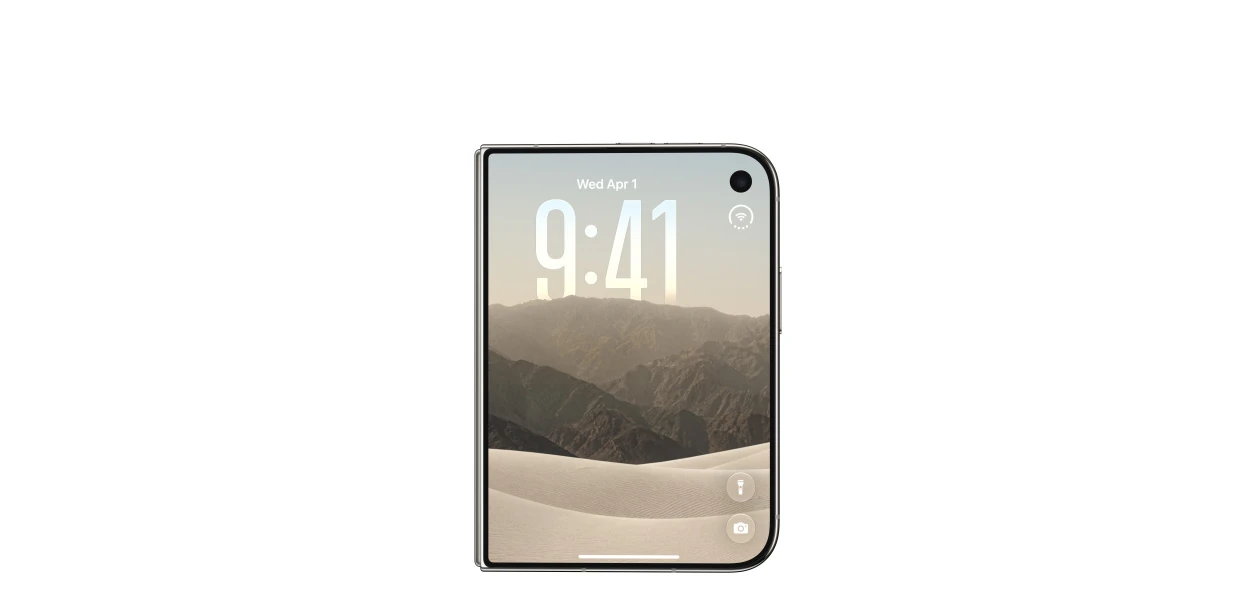
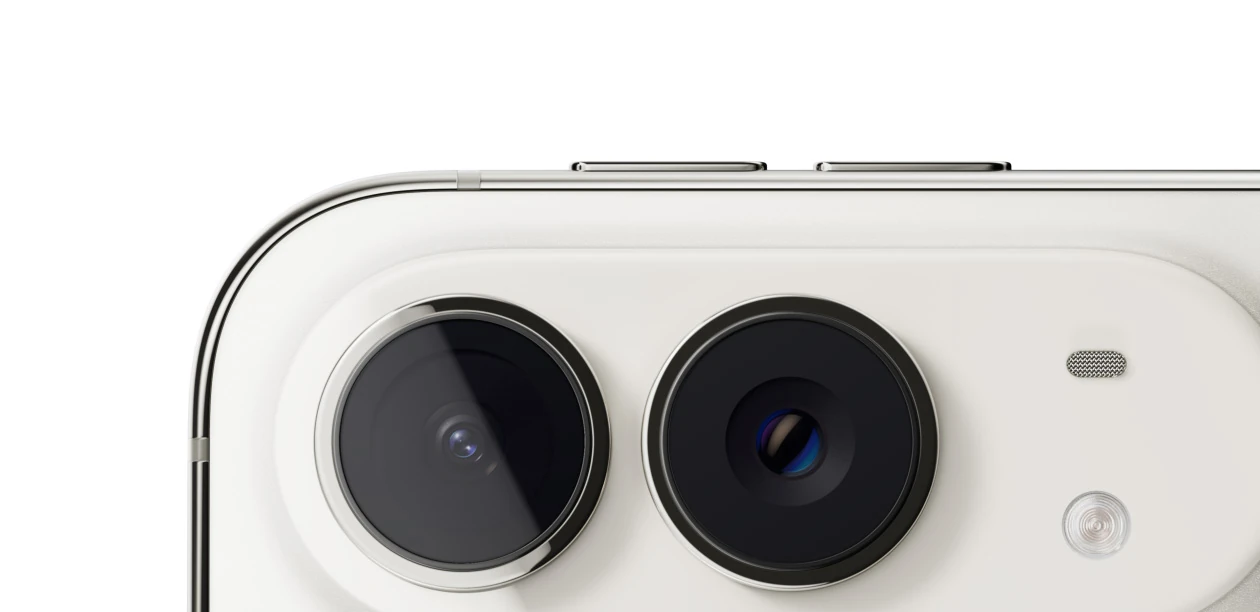
Product images: Apple.
Related reading
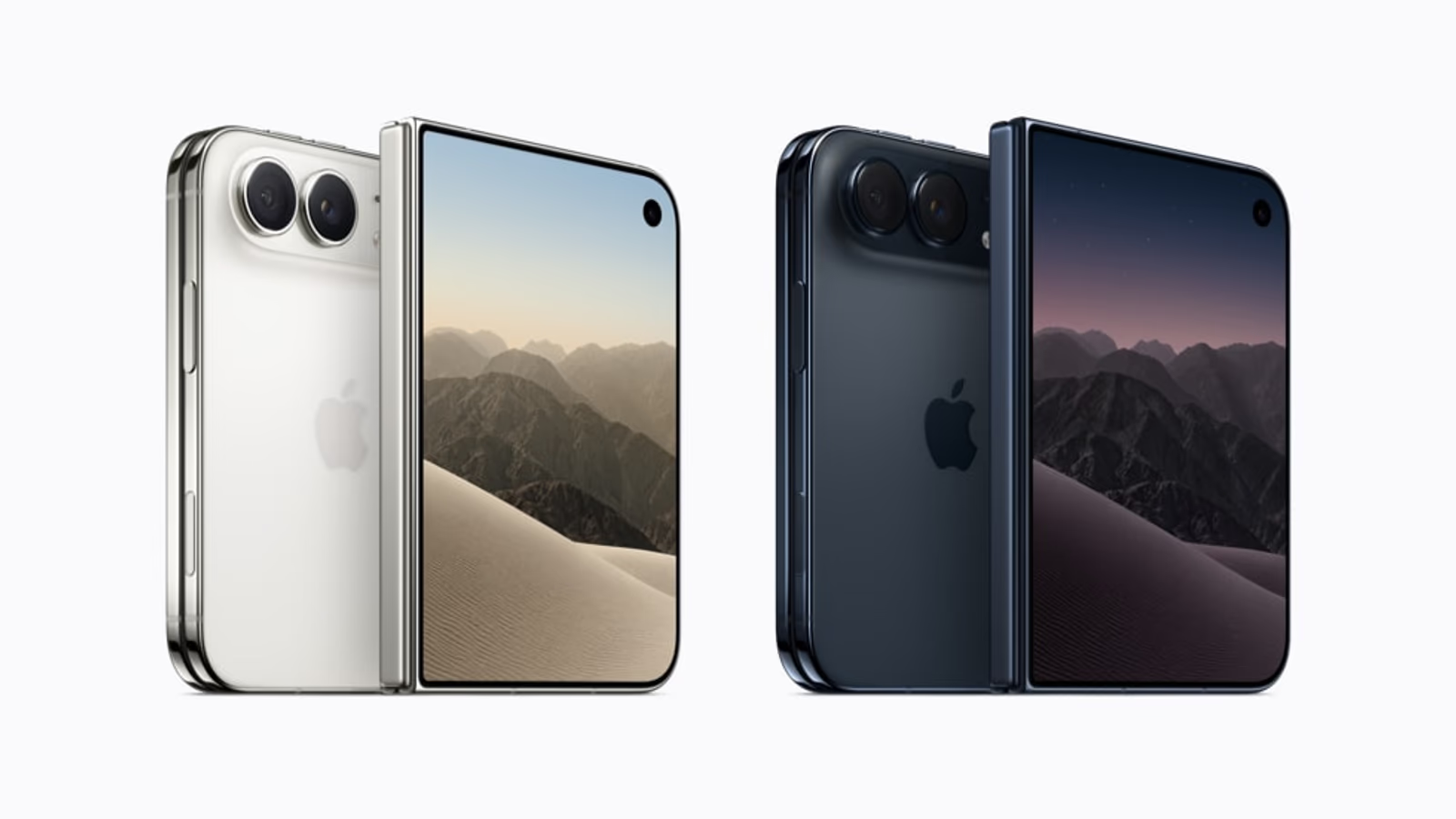
A compelling idea is not a complete product
The promise is easy to understand. A phone should fit in a pocket, while a larger screen should make reading and planning less cramped. Folding seems to offer both. Apple’s iPhone Duo page presents an outer display, a larger inner display and a titanium frame and hinge cover. The Duo uses the A20 Pro chip and a dual-battery design. The basic ingredients sound convincing.
The problem with this kind of device is that the promise is only the start. A good phone has to work as a whole object. Its shape, apps, controls, accessories and the way you move between tasks all have to support each other. A larger panel cannot do that work by itself, however impressive it looks in a product photograph.
I judge a daily phone by how little it interrupts a normal task. A quick note should remain quick. Looking at information should not become a decision about which form of the device to use. A feature can add a new possibility while also adding a new step. The useful question is whether the new possibility is worth that step often enough to matter.
That is where a launch presentation and ownership have different jobs. A presentation shows why a product deserves attention. Ownership asks whether it deserves the money, pocket space and attention it takes every day. It is entirely possible to admire the engineering behind a folding screen and decide that the resulting phone is the wrong purchase.
Two screens bring two sets of expectations
The outer screen has to stand on its own. People buy a phone to do phone things, including the unplanned ones. If the useful answer to every awkward moment is to open the device, the outside is no longer simply a convenient option. It becomes a route through another action. That changes how a feature should be valued.
The inner screen has a different burden. It has to offer enough benefit to justify the folding mechanism and the cost of the whole device. Showing a familiar app at a larger size is not always enough. More space should make a task easier to understand or finish. Empty space, stretched controls or a layout built around a small phone do not automatically create that benefit.
I am not asking a phone to run a Mac interface. Different devices deserve interfaces that fit their shape and posture. I am asking the larger screen to have a clear purpose. Reading a document beside a note, planning with enough room to see the next action, or working with two related pieces of information are useful ideas. They still have to fit into a coherent daily system.
There is also a mental cost in switching forms. A regular phone gives you one main answer to the question of how to hold and use it. A folding device gives you more choices. Choice can be useful, but it is not free. If the main appeal of a product is reducing the number of devices you carry, it should not replace that physical load with a constant collection of small decisions.
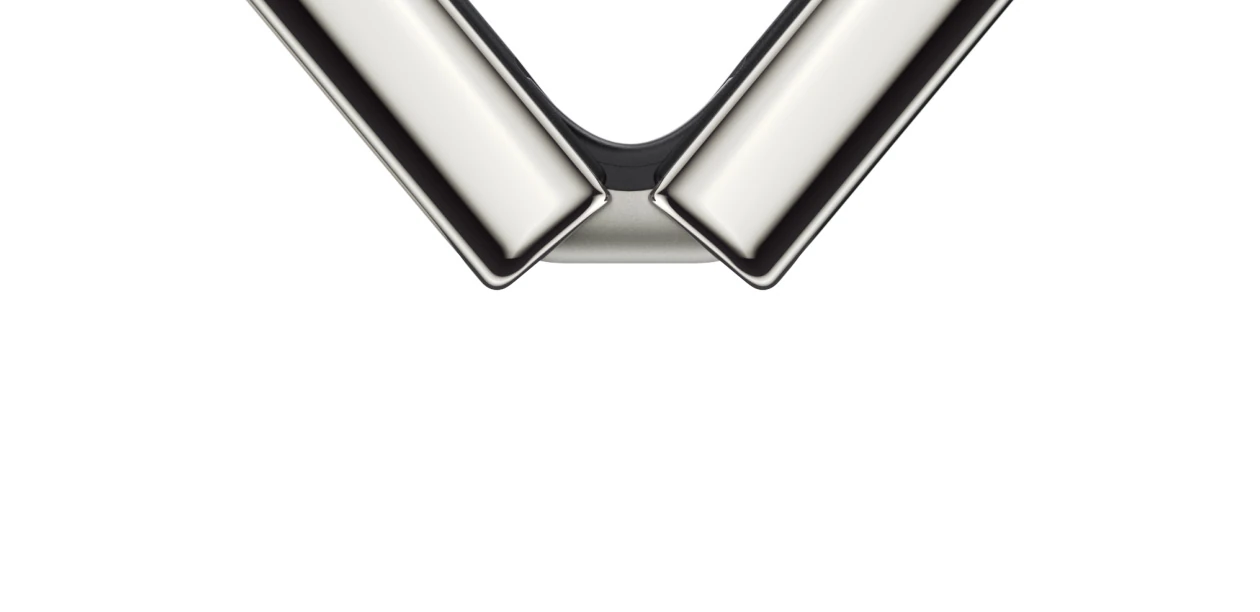
The case is part of the decision
I have also written about the PITAKA California Dream case for iPhone Duo. That review focuses on the case, including its thin design and the exposed hinge in the configuration discussed there. It should not be confused with an endorsement of the phone underneath it. A beautiful accessory cannot change my verdict on the device.
Related reading
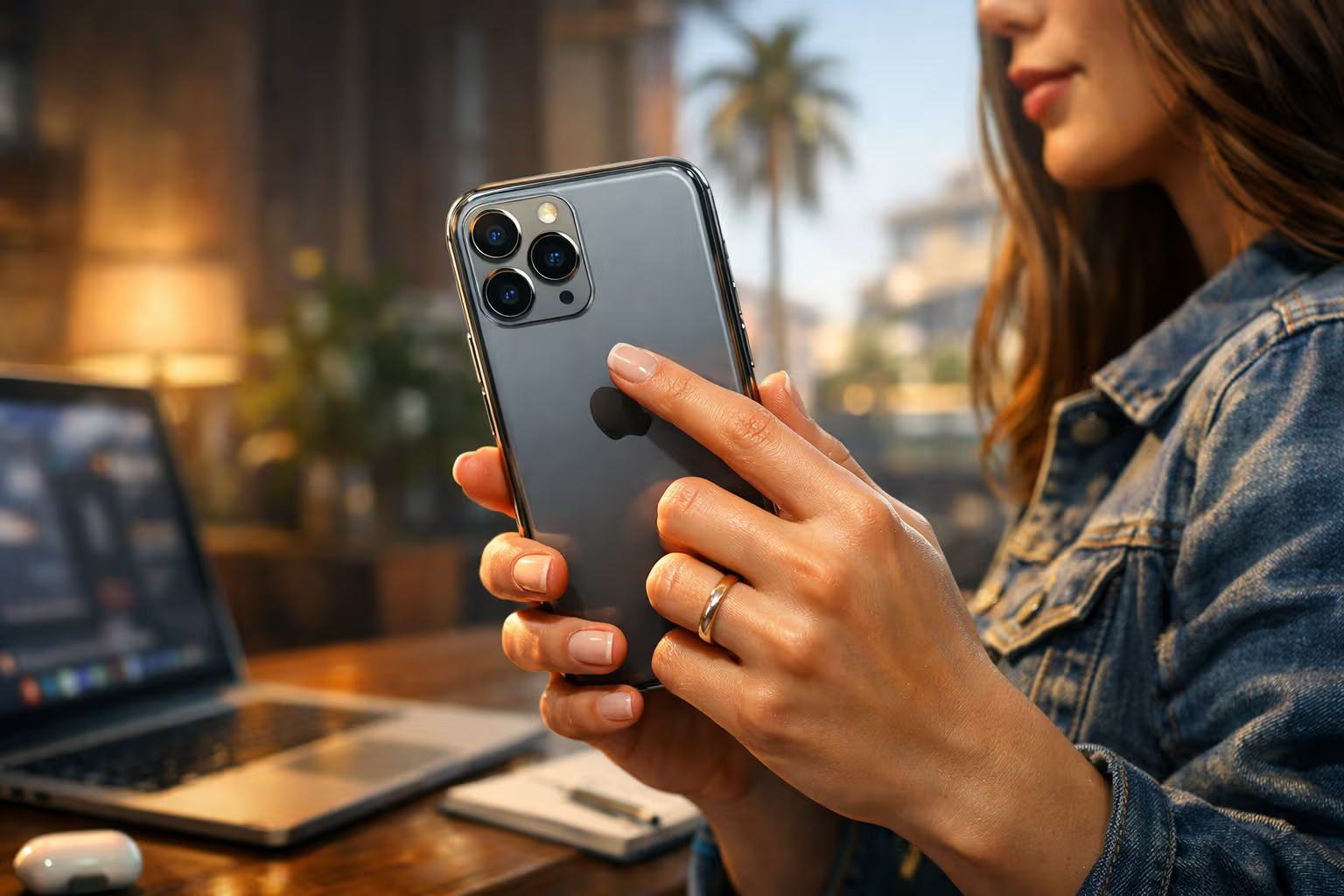
The folding shape makes the protection question harder. A case has to allow movement as well as cover parts of the phone. A slimmer case preserves more of the intended design, while more coverage can add bulk. Neither choice disappears because the phone is expensive. The customer still has to decide what to carry and what compromises to accept.
I do not think a customer should need a long argument to justify that decision. A case should be an accessory chosen for grip, appearance and a sensible level of protection. When the relationship between the device and its case becomes a major part of the purchase, it deserves more attention than the usual final paragraph of a review.
The same applies to carrying the phone in a bag. There is no value in pretending that an expensive device exists only on a clean desk. Phones move between pockets, work surfaces and travel bags. I want the design to make sense in that ordinary setting, rather than needing the customer to think like a product demonstrator all day.
A high price raises the standard
Being early can be enjoyable. Some people like exploring new hardware, learning its habits and watching software improve. That is a legitimate hobby. It is different from recommending a phone to someone who wants a dependable daily tool. A review should keep those two audiences separate, especially when the purchase is expensive.
My objection is that the customer pays the full price now. Future improvements may be welcome, but they do not reduce today’s cost. A product should earn a recommendation with the software, design and accessory choices available when someone buys it. Hope is not a feature that can be checked at the till.
That is what I mean by feeling that the buyer is paying for Apple’s development. I am describing the gap between the promise and the value I see in the product. I want new ideas to succeed, and I am happy to pay for a product I enjoy. This one did not make a convincing case for its place as my everyday phone.
There is a practical financial comparison here too. A regular phone and a small tablet can be two objects with clear jobs. The combination is less elegant as a concept, but the buying decision should be about the tasks you need to finish. One device replacing two is only good value if it actually works well enough in both roles.
Why I passed it on
Keeping an expensive purchase can become a project in defending the decision. It is easy to concentrate on the moments when a new feature looks impressive and overlook the fact that you would rather use something else. Passing the Duo on was the clearer answer for me. I did not want ownership to become an argument with my own preference.
The important detail is the outcome, rather than a dramatic story about one bad afternoon. I bought the product and decided that it did not deserve to remain my daily phone. That is enough to make my recommendation negative. I would rather keep the phone I want to reach for than continue defending a purchase because its central idea looked exciting.
Related reading
I also do not want to turn disappointment into a prediction about every future model. Apple may improve this design. Other folding phones may suit different people. Neither possibility changes the buying advice for this product. A recommendation is a decision about something you can purchase, rather than a vote for the long-term future of a category.
My verdict
I would choose a regular iPhone for daily phone use and an iPad when I need a larger workspace. That combination has clear limits, but I prefer limits I understand to a device whose central promise did not make sense for me in daily life. The Duo is interesting hardware. Interesting is not enough at this price.
If you enjoy being an early buyer, make that decision with a clear understanding of why you are buying it. I cannot make the same recommendation to someone who wants a phone to disappear into a routine. My answer remains the one I reached after buying and using it: I passed it on, and I would not advise a friend to buy it as a daily phone.
Apple’s current product description is on the iPhone Duo page. Read it alongside the practical alternatives and the full cost of ownership. My own money would go toward the more settled option.
Where to buy
See Apple iPhone Duo at the official product page. This is the product page for the model covered in this review. Check the model number, colour, included parts and delivery options before ordering. Prices and stock can change, so I use this page for the current offer. Matching the product to the review matters more to me than finding a similar name.
What worked
- I still find the idea of a compact outer screen and larger inner workspace attractive.
- The concept gives apps an interesting larger space to work with.
What bothered me
- The complete experience felt unfinished to me at this price.
- A promising app layout does not make the phone itself a purchase I can recommend.
Who should not buy it
- Someone who wants a dependable daily phone without accepting an early-product compromise.
Alternatives I would consider
- iPhone 18 Pro Max. This is my preferred conventional iPhone alternative for a large daily screen. Choose it for a clearer phone role rather than to fund an idea you hope will improve. Read my iPhone 18 Pro Max review.
- iPad mini. I would use a separate iPad when the need is a larger reading or note-taking workspace, while keeping the phone's job straightforward. Read my iPad mini review.
Evidence and sources
The purchase, use and decision to pass it on are my own account. Product images are supplied by Apple, not personal test photographs.
Features, compatibility and rated figures from the maker are manufacturer information. My opinions are identified in the review.
Conclusion
It was not worth the price for my daily use; I would spend that money on a more settled phone.
My preferred alternative
iPhone 18 Pro Max
apple.com · Choose the store for your country
Check price and availability: iPhone 18 Pro Max at apple.comProduct link.
One email a week with practical Mac workflows, useful comparisons and honest tech recommendations.