I really like my iPhone 18 Pro Max. It is a great product, and I have enjoyed owning it. The most useful thing about it is also the least exciting: it is a normal phone. The screen is always there. There is no decision about opening it, changing its shape or finding a case that protects a moving part. After buying and passing on the iPhone Duo, I put real value on that simple design.
Quick verdict
I recommend the iPhone 18 Pro Max when a large conventional iPhone is the daily phone you want.
- Best for
- People who enjoy a large phone screen and accept the carrying size.
- Main benefit
- I like the clear role of a large phone without depending on a folding-screen idea.
- Biggest drawback
- The Max size is a real carrying compromise.
Apple iPhone 18 Pro Max
Apple · Choose the local store or delivery region
Check price and availability: Apple iPhone 18 Pro Max at AppleProduct link.
Reviewed version: Apple iPhone 18 Pro Max
Compatibility: The exact iPhone 18 Pro Max model, storage and regional configuration. Check carrier support and Pro Max accessory fit separately from the smaller Pro.
Review context: The review focuses on people who enjoy a large phone screen and accept the carrying size.
We bought this phone ourselves. This review looks at the Pro Max as a daily tool, rather than treating a new model name as a reason to upgrade. A phone can be very good and still be the wrong purchase for someone whose current phone already does the job.
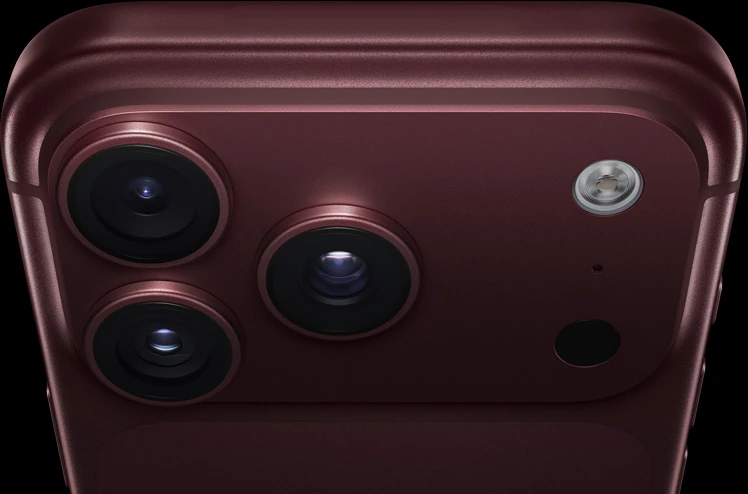
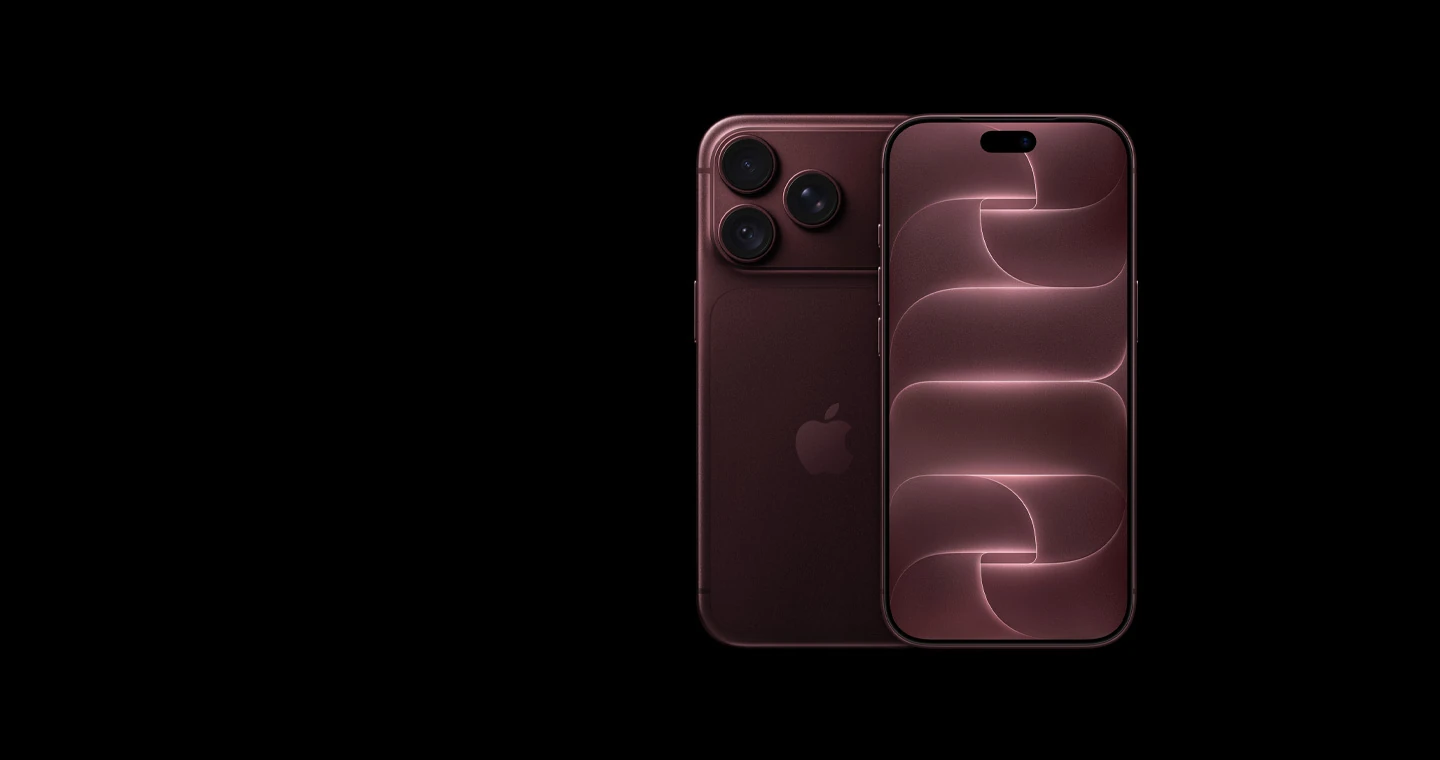
Product images: Apple. The photographs show Apple’s product presentation, rather than pictures of our own unit.
A large screen has a clear purpose
Apple lists a 6.9-inch display for the Pro Max, compared with 6.3 inches on the Pro. Both have ProMotion up to 120Hz. The Pro Max also uses the A20 Pro chip and a vapor chamber. Those are the headline facts from Apple’s product page. What interests me is the choice they create: more room in a fixed shape, with the cost of a larger object in your pocket.
Related reading
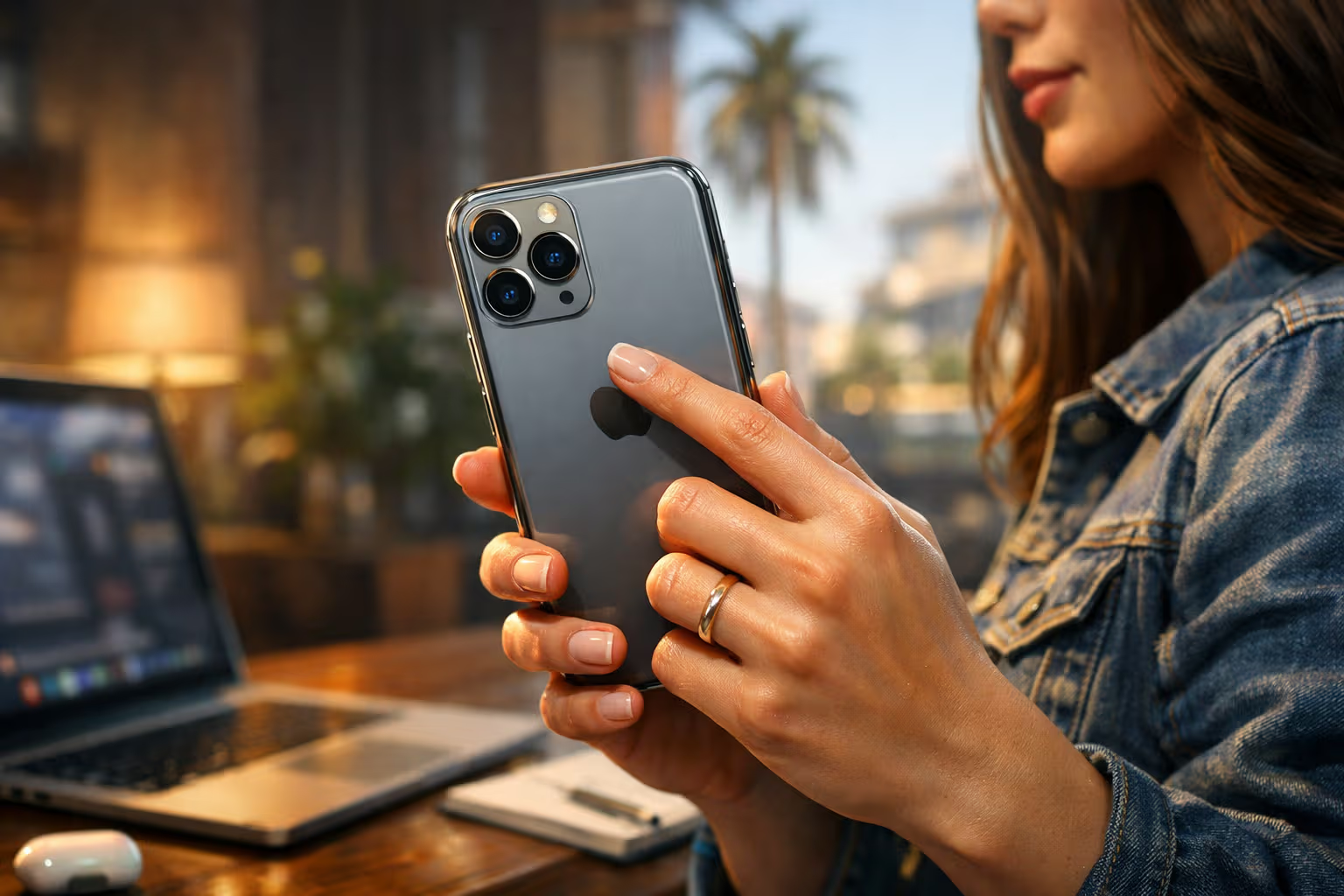
The screen makes sense for reading a long message, checking a photo and following a map. More space can make the same task less cramped. It does not turn the phone into a laptop, and that is fine. Trying to make every device replace another one usually leads to awkward compromises. I want the phone to handle short tasks well, then get out of the way when a Mac or iPad is the better choice.
One-handed use is the other side of that bargain. A larger display also puts more of the interface farther from your thumb. A case adds still more width. Someone who mainly sends quick messages while walking may get more benefit from a smaller phone than from a bigger screen. I would make that decision before looking at a chip name or a camera chart.
There is also a difference between reading space and workspace. A wider page can be easier to read without becoming a useful place for a complicated spreadsheet. A large phone is good at showing one thing clearly. For longer work with several documents, the larger canvas and different posture of an iPad still have a purpose. The Pro Max sits comfortably between those needs only if you let it remain a phone.
Camera improvements should reduce effort
Apple’s main camera uses a variable aperture, and Apple lists a 48MP main camera as part of its rear camera system. Camera Control remains a separate physical way into camera functions. These are useful design decisions to consider, but I would not choose the phone by adding up megapixels. The real purchase question is whether its camera gives you a simpler route to the photographs you want.
For a parent, that often means getting the phone out quickly, framing without a long setup and returning to the moment. For someone writing about products, it means having a camera close enough to make a picture when the useful detail is in front of you. A camera that asks for more thought can be enjoyable, but a daily phone camera should not require a miniature production process for every image.
Camera Control is interesting because physical access can reduce the number of screen actions. It also makes case design matter. A case that leaves an awkward opening or makes a control hard to reach can reduce the value of a feature you paid for. I would choose the case and phone as one practical combination. The colour of the case is only one part of that choice.
Storage deserves the same plain thinking. Photos, video, downloaded media and apps compete for space. Buying more storage than you need is expensive, but choosing too little creates a recurring job of clearing things out. A sensible choice starts with the storage you use today and the way you keep media. It should not start with the most expensive option looking more professional.
Battery claims need the right context
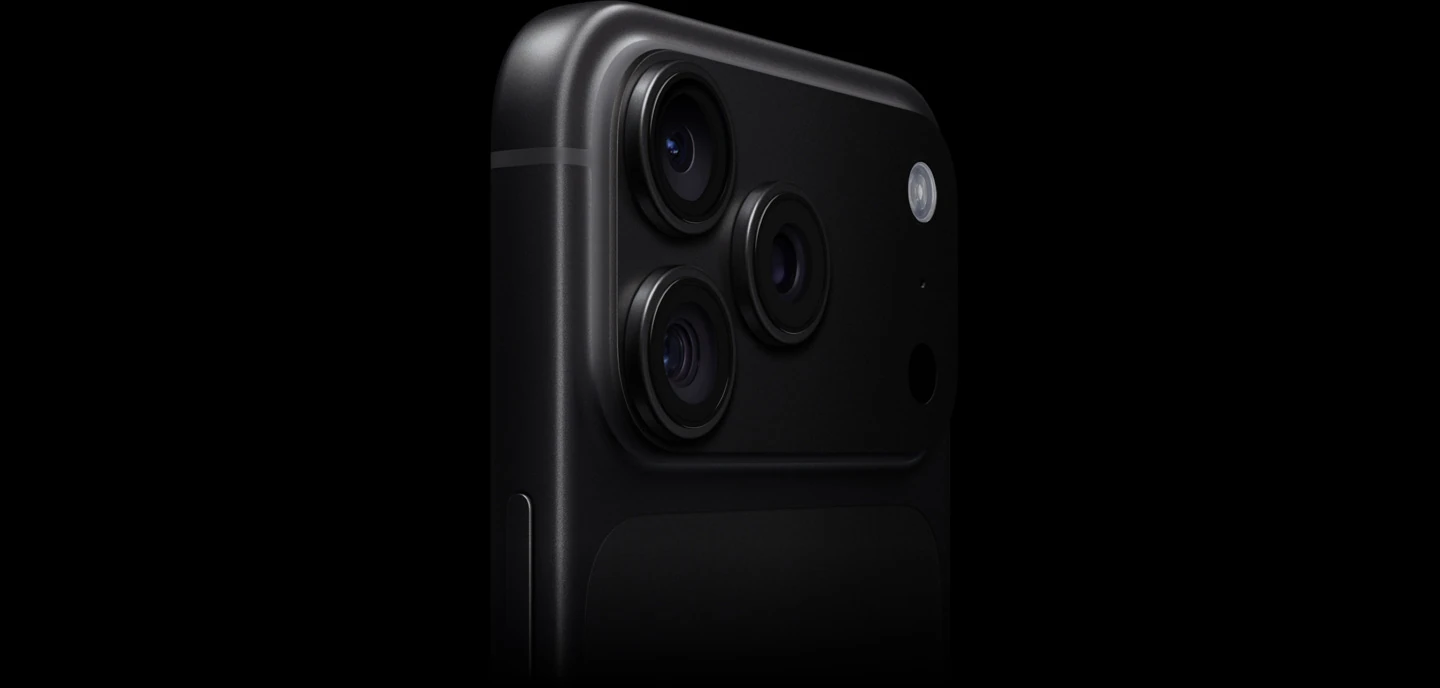
Apple advertises up to 45 hours of video playback for the Pro Max. That is Apple’s specified playback figure, rather than a promise about a day made of navigation, camera use, poor mobile reception and calls. I treat it as a way to understand the intended position of the phone, not as a personal timetable.
Battery value is about how much attention a device asks for. A phone that fits around your existing charging routine is more useful than one that makes you plan around a headline number. A desk charger, a cable in a bag and a reliable place to charge at night can matter more than a small difference between two advertised maxima.
Related reading
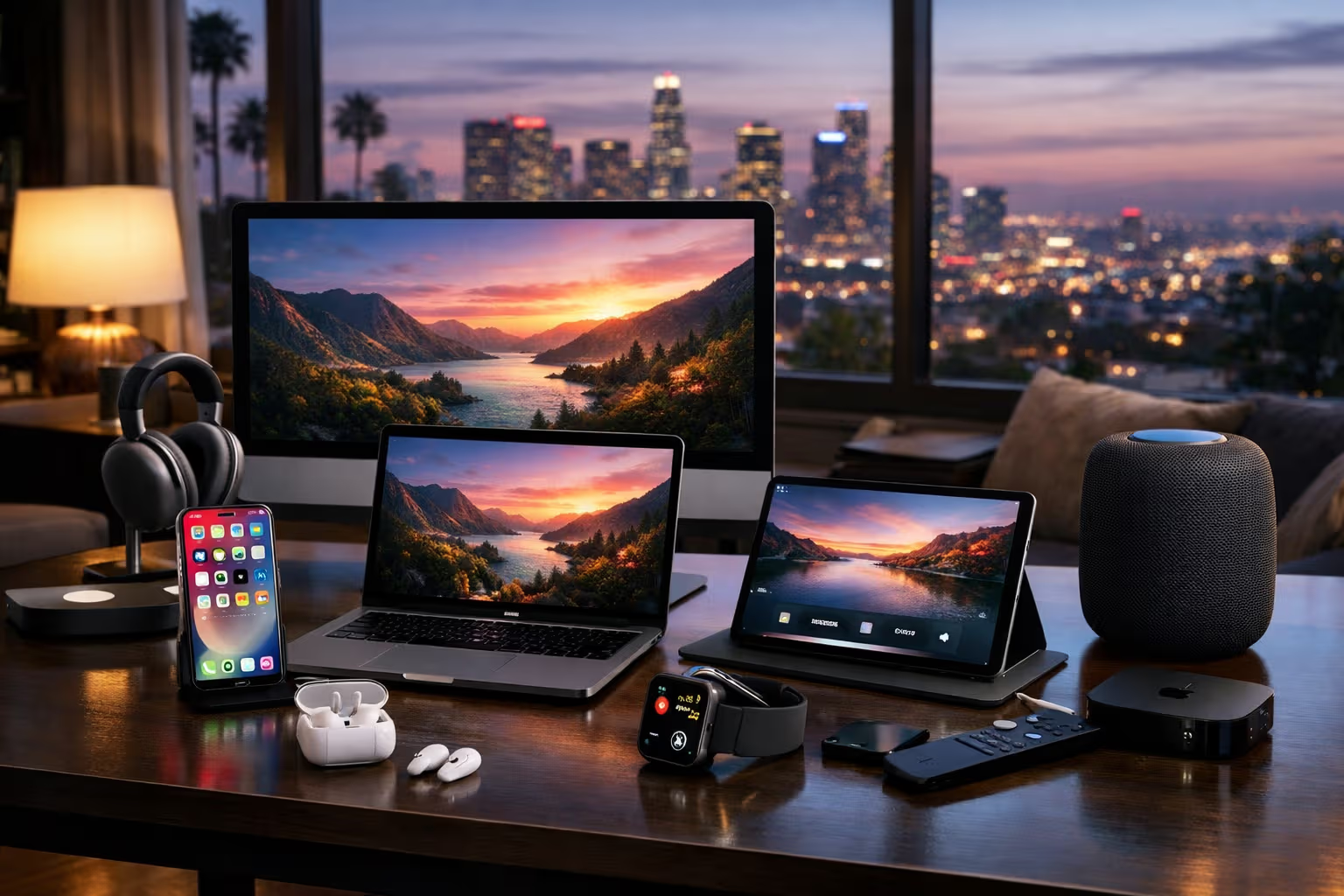
The charger also has to suit the job. Buying an expensive phone does not make every USB-C cable equally capable, and a multiport charger has a shared power budget. I prefer a simple setup whose limits I understand. That makes it easier to tell whether a slow charge comes from the phone, the cable, the adapter or the other device sharing it.
The large battery story should also be balanced against size. You carry the phone when it is full, when it is empty and when you barely use it. A larger device is a constant physical choice, while the extra reserve may be useful only on some days. That is a reasonable trade for many people, but it is not automatically the right one for everyone.
A powerful chip is only part of a useful system
The A20 Pro is a reason to expect the phone to have room for demanding software, but it is not a reason to invent work for it. Most of my reasons for choosing a phone are ordinary: communication, the camera, maps, authentication and access to information. Performance matters when it removes a wait in one of those jobs. It matters much less as a number sitting beside a name.
AI features deserve a similar filter. Apple’s page says Siri AI is available in English. That language detail matters for readers who switch between Czech and English. The right question is whether the feature supports the language and task you need today. A demonstration in another language does not make a missing part of your workflow disappear.
I also separate useful integration from pressure to buy everything from one company. A phone can be a convenient partner for a Mac and an iPad without every accessory needing an Apple logo. A well-chosen third-party charger or case may do the job. The important thing is to check actual compatibility instead of assuming the ecosystem will solve every mismatch.
Software familiarity has a value that is easy to miss in a product launch. You know where things are, how your accounts work and which apps you trust. Changing phone shape or platform can create a new set of small decisions. Sometimes that change is worth it. Sometimes the best upgrade is the one that lets you keep your routine and removes a specific problem.
Compared with the Duo and a smaller iPhone
The Duo offers the promise of more screen in a folding shape. My own verdict on that phone is negative: after buying it, using it and passing it on, I cannot recommend it as a daily device. That makes the Pro Max’s fixed shape a positive choice in this comparison. It solves the phone problem without asking me to accept the extra compromise of a fold.
That does not mean the Pro Max wins every comparison. A smaller Pro can be the more sensible tool if the large body annoys you. An older iPhone can be the better financial decision if its battery, camera and storage still suit your life. The presence of a new premium model does not turn a working phone into a bad phone overnight.
I would be especially careful about upgrading for a feature that is easy to demonstrate but hard to connect to a real need. Write down the thing your current phone prevents you from doing. If the answer is unclear, keeping it is a valid decision. A large purchase should solve a recognisable problem, not create a story to justify itself afterward.
Related reading
My verdict
I am happy with my iPhone 18 Pro Max. It makes the most sense for someone who wants a large regular iPhone, values camera access and screen space, and accepts the body size. I like the clarity of that offer, and it is a large part of why this has been such a satisfying purchase for me. Its shape is familiar because the basic idea works: a screen on the front, cameras on the back and no moving joint between two halves.
I would choose the smaller Pro if carrying comfort came first. I would keep a recent working iPhone if nothing about it was getting in the way. And I would choose the Pro Max over the Duo when the goal is a dependable daily phone rather than the experience of owning Apple’s newest shape. That is a judgement about the whole product, not a race between specification lists.
See the current configurations on Apple’s iPhone 18 Pro page. Compare the full cost, including the case and charger setup you actually need, before choosing a capacity or finish.
Where to buy
See Apple iPhone 18 Pro Max at the official product page. This is the product page for the model covered in this review. Check the model number, colour, included parts and delivery options before ordering. Prices and stock can change, so I use this page for the current offer. Matching the product to the review matters more to me than finding a similar name.
What worked
- I like the clear role of a large phone without depending on a folding-screen idea.
- The screen gives reading, photos and maps more room without asking the phone to replace a Mac.
What bothered me
- The Max size is a real carrying compromise.
- A premium price should be justified by a real task, rather than by the new model number alone.
Who should not buy it
- Someone who puts pocket size and one-handed comfort ahead of display space.
Alternatives I would consider
- The smaller iPhone Pro. I would choose the smaller Pro when carrying comfort comes first, and Pro Max when the larger screen is the main benefit.
- iPhone Duo. I would not choose the Duo as my daily-phone alternative. I bought it, passed it on and prefer the clearer role of a conventional iPhone. Read my iPhone Duo review.
Evidence and sources
The article separates my judgement from specifications and claims credited to their sources. Product images are identified by the credits in the article.
- Apple's product page
- Apple's iPhone 18 Pro page
- See Apple iPhone 18 Pro Max at the official product page
Features, compatibility and rated figures from the maker are manufacturer information. My opinions are identified in the review.
Conclusion
Worth it when the large screen and specific upgrade solve a need; a recent working iPhone may still be the better value.
Apple iPhone 18 Pro Max
Apple · Choose the local store or delivery region
Check price and availability: Apple iPhone 18 Pro Max at AppleProduct link.
One email a week with practical Mac workflows, useful comparisons and honest tech recommendations.