The DJI Neo 2 interests me because the personal-video idea has a clear purpose: make a short aerial view part of a story without building the whole project around a large camera setup. I like a product that begins with that focused job. My buying decision would still start with the specific clip I want to make and the way I expect to control it.
Quick verdict
I would shortlist the Neo 2 when its documented changes support the personal-video workflow I intend to use.
Best for: A creator who wants a small aerial filming tool and is willing to choose the control method before buying accessories.
Main benefit: The documented sensing system and two-axis mechanical gimbal make the newer personal-video concept more interesting.
Biggest drawback: Sensing has operating limits, and optional control equipment can make the complete setup more involved than a drone-only price suggests.
DJI Neo 2, Drone Only package
Amazon US · US
Check price and availability: DJI Neo 2, Drone Only package at Amazon USAffiliate link. As an Amazon Associate I earn from qualifying purchases.
Reviewed version: DJI Neo 2, Drone Only package
Compatibility: Check the intended DJI Fly phone workflow and the specific equipment required for remote or goggles control. The optional DJI Neo 2 Digital Transceiver is distinct from the drone-only offer.
Review context: I assess the documented camera, sensing and control arrangement for short planned personal videos, with attention to exact bundle contents.
This review concerns the Drone Only package. I would keep that wording visible throughout a shopping comparison. The aircraft is one part of the working arrangement, and a photograph or demonstration using extra equipment does not establish that those pieces are included in this selected offer. The complete purchase should match the plan from the start.
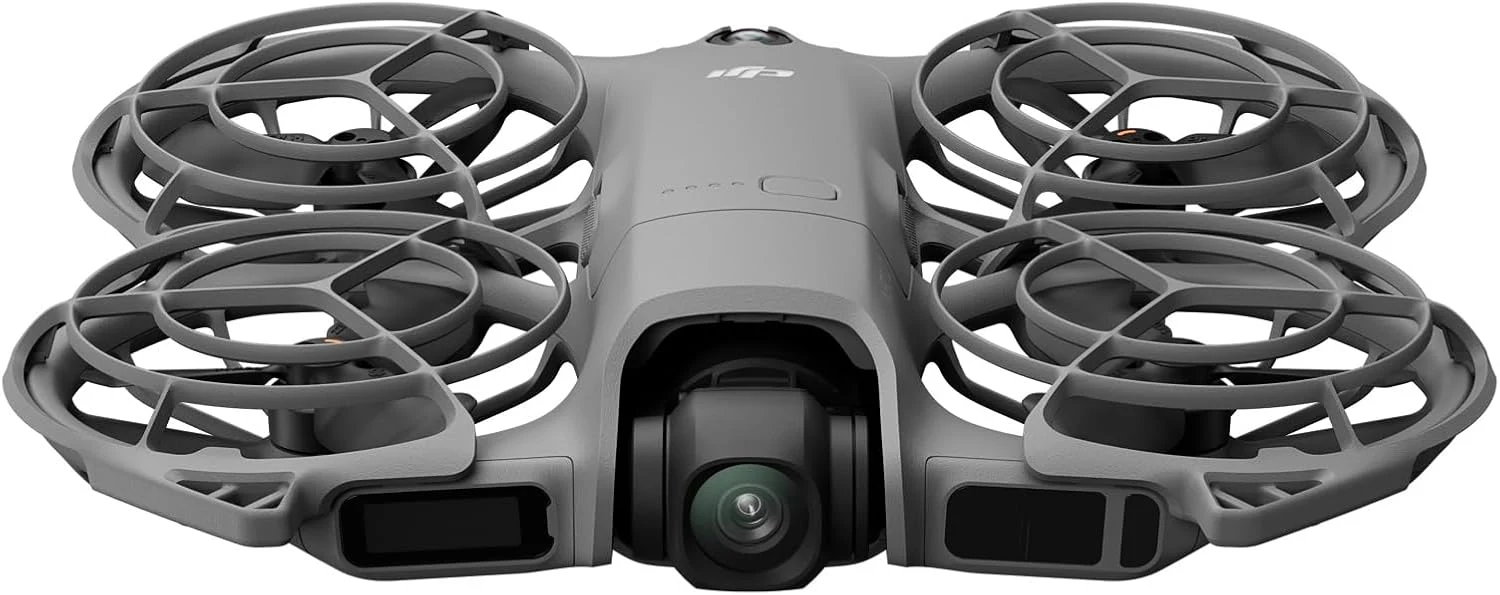
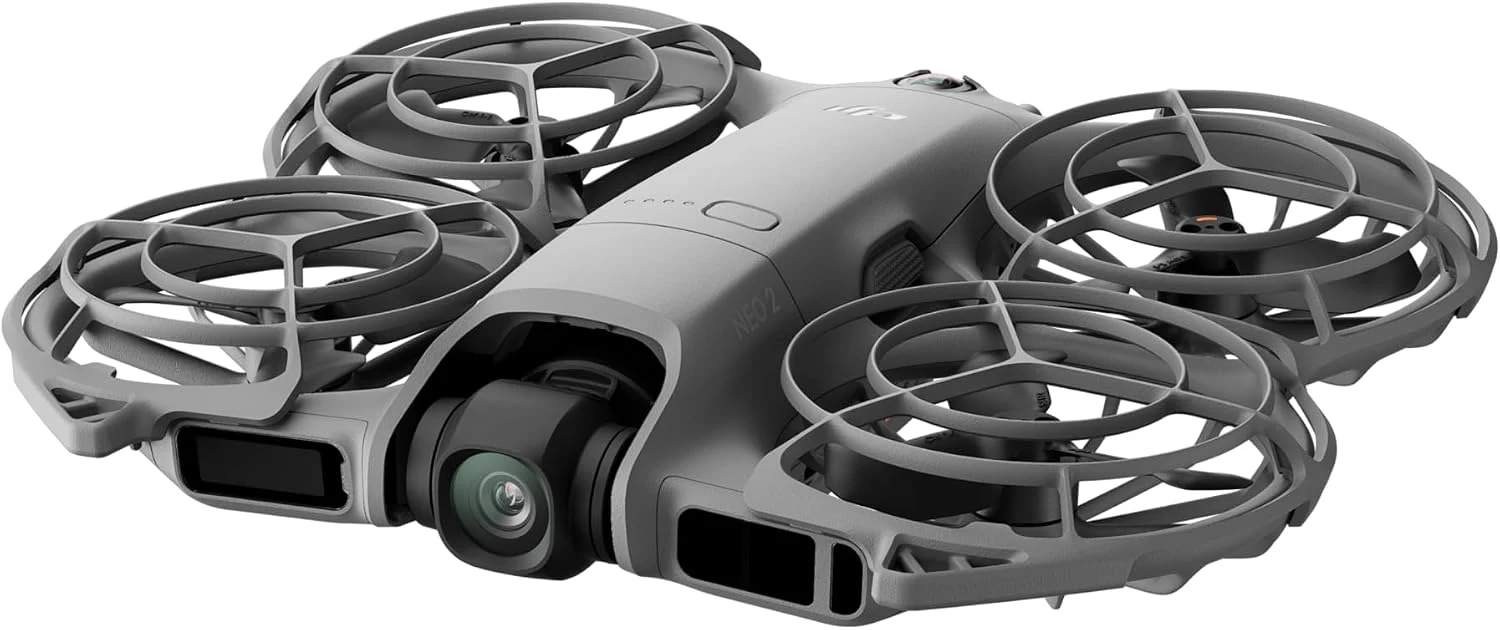
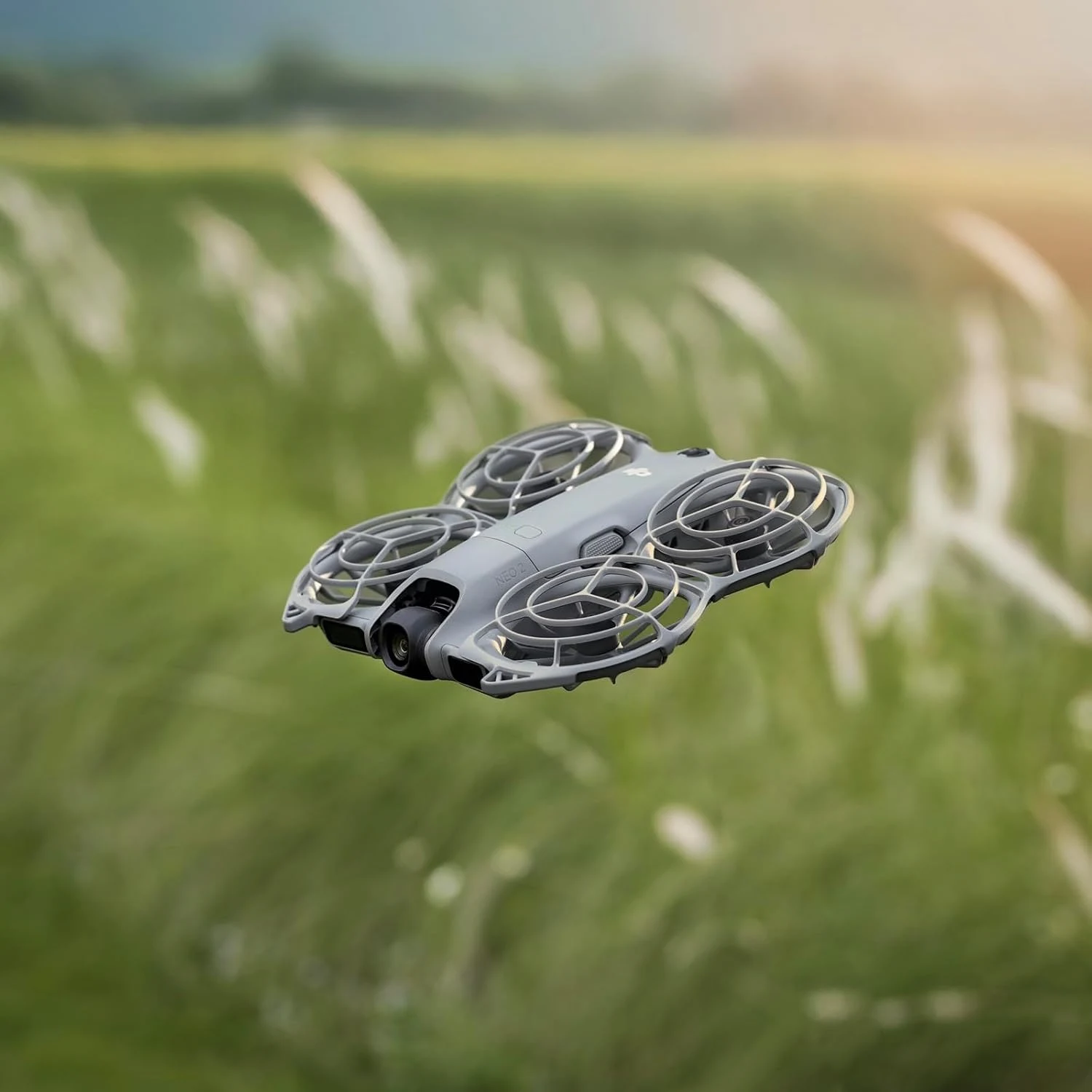
The images are credited product-gallery material. They identify the actual Neo 2 hardware rather than showing an aerial recording presented as a personal test result.
Related reading

A newer model needs its own documentation
I would read the Neo 2 details directly instead of filling gaps from the original Neo. DJI’s official specification page lists a two-axis mechanical gimbal and a sensing arrangement that includes vision, downward infrared and forward LiDAR. Those are documented differences worth considering, rather than reasons to treat the two generations as interchangeable.
For me, a useful upgrade is one that solves an actual requirement. I would compare how the newer arrangement relates to the intended viewpoint and operating method, not simply count additional words on the feature page. A more capable product can still be the wrong purchase if the simpler model already meets the job I actually want done.
Choose the control arrangement before the bundle
The manufacturer distinguishes control methods and an optional Digital Transceiver. I would decide which arrangement I intend to use, then check the required compatible equipment. A drone-only headline price is a useful starting point only when the rest of that setup is clear.
I would avoid assembling a shopping basket from separate demonstrations without checking how the parts work together. The simplest arrangement can be attractive when it already supports the intended clips. A more elaborate controller or goggles setup deserves its own purpose, budget and learning plan rather than becoming an automatic addition because it appears somewhere in the product family.
Sensing is a capability with conditions
The documented sensing system is an interesting reason to compare the Neo 2, but it has operating conditions. DJI specifies requirements for the environment and surfaces the system can detect. I would read those limits before planning a shot, rather than turn the presence of sensors into a promise that the aircraft can handle every surrounding object.
That distinction is important to my verdict. I value useful assistance while keeping judgement about the location and movement part of the operator’s job. I would not choose a difficult setting merely because a newer model has a more extensive sensing description than its predecessor. The intended use still has to make sense on its own.
Related reading

Plan for the finished clip
DJI lists 4K recording and 49GB of internal storage, with particular recording options depending on the control arrangement. I would check the exact mode I want rather than assume that every headline setting is available through every way of using the drone. That is a small reading step with a direct effect on the purchase.
I would also plan how recordings reach the editor and where an independent copy will be kept. Internal space is convenient only when it fits a repeatable transfer routine. I would rather finish a few purposeful clips and free space with confidence than collect files that remain difficult to find or easy to lose between projects.
Keep the practical budget visible
My comparison would include the actual supplied parts, the intended charging arrangement and any accessories required by the chosen controls. I would check those against the selected offer, rather than assume a larger bundle’s contents from a similar image or name. The best value is the complete arrangement I need, not the lowest starting number across several different packages.
I would also check current official requirements for the intended place and type of operation before deciding how often this camera could be useful. Product weight and an appealing demonstration cannot answer that question. Knowing where and why I would use the tool makes the spending decision more grounded than imagining an unlimited list of possible scenes.
Compare different ways to make the same story
The original DJI Neo remains worth comparing when its documented feature set already serves the purpose and its complete offer is better. I would choose the newer model for a specific benefit, rather than assume that an older focused tool has no remaining value.
Related reading

The DJI Mini 4K represents a more conventional controller-based camera-drone routine. I would investigate it when planned aerial compositions matter more than the personal-video idea. Making that choice early helps keep the camera, accessories and intended final edit pointed towards the same result.
My verdict is positive when the Neo 2’s documented changes have a clear role in that plan. I like the focused filming concept and the room to choose an appropriate control method. I would buy the complete setup with those details understood, while choosing another approach when the drone-only offer or the sensing limits do not fit the job.
What worked
The documented sensing system and two-axis mechanical gimbal make the newer personal-video concept more interesting.
What bothered me
Sensing has operating limits, and optional control equipment can make the complete setup more involved than a drone-only price suggests.
Who should not buy it
I would pass if the plan assumes every accessory is included, sensing removes the need for judgement, or a conventional camera-drone workflow is the actual goal.
Alternatives I would consider
Original DJI Neo. I would compare the original controller-free model when its simpler documented feature set already serves the intended clips. Read my Original DJI Neo review.
DJI Mini 4K. I would choose a conventional controller-based arrangement when deliberate aerial compositions are the priority. Read my DJI Mini 4K review.
Evidence and sources
Product details are attributed to the linked documentation. The photographs and credited technical illustrations show the selected product; they are not personal test photographs.
Features, compatibility and rated figures from the maker are manufacturer information. My opinions are identified in the review.
Conclusion
Convincing when the specific newer features matter and the complete required package fits the budget.
DJI Neo 2, Drone Only package
Amazon US · US
Check price and availability: DJI Neo 2, Drone Only package at Amazon USAffiliate link. As an Amazon Associate I earn from qualifying purchases.
One email a week with practical Mac workflows, useful comparisons and honest tech recommendations.