Pikmin 4 interests me because its idea of progress is so concrete. A treasure needs carrying, a route needs opening, and a small group has to get home safely. I like games that make a better plan visible. Getting more done is satisfying when I can explain what changed, rather than only watching a number rise after another round.
Quick verdict
I would shortlist Pikmin 4 for thoughtful exploration and the satisfaction of making a small plan work better.
Best for: Players who enjoy managing a group, opening routes and improving an approach through observation.
Main benefit: Oatchi and the different Pikmin give planning decisions visible roles in a world of ordinary objects.
Biggest drawback: The cute appearance does not remove responsibility for creatures, and story co-op gives the helper a limited role.
Pikmin 4 — original Nintendo Switch physical edition
Amazon US · US
Check price and availability: Pikmin 4 — original Nintendo Switch physical edition at Amazon USAffiliate link. As an Amazon Associate I earn from qualifying purchases.
Reviewed version: Pikmin 4 — original Nintendo Switch physical edition
Compatibility: Nintendo Switch physical game card. Match the edition to your console; separate Switch 2 editions and upgrade packs are different purchases. Check current Nintendo compatibility information for newer systems.
Review context: I assess the original Switch game, its documented planning systems, camera design, demo and the difference between story co-op and Dandori Battle.
This article concerns the original Nintendo Switch release from 21 July 2023. The Amazon US offer selected below is for Pikmin 4 on that platform. I would match the console and edition at checkout, rather than assuming every product with the same large title includes the same version or extras.
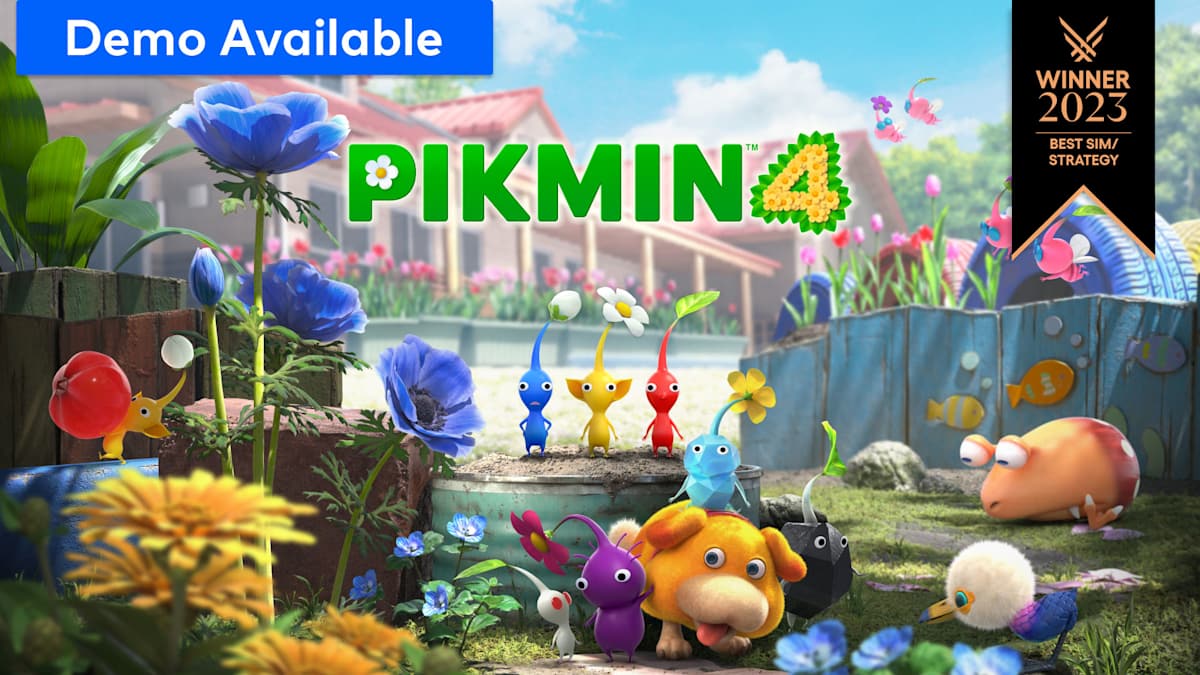
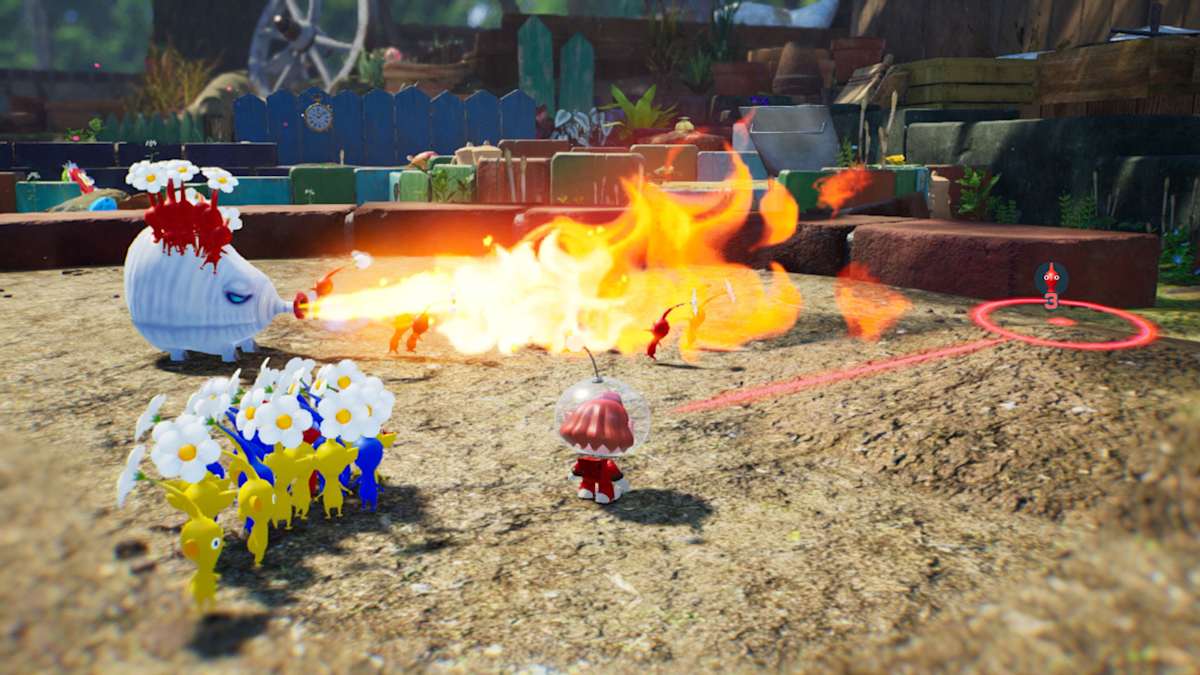
Product images: Nintendo promotional artwork and official screenshots from its Pikmin 4 product page.
Related reading

Planning that has a visible result
Nintendo calls the central idea Dandori: thinking ahead and using time well. Its developer interview explains the balance between keeping that depth and making the controls more approachable. That is the part I find most attractive. A plan should be difficult because there are interesting choices, rather than because the interface refuses to explain itself.
The appeal for me is easy to picture. There is a difference between doing several jobs in any order and noticing that one open route can make every later journey shorter. That second kind of improvement feels earned. I would look to Pikmin for those decisions, rather than for a constant stream of fast reactions.
It is also why I would be careful about calling this a game for switching the brain off. The setting is charming, but managing a group asks for attention. Someone who wants to wander with no responsibilities may find the premise less restful than the pictures suggest. I would choose it for gentle-looking surroundings with decisions inside them, not because colourful creatures guarantee a worry-free evening.
Oatchi gives the plan another moving part
Oatchi, the rescue dog, is more than a friendly face in the artwork. Nintendo describes him as a partner who can be ridden, trained and given work. The developers discuss assigning different jobs to the explorer and Oatchi. I like a companion with a clear role in the system, rather than one who follows the player simply to repeat instructions.
That extra helper changes the buying appeal for me. A useful partner can create a choice between keeping a group together and dividing the work. It becomes possible to think about where help matters most. The interesting question is not only whether a task can be completed, but which part of the plan deserves the strongest support.
I would still learn the basic loop before chasing perfect efficiency. A planning game can lose its appeal if every early mistake feels like a failed exam. My preferred starting point would be to understand what each creature and route allows, then look for improvements. There is no reason for a new player to copy an expert’s fastest solution before discovering what makes the puzzle interesting.
Related reading
A familiar garden seen from below
The third developer interview discusses a lower camera and the work needed to make familiar objects feel large. The team also describes sound changing with perspective. I like that attention to scale. A bench or patch of ground can become an interesting place without needing a new fantasy name for every object.
For me, that gives exploration a different motivation from clearing an icon on a map. I would want to see what an ordinary space looks like from such a small point of view. A household object has a known shape, so its changed scale communicates immediately. That is a good example of art direction making an idea easier to understand.
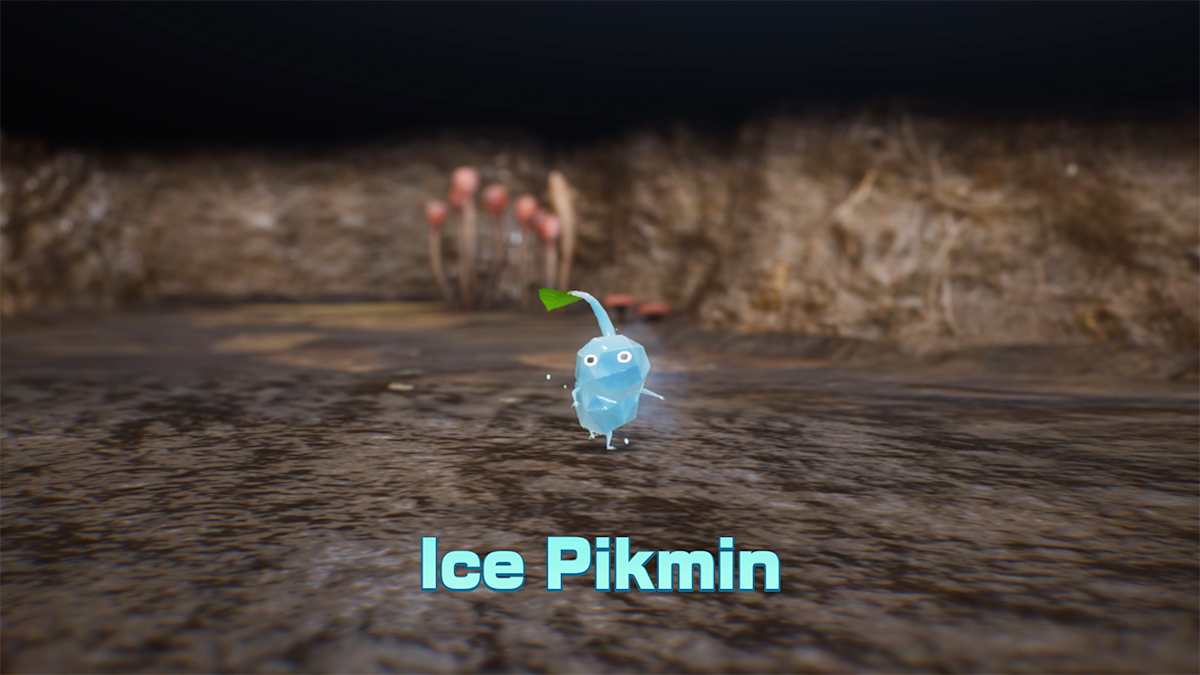
The official images show a strong contrast between small characters and large surroundings. They establish the visual premise, but they do not tell me how comfortable every player will find the camera. That is one reason I would use the free demo before buying. A style that looks wonderful in a still image also needs to suit the person moving through it.
Cute creatures still need protecting
Nintendo’s product page explains that Pikmin must be kept safe at night. The developer discussion is also direct about the possibility of losing them. I think that consequence is an important part of understanding the game. Looking after the group gives a plan meaning; it also means this is not simply a collection of invulnerable little companions.
I would mention that when choosing the game for someone sensitive to creatures getting hurt. There is no need to spoil specific encounters to explain the basic responsibility. A buyer should know whether caring for a group sounds engaging or upsetting. Attractive character design cannot answer that question on their behalf.
The demo is unusually useful here because Nintendo allows its save data to carry into the full game. Trying the early structure can inform the purchase without making the beginning feel entirely separate. I would use that opportunity to judge the movement, instructions and general pace, rather than deciding from an assumed completion time.
Shared play has two different meanings
Story co-op gives the second player a pointer used to help with items and attacks. Dandori Battle offers a separate competitive format. I would make that distinction clear before buying Pikmin 4 as a two-person adventure. Helping from a pointer is a different role from controlling another explorer with a full squad.
Related reading
For a confident player helping a beginner, that arrangement may be welcome. For two people expecting equal exploration roles, it may be the wrong fit. I would compare the actual mode with the intended evening, rather than treating a two-player label as a complete recommendation.
Why it stays on my shortlist
I would consider Pikmin 4 for someone who enjoys noticing a better way to do a small job. The small-scale world gives those jobs character, and Oatchi adds another useful choice to the plan. My reservation is the gap between its welcoming appearance and the attention its group management can require. For the right player, that responsibility is precisely the attraction.
What worked
The developers connect approachable controls with the aim of preserving depth in planning.
Nintendo lets demo save data transfer into the full game, making the first purchase decision easier to judge.
What bothered me
Pikmin can be lost, so the premise may feel upsetting rather than restful for some players. Story co-op is not two explorers with equal control.
Who should not buy it
I would choose something else for a person wanting carefree wandering or a shared campaign built around two equal exploration roles.
Alternatives I would consider
Kirby and the Forgotten Land. I would compare Kirby when transforming and moving through stages sounds more appealing than assigning work to a group. Read my Kirby and the Forgotten Land review.
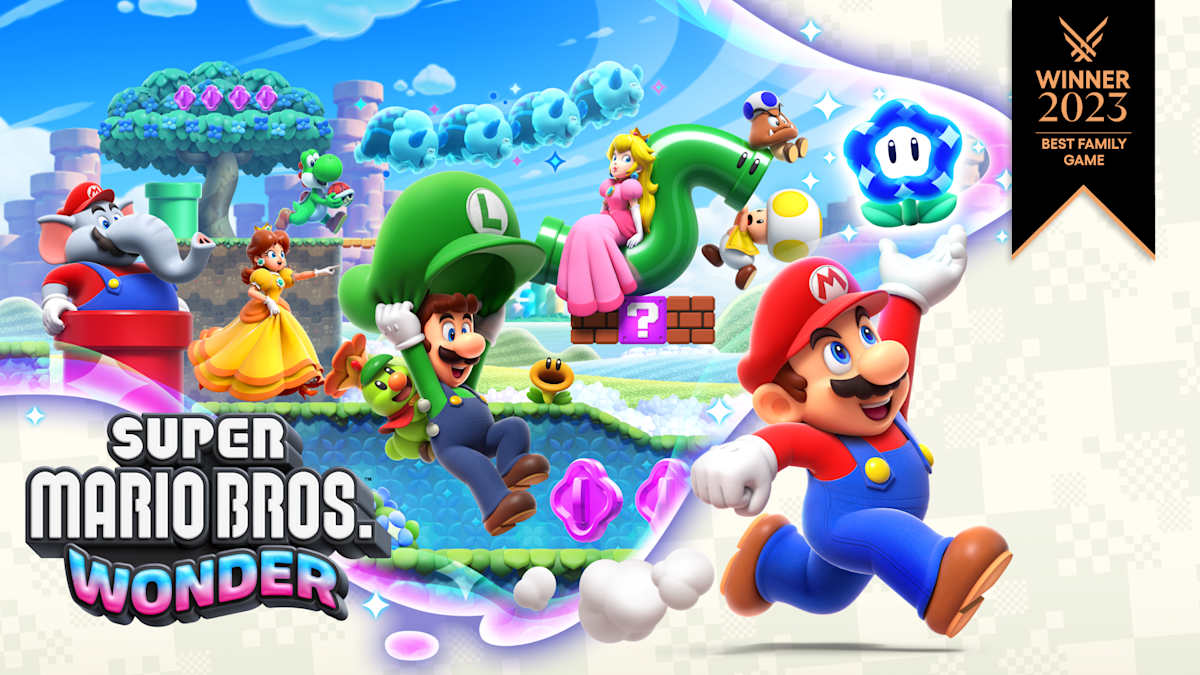
Super Mario Bros. Wonder. I would choose side-scrolling platforming for a group whose shared activity should centre on movement through the same courses. Read my Super Mario Bros. Wonder review.
Evidence and sources
The linked publisher sources explain the game design and edition history. My recommendation is an editorial judgement; product images and edition listings provide the supporting reference material.
Nintendo: original Switch game, demo and release date
Nintendo developer interview: planning and Oatchi
Features, compatibility and rated figures from the maker are manufacturer information. My opinions are identified in the review.
Conclusion
I would consider Pikmin 4 when planning and caring for a group sound appealing. The transferable demo is my preferred first step, particularly if the camera, pace or supporting co-op role could decide the purchase.
Pikmin 4 — original Nintendo Switch physical edition
Amazon US · US
Check price and availability: Pikmin 4 — original Nintendo Switch physical edition at Amazon USAffiliate link. As an Amazon Associate I earn from qualifying purchases.
One email a week with practical Mac workflows, useful comparisons and honest tech recommendations.