The Sony WH-1000XM6 is a pair of headphones I am glad I bought. I like the product, I have enjoyed it, and the appeal is broader than one technical claim about sound. Sony brings listening, noise control and a folding carrying design together in an object that makes sense to me as an everyday accessory.
We bought the black model ourselves. This review includes an affiliate link, which may earn a commission when used for a purchase at no extra cost to you. My positive view comes from enjoying the product, rather than from a free review unit.
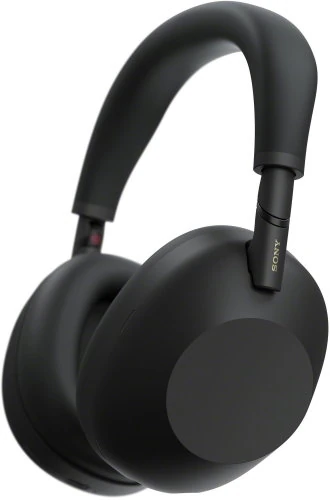
Product images: Sony via Alza.
I like the complete package
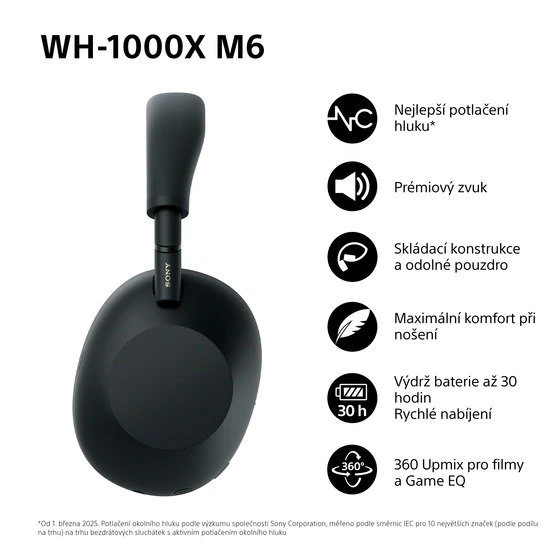
Sony’s WH-1000XM6 product page presents a folding design, a wider headband and multipoint connection, alongside active noise cancellation. The Alza listing also describes a carrying case with a magnetic closure. These are physical and practical parts of the product, not just additions to a sound specification.
That matters to me because headphones spend part of their life off your head. They need a place in a bag, a place on the desk and a way to be put away. A review that only discusses the sound misses part of the purchase. I like an object whose listening role and carrying role both have a clear design.
Related reading

The black finish is also a choice I enjoy. It is restrained enough to fit beside the rest of my equipment without trying to become a fashion statement on its own. A different colour may be more fun for another person. I see that as a normal personal choice, rather than something that needs to be turned into a technical advantage.
The folding shape is especially easy to understand. It gives the headphones a more compact stored form. That does not make every other headphone design wrong, but it is a concrete feature to compare when bag space matters. I prefer changes that have an obvious clear purpose to changes that only make a new model look different in a launch image.
Noise control should help the music
I like active noise cancellation as a way to give listening a more deliberate space. The purpose is not to win a contest over who can claim the quietest world. It is to make the sound you want easier to enjoy in the environment around you. That is a useful feature when it supports the music rather than becoming the only thing the review talks about.
The XM6 also offers ambient sound functions. I appreciate the idea of changing the level of separation instead of making headphones an all-or-nothing choice. Sometimes I want to listen while remaining aware of the room. Sometimes I want more distance from background noise. A useful product gives me clear control over that choice.
Fit remains part of the result. An over-ear headphone has a physical seal and a position on the head. A feature list cannot make those identical for every owner. I would choose the pair that feels right rather than treat an advertised technology name as proof that comfort and noise control have been solved for everyone.
I also keep awareness separate from enjoyment. A pair of headphones does not have to be used in every setting to be a good purchase. There are situations where hearing the surroundings matters more than staying in a playlist. I want a product that fits into a sensible routine, not an argument for ignoring the place I am in.
Sound preferences are personal
I have enjoyed the XM6, and I am comfortable saying that plainly. The appeal for me is the complete listening experience, from choosing music to putting the headphones away at the end of the day. A listening product is partly a relationship between the music, the listener and the way it is used. A positive experience can be described honestly without pretending it is a universal ranking.
The equalizer gives the owner a way to adjust the presentation. I like that flexibility, especially when it can be used once to reach a comfortable preference. I would not turn every listening session into a search for a perfect setting. The point of buying headphones is to enjoy listening, rather than spend the whole time managing the app.
Sony also includes various processing and spatial features. I would treat each as an option to use when it adds something I want. There is no need to leave every switch active to get full value from a purchase. A product can offer a broad menu while the best personal setup remains relatively simple.
The source device matters as well. Wireless audio features depend on what both sides of the connection support. A codec printed in a specification list does not mean every phone, computer and app uses it. I prefer a setup built around my actual devices to an imaginary best-case system assembled from unrelated feature lists.
Related reading

Switching devices should reduce work
Multipoint has a clear everyday appeal: one pair of headphones can belong to a phone and a computer without every change becoming a pairing exercise. I like that goal because it recognises how people actually divide their attention. The useful state is the sound coming from the device intended for the task, with as little manual work as possible.
That is different from connecting the headphones to every device in the house. A long list of remembered pairings can make a simple product harder to understand. I would keep the active arrangement deliberate and remove connections that no longer have a purpose. A little restraint can make the technology feel calmer.
Calls have their own priorities. A useful microphone system and clear controls are important when headphones move from music to communication. Someone whose whole day is built around calls should consider that role directly, rather than assume a premium music headphone automatically replaces every specialist headset. The correct purchase follows the main job.
For a mixed day, I like the idea of one enjoyable object covering several ordinary needs. That is where the XM6’s broad design makes sense to me. It is not trying to be a studio monitoring system and an office telephone at the same time. It is a consumer headphone with a set of practical ways to join the devices already in a bag.

The case is worth thinking about
A good carrying routine protects the product and makes it easier to keep together. I like the folding idea because it acknowledges that headphones need to fit somewhere between listening sessions. The case should have a defined home in the bag, rather than become a loose object moved around each time something else is packed.
The hinge adds a moving part, so I would fold the headphones as intended rather than force them into an improvised shape. That is ordinary care, not a reason to be afraid of the design. A product meant to move should be allowed to move in the way its maker designed it. The case gives that movement a useful destination.
Charging and cables belong in the same plan. A pair with a generous advertised battery still needs a reliable way to be topped up. I prefer knowing where the cable is to relying on a maximum figure as a promise that charging will never interrupt the day. The practical setup is part of what makes the whole product enjoyable.
The same is true of the audio cable. If wired use matters to you, check the intended connection and what your source device needs. A port on the headphones does not make every modern phone provide the other end automatically. Including the necessary adapter in the bag is more useful than discovering it is missing when wireless use is not the right option.
Beside the XM5 and XM4C
I also like the XM5 and the XM4C. Enjoying the XM6 does not require me to invent a negative story about the others. They are separate buying choices with different prices and design details. The best one for another person depends on the actual offer and the way the headphones will be carried and used.
The XM6 is the one I would look at when its current design and folding arrangement are the features I want. I would give a discounted XM5 serious attention when its stored shape fits the bag. I would compare the exact XM4C listing rather than silently treat it as the older XM4, because model names should stay attached to the products being discussed.
Related reading

I would not replace a good pair only to own the newest name. A working headphone that fits well and makes music enjoyable already has a strong claim on its place. An upgrade should remove a real annoyance or add a feature with a clear use. Otherwise the better decision may be keeping the money and continuing to enjoy the music.
My verdict
The WH-1000XM6 has been a great purchase for me. I like the complete idea: enjoyable listening, useful control over outside sound and a physical design that includes being put away. It is a product I am happy to recommend when the fit and price make sense for the buyer.
I would try the shape, consider the carrying case and compare it with the alternatives at their current prices. The XM6 does not need a universal best-headphone title to make a strong case. For me, it succeeds as a pair I enjoy having and want to keep using.
Check the Sony WH-1000XM6 affiliate offer or the exact black version at Alza. The right purchase is the complete arrangement that fits you, not merely the newest model number.
Where to buy
See the black Sony WH-1000XM6 on Amazon — affiliate link. I may earn a commission from qualifying purchases, at no extra cost to you. Check the colour, seller and included accessories before ordering. This link is for the black model discussed here, so compare that exact version when you check the current price and delivery options.
One email a month: new articles, reviews and the upcoming live webinar + free recording. No spam, unsubscribe anytime.