The Sony WH-1000XM4 is worth considering for its particular design, not because an older flagship must always be the best bargain. A folding headset can be appealing in a travel bag, and a familiar set of controls may suit someone who simply wants quiet listening between work and a journey. The decision still needs a current price comparison and a real comfort check on your own head.
This is a research-based review of the Sony WH-1000XM4. I have not worn a sample, compared its noise cancellation with newer headphones or measured battery life. Claims about the product below come from the documented listing. The practical assessment explains how I would judge the exact ASIN B0863TXGM3 without pretending that a specification is a listening test.

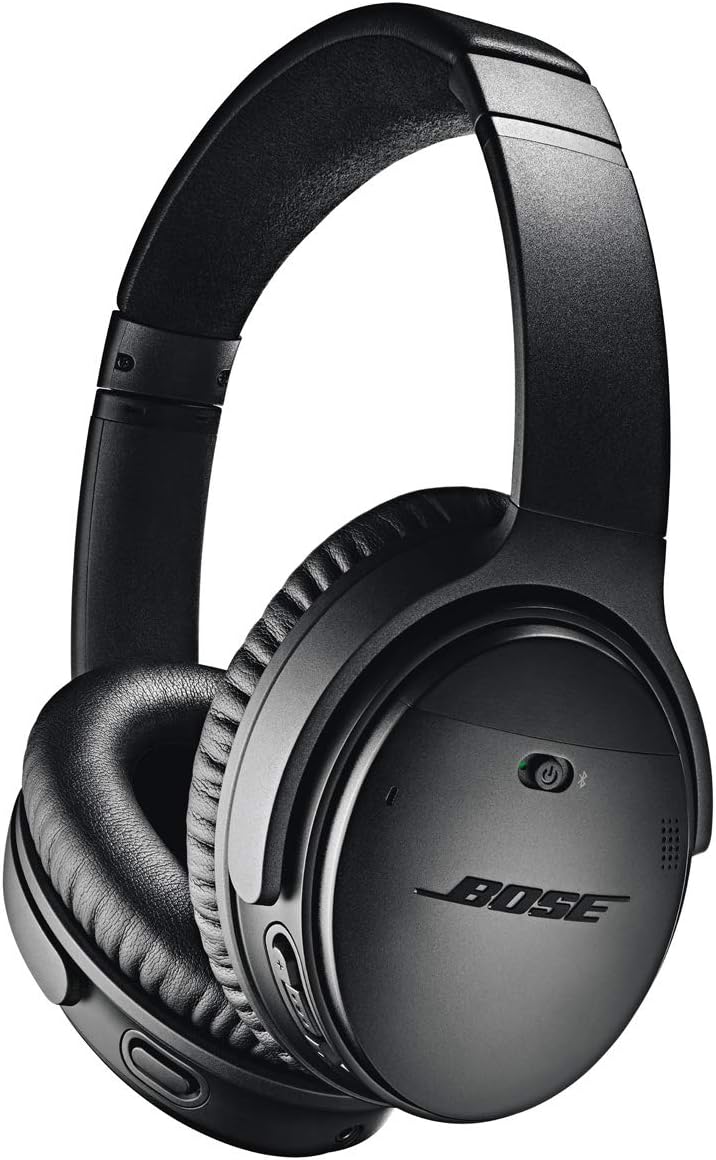
Product image: Sony product photography from the Amazon listing.
What the listing establishes
Sony lists active noise cancellation, multipoint connection, touch controls, wearing detection and Speak-to-Chat. It advertises up to thirty hours of battery life and a short-charge example of ten minutes for five hours of playback. These are supplier claims under their conditions. They do not establish comfort during your working day, microphone quality in your room or a measured advantage over a newer headset. Source: Sony WH-1000XM4 listing.
Related reading

I would put the purchase in a practical order. First decide where the headphones will be used. Then check fit, controls and the devices they must connect to. After that, compare the price with suitable alternatives. This is more useful than starting with a claim that a past premium product remains a universal reference. A headset that suits one traveler may be inconvenient for another person’s desk.
The exact model matters because Sony’s names are similar across generations. Save the ASIN, selected condition and seller before ordering. If a listing offers used or refurbished units, read that option’s terms rather than assuming it includes the same accessories and condition as new stock. An older product can be a sensible purchase, but the condition of the particular item belongs in the value judgment.
Travel begins with the bag
For a travel headset, place the case you expect to carry beside the other items in your bag. Think about where the headphones will go when you need a passport or laptop. A folding design is useful only if it improves that real arrangement. I would not trade comfortable fit for a theoretical packing advantage, but I would compare the whole case rather than the headphones sitting open on a table.
Keep the cable or adapter required for the journey with the headphones. If you want to connect to an aircraft entertainment system, confirm the relevant connection before leaving and check what is actually supplied with the item. Airlines and seats vary. A familiar accessory from an old review should not be assumed to appear in every current package, especially when buying a used unit.
Make a simple storage habit when moving between transport and a desk. Put the headset in its case rather than dropping it beneath a seat or leaving it balanced on a laptop. That is ordinary care rather than a claim that this model has a specific weakness. Travel equipment lives longer in practice when packing and unpacking are easy enough that you actually do them.
Comfort needs an ordinary session
I would try the headphones for the length of a normal work or listening session while a return remains possible. Wear the same glasses you use every day and sit in your normal room. Notice pressure around the ears and headband, how often you readjust the cups and whether heat becomes distracting. A supplier comfort claim cannot answer those questions for a particular person.
Check the fit while moving your head as you normally would. A headset can feel pleasant when sitting still and less secure when you reach for a bag. Adjust the headband carefully and follow the handling instructions. If comfort depends on keeping your head in one unusual position, the product is probably not the right fit. There is no need to prove loyalty to a popular model by tolerating persistent discomfort.
Take breaks rather than treating a long advertised battery life as an instruction to wear headphones continuously. A pause also helps you judge whether the fit is tiring. For a shared room, agree on how others can get your attention. Noise reduction is convenient, but being reachable can matter just as much during a working day. The best setup supports both concentration and ordinary household communication.
Related reading
Test noise control at a sensible volume
Choose familiar material and start at a comfortable level. Then compare the available noise-control settings in the environment where you need them. A quiet room cannot establish how well a headset suits a train or a busy office. I have not made that comparison here, so I would leave the final judgment to a real trial rather than claim that the XM4 defeats a category of competitors.
Avoid compensating for a noisy environment by continually raising the volume. If the setup does not make speech easy enough to follow at a comfortable level, reconsider the situation. Fit and the chosen mode may need attention, or another product may suit the job better. An expensive headphone should not encourage an uncomfortable listening habit simply because you want the purchase to feel justified.
If outside awareness matters, learn the available controls while stationary. Check how easily you can pause or change modes without looking. Do not assume a feature marketed for conversation replaces checking your surroundings. The practical aim is to use the headphones predictably, with a quick way to stop listening when the situation requires attention elsewhere.
Give multipoint a realistic test
If you use a phone and a Mac, test the exact handover you expect. Play audio on the computer, receive a noncritical call and observe which device takes priority. Then return to the computer. This is more useful than confirming that two device names appear in a Bluetooth menu. A working pairing record is different from a handover that feels natural during your day.
Keep a simple baseline when troubleshooting. First confirm stable listening with one device. Then add the second and check the current instructions for multipoint setup. If behavior changes, you know where to look. Adding several devices immediately can create confusion about which one is holding the audio connection. The product’s convenience features should reduce the time spent in menus, not turn audio into another maintenance project.
Name the headset clearly in each device’s Bluetooth settings where supported. If a household has several Sony headphones, distinct names prevent unnecessary reconnection attempts. Also check the audio output chosen by your meeting application. A computer can remember several sound devices, and the headset being connected does not prove that a particular app has selected it for the call you are about to join.
Calls deserve their own acceptance check
Record your voice in the room where you work and make a short test call. Include the ordinary background sounds, such as typing or a nearby fan. Ask whether words remain understandable, not whether the recording sounds like a studio. I have not recorded the WH-1000XM4 here, and the listing’s microphone claims cannot substitute for this check on your actual computer and app.
If speech sounds poor, confirm the selected microphone before changing everything else. A laptop may still be using its own input. Compare the headset and laptop microphone deliberately, using the same short sentence. For important meetings, choose the option that performs best in your room rather than assuming the headphones must handle both jobs. A good listening device can still be paired with a separate microphone.
Try Speak-to-Chat and wearing detection separately if they are relevant to you. Convenient automatic actions can be distracting when they trigger at the wrong moment for your habits. Learn the current controls and disable an optional behavior if it does not help. There is no need to use every feature to receive value from the product. The useful configuration is the one that stays predictable.
Related reading

Battery and older-stock questions
Treat the advertised maximum as a reference rather than a personal result. Charge according to Sony’s instructions and observe a few normal sessions. Your listening mode, calls and volume may differ from the supplier’s conditions. For a used unit, pay particular attention to the condition described by the seller and the return terms. I would not infer the remaining battery life from the model’s original specification.
Inspect the delivered pads, headband, hinges and included accessories while checking the purchase. If replacement parts are important to long-term ownership, confirm current official guidance before buying. Do not turn reports about another person’s well-used headset into a promise that your unit will last the same number of years. Condition and care vary, especially when a popular older model has many different sellers.
My assessment
I would consider the WH-1000XM4 when the folding design, documented features and current complete offer fit a real travel or work need. I would compare comfort and actual calls before keeping it. I would not recommend it simply as the cheapest path to a famous flagship name, and I would not claim a victory over newer headphones without a controlled comparison. Good value has to be established for the particular offer.
Check the exact item through my Sony WH-1000XM4 Amazon link. This is an affiliate link. As an Amazon Associate I earn from qualifying purchases. This assessment is based on documented product information, rather than a hands-on retest.
One email a month: new articles, reviews and the upcoming live webinar + free recording. No spam, unsubscribe anytime.