The Sennheiser HD 650 interests me as a deliberate listening purchase. I would not choose it because I need one object to cover a commute, a conference call and a quiet evening album. I would choose it because I want a wired open headphone with a clear place in a home system, and I am willing to consider the room and source as part of that choice.
Quick verdict
I would shortlist the HD 650 for a quiet listening system where the room and source have been considered together.
Best for: A listener choosing an open wired headphone for a quiet home desk or listening chair.
Main benefit: The open listening role and modular replacement parts make a clear long-term system choice.
Biggest drawback: Room sound and leakage remain important, while the source connection deserves more attention than a simple plug-size check.
Sennheiser HD 650, open dynamic wired headphone
Amazon US · US
Check price and availability: Sennheiser HD 650, open dynamic wired headphone at Amazon USAffiliate link. As an Amazon Associate I earn from qualifying purchases.
Reviewed version: Sennheiser HD 650, open dynamic wired headphone
Compatibility: A suitable analogue headphone output. Sennheiser specifies 300 ohms and a detachable 3 m cable with a 6.35 mm plug and 3.5 mm adapter. No Bluetooth or integrated microphone.
Review context: I assess a quiet home listening system, source headroom, cable connections, fit and replacement parts.
I like that focused proposition. It makes the buying conversation more useful than asking whether a long-established headphone is automatically better than a new wireless model. The right question is whether this kind of listening arrangement is the one I actually want. If the answer is yes, the HD 650 deserves a careful comparison rather than a purchase based only on its reputation.
Related reading

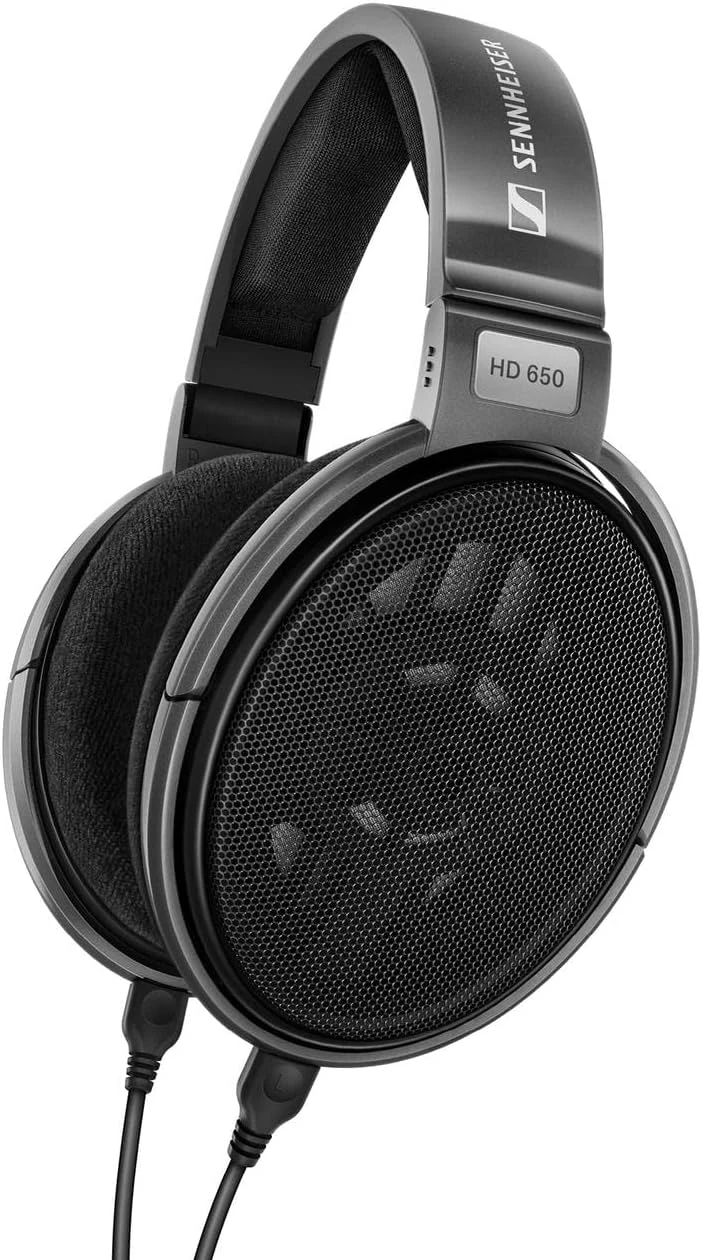
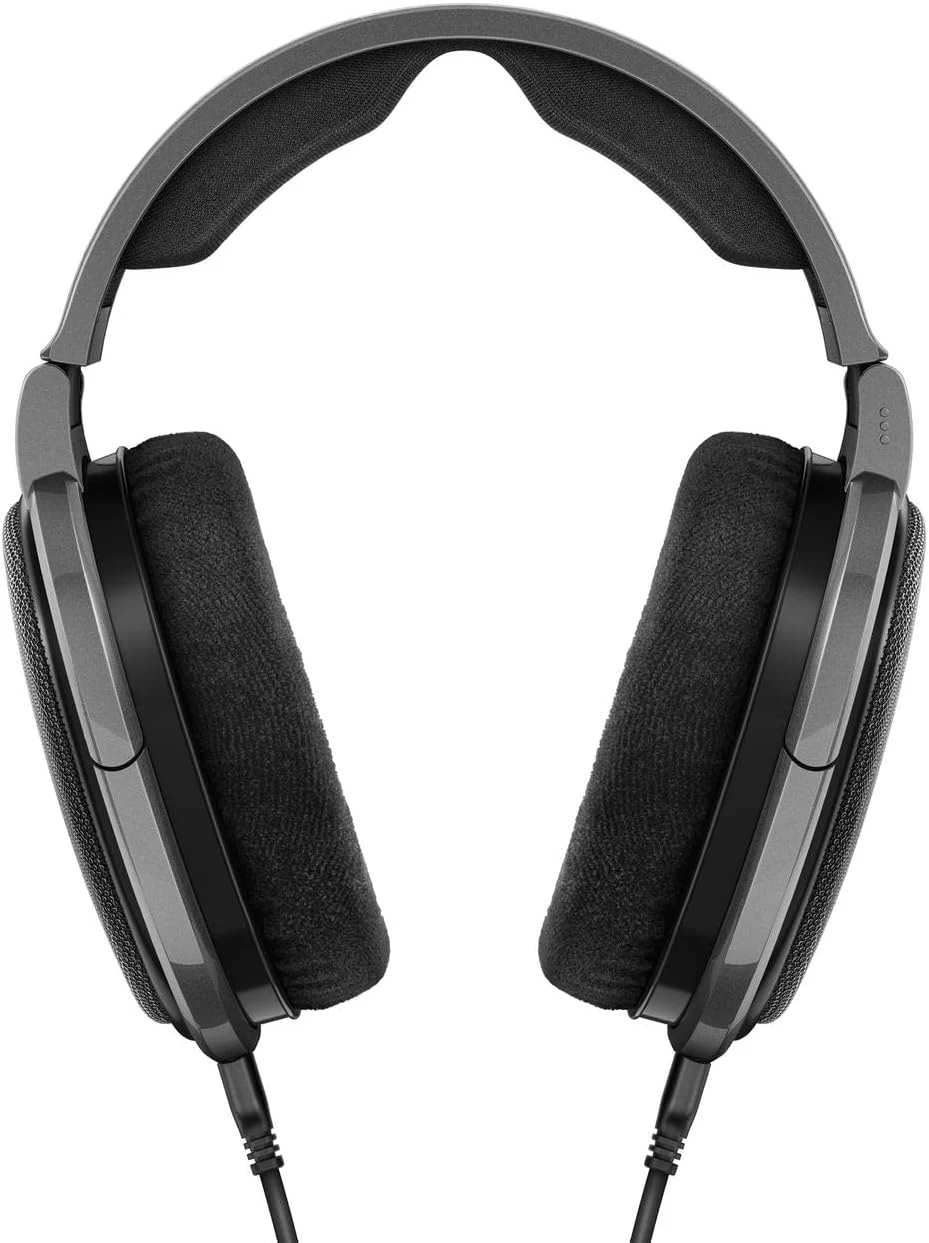
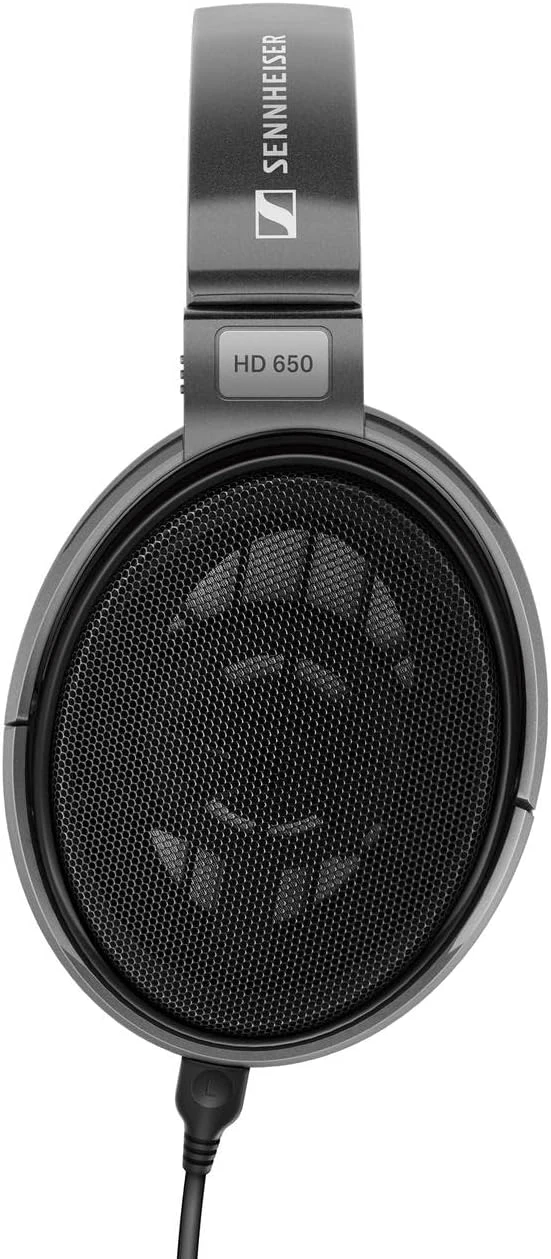
Product photographs are from the selected retailer gallery. They show the HD 650 itself and are not personal listening-test photographs.
Start with a quiet place
Sennheiser identifies the HD 650 as an open dynamic headphone in its official product information. I would organise the listening location around that fact. An open design is not trying to separate the listener from the room in the same way as a closed shell or an active noise-cancelling travel headset.
I would also consider anyone nearby. Programme sound can escape, while room noise remains a distraction. That makes a shared bedroom or a busy kitchen a poor starting point for this purchase. Choosing a quieter location is more sensible than expecting the headphone to remove conditions its design was never intended to solve.
Reputation should lead to a comparison
Sennheiser describes this model as a high-fidelity listening headphone. I treat the maker’s sound descriptions as its positioning, not as my own listening result. I would compare familiar material at a comfortable, matched level and decide which presentation helps me enjoy the recording without constantly thinking about the equipment.
That comparison needs time and a clear purpose. Voices, a favourite acoustic recording and a dense arrangement can raise different questions for a listener. I would resist deciding from one dramatic passage or from the loudest option. The useful outcome is a preference that still makes sense when the novelty of a new purchase has worn off.
The source is part of the system
The official specifications list a nominal impedance of 300 ohms. That is manufacturer information, not a measurement from my desk. I would use it as a reason to check the intended headphone output properly, rather than assume that fitting a small adapter proves every phone, laptop or interface will provide the same useful headroom.
Related reading

I would not automatically buy an expensive amplifier without checking the whole arrangement. The practical aim is a clean, comfortable listening level with room for the material I play. If another source device is needed, its cost belongs in the original decision. A headphone can be attractive on its own and still be the wrong system purchase for a particular budget.
The supplied connection deserves a look
The instruction manual describes a detachable cable with a large stereo plug and a smaller adapter. I would check the exact package and route the lead to suit a desk or listening chair. A long cable is convenient when its spare length has somewhere safe to rest.
For a replacement, I would choose a lead specified for the headphone and the intended source. A different connector or an expensive description does not automatically improve the result. I would keep attention on fit, correct wiring and ordinary strain relief, rather than turn a straightforward listening system into an accessory collection before the headphone has earned its place.
Replaceable parts make the long view interesting
Sennheiser describes the HD 650 as modular and lists replacement cables and pads. I find that a convincing practical benefit. Parts touching the head wear over time, and the ability to renew them is useful for a product intended to stay in regular service. I would check the exact part and current availability when making the purchase.
That does not make comfort universal. I would pay attention to ear clearance, headband pressure and the fit around glasses during a proper fitting opportunity. A familiar shape or a favourable description cannot decide those questions for every head. The right long-term purchase needs both a suitable listening role and a fit the individual is happy to return to.
Related reading

When I would take another direction
For another open setup, I would compare the AKG K702 while keeping the complete source and fit arrangement visible. For recording or a room needing more separation, I would look at a closed design such as the DT 700 PRO X. Neither comparison should begin with the assumption that a higher number settles the choice.
My verdict is positive for a listener building that quiet home system on purpose. I like the HD 650’s clear role and the availability of wearing parts. I would buy the exact model when the source, fit and total budget make sense together, then focus on the music. For travel, calls or a noisy shared environment, I would choose the design that solves those requirements first.
What worked
The open listening role and modular replacement parts make a clear long-term system choice.
What bothered me
Room sound and leakage remain important, while the source connection deserves more attention than a simple plug-size check.
Who should not buy it
I would pass for commuting, a noisy shared room, private bedside listening or a one-piece wireless call headset.
Alternatives I would consider
AKG K702. I would compare it for another open listening arrangement, including its fit and complete source requirements. Read my AKG K702 review.
beyerdynamic DT 700 PRO X. I would choose a closed design when recording or room separation is the more useful priority. Read my beyerdynamic DT 700 PRO X review.
Evidence and sources
Product details are attributed to the linked documentation. The photographs and credited technical illustrations show the selected product; they are not personal test photographs.
Features, compatibility and rated figures from the maker are manufacturer information. My opinions are identified in the review.
Conclusion
Worth considering when the complete system fits the budget; I would include any necessary source device and replacement parts in that judgement.
Sennheiser HD 650, open dynamic wired headphone
Amazon US · US
Check price and availability: Sennheiser HD 650, open dynamic wired headphone at Amazon USAffiliate link. As an Amazon Associate I earn from qualifying purchases.
One email a week with practical Mac workflows, useful comparisons and honest tech recommendations.