I like a headphone that makes its intended place clear. The AKG K702 belongs on a quiet desk, where a cable is easy to manage and an open earcup can be a useful choice. That focus appeals to me more than a long list of travel features. I would consider it for music, editing and careful listening when the room is already doing its part.
Quick verdict
I would shortlist the K702 for a quiet desk where an open headphone is a deliberate choice.
Best for: Private listening or editing in a quiet room, with room for a full-size wired headphone.
Main benefit: The open design, replaceable cable and replaceable pads make a clear, maintainable desk system.
Biggest drawback: An open earcup offers little separation from the room and lets other people hear the programme.
AKG K702, black, model 2458X00190
Amazon US · US
Check price and availability: AKG K702, black, model 2458X00190 at Amazon USAffiliate link. As an Amazon Associate I earn from qualifying purchases.
Reviewed version: AKG K702, black, model 2458X00190
Compatibility: A suitable analogue headphone output; AKG specifies 62 ohms, a detachable mini XLR cable and a 3.5 mm plug with 6.3 mm adapter. No Bluetooth, microphone or active noise cancellation.
Review context: I assess a quiet home listening desk, shared-room limits, source connection and replaceable parts.
The important purchase decision begins outside the headphone. A shared room, a noisy street or an open microphone can make an open design the wrong tool. I would settle those conditions before becoming interested in the studio name or a technical specification. A product is easier to appreciate when I give it the job it was designed to do.
Related reading
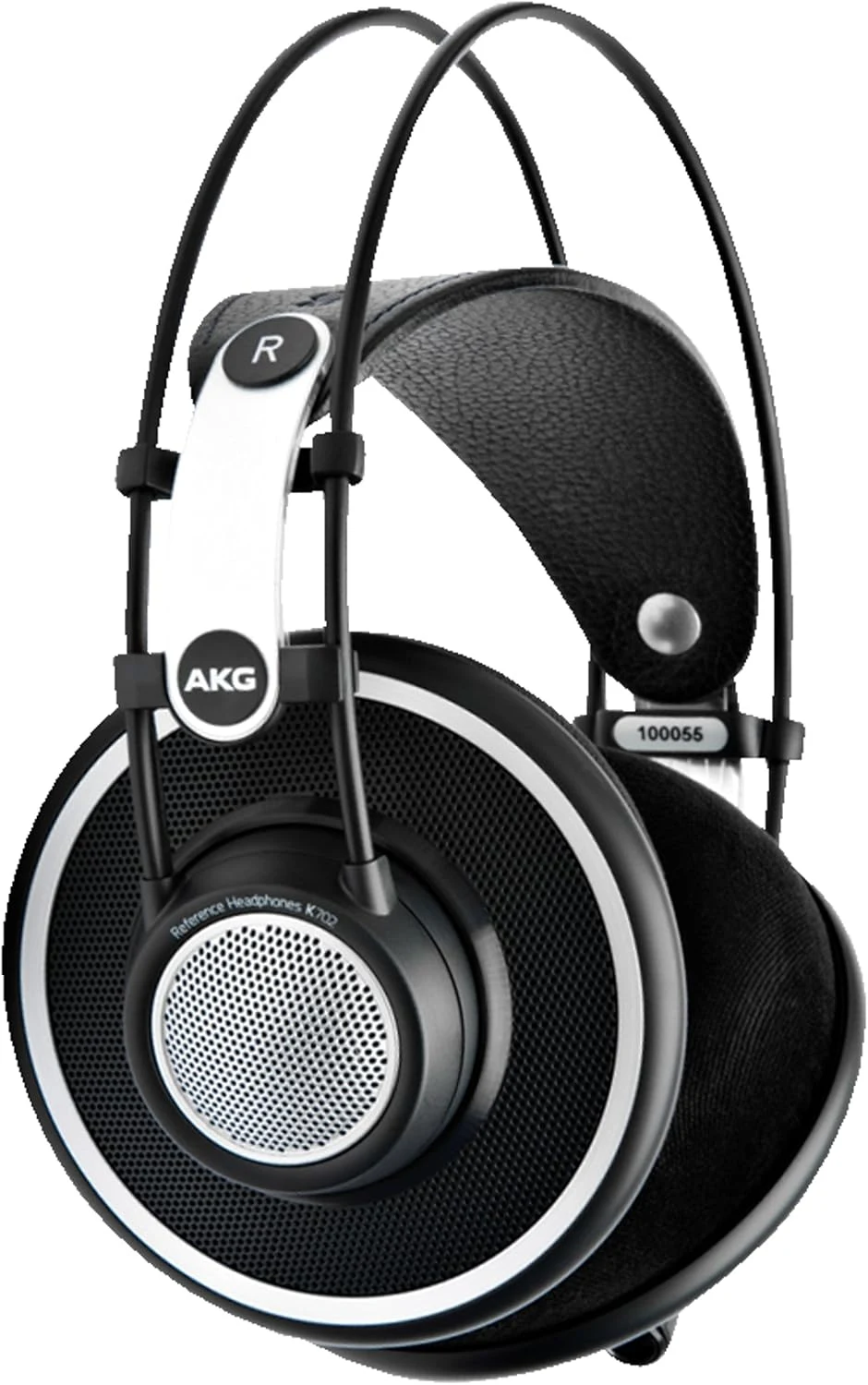
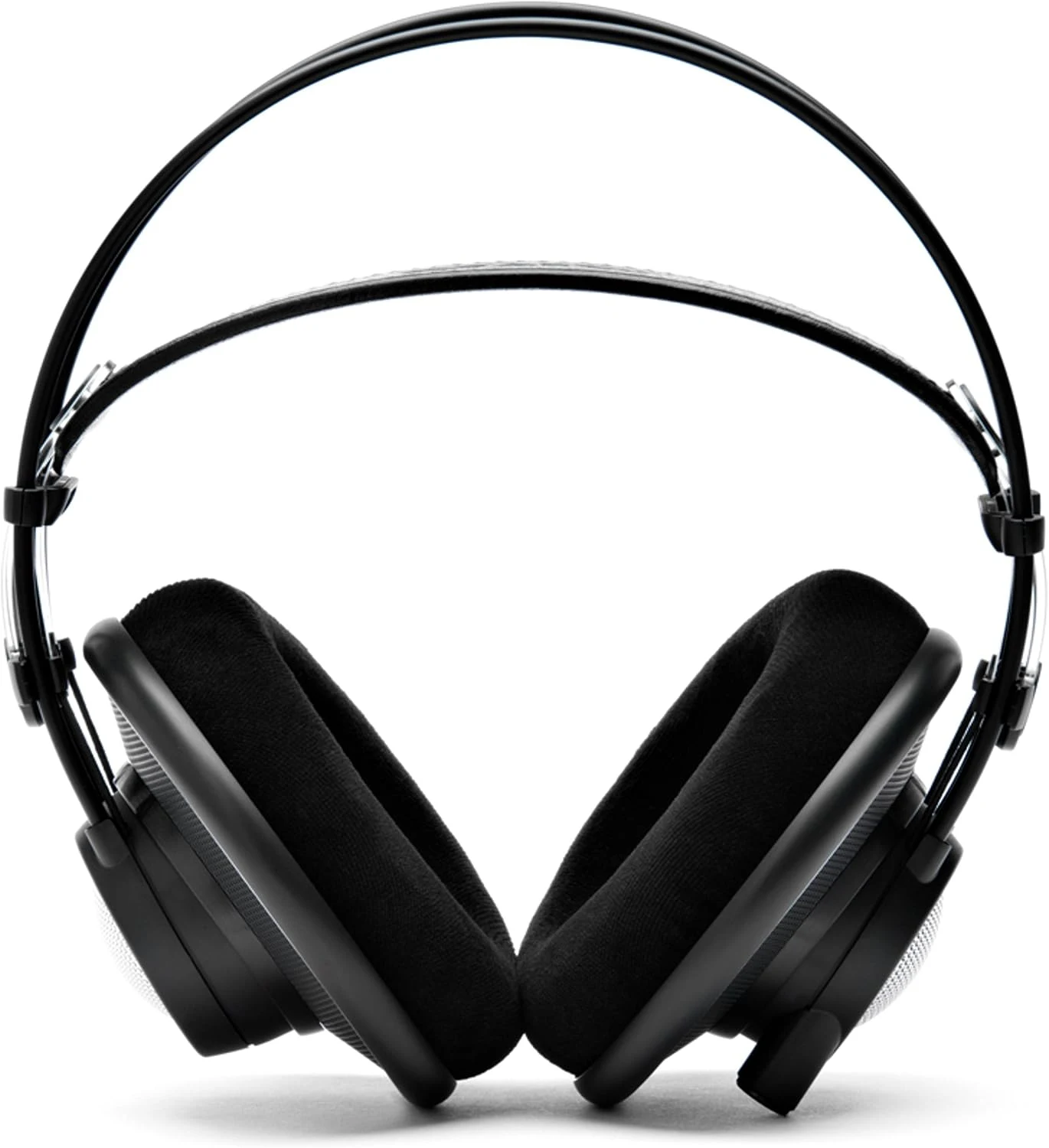
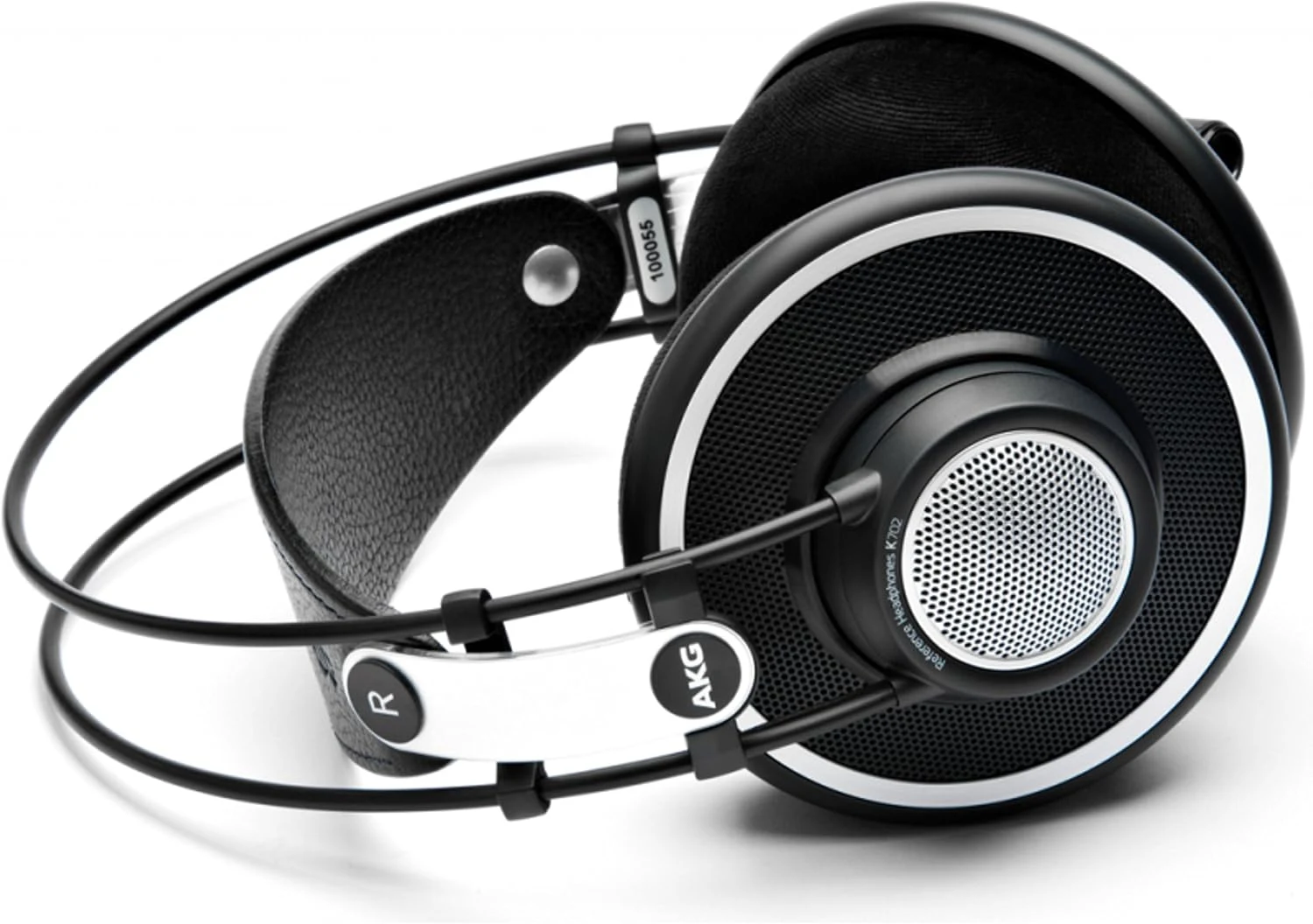
Product images come from the selected retailer gallery. They show the K702 itself and are not personal listening-test photographs.
The open back changes the room relationship
AKG describes the K702 as an open, over-ear headphone in its official product information. That is the feature I would organise the whole setup around. The outside of the earcup is not trying to form the same barrier as a closed shell, so the surrounding room remains part of the experience.
For my buying decision, that means choosing a space where ordinary background noise is already low. I would also think about the person sitting nearby. Open headphones can let sound escape, which makes them a poor way to keep a late-night programme private in a shared bedroom. Turning up the volume does not solve either problem responsibly.
A reference label is a starting point
AKG positions this model for precision listening, mixing and mastering. I treat that as the manufacturer’s intended role, rather than a promise that every listener will prefer its tonal balance. I would compare a familiar recording at a comfortable level and keep the source and volume consistent when judging another headphone.
That comparison should include the purpose of the work. Following an edit, checking a spoken recording and enjoying an album are different tasks. I would want a headphone that lets me make useful decisions without constantly thinking about the equipment. The studio description gives me a reason to investigate, but it cannot make that personal choice on my behalf.
The cable is part of the desk
The AKG specification sheet describes a detachable cable, a small stereo plug and a larger adapter. The product page identifies the earcup connector as mini XLR. I like the possibility of replacing a worn lead instead of treating one cable fault as the end of the headphone.
Related reading

I would still check the connector before ordering a spare. A plug that resembles another headphone cable does not prove the wiring or mechanical fit is right. At the desk, I would route the lead away from a chair wheel and leave enough slack to turn towards a second screen. A long cable is useful only when its extra length has somewhere sensible to go.
Check the output before buying an amplifier
AKG lists a nominal impedance of 62 ohms. That manufacturer figure is useful information, but it is not a complete answer about the loudness or headroom of every source. I would check the actual headphone output I intend to use, including its connector and whether it can reach a comfortable level cleanly with the material I normally play.
I would not automatically add an amplifier just because the headphone looks professional. Equally, I would not assume every laptop, interface or small adapter behaves identically. The useful question is whether the complete system does the job. If another box is needed, its cost, cable and place on the desk belong in the purchase decision from the beginning.
Comfort deserves its own judgement
The large pads and suspended headband are visible features of the design. AKG describes shaped foam pads and a leather headband, and lists replacement pads among the available parts. I find the maintenance angle appealing. Pads wear, and a headphone used regularly should have a realistic route back to a comfortable fit.
Comfort itself still depends on the person. I would pay attention to headband pressure, ear clearance and glasses during a proper fitting opportunity. A low published weight or a soft-looking pad cannot settle those questions from a photograph. I would also keep the headphone on a suitable stand rather than leave the cable and pads under other equipment.
Related reading

Where I would choose a different tool
For recording beside a microphone or keeping more separation from a room, I would look at the beyerdynamic DT 700 PRO X. For another quiet listening arrangement, I would compare the Sennheiser HD 650 and its source requirements. I would choose by the complete use case rather than assume the higher specification number wins.
My verdict is positive for that defined desk role. I like the K702’s straightforward open design and the attention to replaceable wearing parts. I would buy the exact model when the room, connection and fit are suitable, then spend more attention on the music or recording than on collecting accessories. When isolation or portability is the main problem, I would choose a different design.
What worked
The open design, replaceable cable and replaceable pads make a clear, maintainable desk system.
What bothered me
An open earcup offers little separation from the room and lets other people hear the programme.
Who should not buy it
I would pass for commuting, vocal recording beside a live microphone, or a shared room where sound leakage would bother someone.
Alternatives I would consider
beyerdynamic DT 700 PRO X. I would choose its closed design for a recording or shared-room role. Read my beyerdynamic DT 700 PRO X review.
Sennheiser HD 650. I would compare it for another open listening system, including its different connection and source requirements. Read my Sennheiser HD 650 review.
Evidence and sources
Product details are attributed to the linked documentation. The photographs and credited technical illustrations show the selected product; they are not personal test photographs.
Features, compatibility and rated figures from the maker are manufacturer information. My opinions are identified in the review.
Conclusion
Worth considering when the room and source suit it; a closed headphone is better value when isolation is the real need.
AKG K702, black, model 2458X00190
Amazon US · US
Check price and availability: AKG K702, black, model 2458X00190 at Amazon USAffiliate link. As an Amazon Associate I earn from qualifying purchases.
One email a week with practical Mac workflows, useful comparisons and honest tech recommendations.