A good microSD purchase begins with the device, not the card’s most exciting number. I would consider the SanDisk Extreme PRO 128GB when the camera or small computer can use its documented class and capacity. I like the idea of giving storage enough headroom for the job. I do not like paying for a headline transfer speed that the reader, host or workflow cannot reach.
Quick verdict
I would shortlist it for the focused role described here.
Best for: A device explicitly supporting this 128GB microSDXC revision and required class.
Main benefit: The card offers a documented performance class for a supported camera or small-computer role.
Biggest drawback: The host and reader can limit performance, and newer Extreme PRO revisions do not establish this card's maximum speed.
SanDisk Extreme PRO microSDXC 128GB with adapter, SDSQXCY-128G-GN6MA
Amazon US · US
Check price and availability: SanDisk Extreme PRO microSDXC 128GB with adapter, SDSQXCY-128G-GN6MA at Amazon USAffiliate link. As an Amazon Associate I earn from qualifying purchases.
Reviewed version: SanDisk Extreme PRO microSDXC 128GB with adapter, SDSQXCY-128G-GN6MA
Compatibility: 128GB microSDXC support and the exact recording or application class required by the host. The selected SDSQXCY revision is distinct from later cards sharing the family name.
Review context: I assess camera class, small-file workloads, reader limits and keeping a rebuildable or backed-up setup.
The exact listing here identifies a 128GB SDSQXCY variant. SanDisk has sold different revisions under the Extreme PRO name, so I would keep that identity beside the comparison. A current family page can describe another generation’s maximum speed. That is useful background, but it should not quietly rewrite the specifications of the card actually being ordered.
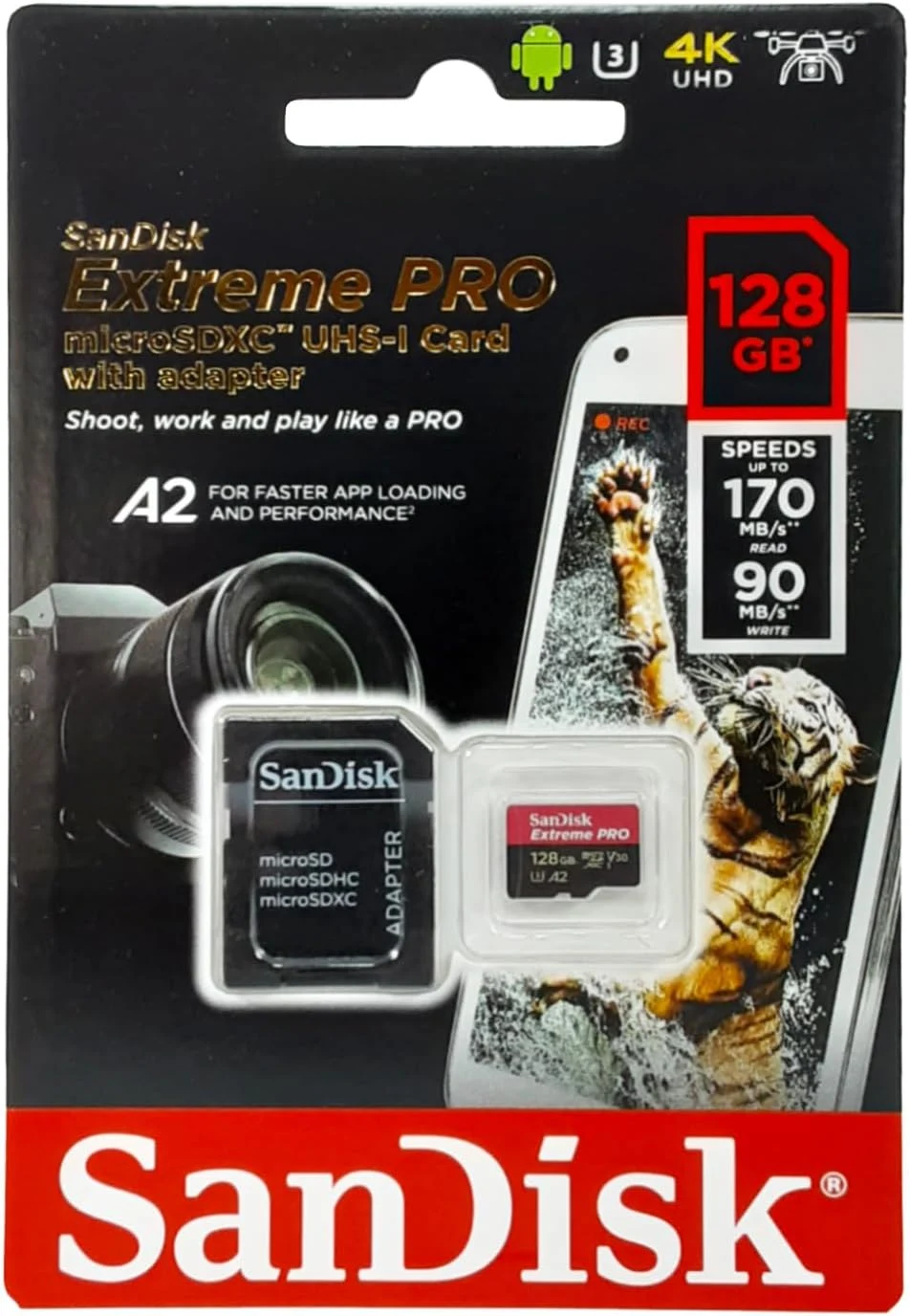
Read the symbols as different promises
Product images: the verified retailer gallery and any original manufacturer illustration credited in the sources. These are not personal test photographs.
Related reading

SanDisk’s Extreme PRO documentation separates the card’s physical format, video class, application class and maximum transfer figures. I would treat these as answers to different questions. The fastest read figure is not a substitute for checking the recording class a camera requires.
For a camera, I would match the exact recording mode against the maker’s supported-card guidance. Resolution alone is not enough, because different frame rates and compression settings can ask for different writing behaviour. A card can be suitable for one mode and the wrong choice for another without either product being faulty.
The physical format matters too. A microSD card in a full-size adapter does not become a different storage technology. The adapter changes the shape of the connection. I would check its condition and the host’s support rather than assume it adds performance. For a full-size camera slot, a suitable full-size SD card may be simpler to handle.
A small computer is a different workload
I can see the appeal of this card in a Raspberry Pi or another supported small computer. The storage is compact and easy to replace, which makes experimenting with system images approachable. I would choose the image and card capacity deliberately, then keep the configuration somewhere outside the card so rebuilding the machine remains possible.
An application rating is relevant background for small-file activity, but it does not establish the speed of an entire computer. The host controller, driver, file system and software workload all matter. I would not turn a card symbol into a claim about my own compilation time or how quickly a container starts.
For a machine writing logs or a database continuously, I would also compare a more suitable storage arrangement. A supported external SSD can be worth the extra cable and power planning. A microSD card is convenient, but convenience at installation does not automatically make it the best home for every constantly changing service.
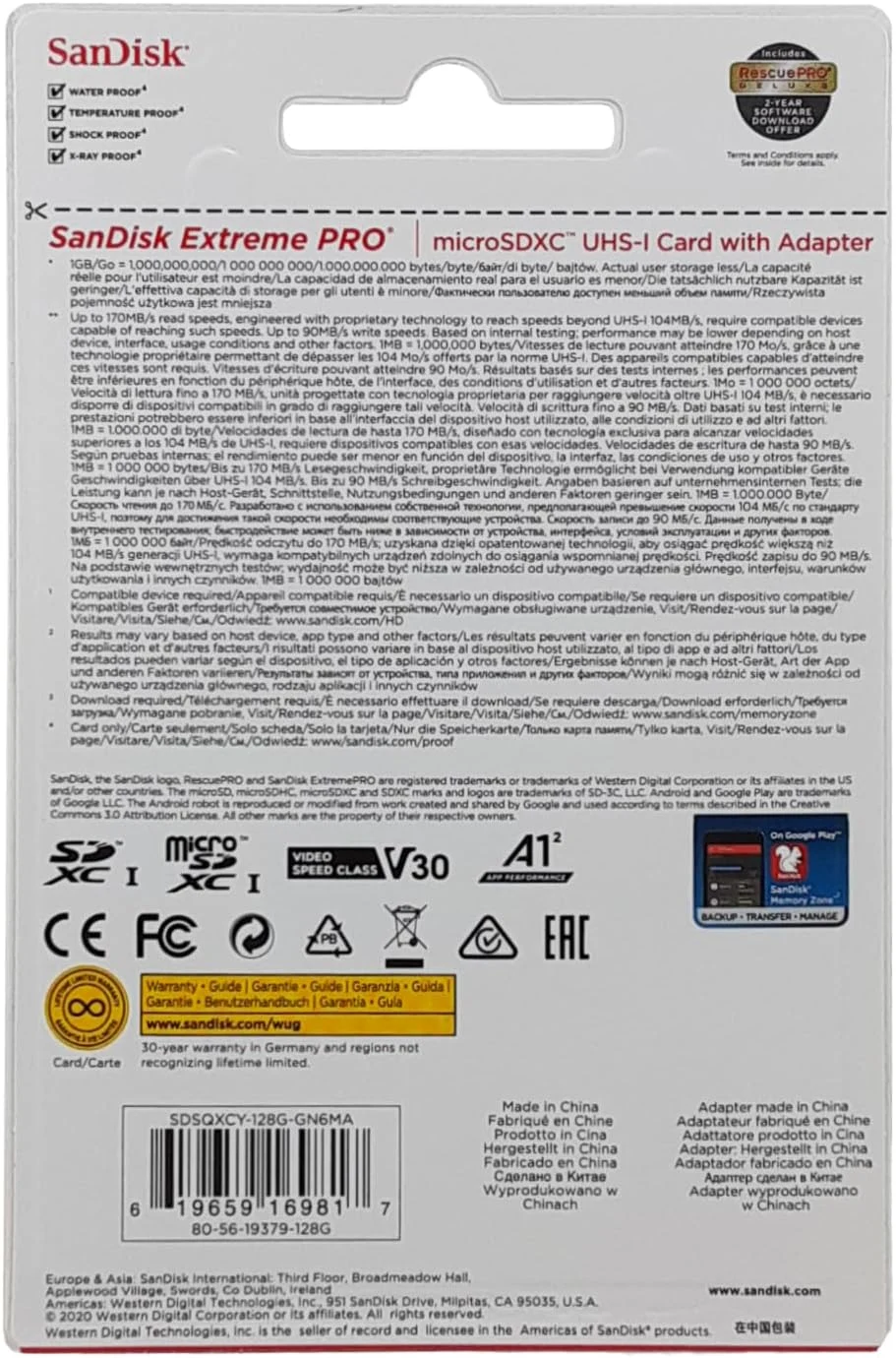
Related reading
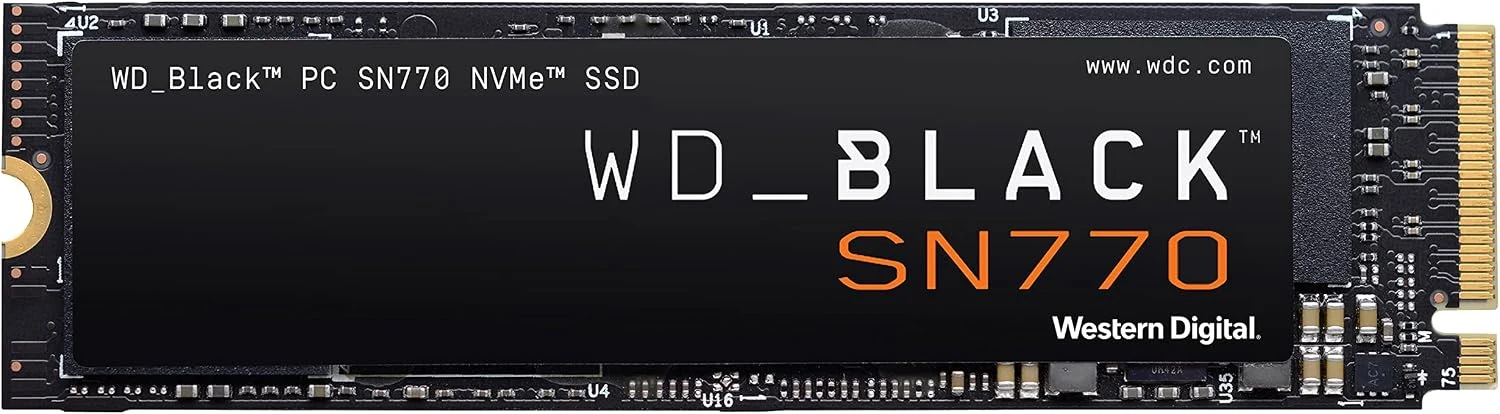
The reader sets a separate limit
Fast copy claims often depend on a specific compatible reader. SanDisk’s documentation distinguishes ordinary UHS-I use from its faster proprietary transfer arrangement. I would check the actual revision and reader together before making that speed part of a buying decision. A familiar USB connector does not tell me what happens inside the card reader.
For an occasional photo copy, a modest reader may already be enough. I would rather use a clear, reliable connection than replace equipment to chase a number that saves little time in my routine. For a regular large shoot, time spent waiting can matter more, and the complete reader-and-card cost becomes a fair comparison.
I would keep importing separate from deleting. First copy the material, confirm the expected files and make the required backup. Only then would I prepare the card for the next job using the recording device’s guidance. A card’s speed is not a replacement for a safe transfer sequence.
Capacity is useful when the files have a plan
The 128GB size is attractive for a defined collection or system image. I would leave working room rather than use the final available space as part of normal operation. A camera filling its last file and a computer running out of writable storage are different problems, but neither becomes pleasant because the card was fast when empty.
An important card would have a clear label or storage case. Tiny cards are easy to mix up, especially when several look almost identical. For a camera bag, I would separate ready cards from those still holding material that needs an export. For a small computer, I would record which system image and purpose belong to the card.
I would buy from a clear seller and verify the delivered model, capacity and packaging before the return period ends. The selected card should match the exact offer. A different revision may still be useful, but I want to make that decision knowingly rather than discover it after building a workflow around another specification.
When I would choose another option
For repeated camera overwriting, I would compare the SanDisk High Endurance 128GB. Its stated purpose is different from a performance-led card. I would still follow the camera’s supported list instead of assuming the endurance name makes it universally compatible.
Related reading
For a full-size camera slot, I would compare the Extreme PRO SDXC V30 card. For a constantly writing small server, I would consider a supported SSD arrangement. Those choices follow the job rather than rank every storage product on one scale.

My verdict is positive when the exact revision fits. I would choose this Extreme PRO for a supported recording or small-computer role with a clear transfer and backup routine. I would not pay extra for unconfirmed maximum speeds. The strongest reason to buy a capable little card is that the complete setup can use it, not that its label promises more than the card beside it.
What worked
The card offers a documented performance class for a supported camera or small-computer role.
What bothered me
The host and reader can limit performance, and newer Extreme PRO revisions do not establish this card's maximum speed.
Who should not buy it
The host and reader can limit performance, and newer Extreme PRO revisions do not establish this card's maximum speed.
Alternatives I would consider
SanDisk High Endurance 128GB. I would choose the endurance-focused family for supported continuous camera overwriting. Read my SanDisk High Endurance 128GB review.
Extreme PRO full-size SDXC V30. I would compare a full-size card when that matches the camera slot and recording requirement. Read my Extreme PRO full-size SDXC V30 review.
Evidence and sources
Specifications are attributed to the linked documentation. Images: Amazon product gallery. These are not personal test photographs or measurements.
Features, compatibility and rated figures from the maker are manufacturer information. My opinions are identified in the review.
Conclusion
Worth considering when the host can use its documented capabilities; I would not pay for an unconfirmed newer-revision speed claim.
SanDisk Extreme PRO microSDXC 128GB with adapter, SDSQXCY-128G-GN6MA
Amazon US · US
Check price and availability: SanDisk Extreme PRO microSDXC 128GB with adapter, SDSQXCY-128G-GN6MA at Amazon USAffiliate link. As an Amazon Associate I earn from qualifying purchases.
One email a week with practical Mac workflows, useful comparisons and honest tech recommendations.