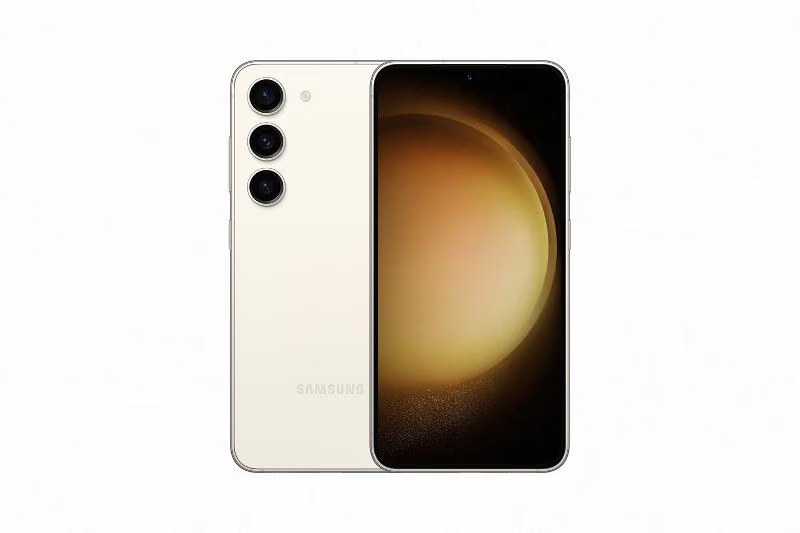
The Galaxy S23 made the familiar small flagship easier to recommend
The regular Galaxy S23 reached US stores on February 17, 2023. Samsung retained the 6.1-inch screen size and the $799.99 launch starting price. It increased the base phone’s rated typical battery capacity to 3,900 mAh and used Snapdragon 8 Gen 2 for Galaxy in the family. Changes of that kind are easier to overlook than a new screen shape. The useful launch question was what the more efficient generation and a little extra capacity might do for the ordinary day, especially after the small Galaxy S22. Samsung’s Galaxy S23 launch notice
Quick verdict
Retail release in the United States · Archive date
I would have chosen the S23 when the S22 form factor appealed and the move to a newer chipset and more capacity helped a typical day.
Best for: A compact phone buyer who wants a stabilized 3x telephoto and fewer reasons to reach for a charger.
Main benefit: Samsung kept the portable size and its optical range while improving the underlying specifications for endurance.
Biggest drawback: The 128 GB starting configuration may be tight. The charging limit is lower than on the Plus.
Reviewed version: Regular US Galaxy S23 from February 2023 with 128 GB or 256 GB and a 6.1-inch panel.
Compatibility: Fixed local storage. It supports 25 W wired charging with compatible equipment. The Plus starts at a larger capacity.
Review context: I evaluate the documented retail hardware and the software available in its release window. Regional variants and software changes are identified where they affect the verdict.
I would have put both regular models on the same display settings and loaded the same apps. Some buyers came looking for a very clear hardware feature such as the Ultra’s pen. The S23 base has a different appeal. It preserves a size and arrangement that may already suit the way someone carries a phone. This is a case where the smaller design deserves its own comparison before discussing what the more expensive phones could do. A 6.1-inch phone that can cover a useful part of the day is a credible choice alongside a much bigger one with a higher starting price.
A more ordinary approach to battery
Samsung’s claimed typical capacity is one part of the endurance story. I would have spent time on a mix of tasks that could actually make my phone reach for a top-up. That might be repeated short video, an outdoor map session and several periods of active messaging, with a weak signal in some places. A quiet lunchtime test tells me what the phone does at lunch. It is worth asking whether it lasts through the part of the day that previously made you bring a charger. Rated capacity and generation of the chip give plausible reasons for change. They don’t establish the result for a particular workload.
Related reading
The S23+ battery is rated at 4,700 mAh typical and Samsung advertised 45 W charging for it with appropriate equipment. The base S23 is smaller and charges by wire at up to 25 W. I would choose according to when those limits can show up. If your evening usually ends at a familiar socket, an endurance difference can be secondary to the phone that fits where you carry it. If you reach for a high charge quickly while switching trains or leaving a venue, your experience of the higher charging alternative could be more important than its screen size.
The rear cameras keep the useful short telephoto
There is a 50-megapixel wide camera, a 12-megapixel ultrawide and a 10-megapixel 3x optical telephoto. Three standalone rear circles replaced the appearance of the older raised surround. Looking at a subject at 1x then 3x is a good way to see why the relatively small phone keeps more capability than its size suggests. I would use the wider camera to leave something of the room in the shot and move to 3x to give the subject space away from the background. The front camera went to 12 megapixels in this generation, another reason to test the kinds of video calls or self-portraits you already take.
The S23 Ultra was built with its own main camera and additional longer telephoto. Its maximum reach is useful in a different situation. For most everyday photos I would decide where I actually stand and see whether the base phone’s zoom ends at a distance I use. Try a second comparison indoors. A 3x lens that can see a distant picture in sunshine may be less useful in a dim room, where you may get a better outcome by using the wide view and taking another step. The advantage is having that choice readily available.
Storage decisions are distinct between sizes
Samsung sold the regular S23 with 128 GB or 256 GB at US release. The Plus started at 256 GB. For a person who mostly streams and backs up, the amount already occupied on their previous phone is the place to start. I would check progress after copying applications and a familiar local photo library. Video downloaded for a trip and pictures sitting in a message app account for more storage than the size of the albums page suggests.
If the regular body size is part of what you are buying, the larger storage configuration can be an easier decision than jumping to the Plus. If you know you need both more capacity and a bigger display, the price comparison should reflect the actual configurations you would use, including appropriate chargers. The $799.99 number describes a real launch option. It explains less about the purchase when the first thing you would do is ask for 256 GB anyway. Samsung’s S23 series pricing and configuration tables
Related reading

A display choice I would make in the shop
The 6.1-inch panel is flat, runs up to 120 Hz and has a small centered cutout. If you choose a smaller device for one hand, look at a few ordinary notifications and type a line while walking only where it is safe to do so. A shop can let you judge the phone at a desk. Changing a small accessibility or font setting can do more to make it readable than holding a bright wallpaper up next to another one. The slightly larger option becomes more persuasive if the types of information you want in motion do run off the edge or take frequent zooming.
A larger model gives a more generous canvas for editing the photographs in this review. I would have judged how often I did that on the phone before giving up the fit of the S23. Opening and sharing a draft is a better task to compare than zooming around the sample image in a display unit. That makes it easier to tell how much bigger is genuinely useful.
Keep enough room for the parts of a trip that go offline
I would compare the two storage configurations by copying the media I carry for a trip to a fresh device. A map with an offline area, two or three downloaded evenings of viewing and the camera files that still need to be edited can occupy space all at once. It is a reasonable way to see how much room ordinary use leaves and how often you would need to move things off the phone. If the upper tier changes that routine while keeping the same grip and cameras, it can be the more practical upgrade than spending more for a Plus.
My verdict on the S23
I would have bought it when the S22’s core idea appealed to me and the newer hardware’s prospective endurance was helpful. I would have compared the 256 GB option and looked for the fit before considering a much bigger phone. An S22 owner with enough battery had the same rough camera range and screen size already. The S23 Ultra review covers the version for people who need its additional shooting and writing options.
What worked
Samsung kept the portable size and its optical range while improving the underlying specifications for endurance.
The extra battery capacity was a concrete change with an unchanged starting price in the US.
What bothered me
The 128 GB starting configuration may be tight. The charging limit is lower than on the Plus.
A larger battery on paper needs a check against the apps and signal that matter to you.
Who should not buy it
Someone who routinely needs a bigger view and short high-power wired charging stops.
Alternatives I would consider
Galaxy S22. The smaller 2022 model supplies the same basic rear focal lengths and display diagonal, with a less generous battery. Read my Galaxy S22 review.
Evidence and sources
The release date refers to general availability in the named market. The archive filing is ten days later. Feature assessments are editorial judgments based on the documented retail model.
Features, compatibility and rated figures from the maker are manufacturer information. My opinions are identified in the review.
Conclusion
Compare the actual storage tier and how the phone would fit a representative day before choosing the bigger device.
One email a week with practical Mac workflows, useful comparisons and honest tech recommendations.