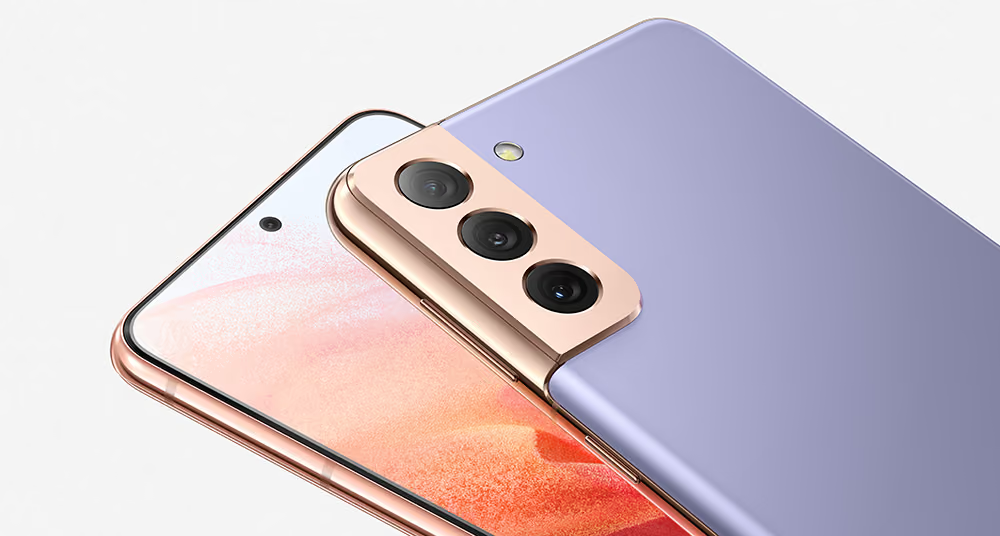
The Galaxy S21 made a fast screen easier to buy
The Galaxy S21 went on sale in the United States on January 29, 2021. The regular model started at $799.99, two hundred dollars below the listed US launch price of the regular S20 5G. That changed the decision for people who wanted a new Galaxy near the smaller end of the range. Samsung still included a 6.2-inch display with refresh that could climb to 120 Hz. This was the smallest and least expensive of the three initial S21 handsets. Samsung’s Galaxy S21 and S21+ release details
Quick verdict
Retail release in the United States · Archive date
I would have bought the smaller S21 for its flat adaptive-refresh screen and lower launch price after budgeting for fixed storage.
Best for: A buyer who values reach, scrolling and the three ordinary camera angles more than maximum display resolution or long zoom.
Main benefit: You could still get a smooth small display at a substantially lower opening US price than the S20.
Biggest drawback: There was no memory card slot or charger in the box. The display lost the earlier top resolution option.
Reviewed version: Regular January 2021 US Galaxy S21, 6.2-inch FHD+ display and either 128 GB or 256 GB.
Compatibility: No microSD. The base phone supports appropriate USB-C chargers and wireless audio. S Pen support in this generation was on the Ultra.
Review context: I evaluate the documented retail hardware and the software available in its release window. Regional variants and software changes are identified where they affect the verdict.
I would have looked at the whole purchase rather than assuming the new entry price made it a simple upgrade. Samsung moved the S21 to a flat FHD+ display and removed the microSD slot. The rear outer panel was plastic. For a phone headed straight into a case, I would have judged that finish while thinking about grip and carrying it, alongside the larger consequences of fixed storage. The screen was a more central part of my decision because it stays visible every time you use the phone.
Why I would compare two kinds of reading
A long story and a fast social feed put different demands on the panel. When the text stops moving, I want it comfortable at the same reading size I use on my existing phone. When scrolling, I care about whether I can follow the motion and stop where intended. The S21’s refresh adapts to content, and Samsung specifies a range from 48 Hz to 120 Hz for this model. Opening both examples at a familiar brightness would have been enough to show why a narrower feature list could still be pleasant. Someone who used the S20’s higher resolution for fine detail might make the opposite purchase.
Related reading
The screen is flat, and there is a central front camera hole. I like a flat surface with a case because a finger moving across the whole width has a clearer edge to work with. The grip depends on the case and the size of your hand. Try opening the same message and reaching to clear a notification on the demo model. It is a better way to figure out whether the compact body is genuinely saving you something than seeing the phone beside its claimed diagonal.
The camera design gave the three lenses a deliberate place
Samsung made the camera housing appear to run into the surrounding frame on one side. With the finish clearly visible, the phone had an obvious direction even face down. The optical lineup on the regular S21 kept a 12-megapixel wide, a 12-megapixel ultrawide and a 64-megapixel module associated with hybrid zoom. The Ultra’s dedicated longer optical zoom positions were a separate proposition. I would have compared my most likely subjects at common framing before paying more for the bigger body. In a small room the ultrawide could make the difference. If the picture was across a large sports ground, the S21 Ultra made more sense to try.
Samsung placed photo and video switching tools such as Director’s View in the camera. For a clip in which you speak and show your surroundings, picking a frame more deliberately can be helpful. If you mostly take a few stills in the same wake-and-shoot sequence, count the steps it takes to get from the lock screen to an acceptable portrait or photo of a child. The utility of a camera interface is often how quickly you can perform a favorite action. A launch demo is more useful when it lets you repeat your own movement.
The storage choice arrives early
The regular S21 was offered with 128 GB or 256 GB in the launch specifications. With no microSD, old cards are portable media that need a separate way to reach them. I would check the occupied space on my current phone, including downloads that were still important. A small local media collection gives the lower price a chance to matter. If you make video on a regular basis, leave a margin for large clips and ask how those clips are going to leave the device. Even fast cloud sync takes time and a connection that may not be available where you are recording.
Samsung omitted the charging adapter from the retail box. Existing USB-C chargers cover some needs, but I would check what each supplied or existing cable does with the charger and which charging rate matters to me. Make that part of the phone’s practical cost, especially when a lower opening price is part of the appeal. This adds a modest amount of effort for a buyer who already uses a compatible system. It can be noticeable to someone moving from a box with all the parts included.
Related reading

I would pick it before the Plus if the size is right
The Plus had a 6.7-inch display and a larger capacity battery. Both had the same three main rear camera specifications. I would have compared their grip with the same case style and asked how often I needed the extra display width on the go. The regular phone’s price cut mattered most when the physical size was itself an advantage. For longer video viewing or more time away from a charger, the Plus merited trying alongside it.
The S21 also differed from the new Ultra in S Pen options. Samsung offered compatible S Pen use on the Ultra. Check whether pen input is a real part of your day and whether you want an integrated holder or would carry a separate accessory. If the answer is no, the regular model wins back time in the pocket and money. Samsung’s S21 Ultra hardware and S Pen description
What I would keep from the older setup
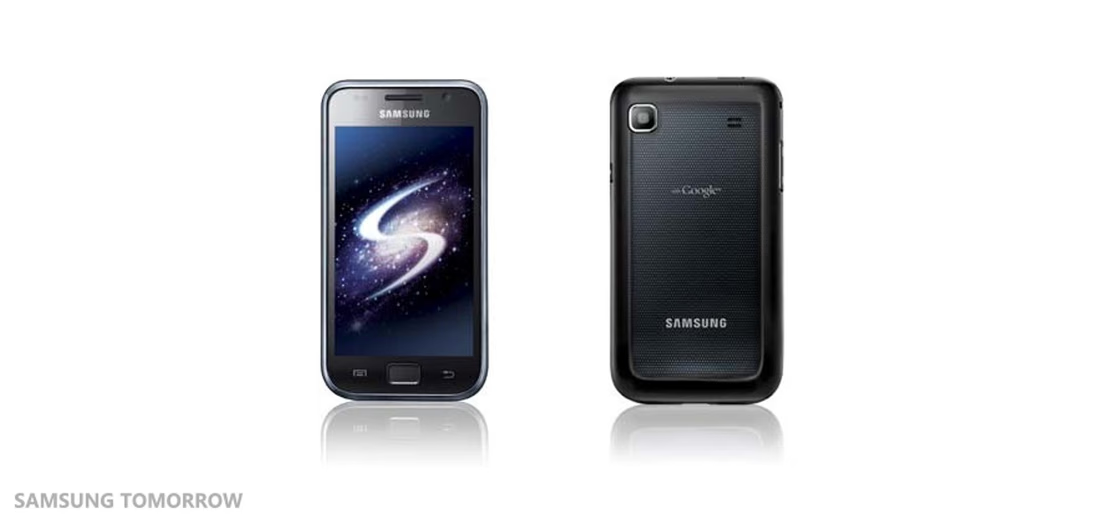
The S21’s USB-C port meant I could reuse several kinds of accessory, but I would have tried my wired headset or adapter before leaving it in the bag for a meeting. Check both the sound and the microphone. I would also take a clean copy of the files I used to move on a card. Samsung’s software can move a substantial part of an existing setup, but a downloaded map, an offline playlist or a work app may still need to be prepared by hand. That is where losing the old card slot can turn out to be a recurring cost or only a one-time adjustment. A view of the old phone’s storage and two tasks involving external equipment would make that judgment concrete.
My verdict on the S21
I would have bought the Galaxy S21 for a flat, quick display in an easy-to-hold body at its lower launch price. I would budget enough fixed storage and check the charging equipment I already had. An S20 owner who still enjoyed the high-resolution option and depended on microSD could comfortably look for a bigger reason to change. The S21 Ultra offered a distinct set of lenses for a person able to use their reach.
What worked
You could still get a smooth small display at a substantially lower opening US price than the S20.
A flat panel is easy to assess with the style of case you would actually carry.
What bothered me
There was no memory card slot or charger in the box. The display lost the earlier top resolution option.
A different rear finish and storage policy change the value of an upgrade for a long-term owner.
Who should not buy it
Someone who needs replaceable local media or regularly uses the previous QHD+ mode.
Alternatives I would consider
Galaxy S20. The earlier small S20 offers higher selectable resolution and microSD at the price of launch timing and cost. Read my Galaxy S20 review.
Evidence and sources
The release date refers to general availability in the named market. The archive filing is ten days later. Feature assessments are editorial judgments based on the documented retail model.
Features, compatibility and rated figures from the maker are manufacturer information. My opinions are identified in the review.
Conclusion
Confirm local capacity and compatible chargers. Compare the screen you use daily against the bigger phones at the same font size.
One email a week with practical Mac workflows, useful comparisons and honest tech recommendations.