I like the original Rode NT-USB as an idea because one microphone can bring the computer connection and useful monitoring controls into the same purchase. For a single speaking voice, that can be a more understandable starting point than choosing a microphone, interface and every connecting part separately.
Quick verdict
I would shortlist it for the focused role described here.
Best for: One speaking or singing voice at a deliberately arranged computer desk.
Main benefit: The original package combines a single voice input, vocal accessories and accessible headphone monitoring.
Biggest drawback: Placement and room noise still matter, and newer Rode model features are not part of this original microphone.
Rode NT-USB original USB condenser microphone, not NT-USB+ or Mini
Amazon US · US
Check price and availability: Rode NT-USB original USB condenser microphone, not NT-USB+ or Mini at Amazon USAffiliate link. As an Amazon Associate I earn from qualifying purchases.
Reviewed version: Rode NT-USB original USB condenser microphone, not NT-USB+ or Mini
Compatibility: The original NT-USB and its documented USB connection, compatible host and recording application. Verify the offered package, support fitting and supplied filter rather than assuming a newer generation.
Review context: I assess side-address orientation, pop-filter placement, saved input checks and direct versus application monitoring without claiming personal sound samples.
The important word is original. This review concerns the NT-USB in the selected listing, not the NT-USB+, NT-USB Mini or another newer Rode microphone. I would buy it for the controls and documented recording role it actually offers, rather than let a similar product name add features to the order.
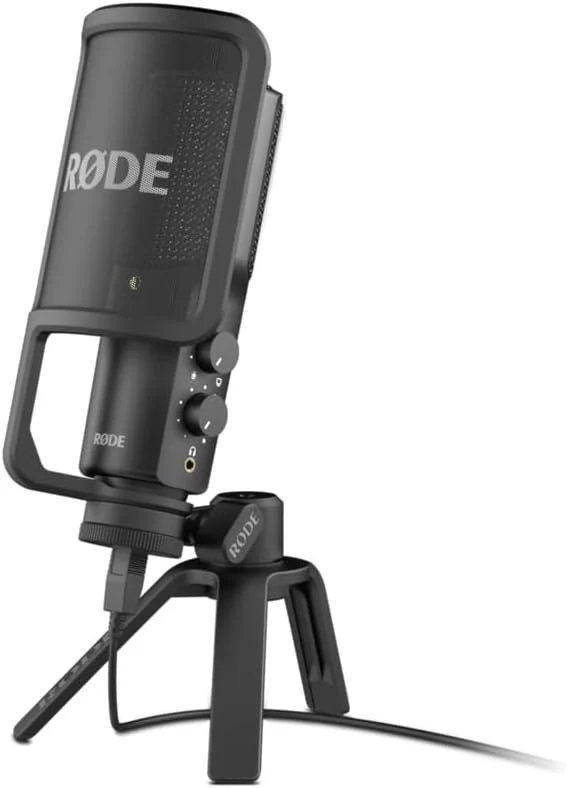
The original package has a purpose
Product images: the verified retailer gallery and any original manufacturer illustration credited in the sources. These are not personal test photographs.
Rode’s NT-USB datasheet identifies the original microphone’s 16-bit, 48kHz conversion. I would keep that specification visible when comparing generations. A larger headline from a newer product is not part of this model simply because both connect through USB.
Related reading
The original mounting manual describes the supplied tripod, mounting ring and pop filter. I like having a coherent starting arrangement. I would still confirm the exact retailer package, particularly if buying an older model through a different seller or bundle.
Those parts simplify a first purchase. Placement and room sound still need attention before the setup is ready.
Speak into the right part
The NT-USB is a side-address microphone. I would follow the manual’s orientation guidance instead of speaking into the top because that seems natural from the shape. Correct placement is a much more useful first adjustment than immediately searching for software effects.
I would position the microphone so that a comfortable voice reaches it without leaning over the desk. Notes and the computer screen should remain readable. A microphone that looks impressive in a photograph can still make an ordinary conversation awkward if it blocks the view or forces a fixed posture.
The supplied pop filter belongs in front of the microphone for the intended vocal use. It helps address bursts of breath, while its visible position can also make returning to a consistent speaking distance easier. It is not a replacement for sensible technique or a complete treatment for room sound.
The room still reaches the recording
A condenser microphone does not remove the room around it. I would consider the distance to reflective surfaces, nearby computer noise and the keyboard’s position. Moving the microphone closer to a comfortably speaking person can change the useful voice-to-room balance without turning every input setting upwards.
I would listen to a saved sample containing speech, pauses and ordinary desk actions. A silent room check cannot reveal keyboard sounds that appear once work begins.
I am not claiming a measured noise result or a particular sound from a personal recording here. My judgement is that the NT-USB’s simple single-source route is attractive when the placement and room are also planned. Those conditions deserve as much attention as the microphone’s specifications.
Related reading

Monitoring is part of the appeal
The microphone provides a headphone connection and controls for hearing the microphone alongside computer playback. I like having that function within reach, because a speaker can notice a poor position or an unexpected sound before completing a long take.
I would distinguish this direct listening route from monitoring through the recording application. If both are active without a clear reason, the speaker may hear an unhelpful duplicate or delayed return. The right setting depends on whether the task needs the direct voice, software processing or an intentionally configured combination.
Headphone volume and saved recording level are different decisions. I would check the application’s meter and a saved file, not just the live listening level.
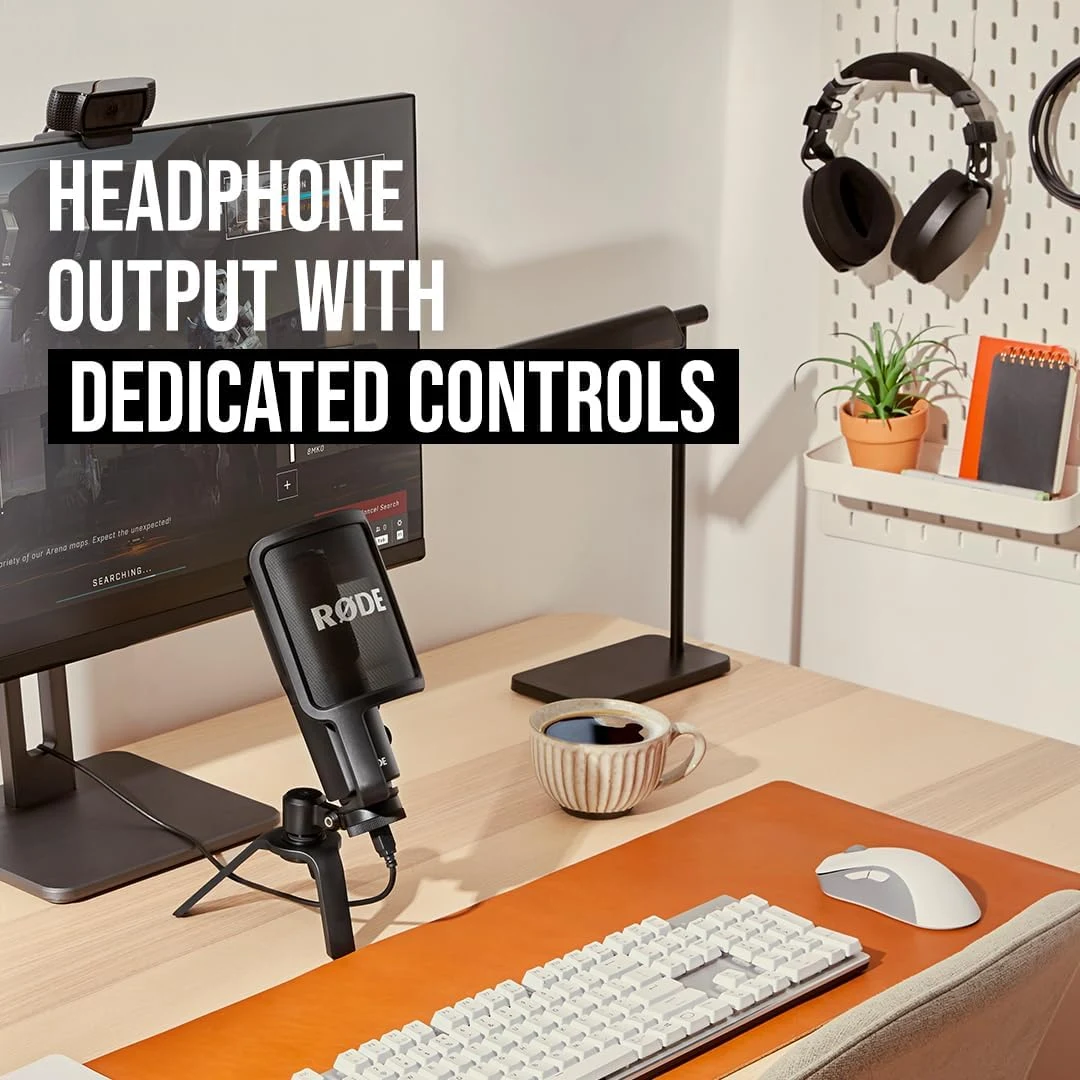
A stable stand helps the whole session
The supplied table tripod can be a useful starting point, provided it puts the microphone in a sensible place. I would check the support and cable route before relying on it beside a busy keyboard. A microphone too far away can encourage unnecessary gain and make more of the room audible.
A compatible boom or larger stand may give better placement for a permanent desk. Rode’s mounting guidance explains how the ring can be used with another support. I would check the actual fitting and weight requirements rather than assume any arm advertised for microphones is automatically a good match.
I would route the USB cable with enough slack for adjustment, keeping it clear of the chair and avoiding strain at the microphone.
One microphone is a focused choice
For solo narration, a voice call or a single-person recording, this USB arrangement is appealingly direct. I would select the correct input in each application and make a brief saved test before a significant session. The computer recognising a device is not proof that the intended application is using it.
For several people, I would plan the inputs and headphone needs together instead. Several unrelated USB microphones do not automatically create a simple multi-person recording system. An interface with the required microphone inputs can be the clearer route when that is the actual job.
Related reading

The alternatives I would compare
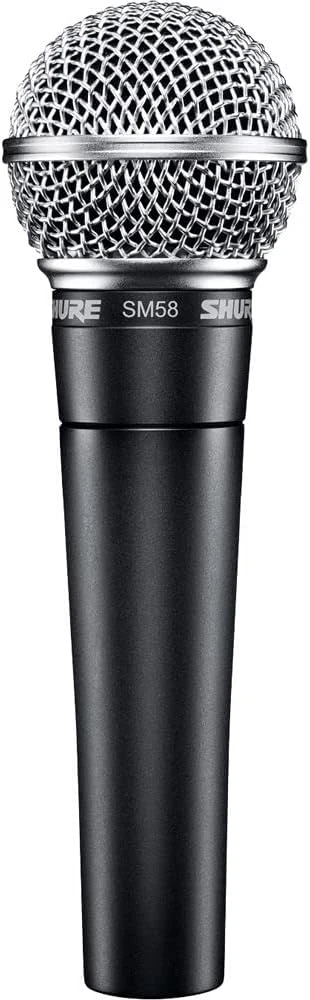
The Shure SM58 with a suitable interface represents a different close-vocal arrangement and a more modular purchase. I would choose that route when the XLR system has a useful ongoing role. I would compare the entire system cost, not only the microphone price.
A newer USB microphone can be the better choice when it provides a specifically required connection or processing feature. I would compare exact models rather than assume newer always improves the task. The original NT-USB remains an understandable candidate when its documented controls already meet the need.
My buying decision
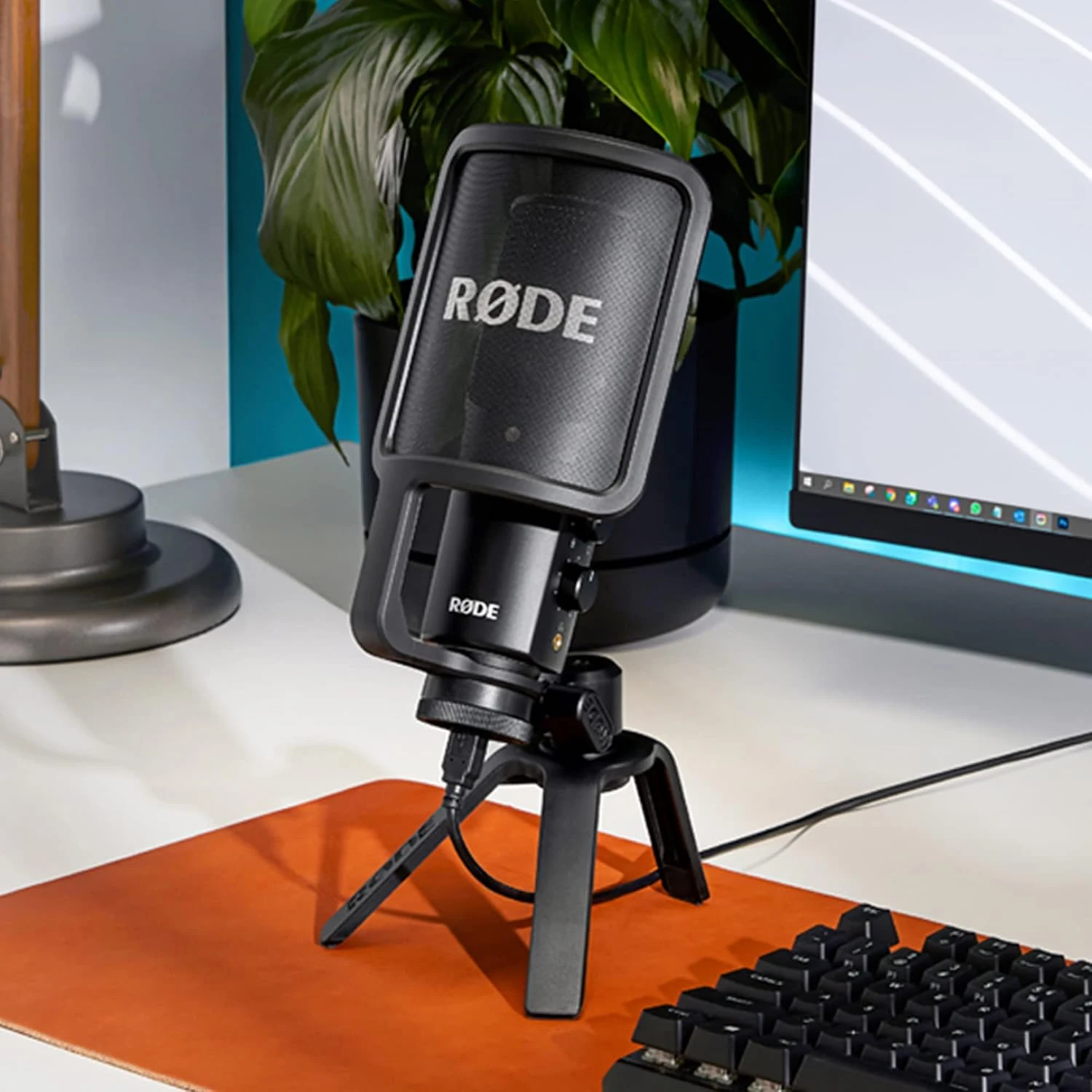
I would shortlist the original NT-USB for a single voice and a carefully arranged computer desk. I like the supplied vocal accessories and accessible monitoring as a coherent starting point. I would choose it with realistic room and placement expectations, while moving to another system when more inputs or a genuinely missing modern feature become necessary.
What worked
The original package combines a single voice input, vocal accessories and accessible headphone monitoring.
What bothered me
Placement and room noise still matter, and newer Rode model features are not part of this original microphone.
Who should not buy it
Placement and room noise still matter, and newer Rode model features are not part of this original microphone.
Alternatives I would consider
Shure SM58 with a suitable interface. I would choose the modular XLR arrangement when that complete system has an ongoing role. Read my Shure SM58 with a suitable interface review.
A newer suitable USB microphone. I would choose a specifically required connection or processing feature after comparing exact models.
Evidence and sources
Specifications are attributed to the linked documentation. Images: Amazon product gallery. These are not personal test photographs or measurements.
Features, compatibility and rated figures from the maker are manufacturer information. My opinions are identified in the review.
Conclusion
Worth considering when the original controls meet the task; choose another model only for a specific missing capability.
Rode NT-USB original USB condenser microphone, not NT-USB+ or Mini
Amazon US · US
Check price and availability: Rode NT-USB original USB condenser microphone, not NT-USB+ or Mini at Amazon USAffiliate link. As an Amazon Associate I earn from qualifying purchases.
One email a week with practical Mac workflows, useful comparisons and honest tech recommendations.