I like recording accessories that solve a problem I can describe in one sentence. The NEEWER NW(B-3) is a screen placed between a voice and a microphone to help manage bursts of breath. It is a more focused purchase than a vague promise to make any room sound like a studio.
Quick verdict
I would shortlist it for the focused role described here.
Best for: Close speech or singing with a specific plosive problem and a compatible support.
Main benefit: An adjustable screen can address bursts of breath in a defined indoor vocal setup.
Biggest drawback: It cannot treat room echo, desk vibration or outdoor wind, and the clamp needs a suitable stand position.
NEEWER NW(B-3) dual-layer microphone pop filter, SKU 66600151
Amazon US · US
Check price and availability: NEEWER NW(B-3) dual-layer microphone pop filter, SKU 66600151 at Amazon USAffiliate link. As an Amazon Associate I earn from qualifying purchases.
Reviewed version: NEEWER NW(B-3) dual-layer microphone pop filter, SKU 66600151
Compatibility: A suitable microphone stand or boom and practical clamp position. The selected product is the screen and support, not a microphone, shock mount or complete wind-protection system.
Review context: I assess microphone orientation, comfortable speaking distance, clamp stability and a suggested short saved comparison without claiming before-and-after audio.
I would consider it when close speech or singing creates troublesome plosive sounds and the microphone setup has a suitable place for the clamp. I would first check whether the microphone already includes an appropriate filter. Buying a second screen is not useful simply because the accessory looks familiar in recording photographs.
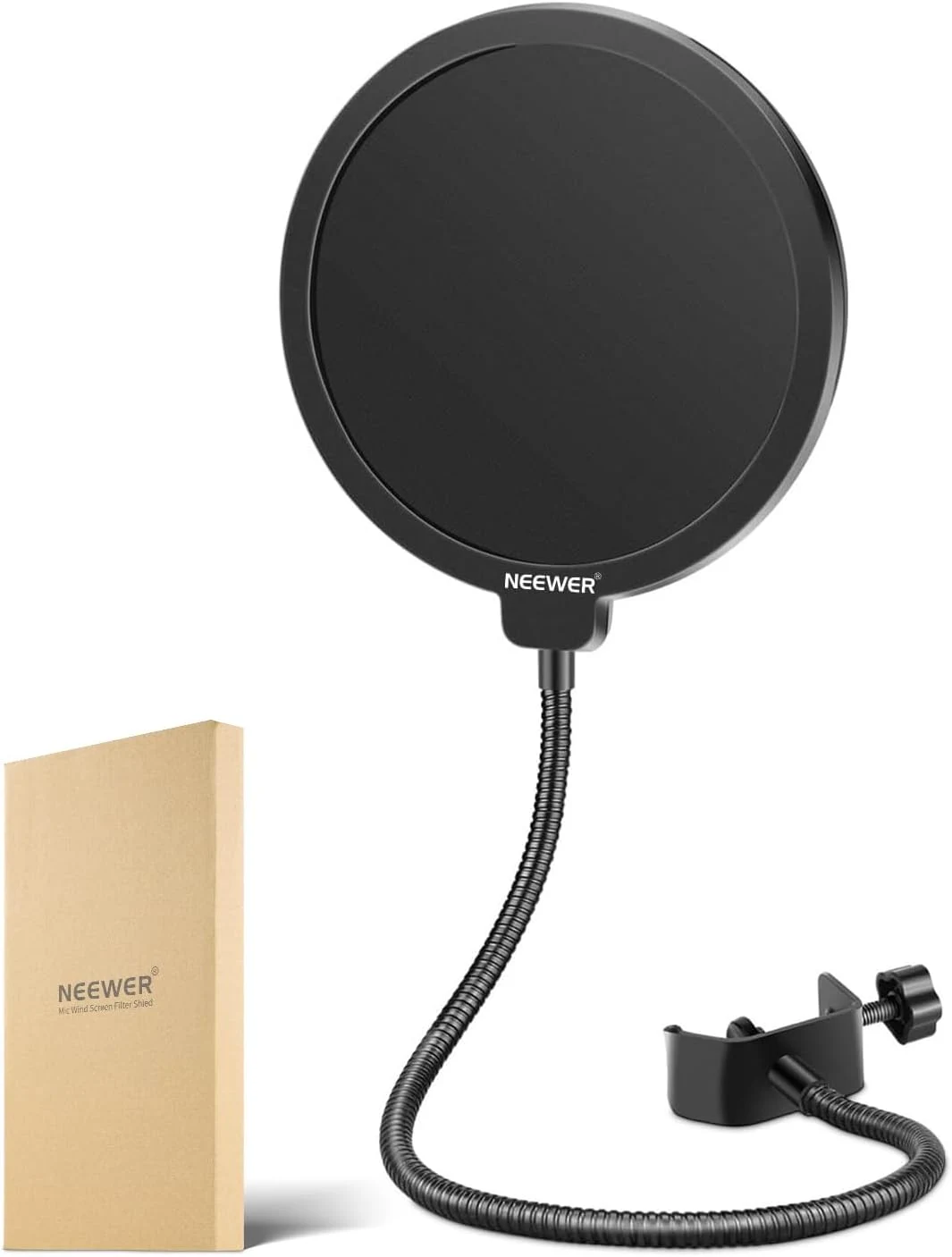
A screen for moving air
Product images: the verified retailer gallery and any original manufacturer illustration credited in the sources. These are not personal test photographs.
Related reading
NEEWER’s NW(B-3) product information describes a dual-layer screen, adjustable gooseneck and screw clamp. The appeal is physical and simple: position the screen where the breath travels before it reaches the microphone capsule.
I would keep that job separate from treating the room. A pop filter cannot remove a reflective wall, a noisy fan or the sound of someone typing nearby. If those are the main problems in a recording, this small accessory is not where I would put the whole improvement budget.
I would also avoid treating every sharp consonant as the same fault. A burst of air and a bright or hissy vocal sound are different things to assess. The screen should be judged against the specific problem it is meant to address, not a promise to repair every unpleasant sound.
Make the microphone position work first
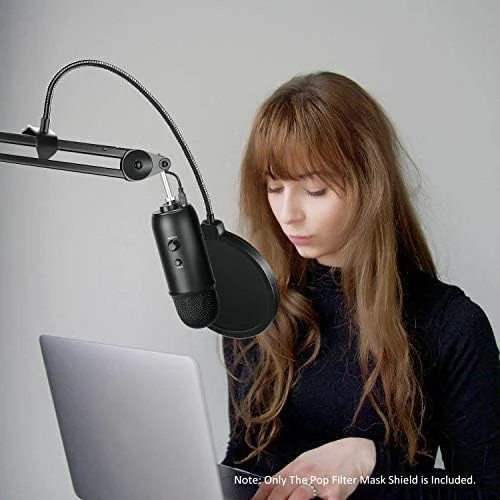
I would arrange the microphone and speaker before bending the gooseneck into place. The person should have a comfortable posture and a clear way to read notes. If the filter blocks the screen or forces an awkward head position, the arrangement needs another look.
The filter should also leave useful space between the mouth and microphone. I would follow the microphone’s placement guidance and adjust with a short recorded passage. Moving close enough to touch the screen is not a necessary goal, and consistent comfortable placement matters more than copying a studio photograph.
I like that a visible screen can provide a simple distance reference. It can help a speaker return to a similar position between takes. That is a practical setup idea, rather than a claim that the filter automatically fixes changing vocal technique or inconsistent volume.
The clamp has to fit the support
A flexible neck does not remove the need for a suitable mounting point. I would check the shape and available space on the actual stand or boom. The clamp should secure the accessory without obstructing a joint or making the microphone support difficult to adjust.
I would route the neck so that it reaches the required position with a sensible bend. Extending everything to its furthest point can make the whole arrangement easier to disturb. A small adjustment to the stand may produce a better result than asking the accessory to reach across the entire desk.
Related reading
For a table stand, I would check stability with the filter attached. For a boom, I would make sure the cable and screen move without tangling. The microphone, support and filter are one physical arrangement, and each part should remain useful when the speaker changes position slightly.
Listen to a short saved recording
My first check would be a short passage containing the words that cause the problem, followed by ordinary speech. I would keep the recording level and microphone position consistent while comparing arrangements. That makes the result easier to interpret than changing several settings between attempts.
I would listen for intelligibility and natural voice as well as the strongest bursts of breath. An accessory should make the finished passage easier to use. It is possible to spend too long chasing one sound while losing a comfortable speaking position or an otherwise good take.
This review contains no invented before-and-after audio or measured reduction figure. The buying case comes from the screen’s documented design and a clear recording task. A properly labelled demonstration from the actual microphone would be stronger evidence for a specific setup than a universal marketing adjective.
It is not a shock mount or a wind system
A pop filter does not isolate the microphone from a desk impact. If the microphone support carries typing or knocks into the recording, I would investigate the placement and an appropriate isolation arrangement. Adding more fabric in front of the microphone addresses a different path for unwanted sound.
Outdoor wind is another distinct task. I would choose a wind-protection system intended for the microphone and conditions rather than assume this desk accessory can cover every location. A focused indoor product can still be useful without becoming a universal answer.
I would keep care simple and follow the manufacturer’s instructions. The filter needs a sensible place when it is removed, especially in a shared recording space. A bent neck and a large circular screen can be more awkward to store than the small purchase initially suggests.
Related reading

The alternatives I would compare
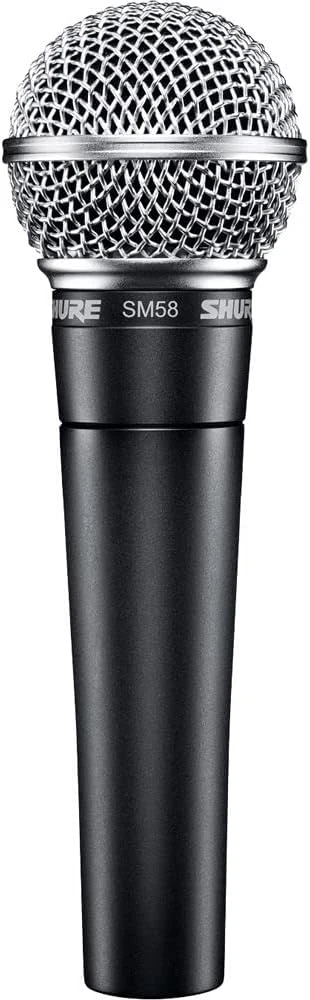
The original Rode NT-USB includes its own pop-filter arrangement in the documented package. I would assess that first before adding another accessory. A microphone-specific screen can also be attractive when it gives a tidier fit than a separate clamp.
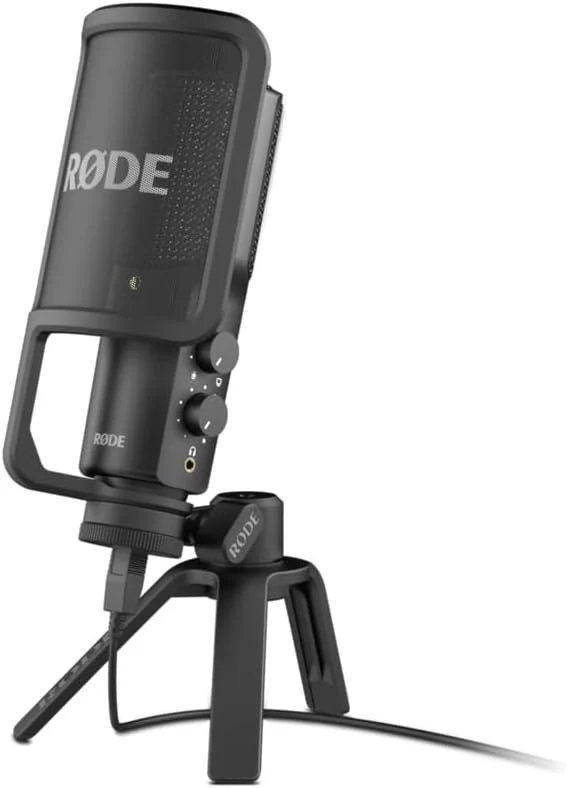
With a Shure SM58, I would begin with the microphone’s own placement guidance and the actual recording problem. Another layer should earn its place. Changing the speaking angle, distance or support arrangement may be more useful than buying an accessory without a clear reason.
My buying decision

I would shortlist the NW(B-3) for a supported indoor microphone setup with a defined plosive problem and a suitable clamp position. I like its simple role and adjustable placement. Its value comes from solving that small job cleanly, while room noise, vibration and outdoor wind deserve their own properly chosen solutions.
What worked
An adjustable screen can address bursts of breath in a defined indoor vocal setup.
What bothered me
It cannot treat room echo, desk vibration or outdoor wind, and the clamp needs a suitable stand position.
Who should not buy it
It cannot treat room echo, desk vibration or outdoor wind, and the clamp needs a suitable stand position.
Alternatives I would consider
The original Rode NT-USB supplied filter. I would assess the existing fitted accessory before adding a separate clamp and screen. Read my The original Rode NT-USB supplied filter review.
An appropriate microphone-specific filter. I would choose its tidier fit when it addresses the same vocal problem without crowding the support.
Evidence and sources
Specifications are attributed to the linked documentation. Images: Amazon product gallery. These are not personal test photographs or measurements.
Features, compatibility and rated figures from the maker are manufacturer information. My opinions are identified in the review.
Conclusion
Worth considering for that focused task; inspect an existing microphone-specific filter before buying another.
NEEWER NW(B-3) dual-layer microphone pop filter, SKU 66600151
Amazon US · US
Check price and availability: NEEWER NW(B-3) dual-layer microphone pop filter, SKU 66600151 at Amazon USAffiliate link. As an Amazon Associate I earn from qualifying purchases.
One email a week with practical Mac workflows, useful comparisons and honest tech recommendations.