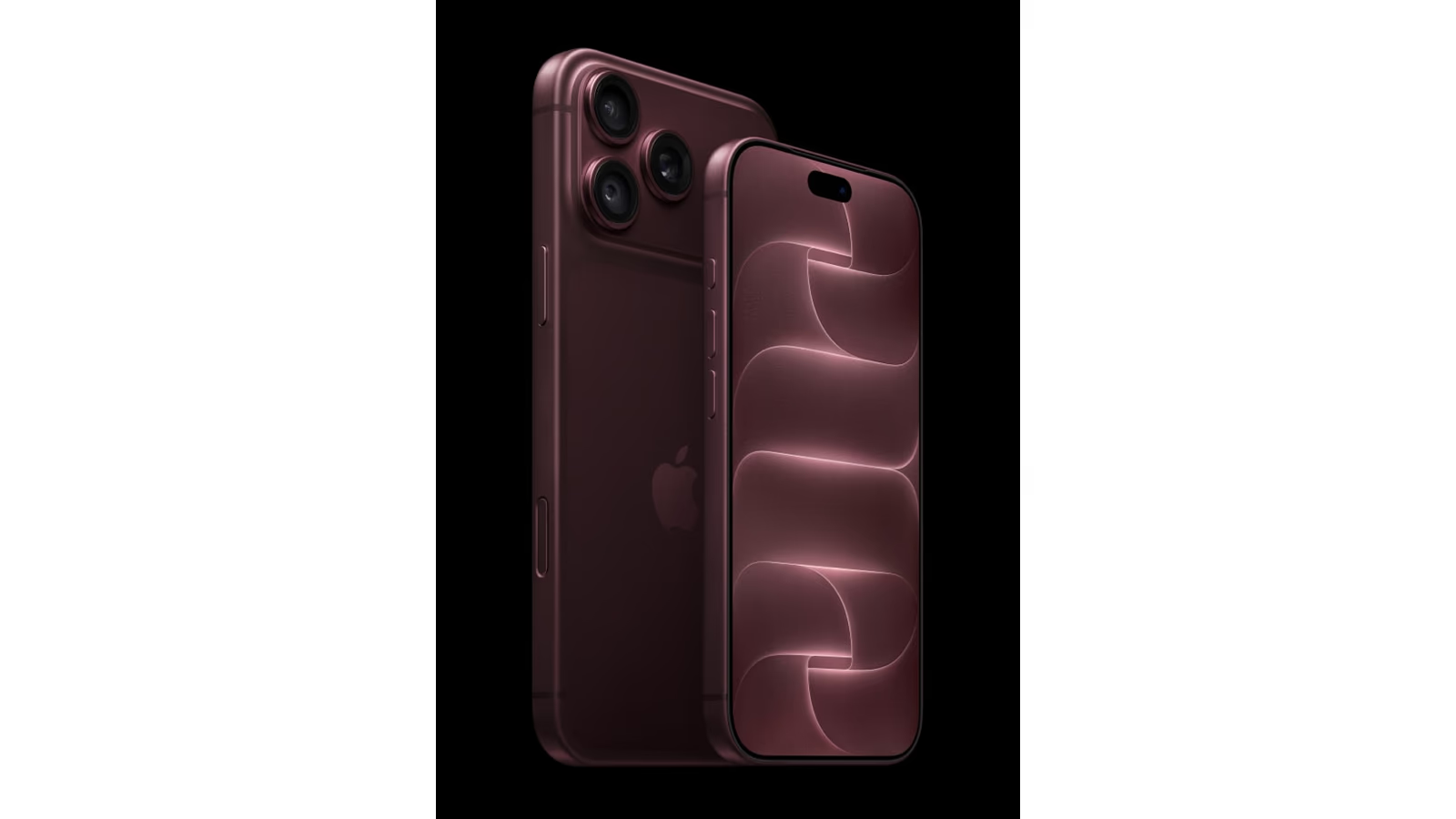
Hero image: Apple Newsroom. Official product image converted to a 16:9 AVIF canvas.
The most useful camera upgrade is often the one that helps you make a decision before taking the picture. More control over the image can matter more than a bigger number beside the camera. That is the angle from which the iPhone 18 Pro looks most interesting to me.
My research points to a capable compact Pro model whose camera controls deserve more attention than a generic speed claim. It is not an automatic upgrade for everyone with a recent phone. The case becomes stronger when the new controls address a limitation you recognise, or when the old phone needs replacing anyway.
This is a research review, checked on 20 October 2026. It uses Apple’s documentation and published original testing. I have not carried this phone, compared my own photographs or measured its battery. The buying conclusions below are analysis of that evidence.
Start with the smaller Pro on purpose
A smaller phone is not simply the option left after declining the largest one. It can be easier to keep available, carry in ordinary clothing and use while doing something else. Those are practical qualities that do not appear in an image-quality chart. A camera that is comfortable to carry has a good chance of being present when needed.
Apple’s specifications identify a 6.3-inch display on Pro and a 6.9-inch display on Pro Max, with the same A20 Pro family and camera system. The larger model is not automatically a higher-quality camera. Choose size and endurance for their own reasons.
Related reading
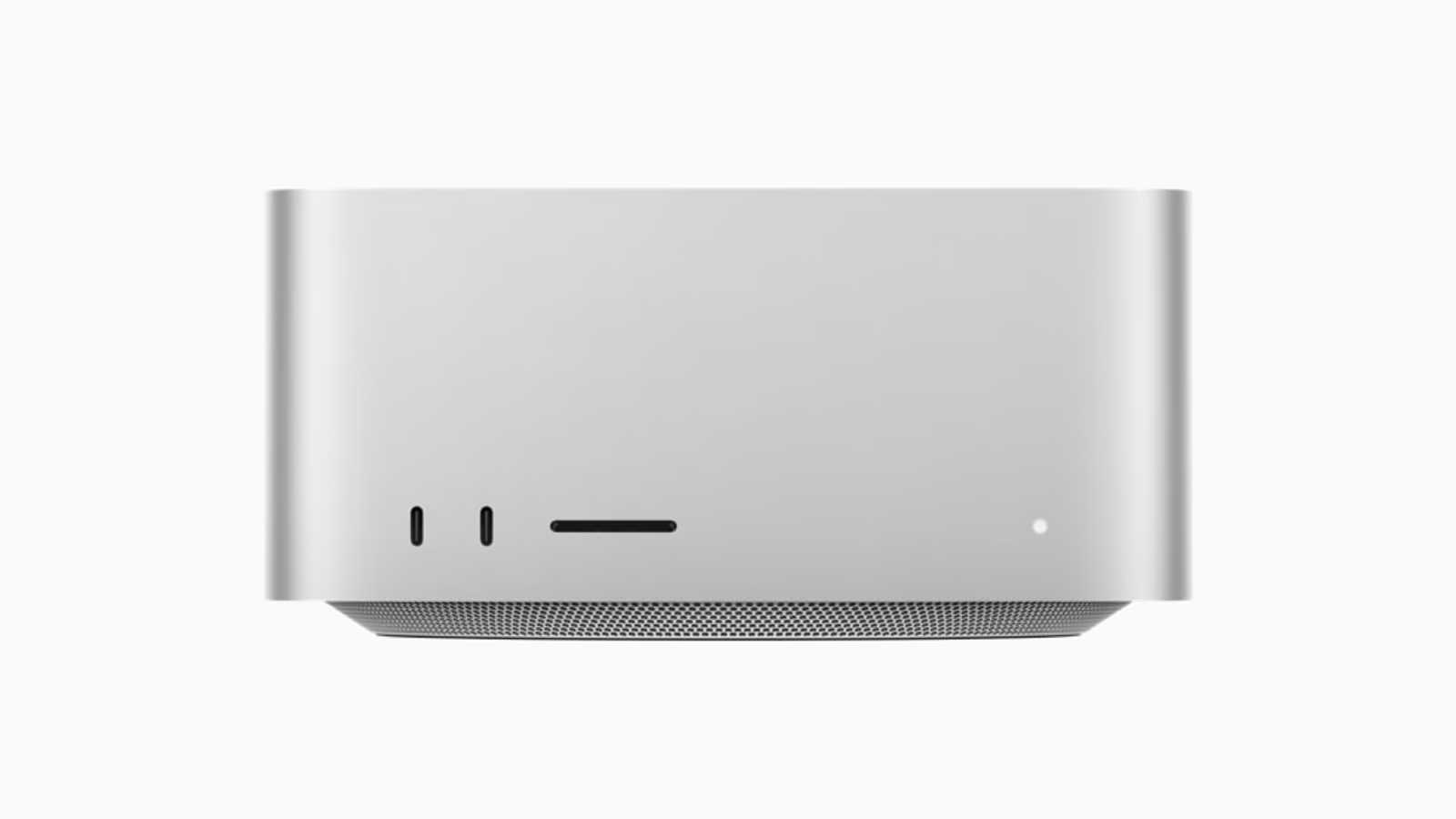
The German launch price begins at €1,449 including VAT. That is a launch figure checked for this article, not a current retailer quote. At that price, the phone should solve something more specific than the feeling that a new generation must be better to own.
Variable aperture is interesting because it is a choice
Apple’s launch announcement describes a variable-aperture main camera and additional capture controls. The important idea is control over the capture process. It gives the photographer another decision to make instead of leaving every choice to an automatic routine.
That does not mean every photograph improves by changing a setting. Automatic capture remains useful when the subject moves or the moment is brief. More controls are valuable when they help express an intention or maintain consistency. They can also distract if they become a ritual performed without a reason.
I would learn one control at a time. Keep the subject and light similar, change a setting and inspect what changed in the final picture. Compare at a useful viewing size as well as close up. The goal is understanding when the option helps, rather than proving that manual operation is always superior.
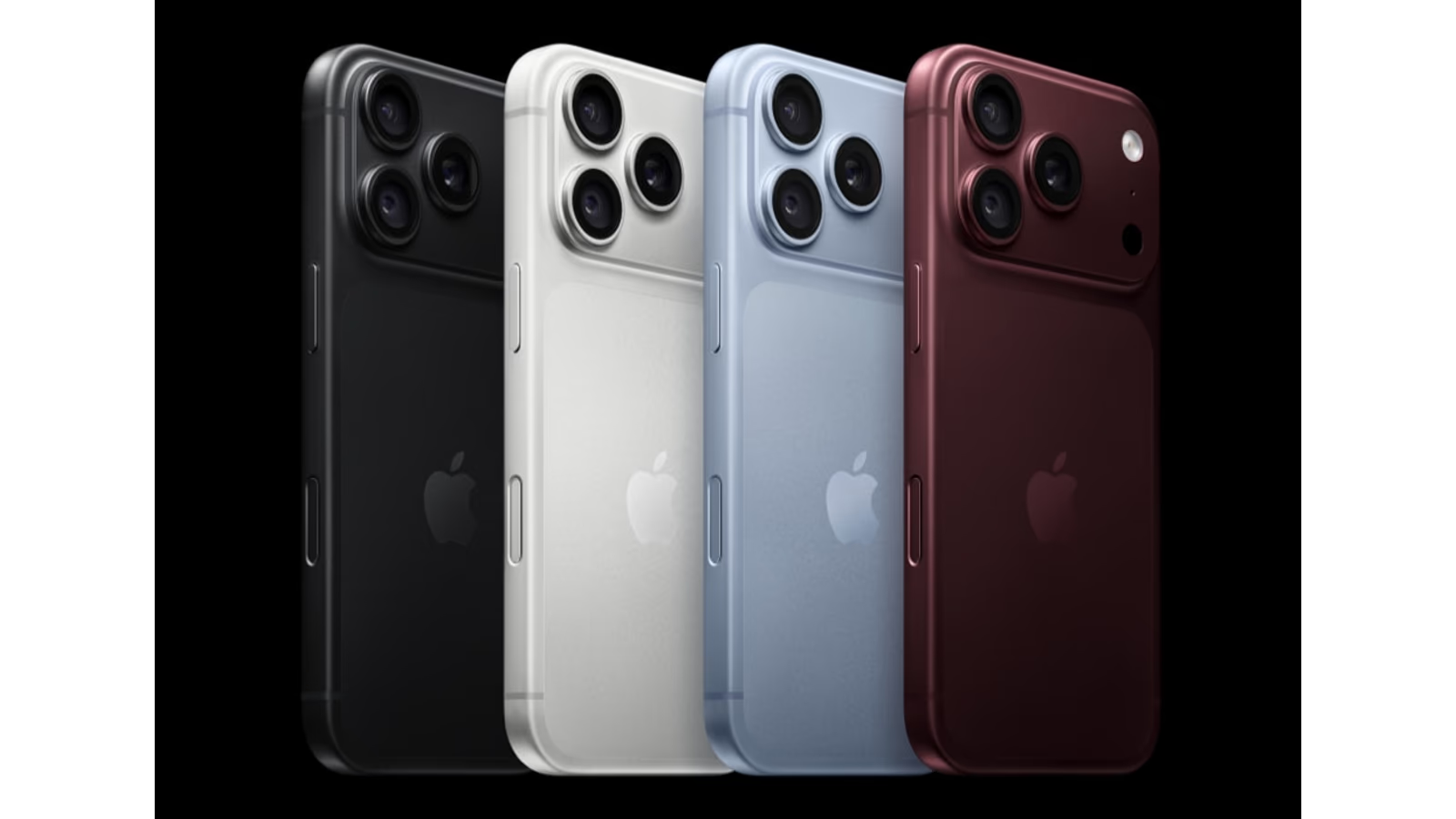
Official product image: Apple Newsroom. Converted to 16:9 AVIF without stretching the product.
The real camera workflow includes consistency
For a family moment, speed and timing may matter most. For a short product video or a sequence of images, consistency becomes more important. Changes in colour or exposure can become distracting when several shots are placed together. A control that keeps a sequence coherent may be more valuable than a dramatic one-frame effect.
White balance and shutter decisions should serve the project. Check how the chosen camera app behaves when lighting changes and when switching between cameras. Do not assume that one setting makes every part of a sequence identical. A short trial can reveal the transition that needs attention.
Also remember the sound. A phone can make visually appealing footage while recording an unsuitable room. Before buying accessories, identify the problem: distance, background noise or handling. A small improvement in microphone placement can matter more to the finished clip than another visual feature.
Zoom labels need careful reading
The specification lists a 4x telephoto camera and an 8x “optical-quality” option. Those phrases do not describe the same thing as a separate 8x optical lens. Keep the distinction visible when comparing systems or deciding which focal length to use for an important picture.
For a practical check, photograph the kind of subject that matters at several distances and review the output at its intended size. A small shared image and a tightly cropped print have different tolerances. The question is whether the result is useful for your purpose, not whether a label sounds impressive.
Related reading
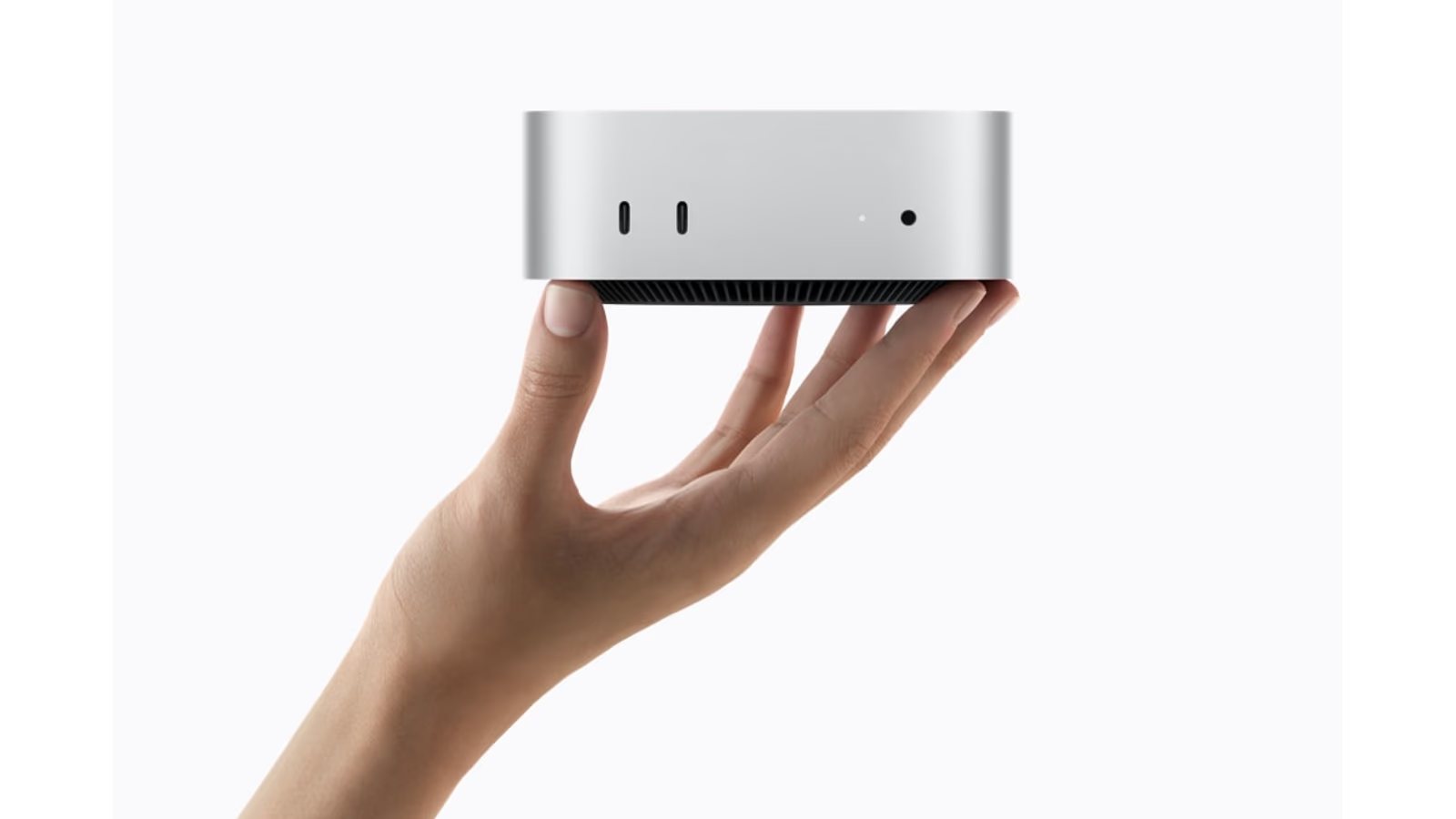
Avoid judging an entire camera from one favourable sample. Light, movement and subject texture can change the outcome. A useful test includes ordinary scenes and difficult ones. This article does not contain an invented personal photo comparison; it explains the evidence I would want before making a stronger image-quality claim.
Performance should make the process smoother
The processor matters when it supports capture, editing, export and the applications around them. A high score in isolation is less interesting than a phone that completes the normal workflow consistently. For a creator, app support and file handling can be just as important as peak compute.
Try a complete small job: record, review, edit, export and move the result to its destination. Include the storage device or computer normally involved. A limitation may appear in the transfer or application rather than the capture itself. That is why the system should be judged end to end.
For demanding recording modes, read the current app and external-storage requirements before planning a shoot. Do not assume that every headline mode works with every internal setting or accessory. A successful short rehearsal is much better evidence than discovering a requirement while the subject is waiting.
Official product image: Apple Newsroom. Converted to 16:9 AVIF without stretching the product.
Battery evidence needs a method
Tom’s Guide’s original testing reported an average of 16 hours 17 minutes for Pro in its continuous 5G web test at 150 nits. That is a documented laboratory workload. It is not a promise about a day spent filming, navigating or working with a bright display.
The useful conclusion is that the smaller model deserves an endurance comparison rather than being dismissed automatically. Your day may stress the phone differently. Camera use, poor signal and background work all belong in a personal evaluation. Keep the method beside any number you use.
I would also examine charging opportunities. If a short predictable top-up fits the day, the larger model’s extra endurance may be less valuable. If the phone must remain available far from power, it may matter much more. The right decision comes from the route through the day rather than a universal rule about size.
Reference Image is a useful idea with a boundary
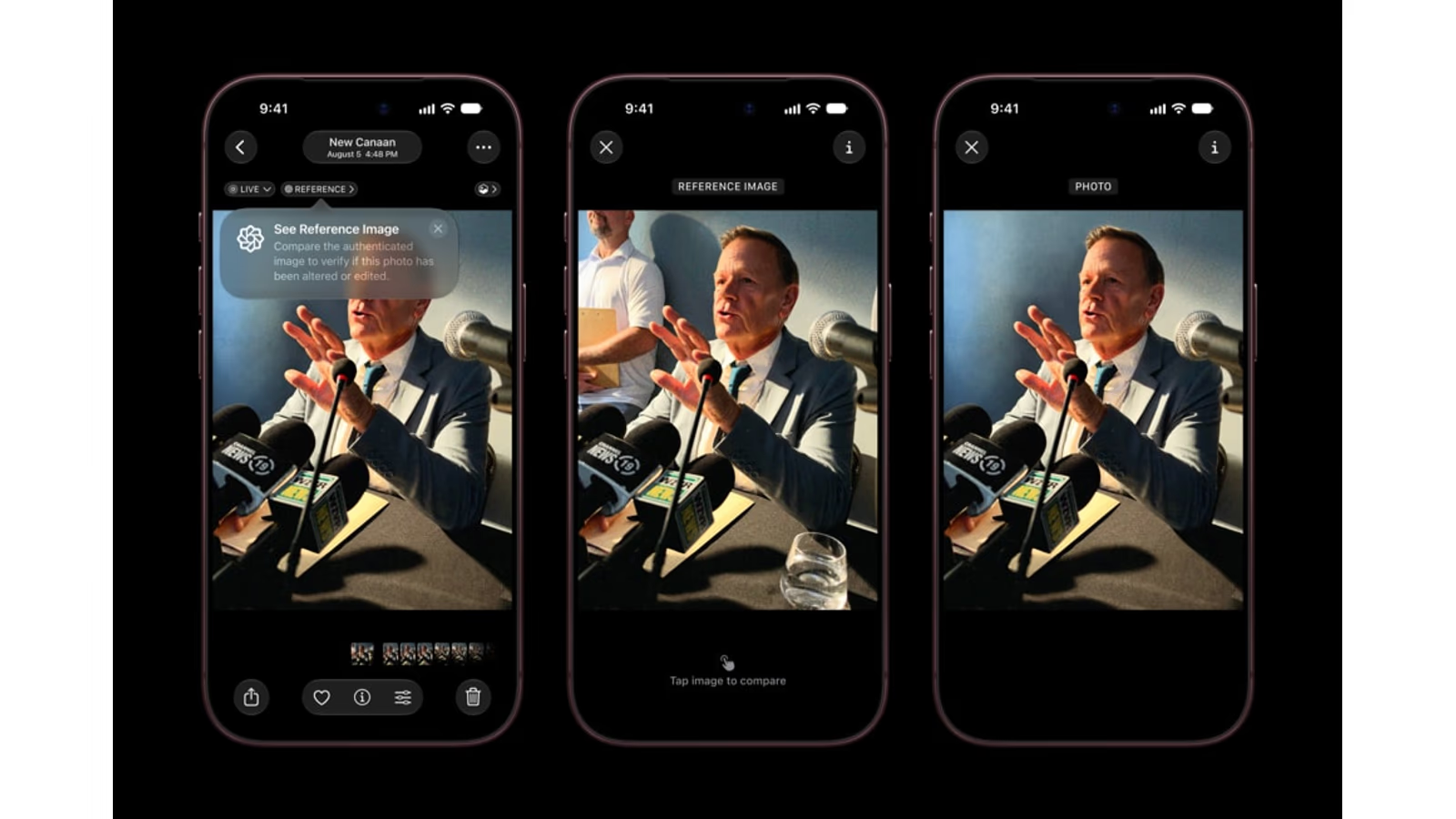
Apple describes a signed reference process intended to preserve a capture reference through its system. That can help with a specific question about an image’s origin and subsequent treatment. It should not be read as proof that the entire scene or every claim made about the picture is true.
A photograph can be authentic as a file while its caption gives the wrong context. A feature that helps preserve a reference does not solve that editorial problem. Keep the source, date and explanation with important images. Technical provenance and honest interpretation need to work together.
For everyday users, the practical question is whether the feature fits the way images are shared and stored. Check the current requirements and what survives the chosen export route. A useful integrity feature becomes more valuable when people understand what it does and which questions remain outside its scope.
Related reading
| Buying question | My research direction |
|---|---|
| Want Pro capture controls in a smaller phone? | Pro is the natural starting point |
| Need the longest available day away from power? | Compare Pro Max using the same test method |
| Already happy with a recent phone? | Identify a real limitation before upgrading |
| Planning a demanding recording setup? | Rehearse the full app, storage and transfer route |
What I would verify before buying
First, hold the actual size with the kind of case you intend to use. Then try the controls that motivated the purchase. A specification cannot establish whether a control is comfortable or whether the phone fits naturally into your day. Physical interaction is worth a short visit when the purchase is expensive.
Second, compare real sample files from original testers in conditions relevant to your work. Pay attention to motion, transitions and difficult light, not only a carefully composed bright scene. Third, check the storage requirement for the way you intend to shoot and keep a separate plan for preserving the files.
These are remaining purchase checks, rather than claims of testing completed for this article. The research is strong enough to identify the phone’s direction. It is not a substitute for every aspect of ownership, particularly comfort and long-term reliability.
My research verdict
The iPhone 18 Pro is most convincing as a smaller phone with serious capture options. I would choose it for the controls and workflow they enable, rather than expecting every photograph to improve automatically. I would compare Pro Max for size and endurance, not assume it produces a better image simply because it is larger.
At this price, a clear reason to upgrade is essential. If the current phone already handles the work well, waiting can be a confident decision. If a specific capture limitation is getting in the way, the new Pro deserves a close, practical comparison.
Continue reading
One email a month: new articles, reviews and the upcoming live webinar + free recording. No spam, unsubscribe anytime.