The DJI Mini 2 SE makes me ask a useful buying question: what would I actually give up by choosing the older option? I like a calm comparison that starts with the intended video and the complete price. An older camera drone can still have a clear purpose when its limits fit the job and the saving is real.
Quick verdict
I would consider the Mini 2 SE when its recording options are sufficient and the exact complete offer clearly rewards choosing the older model.
Best for: A buyer planning modest aerial-video projects who can make a calm comparison with the Mini 4K.
Main benefit: The folding form and mechanically stabilised camera keep its intended role clear and understandable.
Biggest drawback: The lower maximum recording resolution and absence of obstacle avoidance limit who should choose it today.
DJI Mini 2 SE, selected aircraft and controller package
Amazon US · US
Check price and availability: DJI Mini 2 SE, selected aircraft and controller package at Amazon USAffiliate link. As an Amazon Associate I earn from qualifying purchases.
Reviewed version: DJI Mini 2 SE, selected aircraft and controller package
Compatibility: DJI Fly on a currently supported phone, the correct controller and a suitable microSD card. Compare the exact included parts, condition and local support.
Review context: I assess the documented older model as a complete starter system, with attention to recording needs, missing sensing features and alternatives.
I would consider the selected aircraft-and-controller package for modest planned projects, rather than choose it simply because an older review called it affordable. Today’s exact offer is the one that matters. The competing package, included parts and seller condition all belong in the decision before a familiar product name becomes a reason to buy.
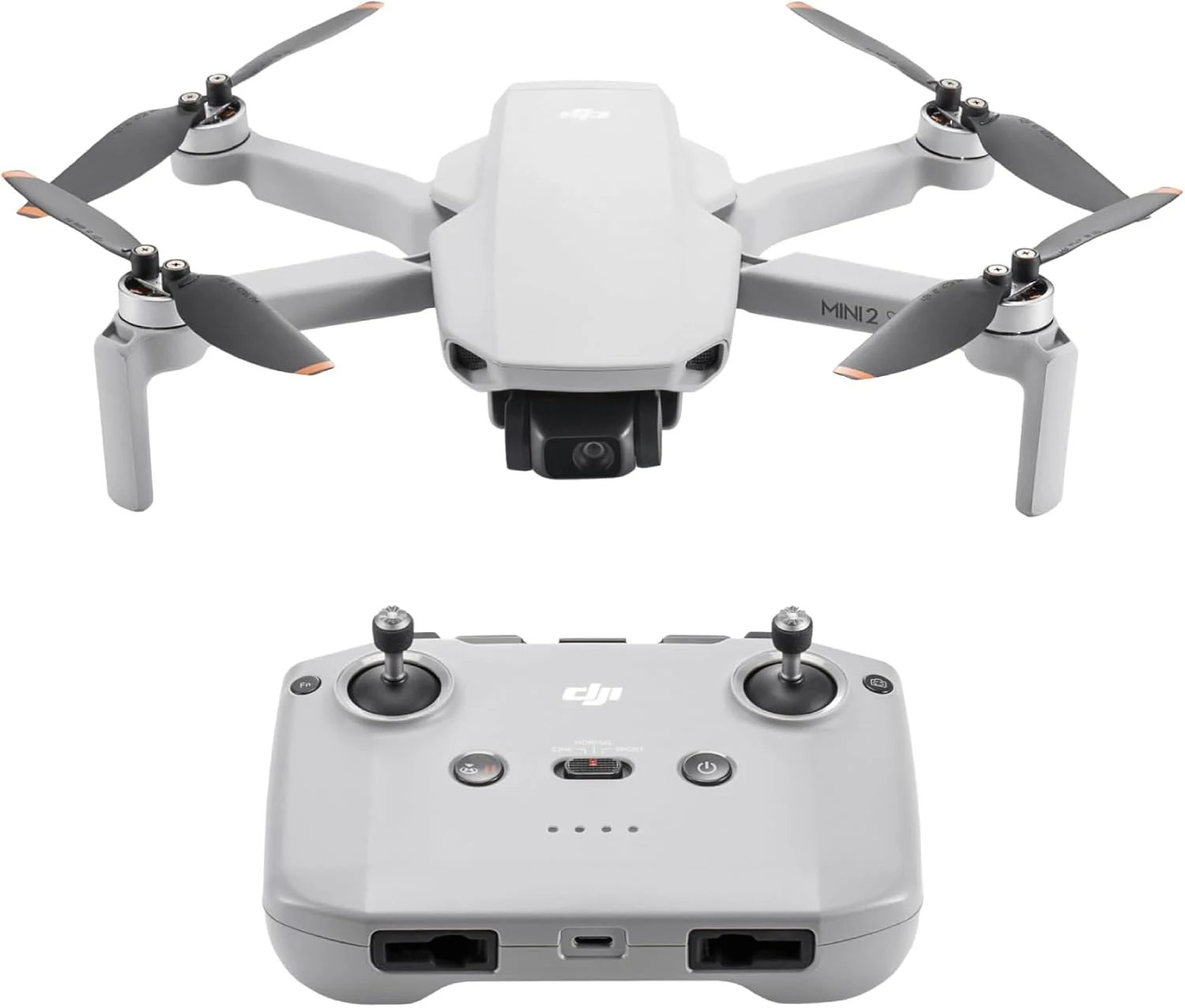
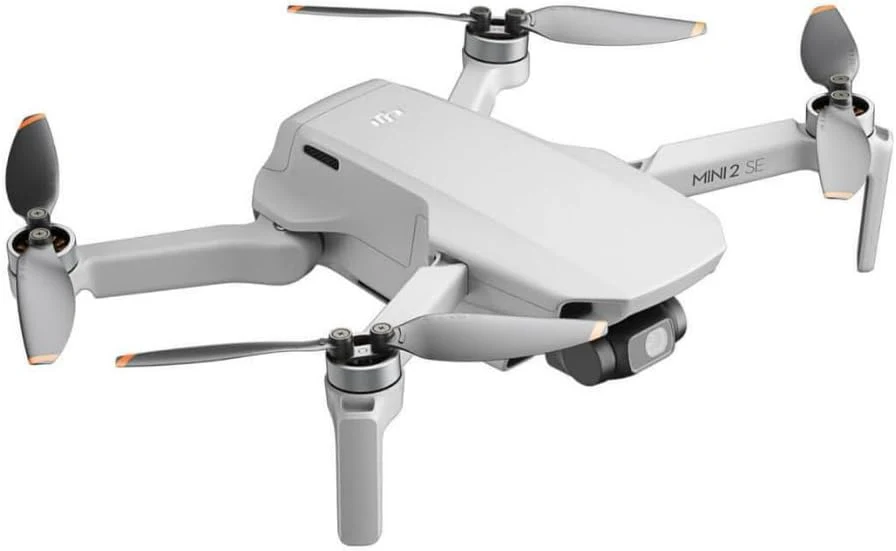
The images are credited product material from the selected listing. They identify the hardware and camera arrangement rather than showing footage claimed to come from my personal flights.
Related reading

Let the finished video set the requirement
DJI’s specification comparison lists a 2.7K maximum for Mini 2 SE video, while the Mini 4K adds its named recording option. I would decide whether that difference matters for the intended project before comparing accessories or being distracted by a promotion.
For a modest destination, the older model’s available recording modes may be sufficient. For a project that specifically requires 4K capture, choosing it would begin with a compromise I already understand. I would rather make that decision before purchase than discover later that saving on the aircraft created the wrong starting point for an important edit.
A coherent design for deliberate framing
The folding body is appealing when a camera has to travel with other equipment. I can see a place for a small, clearly planned setup that comes along for a particular scene. I would still make space for the controller, phone, power and recording media instead of imagining that the aircraft alone represents the whole carrying arrangement.
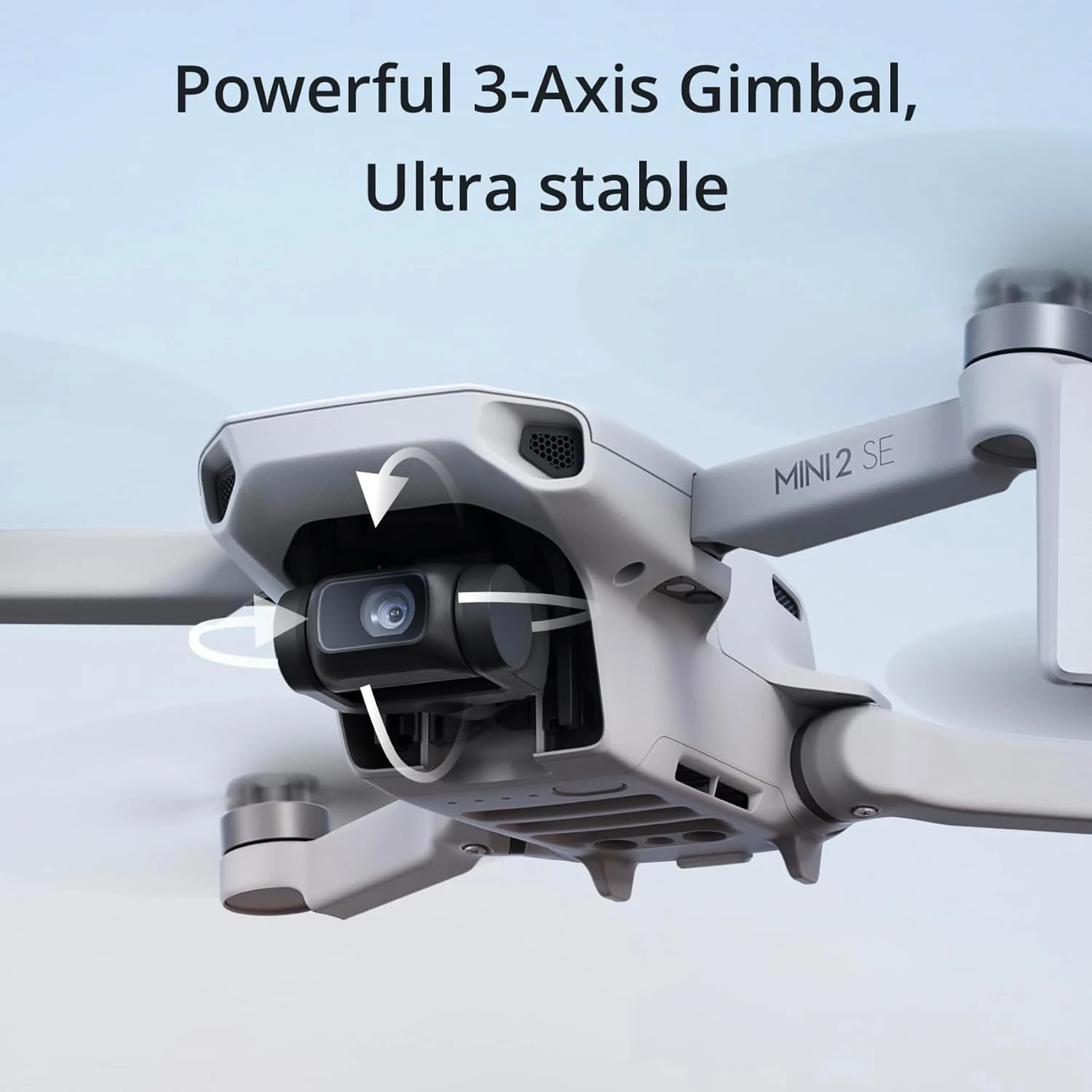
The manufacturer documents a three-axis mechanical gimbal. That is a useful component for its camera role, while the quality of a finished sequence also depends on the chosen view and movement. I would learn a few deliberate compositions before trying to make every clip more elaborate than the project needs.
The missing features remain part of the price
This model has no obstacle avoidance. I would not read its downward positioning system as an all-direction sensing feature. That distinction matters more than an attractive product picture when the planned use involves complicated surroundings or an expectation that the aircraft will make decisions it does not document.
I would treat maximum endurance and transmission figures as specifications with conditions, rather than a ready-made session plan. A useful comparison includes the practical reserve and preparation the intended work needs. If I found myself explaining away a missing feature that was central to the project, I would take that as a reason to compare another model.
Related reading

Check the complete working path
DJI’s support page is where I would begin checking the relevant documentation and current software requirements. A supported phone, the correct controller cable and an understandable setup process matter to the first usable session. I would verify those details for the actual devices I plan to use.
I would also include the suitable card and a way to transfer files to the editor. The camera purchase should connect to a completed video, so storage and backup deserve a place in the plan. A small saving on the aircraft is less helpful if the rest of the equipment budget remains a surprise until the box arrives.
Compare value through the whole offer
I would put the Mini 4K beside this offer and compare condition, accessories and the actual cost of making each ready. When the gap is modest, the additional recording option can be a good reason to choose differently. When the gap is meaningful and the older modes fit, the Mini 2 SE becomes easier to justify.
I would also check what the selected seller promises about returns and local support. A low number beside an incomplete or unclear package is not the same as a good complete offer. The point of choosing an older model should be a considered saving, with an understanding of what is supplied and what remains to buy.
Choose the kind of camera routine you want
The original DJI Neo is worth a separate look when short personal-video shots are the main attraction. Its controller-free idea answers a different question from this more conventional setup. I would choose between those routines first, rather than treat every small drone as the same purchase with a different camera label.
Related reading

I would check current official requirements for the intended location before committing to either approach. Product weight and marketing examples cannot decide where a particular filming plan makes sense. Knowing how often I could use the camera for a real project makes the price comparison more honest and more useful.
My verdict is cautiously positive when the numbers in the actual shopping comparison support it. I like a purchase that meets a clear need without unnecessary spending. I would choose the Mini 2 SE for that reason, and move to a different option when the older model’s compromises no longer earn their place.
What worked
The folding form and mechanically stabilised camera keep its intended role clear and understandable.
What bothered me
The lower maximum recording resolution and absence of obstacle avoidance limit who should choose it today.
Who should not buy it
I would pass if 4K capture is required, if obstacle avoidance is essential, or if the competing complete offer is close enough to erase the saving.
Alternatives I would consider
DJI Mini 4K. I would choose the newer recording option when the price gap is modest or 4K belongs in the project requirements. Read my DJI Mini 4K review.
DJI Neo. I would consider the original controller-free Neo when short personal-video shots are the purpose instead of a conventional camera-drone routine. Read my DJI Neo review.
Evidence and sources
Product details are attributed to the linked documentation. The photographs and credited technical illustrations show the selected product; they are not personal test photographs.
Features, compatibility and rated figures from the maker are manufacturer information. My opinions are identified in the review.
Conclusion
Conditional on a meaningful whole-package advantage; an older model name alone does not make a bargain.
DJI Mini 2 SE, selected aircraft and controller package
Amazon US · US
Check price and availability: DJI Mini 2 SE, selected aircraft and controller package at Amazon USAffiliate link. As an Amazon Associate I earn from qualifying purchases.
One email a week with practical Mac workflows, useful comparisons and honest tech recommendations.