The Ryzen 7 9800X3D is the kind of processor I would consider when a gaming PC has a clearly defined job. I like the idea of choosing a CPU around the games, monitor and graphics card it will actually serve. I am less interested in buying an expensive component and hoping that its reputation will make every other decision fall into place.
Quick verdict
I would shortlist it for a gaming-focused AM5 system after comparing the complete build cost.
Best for: A planned gaming build whose graphics card, display and budget justify the processor choice.
Main benefit: A gaming-focused AM5 design with second-generation 3D V-Cache.
Biggest drawback: A motherboard or memory change can turn the CPU purchase into a much larger bill; a cooler is not included.
AMD Ryzen 7 9800X3D, boxed, 100-100001084WOF
Amazon US · US
Check price and availability: AMD Ryzen 7 9800X3D, boxed, 100-100001084WOF at Amazon USAffiliate link. As an Amazon Associate I earn from qualifying purchases.
Reviewed version: AMD Ryzen 7 9800X3D, boxed processor, part 100-100001084WOF
Compatibility: AM5 motherboard with the required manufacturer BIOS support, compatible DDR5 memory and a separately purchased suitable cooler. This does not fit AM4 motherboards.
Review context: Exact boxed part 100-100001084WOF; comparison of platform needs, cooling requirements and workload fit. No personal benchmark, temperature or noise result is claimed.
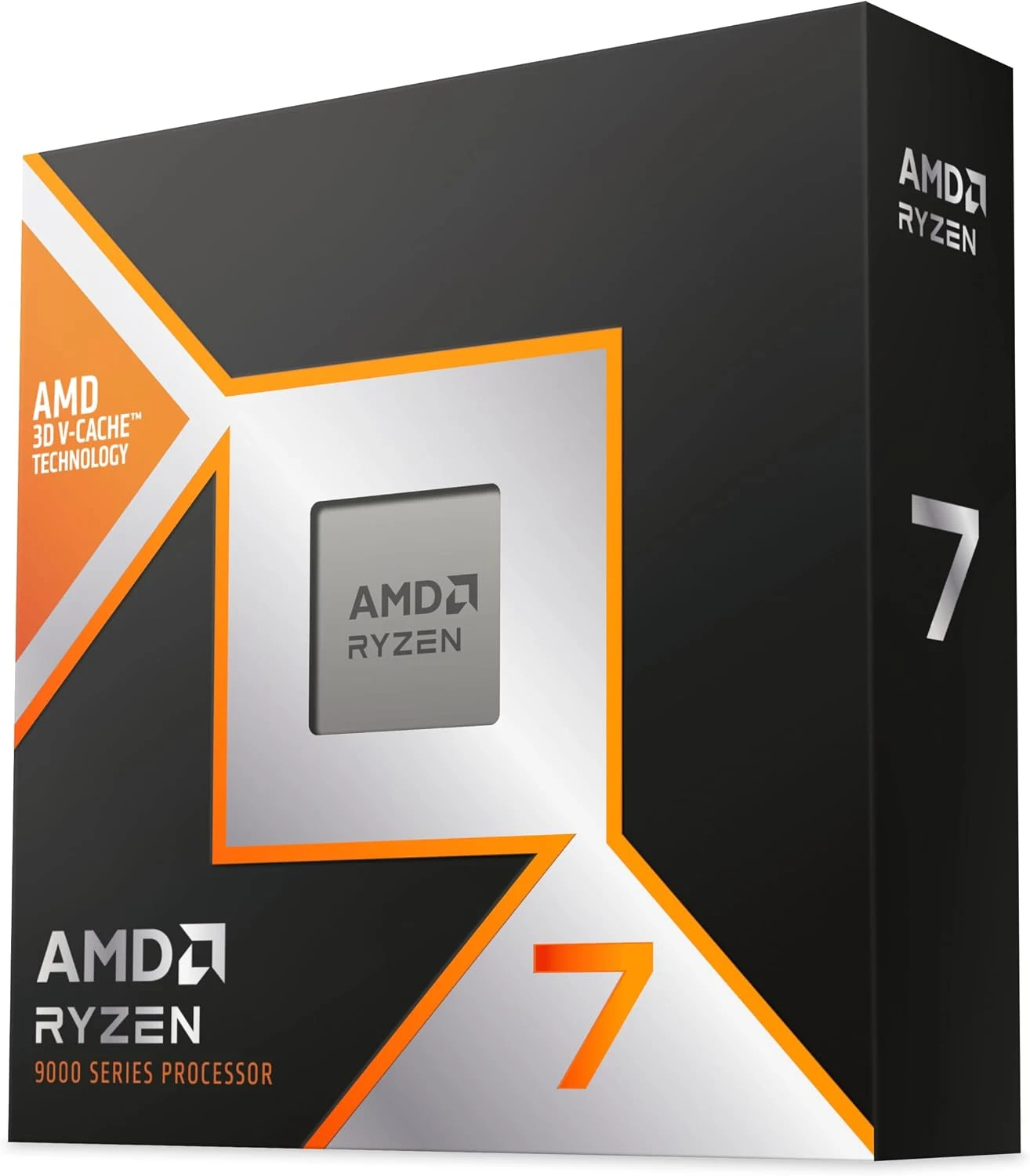
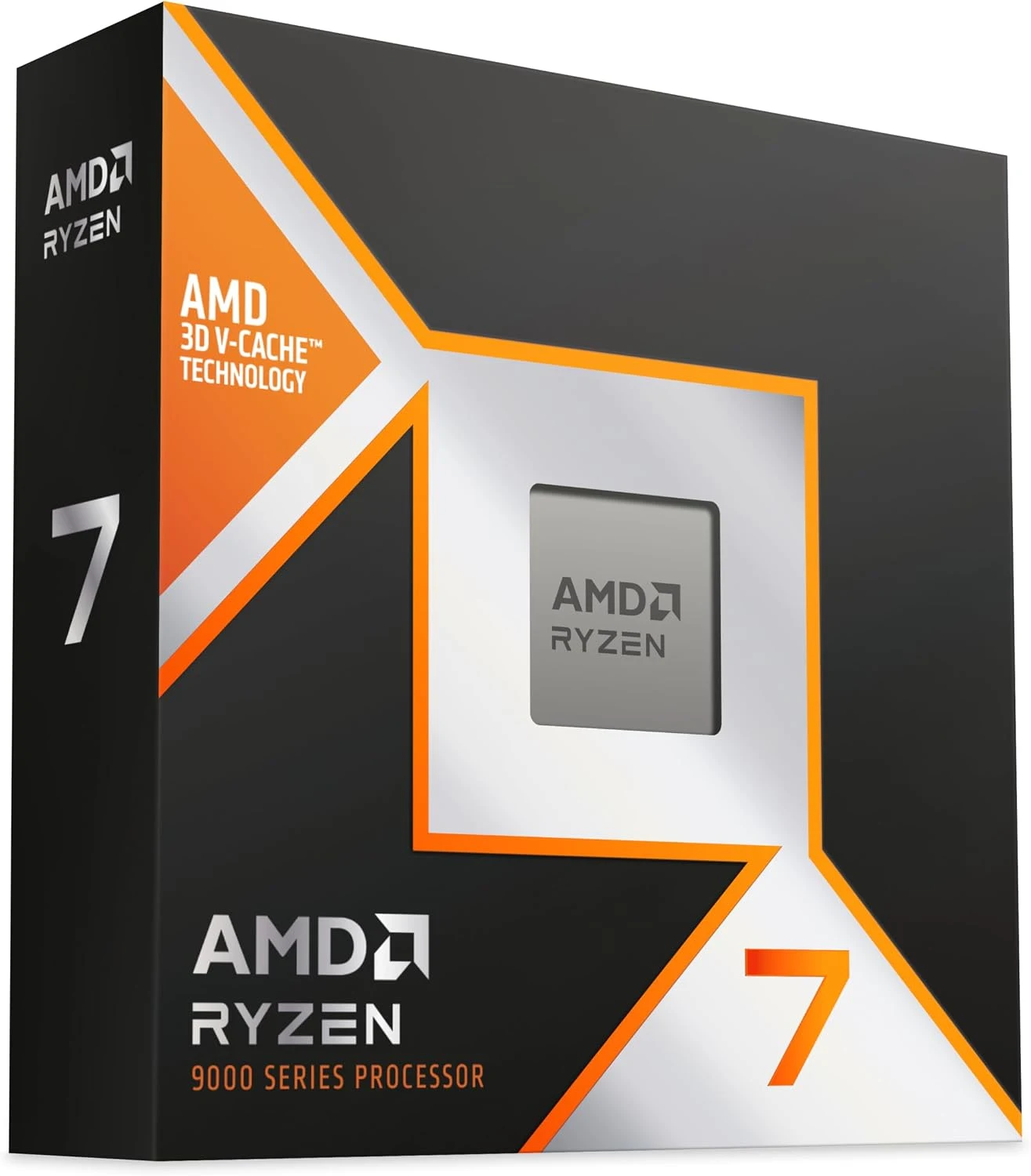
This review concerns the boxed AMD Ryzen 7 9800X3D, part 100-100001084WOF. I would check that full part number on the offer, especially when comparing a processor on its own with bundles, marketplace listings or a different Ryzen generation. A similar-looking retail box is not enough to settle the identity of a component.
A design I would buy for a reason
AMD specifies eight cores and sixteen threads, an AM5 socket and second-generation 3D V-Cache technology. I see a straightforward buying argument in that focus: consider it for a serious gaming build, then decide whether the rest of the system can make sensible use of that choice. These are AMD’s product details, rather than benchmark results measured for this article.
Related reading
I would start with a short list of games and the intended settings. A competitive player aiming for a high refresh rate may have a different priority from someone who wants a quiet computer for a large, visually demanding game. Both can reasonably consider a strong processor, but they should not assume that the same spending balance is ideal.
This is also why I would resist a universal performance promise. A CPU recommendation becomes useful when it names the workload and the rest of the configuration. I would rather see a clear explanation of a relevant game than a huge average whose relationship to my own library is difficult to understand.
An AM5 upgrade still needs preparation
For an existing AM5 computer, my first stop would be the motherboard maker’s CPU support list. I would identify the exact board model and revision, then check the required BIOS. Having the right socket does not remove the need to confirm firmware support before taking the old processor out of a working machine.
I would read the board’s update instructions in advance and keep the process separate from other changes. Installing a new CPU, changing memory settings and replacing several drivers at once can make a problem unnecessarily difficult to isolate. A small plan is less exciting than unboxing, but it is the part that helps an upgrade remain manageable.
An AM4 owner has a larger decision. This is not a processor that fits that older socket. The comparison needs to include a compatible motherboard and DDR5 memory, plus any other parts that no longer fit the proposed build. I would assess the total cost against keeping the existing computer for longer.
I would protect the budget for the GPU
The question I keep returning to is what happens to the rest of the shopping list. If choosing the 9800X3D forces a substantial compromise on the graphics card, I would compare complete builds before committing. A premium CPU should support the experience I want, rather than become the most expensive item I can point to through a case window.
Related reading

For someone who already owns a capable gaming processor, I would want a specific reason to upgrade. That might be a demanding game, a changed display target or a workload that has outgrown the existing machine. Simply seeing a newer model on sale would not be enough for me to dismantle a computer that already feels responsive.
I would compare relevant independent tests only when their hardware and settings make the comparison meaningful. A difference recorded with one graphics card or resolution does not establish the same difference everywhere. That boundary matters particularly when the result is being used to justify a costly platform change.
Cooling belongs in the purchase decision
AMD lists the thermal solution as not included. I would therefore add a suitable cooler to the budget and confirm the mounting hardware, case clearance and installation instructions. Reusing a cooler may be perfectly sensible, but I would check the exact model’s support rather than assume that anything attached to another Ryzen system will be ready.
Noise is part of that decision for me. A gaming computer can share a room with work, calls or recording. I would choose the case and cooling arrangement around that room, then establish a sensible fan setup. I would not turn a manufacturer specification into a claim about temperatures or fan noise without the complete machine in front of me.
AMD’s listed 120 W default TDP is a specification, not a measured electricity bill or a promise of constant consumption. I would avoid multiplying that figure by gaming hours and presenting the result as a real running cost. The actual workload and system settings are part of any useful power measurement.
Related reading
A focused choice has limits
I would consider a different processor when long CPU renders, parallel build jobs or another heavily threaded task dominate the day. More cores can be relevant there, and the right comparison should use that application. I like the 9800X3D’s gaming focus, but I would not pay for that focus without checking that it matches the main purpose of the computer.
The older 7800X3D is worth comparing when its complete build cost is meaningfully lower. A more affordable AM5 processor is another sensible route when it preserves money for the graphics card, display or storage. I would choose the 9800X3D when those comparisons still support it, with enough budget left for a balanced machine and a clear reason to make the upgrade.
Product images come from the selected Amazon gallery. They show the retail packaging and do not document a personal installation, test or benchmark.
What worked
I like a processor choice with a defined gaming purpose and a support checklist that can be checked before buying.
What bothered me
The purchase requires a supported AM5 configuration, DDR5 memory and suitable separate cooling. A low CPU price alone does not establish good total value.
Who should not buy it
I would compare other processors for work dominated by heavily parallel CPU tasks, or keep an existing machine that already meets the need.
Alternatives I would consider
AMD Ryzen 7 7800X3D. I would consider it when the complete build is meaningfully cheaper and meets the intended gaming target.
A less expensive AM5 processor. I would choose this route when it preserves enough money for a more useful graphics card or display upgrade.
Evidence and sources
The cited AMD page establishes the model, platform requirements and manufacturer launch date. Retail photographs show packaging from the selected product gallery.
Features, compatibility and rated figures from the maker are manufacturer information. My opinions are identified in the review.
Conclusion
Worth considering when the intended games and complete configuration support the upgrade. I would keep a capable existing system unless there is a clear benefit worth paying for.
AMD Ryzen 7 9800X3D, boxed, 100-100001084WOF
Amazon US · US
Check price and availability: AMD Ryzen 7 9800X3D, boxed, 100-100001084WOF at Amazon USAffiliate link. As an Amazon Associate I earn from qualifying purchases.
One email a week with practical Mac workflows, useful comparisons and honest tech recommendations.