The Ryzen 7 7800X3D interests me most when I stop thinking about the processor on its own. A gaming PC also needs a graphics card, enough memory, a sensible cooler and a monitor worth feeding. I would put this chip on a shortlist for a gaming-focused AM5 build, then ask a less exciting question: what does buying it leave in the budget for everything else?
Quick verdict
I would shortlist it for a gaming-focused AM5 system after comparing the complete build cost.
Best for: A planned gaming build whose graphics card, display and budget justify the processor choice.
Main benefit: A clear gaming focus, with extra cache and an established AM5 platform.
Biggest drawback: A motherboard or memory change can turn the CPU purchase into a much larger bill; a cooler is not included.
AMD Ryzen 7 7800X3D, boxed, 100-100000910WOF
Amazon US · US
Check price and availability: AMD Ryzen 7 7800X3D, boxed, 100-100000910WOF at Amazon USAffiliate link. As an Amazon Associate I earn from qualifying purchases.
Reviewed version: AMD Ryzen 7 7800X3D, boxed processor, part 100-100000910WOF
Compatibility: AM5 motherboard with the required manufacturer BIOS support, compatible DDR5 memory and a separately purchased suitable cooler. This does not fit AM4 motherboards.
Review context: Exact boxed part 100-100000910WOF; comparison of platform needs, cooling requirements and workload fit. No personal benchmark, temperature or noise result is claimed.
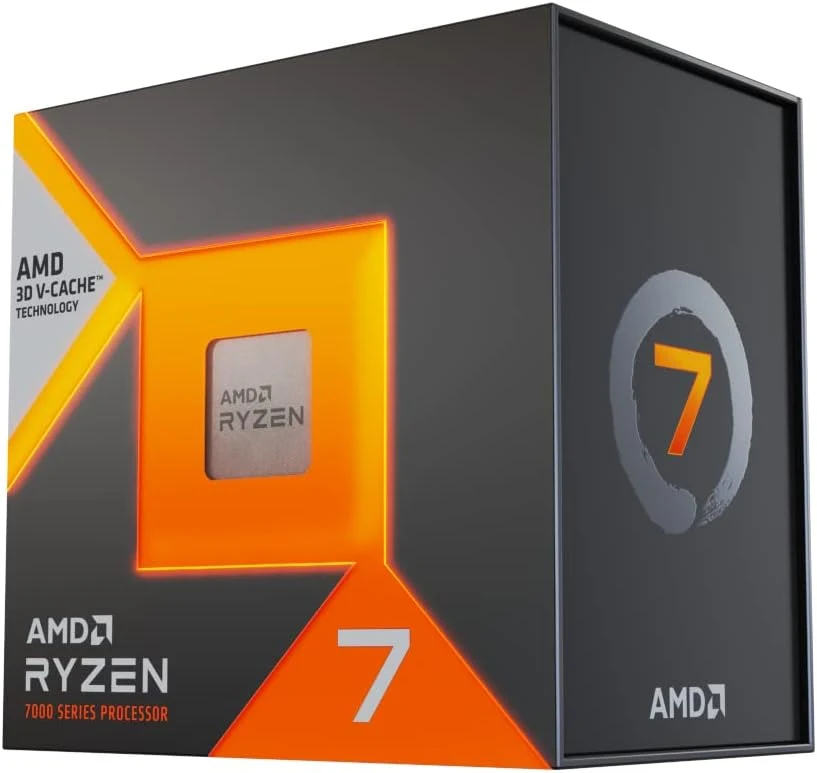
The exact boxed model here is AMD part 100-100000910WOF. It is the AM5 processor, rather than an upgrade that drops into an older AM4 board. That distinction would shape my decision before any performance claim. A good processor at an attractive price can still become an expensive purchase when it starts a complete platform change.
The appeal is a clear priority
AMD lists eight cores, sixteen threads and 96 MB of L3 cache. The extra cache is the central reason I would consider this model for games. Those are manufacturer specifications, rather than results from a computer I built for this article. I would use them to understand the design, then look for evidence that matches the games and settings I actually want to run.
Related reading
I like a component with a clear purpose. I would rather choose a gaming processor deliberately than buy a more expensive model simply because its name contains a bigger number. The important question is how often the proposed computer will play games, compared with the time it will spend doing work that benefits from more CPU cores.
That also keeps my expectations sensible. The processor cannot make every game equally fast. A busy simulation, a competitive game targeting a high refresh rate and a graphically demanding adventure can put very different pressures on the same computer. I would avoid treating one impressive chart as a promise about an entire library.
I would price the platform first
My shopping list would start with the motherboard’s CPU support page. I would check the exact board revision, supported BIOS version and available update method before ordering anything. The socket name is a useful first filter, but a supported configuration is the thing that matters when the machine has to start successfully on a Saturday afternoon.
AMD specifies DDR5 memory for this processor. Someone moving from an AM4 system therefore needs to account for memory as well as the board. I would write down those costs together. It is too easy to call a CPU a bargain while quietly leaving the rest of the necessary purchase out of the comparison.
I would also check the existing cooler’s mounting support and the space inside the case. A compatible mounting kit, adequate clearance and a sensible fan arrangement belong in the plan. I prefer sorting these small physical details before delivery, rather than discovering that an otherwise straightforward upgrade needs another order and several more days.
Cache does not replace the graphics budget
The trade-off I care about most is the graphics card. If the complete build costs a fixed amount, paying more for the processor leaves less for something else. I would compare whole configurations at that budget, including the display resolution and the games that matter, rather than compare CPUs as if the remaining parts were free.
Related reading
For a high-refresh gaming setup, the 7800X3D’s focus is easy to understand. For a machine mainly intended for demanding graphics at a high resolution, I would investigate whether a less expensive CPU and a stronger graphics card produce the more useful balance. That is a decision about the system, not a criticism of the processor.
The same logic applies to an existing PC. I would first identify what is actually limiting the experience. Replacing a capable platform without checking the current bottleneck can spend a great deal of money without addressing the part of the machine that most needs attention.
Cooling should be comfortable to live with
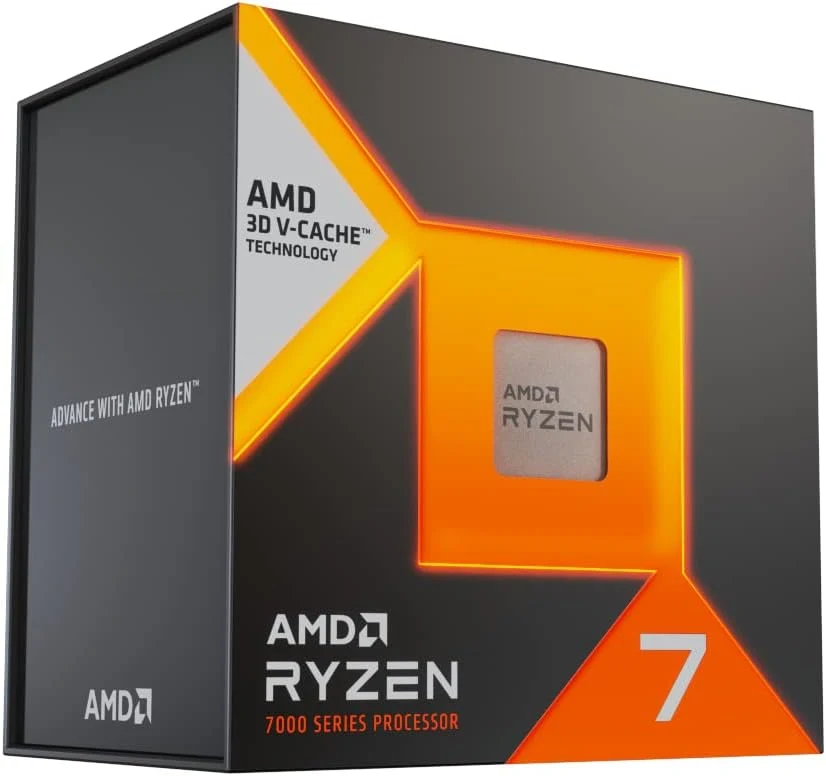
The boxed WOF version does not include a thermal solution. I would budget for a suitable cooler from the beginning and check AMD’s cooling guidance alongside the cooler maker’s compatibility list. The processor price is therefore only one part of the installed cost, even when a shop photograph makes the box look like a complete upgrade kit.
For me, a successful cooling choice also considers the room. A computer beside a microphone or on a small desk needs a different level of attention to fan noise than one used with closed headphones across the room. I would not claim a particular temperature or noise level without testing the actual case, cooler and workload together.
I would begin with supported settings and a stable configuration. Memory profiles, tuning and firmware changes are separate decisions, and I would make one change at a time. A gaming PC that behaves predictably is worth more to me than a setting chosen because it looked impressive in someone else’s screenshot.
Related reading

Who I would steer elsewhere
I would not choose this chip automatically for a computer whose main job is frequent long renders or other heavily parallel work. In that situation, I would compare suitable higher-core processors using the actual application. A gaming-oriented recommendation should not quietly turn into a universal workstation recommendation.
I would also pause if an existing AM4 computer already does its job well. Keeping a useful machine is a valid option. For a new build, I would compare the 7800X3D with a less expensive AM5 processor and newer X3D models at the complete system price. My preference would go to the configuration that fits the work, games and budget, rather than the oldest or newest badge.
Product images come from the selected Amazon product gallery. They show retail packaging and are not photographs of a personal test system.
What worked
I like a processor choice with a defined gaming purpose and a support checklist that can be checked before buying.
What bothered me
The purchase requires a supported AM5 configuration, DDR5 memory and suitable separate cooling. A low CPU price alone does not establish good total value.
Who should not buy it
I would compare other processors for work dominated by heavily parallel CPU tasks, or keep an existing machine that already meets the need.
Alternatives I would consider
A newer AM5 X3D processor. I would compare it when the complete build price is close, using tests relevant to the intended games.
A less expensive AM5 processor. I would choose this route when it preserves enough money for a more useful graphics card or display upgrade.
Evidence and sources
The cited AMD page establishes the model, platform requirements and manufacturer launch date. Retail photographs show packaging from the selected product gallery.
Features, compatibility and rated figures from the maker are manufacturer information. My opinions are identified in the review.
Conclusion
I would choose it when a meaningful saving over newer alternatives improves the rest of the build. Compare the board, memory, cooler and graphics card together.
AMD Ryzen 7 7800X3D, boxed, 100-100000910WOF
Amazon US · US
Check price and availability: AMD Ryzen 7 7800X3D, boxed, 100-100000910WOF at Amazon USAffiliate link. As an Amazon Associate I earn from qualifying purchases.
One email a week with practical Mac workflows, useful comparisons and honest tech recommendations.