The first thing I would decide about the Sennheiser HD 560S is where I intend to listen. Open-back headphones belong to a different routine from noise-cancelling travel headphones. I like the clear focus of a wired pair intended for a quiet room, but that appeal disappears if the main job is blocking conversation in a busy office.
Quick verdict
I would shortlist it for quiet-room listening and editing when isolation is unnecessary.
Best for: I would shortlist it for quiet-room listening and editing when isolation is unnecessary.
Main benefit: The open wired design suits a dedicated listening space without batteries or wireless pairing.
Biggest drawback: It lets room sound in and listening sound out, so it is a poor shared-office or travel choice.
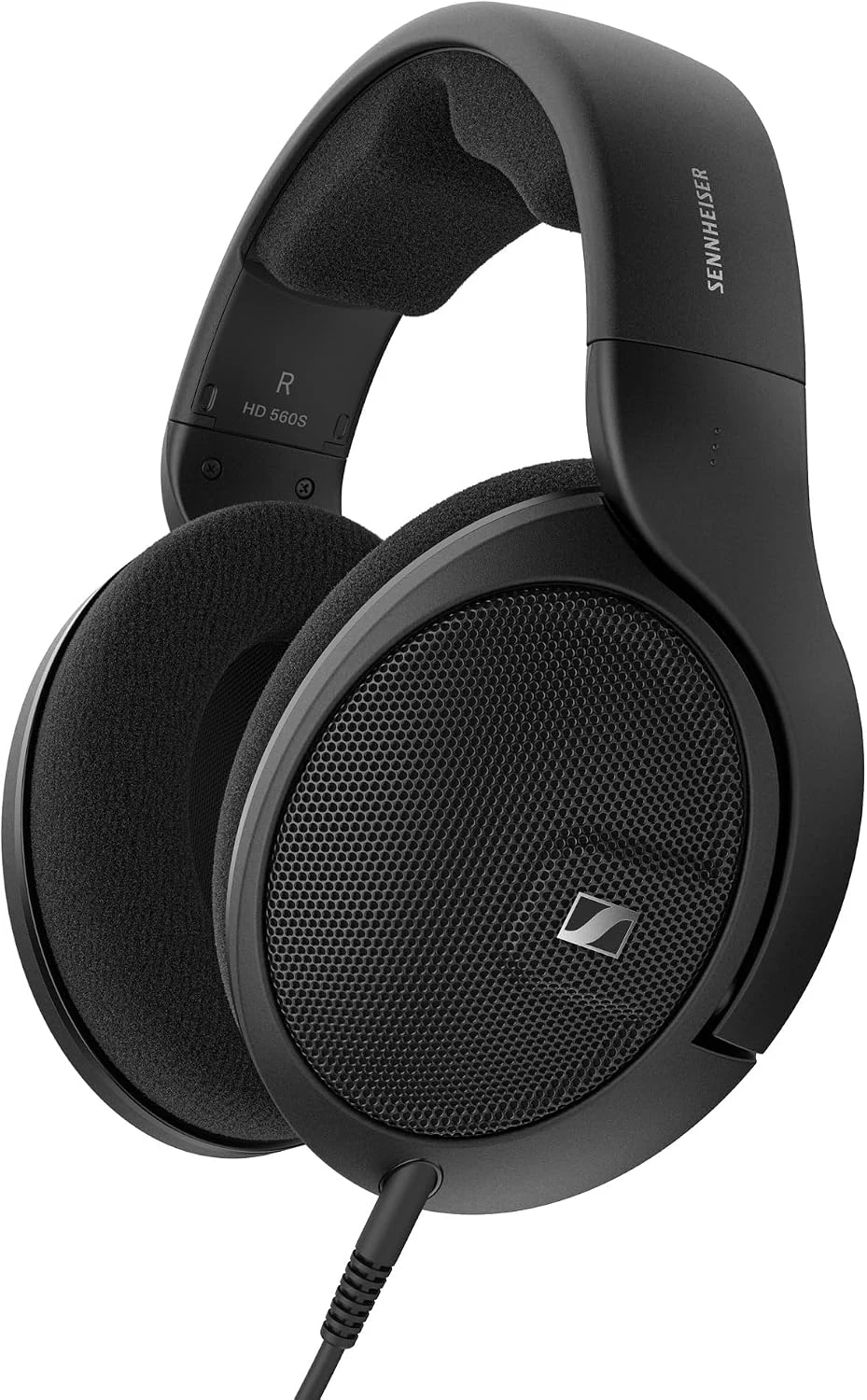
Sennheiser HD 560S
Amazon US · US
Check price and availability: Sennheiser HD 560S at Amazon USAffiliate link. As an Amazon Associate I earn from qualifying purchases.
Reviewed version: Sennheiser HD 560S Open-Back Over-Ear Wired Audiophile Headphones
Compatibility: Wired open-back HD 560S. Confirm the supplied cable termination for the exact package and the output capability of the intended headphone source.
Review context: I assess quiet-room listening, audio-editing priorities, open-back leakage and source/fit checks.
I would shortlist the HD 560S for deliberate listening and some audio-editing work where sound leakage is acceptable. This is an assessment of the documented design and buying fit, not a claimed personal listening comparison. I would still want a comfortable audition with familiar recordings before deciding whether its sound and fit suit me.
The room is part of the headphone system
The open-back design allows sound to travel between the headphones and the room. That is why I would not choose it for a commute or a desk immediately beside someone who needs quiet. Increasing the volume to compete with the room also changes the listening habit in an unhelpful direction.
Related reading

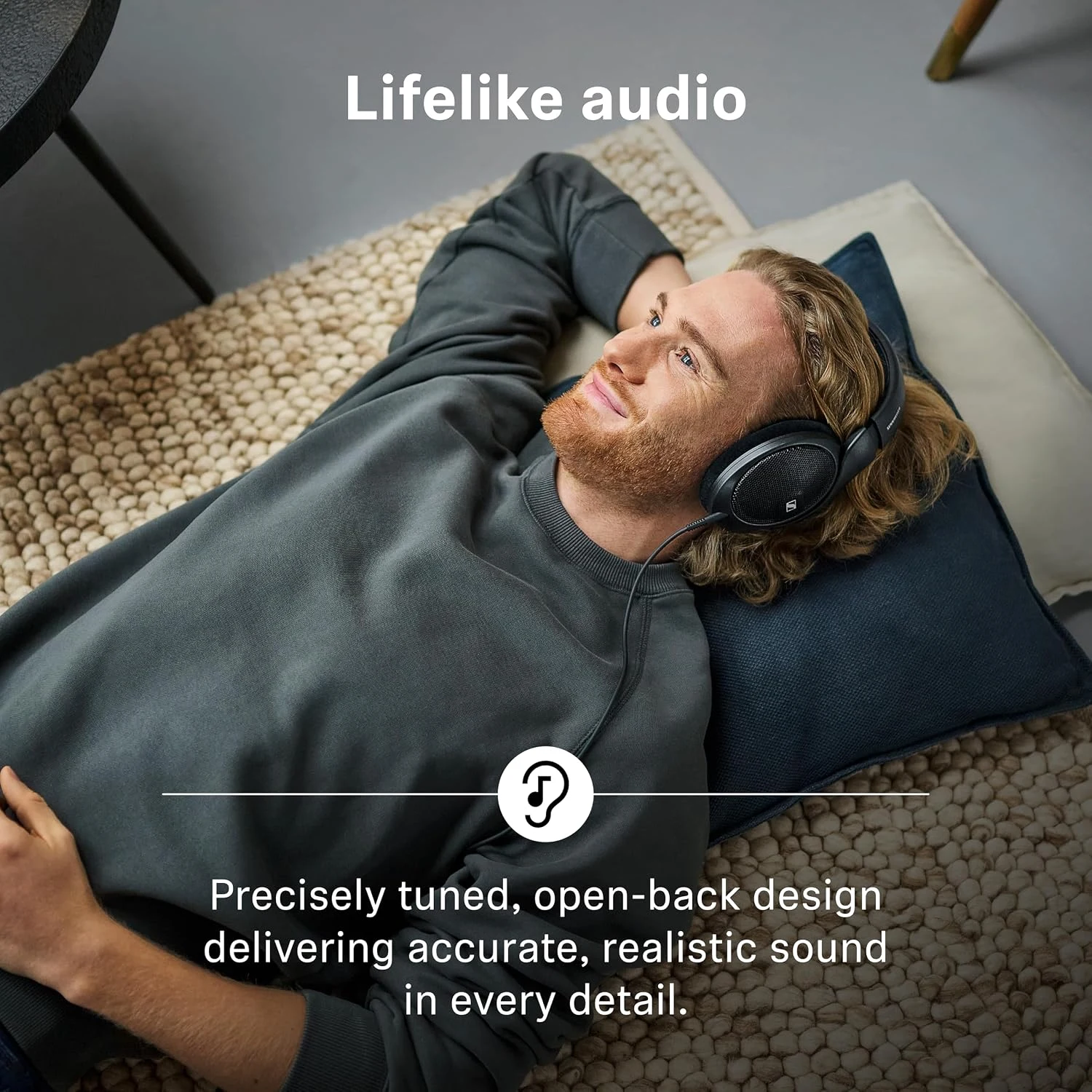
For a private listening corner, the same design can be a good match to the task. I would choose a time and place where I do not need strong isolation. The useful benefit is a headphone setup designed around listening rather than around shutting out the outside world. Whether the presentation feels right remains a personal assessment.
I would also consider what else happens at the desk. A nearby microphone can pick up sound that escapes from open headphones. For voice recording, that makes a closed pair worth comparing even if an open pair is preferred for editing afterwards. One headphone does not have to solve both tasks equally well.
A wired connection keeps the role simple
I like the absence of charging and wireless pairing in a fixed listening setup. A cable can be less convenient while moving around, but at a desk it makes the connection easy to understand. The important practical detail is the cable and adapter supplied with the exact package, rather than assuming every production revision has an identical bundle.
I would check where the cable leaves the chair and whether its length suits the desk. A long lead can be useful when the source is away from the listener, yet become clutter when everything sits close together. Routing it so it does not catch on an armrest is an ordinary part of making wired headphones comfortable to use.
This is not a complete call headset simply because it connects to a computer. A microphone and the correct audio routing may be separate purchases. I would establish that before replacing a wireless work headset with a listening-focused pair. The two products serve different jobs even when both can play the same meeting audio.
The source needs to be suitable, not extravagant
Sennheiser’s source guidance discusses the HD 560S and its amplification needs. I would use that as a starting point for checking the actual output. An impedance number alone does not describe every part of how a headphone and source work together.
Related reading

I would first assess a suitable existing headphone output before buying an elaborate DAC and amplifier stack. The useful questions are whether normal listening has enough level, whether there is clean headroom and whether the connection is convenient. Adding more boxes without identifying a limitation can make a simple desk less pleasant without solving a clear problem.
A comparison should use matched listening levels. A slightly louder sample can seem more impressive even when the difference is not what I am trying to assess. I would use familiar music, moderate volume and a quiet setting, then pay attention to voices, bass balance and comfort. The goal is finding a pair I enjoy living with, not winning an equipment argument.
Editing needs a familiar reference
For audio editing, I would want to learn how a chosen pair relates to other playback systems. A headphone advertised for reference listening is not a guarantee that every decision made on it will translate perfectly. I would compare an edit on speakers or another appropriate system before treating one listening device as the final authority.
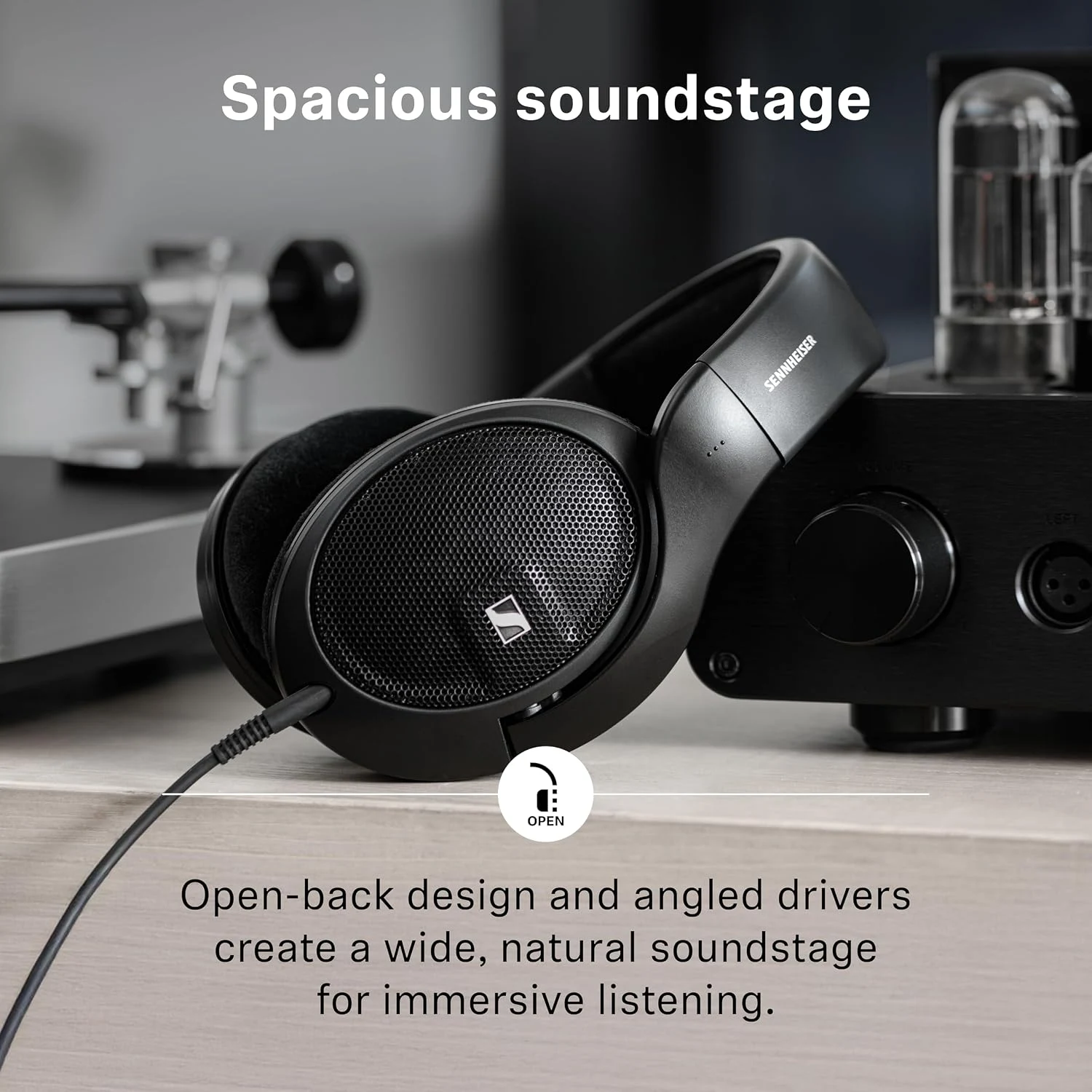
Fit also affects the session. Pads, headband pressure, glasses and the listener’s head shape can change comfort. I would not turn a product’s weight or a soft-looking photograph into a promise of all-day comfort. A return window or an audition has real value for a product that touches the head for long periods.
Replaceable wear items and cable availability belong in a long-term purchase decision. I would check the correct parts for this exact model before assuming every accessory from the wider Sennheiser range fits. A pair that can be maintained is appealing, provided the parts I will actually need remain obtainable through a suitable seller.
Related reading

The right alternative depends on the room
I would compare the HD 600 for another open listening setup, while treating its source requirements and sound preference separately. I would choose closed-back headphones when leakage or room noise is the main obstacle. Noise-cancelling wireless headphones answer a different travel and convenience question again.
My view is positive when the HD 560S is chosen for its intended quiet-room role. I would check the exact package, current offer and listening-source fit, then make the final decision with familiar recordings. The strongest reason to buy is a comfortable, enjoyable listening routine, rather than a specification that tries to stand in for hearing the headphones myself.
The product images come from the selected listing and identified manufacturer materials. My assessment uses the linked product information and the buying decisions explained here. Specifications are manufacturer or retailer claims; the conclusions are my own editorial judgement.
What worked
The open wired design suits a dedicated listening space without batteries or wireless pairing.
What bothered me
It lets room sound in and listening sound out, so it is a poor shared-office or travel choice.
Who should not buy it
Someone needing isolation, active noise cancellation, private listening beside others or a built-in call microphone.
Alternatives I would consider
Sennheiser HD 600. I would compare it for another dedicated open listening setup, with its own source requirements. Read my Sennheiser HD 600 review.
Closed-back headphones. I would choose them when keeping sound in and room noise out matters more than an open design.
Evidence and sources
The linked product documentation and exact retailer listing support the product details. Images: Amazon product gallery. These are not personal test photographs or measurements.
Features, compatibility and rated figures from the maker are manufacturer information. My opinions are identified in the review.
Conclusion
Worth considering when the room suits an open design and the exact source and fit work for the listener.
Sennheiser HD 560S
Amazon US · US
Check price and availability: Sennheiser HD 560S at Amazon USAffiliate link. As an Amazon Associate I earn from qualifying purchases.
One email a week with practical Mac workflows, useful comparisons and honest tech recommendations.