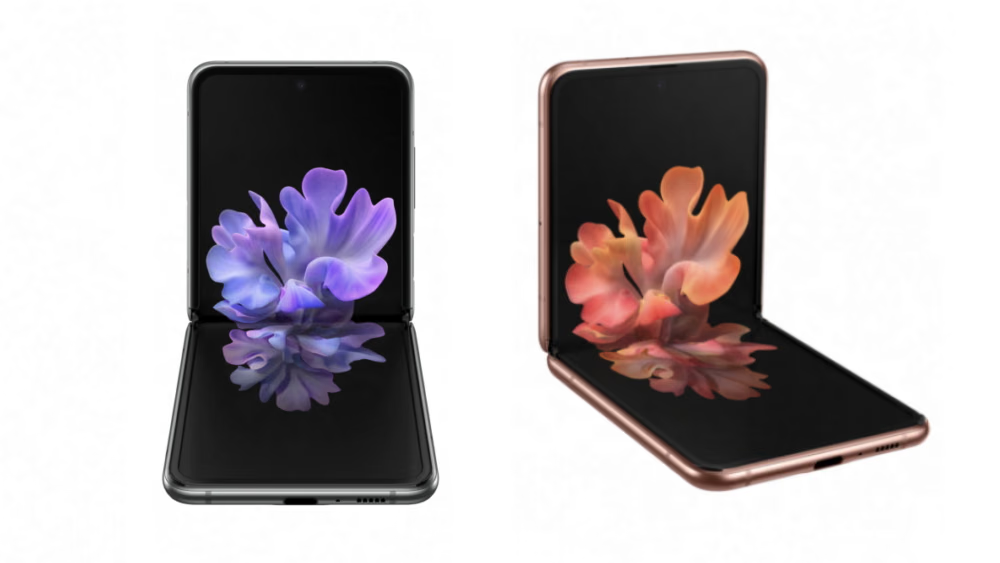
The Galaxy Z Flip 5G put a new radio in a familiar pocket
The Z Flip 5G shortened itself in exactly the situation that made the original model useful. Close it before sitting down or putting it in a shallow pocket, then open it to get the tall screen back. The new version added a chipset and a different option for mobile data. Its two screen sizes and hinge still made most of the daily decisions. This made it a good candidate for somebody who had waited to buy a Flip and could use the new radio. Someone who already owned the first model needed a specific reason to spend the money again.
Quick verdict
Retail release in the United States · Archive date
The Flip 5G made the best case to a new buyer who wanted a foldable pocket shape and had useful 5G coverage.
Best for: Someone whose daily phone was too tall in the pocket and who liked a freestanding camera once the hinge opened.
Main benefit: It added faster hardware and network compatibility while preserving the carrying advantages of the original Flip.
Biggest drawback: The small outside screen still left most actions for the main display, so the hinge had to open frequently.
Reviewed version: The August 2020 Galaxy Z Flip 5G with Snapdragon 865 Plus and 256 GB of storage.
Compatibility: US sub-6 GHz service depended on carrier and location. Flex mode and multitasking required appropriate app support.
Review context: I evaluate the documented retail hardware and the software available in its release window. Regional variants and software changes are identified where they affect the verdict.
This is a launch retrospective based on Samsung’s public release information. The product is the US carrier and unlocked Galaxy Z Flip 5G that went on sale on August 7, 2020. It follows the February LTE model and precedes the Z Flip3. Samsung listed a retail price of $1,449.99 at launch in Mystic Gray and Mystic Bronze. Samsung’s US launch announcement and specifications
The new connection needed a reason in the places you used it
The Snapdragon 865 Plus 5G gave the device a new platform for local processing and 5G. The US specifications listed sub-6 GHz support. A buyer in the middle of a carrier’s rollout needed to look at actual coverage as well as the model name. An upload from a station while waiting for a train might benefit if the service was strong there. A downloaded book and messages usually read on Wi-Fi could give the new modem fairly little to contribute. Service conditions would matter quite differently to those two buyers.
Related reading
It is helpful to test the new network with a specific action such as sending a pair of photos or opening a predictable clip. Trying it where you kept running into a slow connection would make it relevant to your purchase. If the phone fell back to LTE, you could still use it, but the difference in that place came down to the rest of what had changed. Someone who wanted an upgrade for better service at their own home had no reason to assume the phone could solve a problem outside the carrier’s footprint.
A faster platform could make work inside the phone quicker even if LTE remained the connection. That helped operations that waited on video, graphics or heavier applications. It was still worth considering the cost alongside the smaller difference you might see during a short routine. A camera view and a few tiny notifications did not demand a new phone simply because a faster processor was available inside it. For a new buyer, this was the version to examine if both models were similarly priced. For an existing owner the network should have mattered in its own right.
The outside and inside still had separate jobs
The folded phone was roughly square when seen from the front, though considerably thicker at the hinge than when open. The small 1.1-inch cover screen could help you decide whether you needed to open it. It was useful for short information and still a limited place to interact with anything. The 6.7-inch main screen gave enough room for the style of full-size phone Samsung was aiming to put inside a short folded case. The gap between the two screen sizes was more important to daily habits than the extra network combination listed in the technical details.
Someone who needed to check information several times in succession could start to feel the opening step. A buyer who wanted different physical carrying and was willing to reserve the full screen for longer things could welcome the distinction. A few notification checks while the phone stayed shut would make the first boundary clear. Trying to reply in the middle of carrying something would test the other half of the design. Owning a clamshell meant the hinge intervened in ordinary moments as well as nice ones.
The two models have to be compared with that point in mind. Samsung had changed the finish and the electronics. It kept the familiar physical proportions and the small cover. A person disappointed that the February Flip’s cover display asked them to open it too often was likely to encounter similar decisions with this one. Someone who wanted the same carrying benefit with a faster supported network could buy it without accepting a substantially different shape.
Related reading

Flex mode gave the shape a second use
The hinge could keep the device partially folded on a level surface. With compatible software it changed how the interface used the top and bottom of the screen. A video could be visible above a lower set of controls. Samsung’s camera options let the photographer move the view to a different half for a convenient angle. That was useful when the location where you could rest the phone was either above or below the height at which the person was holding it. A phone that fits into a pocket can also take a short video without being held, given a surface it can safely rest on.
Running two apps using Samsung’s software was another reason to give the full screen a look. It was a more convincing feature for a buyer who had a regular pair in mind. Choosing a photo and sending it to somebody is one relevant short action. If both apps needed a lot of room for settings or content, giving each part of a tall phone some of the screen might soon get crowded. The available layouts and supported software were the part to check in person.
The phone was still a foldable with an inner surface that deserved care. A crease could be visible under some light. The two battery cells had a combined typical capacity of 3,300 mAh. That made runtime depend on how much of the day you intended to spend on the main screen and the network. Having a faster modem did not answer how long you would be pleased to do those things. I would have kept the battery question near the tests of an actual connection.
My verdict on the Flip with 5G
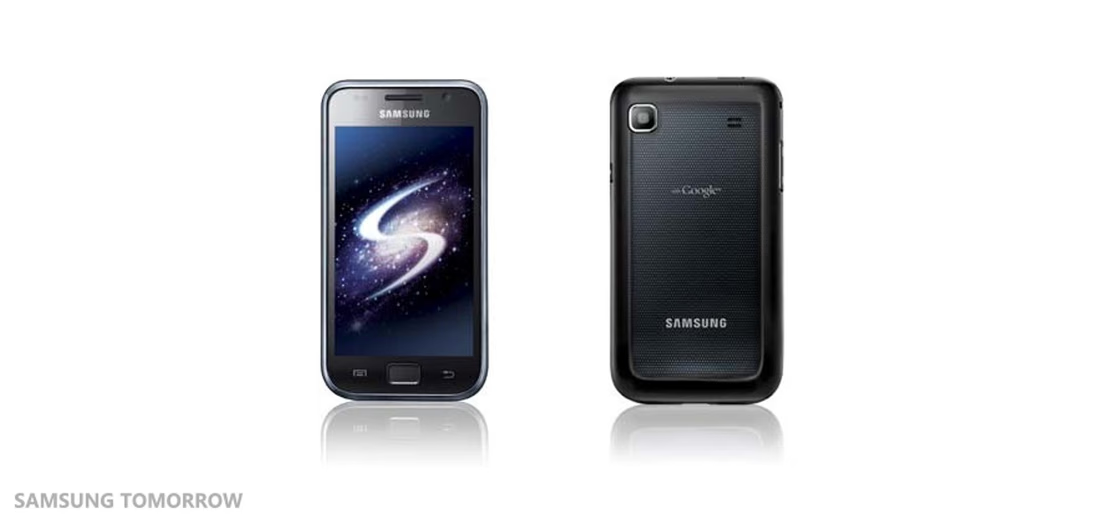
I would have bought the Galaxy Z Flip 5G for a new user who wanted the shape and could make use of the connection or newer chip. I would have kept the original Galaxy Z Flip if I already owned it and mainly wanted the same folded size and useful camera position. The Galaxy Z Fold2 answered a different question about more room when open. The Samsung Galaxy timeline gives the two Flips separate entries because each offered a different launch choice without changing the basic argument for a clamshell.
What worked
It added faster hardware and network compatibility while preserving the carrying advantages of the original Flip.
The partially open hinge let the phone support itself and arrange a compatible camera or video interface across two halves.
What bothered me
The small outside screen still left most actions for the main display, so the hinge had to open frequently.
Early 5G service could be absent at the one place where the buyer expected to depend on it, making the upgrade less noticeable.
Who should not buy it
An existing owner with a good LTE connection whose main goal is a bigger outside screen or a smaller step when reading a notification.
Alternatives I would consider
Original Z Flip. The February 2020 model had the same principal pocket and camera positions with the earlier processor and LTE. Read my Original Z Flip review.
Evidence and sources
The release date refers to general availability in the named market. The archive filing is ten days later. Feature assessments are editorial judgments based on the documented retail model.
Features, compatibility and rated figures from the maker are manufacturer information. My opinions are identified in the review.
Conclusion
Its network benefit was more meaningful for someone buying the form for the first time. The earlier version remained competent for the shared uses.
One email a week with practical Mac workflows, useful comparisons and honest tech recommendations.