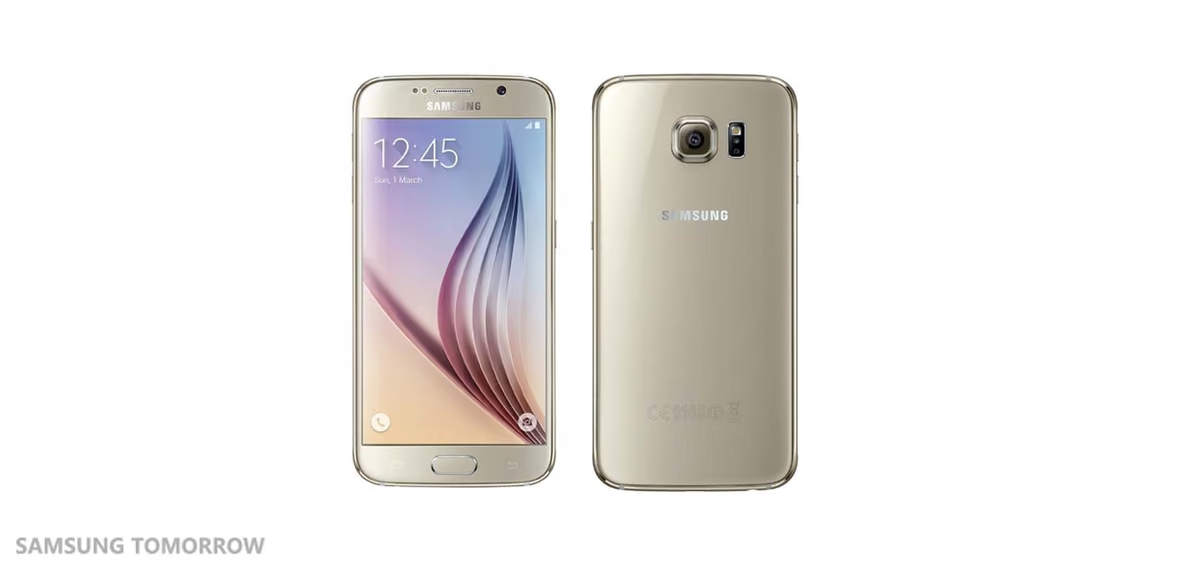
The Galaxy S6 changed where you could put the phone and how you could power it
The Galaxy S6 went on sale in the United States on April 10, 2015. Samsung gave the regular S a flat 5.1-inch Quad HD display, metal and glass construction and built-in wireless charging using common supported standards of the time. A buyer moving from the S5 had to accept a sealed battery and give up the microSD slot. The purchase was clearer if the new shape, camera and regular charging pattern made a greater difference than losing those easily accessed parts. Samsung’s US S6 and S6 edge availability
Quick verdict
Retail release in the United States · Archive date
I would have chosen the S6 if the camera, handling and places I already set the phone down gave the new design work to do.
Best for: A buyer who wanted a flat 5.1-inch panel and could keep the useful files and charging equipment within the phone's new layout.
Main benefit: The new construction and built-in wireless charging gave the S6 several useful ways to tackle quick ordinary work.
Biggest drawback: Owners with media on microSD or a nearby spare battery had to make a real change to their storage and power habits.
Reviewed version: The flat 5.1-inch Galaxy S6 from April 10, 2015 US retail, with three fixed capacity options. The curved S6 edge was a separate model.
Compatibility: It supported WPC and PMA charging with suitable pads, plus wired fast charging. Neither the storage nor the battery was designed for user exchange.
Review context: I evaluate the documented retail hardware and the software available in its release window. Regional variants and software changes are identified where they affect the verdict.
This retrospective concerns the flat Galaxy S6. Samsung launched the curved S6 edge alongside it. The regular and edge phones gave a buyer a direct choice that kept much of the same camera and processor capability. I would have assessed flat front, device grip, what happened to the previous charging and storage routine and how often I needed a good photo quickly. Samsung’s model specifications and international launch
A flat panel gave you a useful starting point
The 5.1-inch high-resolution panel had a conventional shape for a reader or navigation user. Try a dense piece of information with the device held at an ordinary distance. The benefit of the added resolution depends on whether there is enough material to look at and what part of the screen you actually use. A clearer small label or more readable map gives you a better reason to choose the phone than simply noticing a saturated image in a display. I would have compared the brightness, normal text size and approach to handling with the preceding S5.
Related reading
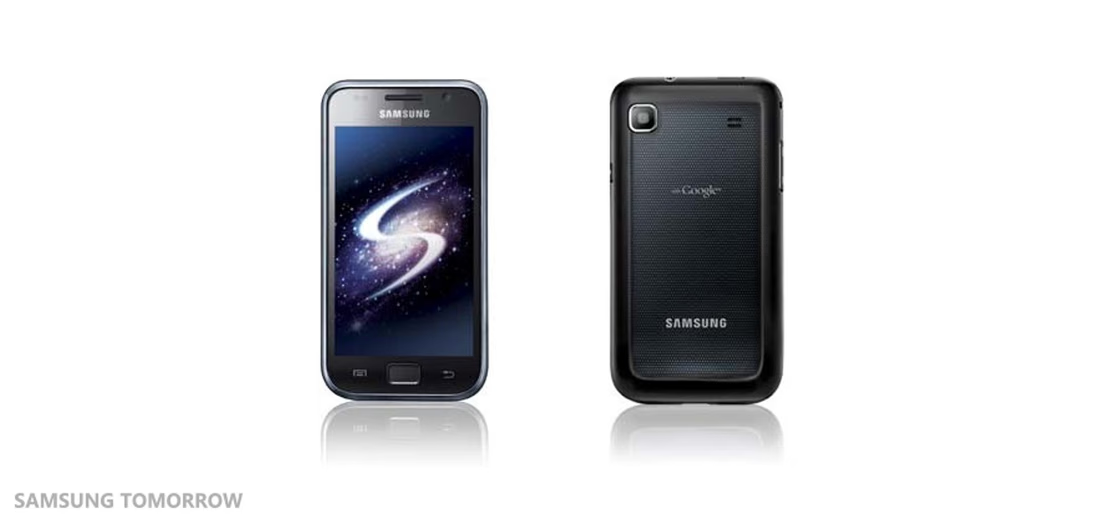
The back and frame made a distinct difference when you grasped it. Holding a phone in the store may tell you about the thickness, but it says less about finding a way to keep it steady when you take it out quickly. A useful case can change the way the metal and glass feel, as well as how the camera area rests on a surface. I would have included any case I expected to use when comparing the regular device with the visually different edge.
Built-in wireless charging is useful in the right place
The S6 supported compatible WPC and PMA wireless charging. A convenient pad already on a desk or common table could make it quicker to put the phone down to charge without handling a cable. There are ordinary reasons to keep the cable. It may give a more predictable charge on some equipment, let you use the phone while connected or be the equipment you already carry. The point of the new design is gaining a regular place to leave it charging, if it coincides with somewhere you put the phone anyway.
The sealed battery means a spare pack no longer supplies a quick exchange. It changes battery planning for anybody spending long periods away from a plug. Take the runtime of the jobs you typically do and how long the phone can stay on a useful charger between them. The convenience of compatible fast charging and a wireless pad gives you a different way to manage the problem. For somebody who routinely swapped a spare in and kept working, the S5 still had an advantage worth including.
The camera’s useful improvement included getting it open
Samsung put a 16MP camera with optical stabilisation and an f/1.9 lens in the regular S6. A helpful comparison is an indoor scene where you need to take a picture before it changes. Open the camera with the quick Home-button shortcut and see how long the useful result takes to make. Focus, moving subjects and a steady grip matter after the camera opens. The shortcut is a good reason to try a common capture because it affects what can be photographed, even when every model already has a good way to compose a planned frame.
With the larger aperture and stabilisation it made sense to compare a still scene in lower light and a moving person under similar light. A slower exposure can help one situation while making the other harder. The available controls and normal processing gave a buyer several ways to take a usable picture. I would have chosen the setting that let me return to the activity rather than the one that needed another attempt after every small change.
Related reading

Storage was a decision to make while the old phone still worked
A buyer who kept albums or recorded video on a card might find that much of the material was worth taking forward. Look at how much was actually used in internal space and how much of the card you intended to keep available. The S6’s 32 GB, 64 GB and 128 GB options were fixed for the lifetime of the phone. I would have accounted for useful recurring files separately from the data I could archive after the purchase. That gives a fairer basis for judging the opening price. The next capacity might be part of the real cost for somebody who was accustomed to managing a detachable library.
The changing hardware also made it possible to decide where the finished job should go. A photo of a detail could be moved wirelessly or over the connection that worked with your computer, and a charging pad could be useful while doing that. Use a short series of files rather than a one-off test that bears little resemblance to what you expect to move. The phone may be efficient for quickly taking the photograph and open to a slower transfer after a larger piece of work. Buyers gain more from the new camera and design when the ordinary data workflow still fits.
I would have checked an in-car setup separately. A glass surface, charger and holder can all affect where a phone rests while directions are visible. The S6 was fairly compact and made an attractive choice for someone with an existing place to set it down. Think about whether the new wireless option would actually be used while the directions were on and whether the position left the right controls within reach. The design comparisons with the S5 and S6 edge become more relevant when you can assess a situation that repeats every day.
My verdict on the Galaxy S6
I would have bought the flat S6 when camera access, the display and a new charging arrangement outweighed losing the storage card and interchangeable battery. Somebody who frequently needed both of those pieces could keep the Galaxy S5 in the comparison. The Galaxy review timeline shows how Samsung’s 2015 change of body and power compared with earlier and later S designs.
What worked
The new construction and built-in wireless charging gave the S6 several useful ways to tackle quick ordinary work.
The Home-button camera shortcut and optically stabilised main camera helped make a useful picture more quickly.
What bothered me
Owners with media on microSD or a nearby spare battery had to make a real change to their storage and power habits.
A fixed battery and storage meant some original S5 advantages were gone even if the wireless charge and new construction made sense.
Who should not buy it
Someone who regularly uses microSD or changes a spare battery during a day without a plug.
Alternatives I would consider
Galaxy S5. The prior model supports a replaceable battery and removable storage, with a different camera, lower display resolution and a different enclosure. Read my Galaxy S5 review.
Evidence and sources
The release date refers to general availability in the named market. The archive filing is ten days later. Feature assessments are editorial judgments based on the documented retail model.
Features, compatibility and rated figures from the maker are manufacturer information. My opinions are identified in the review.
Conclusion
Choose enough fixed storage first. Compare actual charging arrangements and a short camera action before paying for a change of construction.
One email a week with practical Mac workflows, useful comparisons and honest tech recommendations.