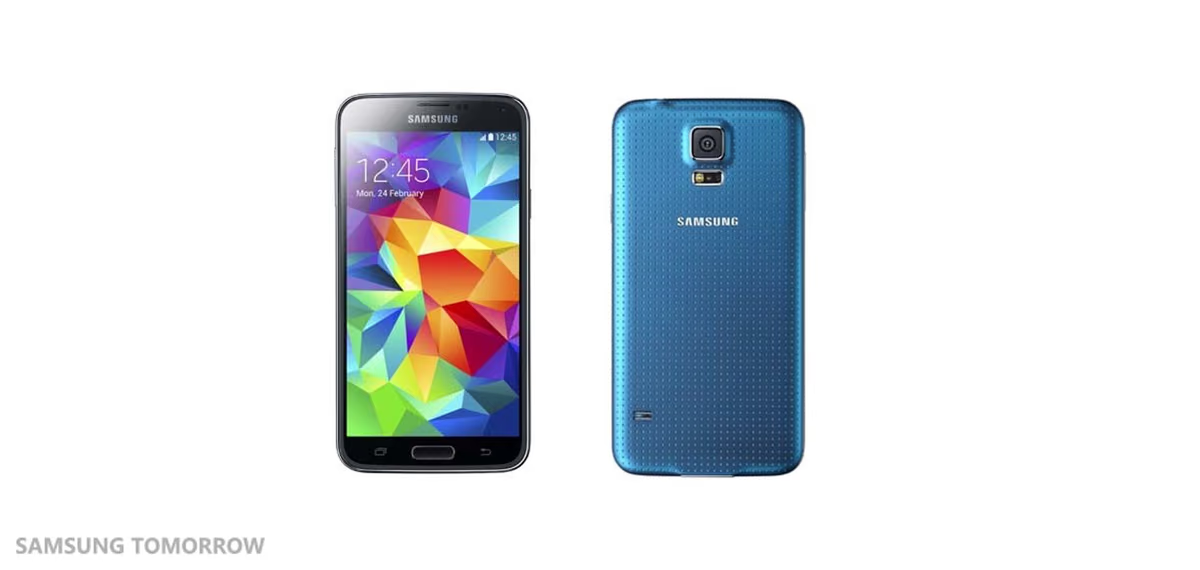
The Galaxy S5 put everyday protection ahead of clever gestures
The Galaxy S5 launched across its first markets on April 11, 2014. It kept a removable battery and microSD while adding an IP67-rated body, a 16MP main camera and a fingerprint reader in the Home button. The simplest case for buying it was a screen and camera that worked in frequent situations and a little more room for the ordinary risks of carrying a phone. The water and dust rating did come with a port cover, which became one of the regular things a buyer had to use. Samsung’s April 11 retail launch
Quick verdict
Retail release in the first global rollout · Archive date
I would have bought it for a regular camera and phone that could tolerate more ordinary incidental exposure, as long as the port setup fit my habits.
Best for: People who bring a phone to circumstances with occasional moisture and still make useful work of a spare battery or card.
Main benefit: The IP67 body offered a distinct benefit alongside a better everyday camera and the underlying storage and battery access of the preceding design.
Biggest drawback: The port flap added an action to wired charging and the fingerprint swipe needed a workable angle. Exact features also varied by local variant.
Reviewed version: The 5.1-inch Galaxy S5 in the April 11, 2014 retail wave. Regional variants affected the chipset and support for some connectivity features.
Compatibility: The removable cover and charging-port cap have to be in usable condition and properly seated for the specified protection. It uses microSD and a removable battery.
Review context: I evaluate the documented retail hardware and the software available in its release window. Regional variants and software changes are identified where they affect the verdict.
This retrospective looks at launch features documented by Samsung. The S5 was a 5.1-inch Galaxy with different regional hardware and support on particular networks. I would have based a purchase on what the device could do where you actually had to use it. The phone did not need every feature in Samsung’s announcement to be useful for that. Samsung’s introduction and feature specifications
A port cover was part of the protection
The IP67 rating gave some confidence around water and dust under the stated conditions. That depended on properly secured covers and intact parts. A person who regularly plugged the S5 in had to open and close the port flap. Try the actual movements at the times when you usually connect a phone. A hurried plug on a desk and a weather-exposed trip can put two different values on the same feature. A buyer who already spent much of the day around incidental moisture might appreciate the design even with the extra motion.
Related reading
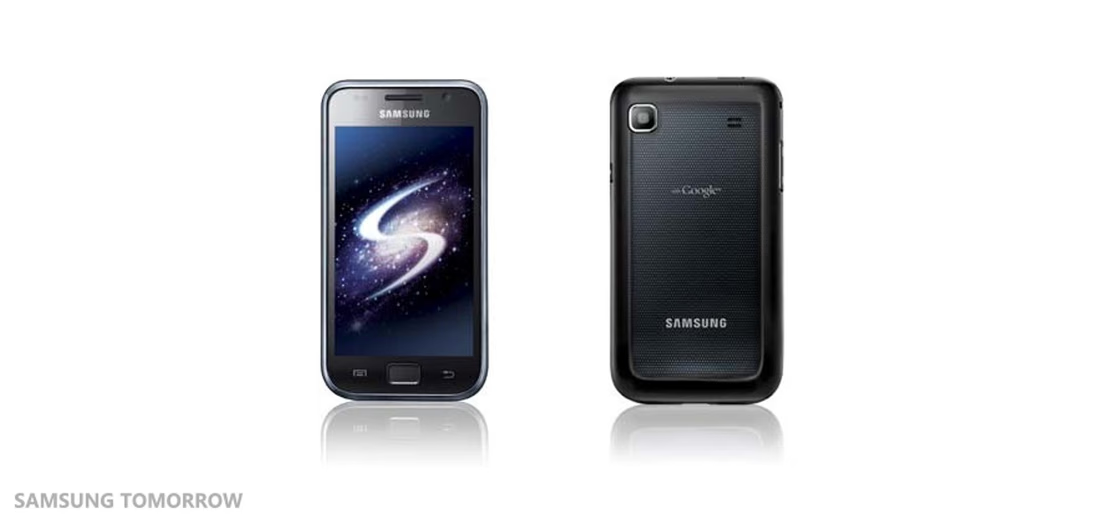
The removable rear cover gave you access to the battery and microSD. It was still worth checking that the cover was put back correctly. This was a body that asked the user to take an active part in all three conveniences. Somebody using a spare charge or storage card needed to be willing to make the device ready again. The next Galaxy generation would change the mix of things you could access and the way the device was built.
A faster camera needed a scene worth catching
The 16MP rear camera and the real-time HDR preview made ordinary capture an important part of the S5. A person taking a photograph into a bright room can see whether a darker part of the scene still contains useful information. Try an example that cannot be repeated exactly and one where you can spend a moment on the preview. A quicker way to focus can be an advantage when timing is the problem. Real-time HDR can answer something else about where you place the camera. These improvements were easier to evaluate by seeing what you could send than by counting new software modes.
Try a stationary detail and a child or pet in motion under light that would give an older phone trouble. Even with a capable camera the two outcomes can be particularly different. A photo that contains a lot of horizontal space gives the scene useful context. A slightly tighter view can make the important detail clear without including as much of that context. The S5 had only one rear camera. The useful choice was to start framing from the position you could reach and decide what the intended result actually needed.
The fingerprint reader and extra apps mattered in ordinary repeat use
The S5’s Home-button reader used a swipe, which can feel different from resting a thumb on a sensor. I would have considered which grip let you put a useful finger where it needed to go. One repeatable unlock while using the other hand is more interesting than several successes with the phone on a counter. The choice is worth assessing against the regular unlock you already had. A buyer who wanted the right balance between protection and convenience would want the fallback to stay clear and easy to reach.
Samsung also updated S Health and included a rear heart-rate sensor. This was a way to collect a reading for a supported app, with an individual reason to use it. A consumer feature for recording such information does not decide how to interpret it. I would have thought about whether keeping a few measurements in the phone actually fitted what I did already. It doesn’t create a camera or resistance benefit, which were easier to value by checking repeated everyday use.
Related reading

Decide how you intend to use spare power and storage
A spare battery offered one way to keep working away from power. An expandable file store mattered if you already had a card or wanted to carry compatible offline media. Check which part of your local data can stay outside the internal storage and which things still need space inside it. I would have taken the cased phone, the connector and the equipment I normally stored before judging how the phone felt as a purchase. The upgrade could preserve most of your habits even where the port cover gave you a different operation.
A short tour of the phone can show where you pay for the weather seal
I would have put the phone away after charging it, then checked whether the port cover could be secured naturally without setting everything else down. A part you have to handle to charge becomes important even if you benefit from its protection only occasionally. The choice is worth making with a case fitted if you use one. Some cases make a flap easier to pull out. Others give you less leverage or less room for a particular cable. These are small things that accumulate if you use the phone as a shared work or travel device.
There were other ways to get a comfortable day from the S5. The included power-saving controls reduced some of the demands the phone made while still leaving a few ordinary functions available. I would have checked which activities I actually needed before relying on that narrower operating mode. Someone already happy with a spare battery had another way to keep the useful settings throughout a long stretch. The rating, power controls and removable battery each offered a different sort of help. Comparing the two where you regularly need them gives a better reason to upgrade from the S4 than counting them together.
My verdict on the Galaxy S5
I would have bought the S5 for a larger, useful view, a better everyday camera and body protection that worked with a routine I could actually follow. The Galaxy S4 kept a removable battery and microSD if those were the main attractions. The Galaxy review timeline shows how the S5’s choices sat next to its preceding and following generations.
What worked
The IP67 body offered a distinct benefit alongside a better everyday camera and the underlying storage and battery access of the preceding design.
The larger display and new rear capture features made it easier to see what a picture contained before and after exposure.
What bothered me
The port flap added an action to wired charging and the fingerprint swipe needed a workable angle. Exact features also varied by local variant.
A reader needed to treat the added sensors and software as individual uses rather than assuming everyone had a reason to use each one.
Who should not buy it
Someone who preferred a simple uncovered charging connector and rarely encountered situations that justified the rating or improved camera.
Alternatives I would consider
Galaxy S4. It kept removable power and storage with a familiar grip. The S5 adds an ingress rating and camera changes. Read my Galaxy S4 review.
Evidence and sources
The release date refers to general availability in the named market. The archive filing is ten days later. Feature assessments are editorial judgments based on the documented retail model.
Features, compatibility and rated figures from the maker are manufacturer information. My opinions are identified in the review.
Conclusion
Compare the option to carry and use the phone in more places against the simple power and camera needs you already meet on an S4.
One email a week with practical Mac workflows, useful comparisons and honest tech recommendations.