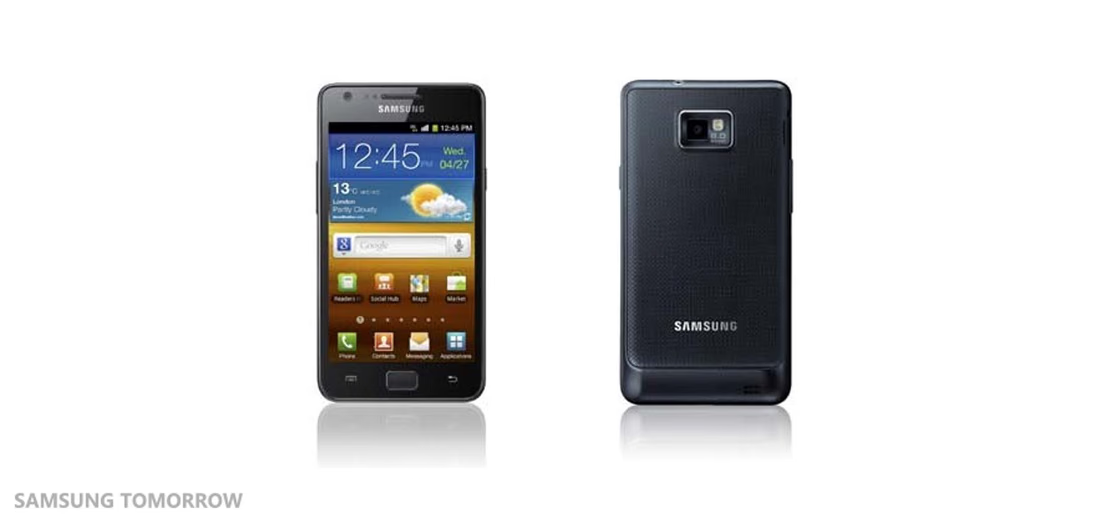
The Galaxy S II made Samsung’s screen useful in more conditions
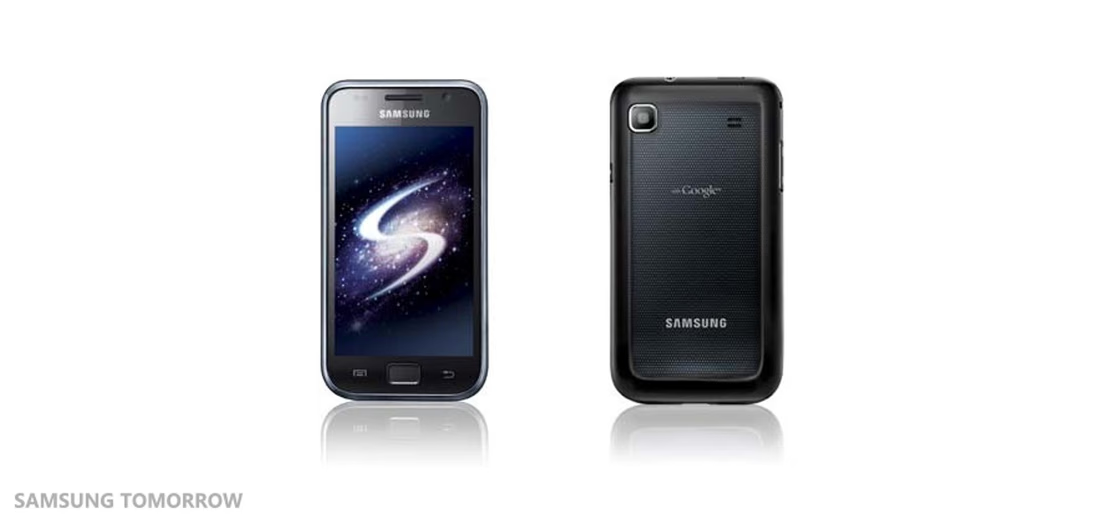
The first Galaxy S was a thin phone with a particularly striking screen. The Galaxy S II took much of that idea into a larger, lighter-looking shape and made the display easier to read. More responsive hardware and a camera capable of full HD video expanded the work you could do away from a desk. The follow-up was convincing because the new parts helped in common jobs, even in the weeks when the fastest network or some of Samsung’s new services were still less dependable than the phone’s own features.
Quick verdict
Retail release in South Korea · Archive date
The Galaxy S II was a persuasive 2011 upgrade if a better view, more responsive apps and better video could help you together.
Best for: A Galaxy S buyer interested in a larger screen and a phone that could make short full HD clips.
Main benefit: The Super AMOLED Plus subpixel arrangement improved edges and text while keeping the nominal resolution.
Biggest drawback: Buyers had to pay attention to which Galaxy S II their carrier actually offered and what it supported.
Reviewed version: The Samsung Galaxy S II sold through SK Telecom and KT in South Korea, with differences for LG U+ noted separately.
Compatibility: The Korean carrier editions used different radio standards and NFC availability. Samsung listed a removable battery and microSD support.
Review context: I evaluate the documented retail hardware and the software available in its release window. Regional variants and software changes are identified where they affect the verdict.
This is a research-based retrospective of the Korean retail release, centred on the SK Telecom and KT version. Samsung held its launch event on April 28, 2011. Korean reporting puts customer sales at April 29, and the Korean communications regulator’s account of sales starts at that date. Samsung listed a related LG U+ version with different carrier support and physical specifications. Korean Communications Commission sales evidence
Super AMOLED Plus changed the picture without changing the resolution
Samsung gave the S II a 4.3-inch screen, larger than the preceding four-inch panel. It retained 800 by 480 pixels. What changed inside the screen was how the colours were arranged within each pixel group. The new structure supplied more subpixels for the same nominal grid. That could make the edges of small features, particularly coloured edges and tiny lettering, look less rough. The explicit resolution and physical dimensions each told only part of the story. Samsung’s description of the second Galaxy S display
Related reading
The difference was practical in more than a shop demonstration. A small address on a map can have nearby lines and a number in a different colour. Reading the right detail amid the surrounding bits asks more of a display than showing one large object. A few lines of ordinary text give a prospective buyer a repeatable way to check if the pixels are being used more clearly. An image in a saturated colour can look attractive. It is a less useful guide to how the phone handles all the lower-key parts of an app.
The increased diagonal did not create a large leap in the amount of information you could show at a fixed logical layout. An interface could occupy the same number of pixels as before and appear a little bigger. The difference can still help someone who wants to inspect a detail. If you plan to read for a long time, check whether an app gives you a text size and line length that make sense together. That can do more to make a screen comfortable than comparing the brightness of two photographs.
A thin shape that still opened for the battery
Samsung put the SK Telecom and KT versions at 121 grams and 8.9 millimetres thick. The width helped support a useful screen while the slim profile made it more reasonable to bring along. The specifications for LG U+ described another body thickness and weight. There is more to the handling than the outer measurements. The back and the shape of the edges influence how easy it is to find a good grip, more so when the phone occupies more of a small hand than the previous model.
The new chassis still accommodated a removable battery. The choice to keep that ability mattered when a buyer used the display for video, navigation or several jobs in a row away from a power point. Swapping a battery could bring a mobile day back on track if you had a charged spare. Capacity by itself could not predict how long a busy radio and bright display would use it. A buyer who rarely ran out of a charge would have benefited more from not carrying the spare. What mattered was having the choice when it solved an existing problem.
Samsung also gave the Korean configurations expandable storage. A memory card was a practical place for part of a music or camera library. Buying one might change the cost of the setup. It also helped separate some of the files you planned to move between devices from the space where apps and their settings lived. Somebody who always cleared space by moving old recordings already had a working way to manage, while a person using the phone as their everyday video device could make better use of a capacity they controlled. Samsung’s Korean models by carrier
Better local work was a stronger guarantee than the network
The Korean phone used a dual-core processor and Android 2.3. Faster graphics and app work made sense with the bigger display, especially when loading several things before coming back to the page or photo you started with. A simple saved file was a better comparison across two phones than choosing a page that might arrive at a different speed each time. Local processing was a property of the phone you could use no matter which Wi-Fi network or cellular coverage you later encountered.
Related reading

If you used SK Telecom or KT, the new radio could benefit from HSPA Plus where that service had been rolled out. The LG U+ variant used a different network system. The release is an example of why “Galaxy S II” alone could not determine which network feature a buyer would get. Some Korean models also included NFC alongside services specific to the market. Comparing an international review with a local listing was only a starting point. The model number, band list and services on the buyer’s carrier were part of the price of getting the right capability.
Samsung offered some of its own software around social services, reading and the home screen. That had a clear benefit if it let you open what you needed with fewer separate steps. The Android home-screen arrangement also left room to use the apps you already understood. I would have rated a familiar exchange of messages more highly than a wide selection of launch partner services I had no reason to use.
The camera helped the phone earn the upgrade
The 8-megapixel rear camera supported 1080p video at 30 frames a second. For a buyer planning to share a short clip on a larger screen, that widened what the phone could plausibly do. A handheld recording still depended on light, sound and how steadily the camera could be held. The practical test was a kind of clip you would record twice a week. Better specifications matter more when the camera makes a task possible often enough to leave the other device at home.
My launch verdict would have been to choose the Galaxy S II for its stronger combination of display, local responsiveness and a capable camera. An owner of the original Galaxy S had a more specific choice. A second device made sense if the increased width helped them read or a better camera covered a real job. If their existing phone did most of that comfortably, confirming which network and software changes they would actually see could save an unnecessary upgrade.
The Galaxy timeline gives the S II a separate place because the difference was a refinement of several parts you could use together. It brought details of a page, a longer local task and the option to store a bigger clip into the same slim device. In 2011 those made a stronger argument for a flagship than any one feature alone.
What worked
The Super AMOLED Plus subpixel arrangement improved edges and text while keeping the nominal resolution.
A removable 1,650 mAh battery and a microSD slot kept power and storage choices open after purchase.
What bothered me
Buyers had to pay attention to which Galaxy S II their carrier actually offered and what it supported.
Its 800-by-480 panel still had the same logical space as the preceding Galaxy S in many views.
Who should not buy it
Someone satisfied with the earlier phone whose chief goal was a carrier speed they could not get where they lived.
Alternatives I would consider
Original Galaxy S. The preceding Galaxy remains instructive for buyers who wanted its smaller screen and already knew its software. Read my Original Galaxy S review.
Evidence and sources
The release date refers to general availability in the named market. The archive filing is ten days later. Feature assessments are editorial judgments based on the documented retail model.
Features, compatibility and rated figures from the maker are manufacturer information. My opinions are identified in the review.
Conclusion
Its biggest difference came from improving several useful phone functions together instead of overcoming the principal restrictions of 2011 mobile service.
One email a week with practical Mac workflows, useful comparisons and honest tech recommendations.