The ProGrade 2 TB CFexpress 4.0 Type B Gold interests me as a working-storage decision, rather than a small object with a large speed number. I would choose it when a supported camera and a substantial recording session create a clear reason for the capacity. I like equipment that fits an understood workflow, with the entire chain considered before the purchase.
Quick verdict
I would choose this 2 TB card only for a camera and recording mode that explicitly support its exact format and capacity.
Best for: A creator with a documented CFexpress Type B workflow who needs fewer card changes during substantial recording sessions.
Main benefit: The 2 TB capacity can support a larger working session, while the 4.0 interface offers a route to faster compatible offload.
Biggest drawback: Camera support, sustained recording requirements and the reader connection can limit the practical benefit of the headline interface.
ProGrade Digital CFexpress 4.0 Type B Gold, 2 TB, model PGCFX2TBATNA
Amazon US · US
Check price and availability: ProGrade Digital CFexpress 4.0 Type B Gold, 2 TB, model PGCFX2TBATNA at Amazon USAffiliate link. As an Amazon Associate I earn from qualifying purchases.
Reviewed version: ProGrade Digital CFexpress 4.0 Type B Gold, 2 TB, model PGCFX2TBATNA
Compatibility: ProGrade Digital 2 TB CFexpress 4.0 Type B Gold, model PGCFX2TBATNA. Not the 128 GB 2.0 card from a mismatched retailer family page, not CFexpress Type A and not a generic XQD upgrade.
Review context: I assess a supported camera/card/reader chain, longer recording sessions, offload and backup. Exact format and approved capacity must be established before purchase.
This assessment concerns the 2 TB 4.0 card, model PGCFX2TBATNA. Related capacities and older generations are not interchangeable descriptions. I would keep the exact model on the order and in the camera’s compatibility check. A retailer family page or a shared product name should not turn a different card into evidence for this one.
Type B is the first compatibility decision
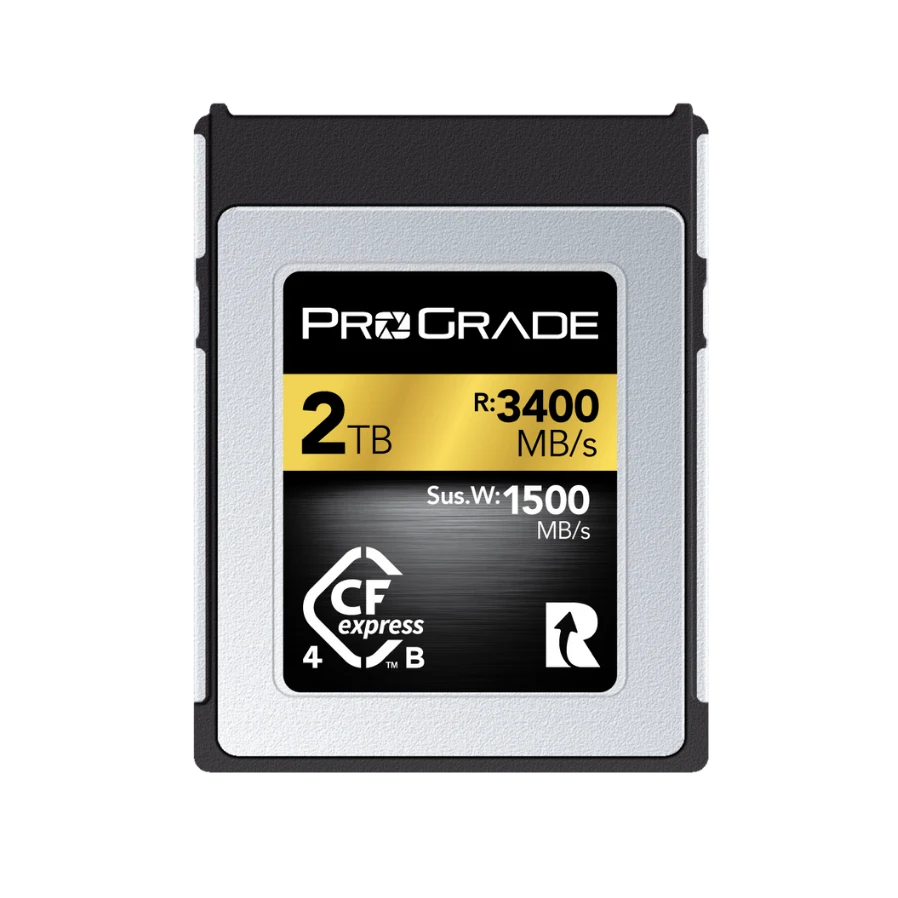
ProGrade’s manufacturer information identifies the card as CFexpress Type B. I would establish that physical and protocol requirement before comparing speed or price. CFexpress Type A is a different format, and a camera with an XQD-related slot should not be assumed to accept every Type B card without the required documented support.
Related reading

The camera’s approved-card guidance is the next reference I would use. I would check the exact capacity, firmware and recording mode together. A camera accepting a family of cards does not automatically establish that the highest capacity is approved for the intended format. I would rather settle that question before an important session than discover a restriction while setting up.
2 TB changes the size of a working session
A larger capacity can reduce the need to change cards during a long recording task. That is the concrete reason I would compare 2 TB with a smaller option. I would estimate the space needed from the camera’s actual recording format, rather than assume that one capacity number corresponds to the same duration across every codec and quality setting.
I would also consider how I prefer to divide work. One large card can be convenient for a substantial session, while several smaller approved cards can create natural breaks for copying and checking files. Neither arrangement is automatically right. I would choose the one that makes the job easier to organize and the saved material easier to identify afterwards.
The next copy also becomes larger when the working card is larger. I would not fill 2 TB simply because the space is available, then leave the whole session without a planned offload. Capacity is most useful when the storage and backup destination can comfortably receive the work. The camera card is part of that route, not its final archive.
Peak interface speed is not the sustained-recording requirement
The Gold and Cobalt datasheet separates product ranges and published performance details. I would read the figures for the exact Gold capacity. A maximum transfer number and a sustained recording requirement answer different questions, so I would not use the larger of the two as a substitute for checking the camera’s approved mode.
This is also why I would keep Gold and Cobalt distinct. A shared manufacturer does not mean that every series offers the same sustained behaviour or is aimed at the same recording workload. I would choose the documented product that meets the actual need, rather than pay for a name that sounds more advanced without understanding the difference.
Related reading

I would not present those manufacturer figures as my measurements. The useful conclusion from the documentation is a purchasing condition: the card, recording mode and required sustained operation should agree. A supported setup is more valuable to me than trying to reproduce a maximum number in a different computer and calling that a camera result.
The reader and host determine the offload route
A 4.0 card needs a suitable reader and host connection to make full use of its transfer potential. I would check each part of the route, including the cable and the computer port. A fast-looking connector shape does not identify the actual supported data path, and an older reader remains a separate limit even when the card is newer.
I would choose an offload arrangement that is stable and easy to repeat. The aim is copying the useful files, confirming the copies and keeping a separate backup before clearing the card. Saving time on a transfer is attractive, but only when the complete process remains understandable. A headline speed does not replace checking that the files arrived correctly.
For a portable editing setup, I would consider power and the number of connected storage devices as well. A reader sharing a limited connection with the destination drive can behave differently from a dedicated route. I would compare the real work area rather than buy a card in isolation and assume the computer arrangement has no effect.
Related reading

I would identify the exact purchase and package
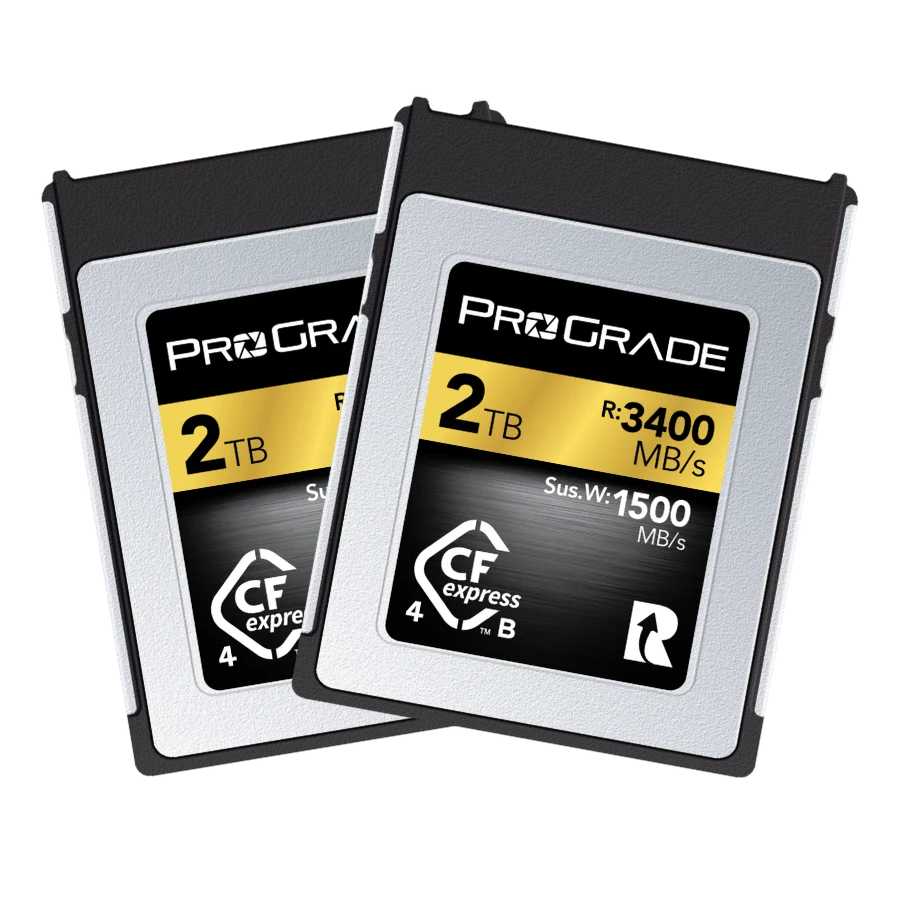
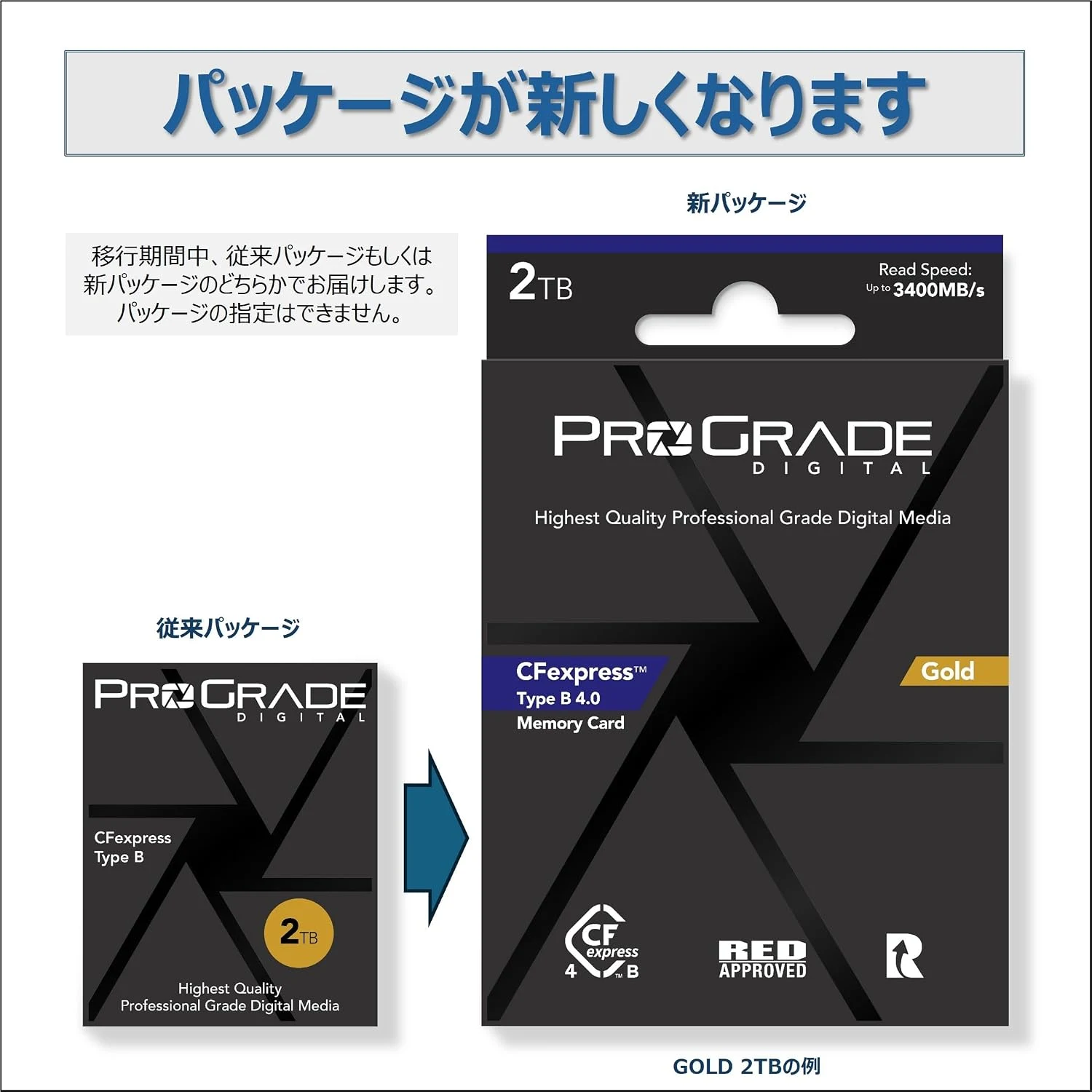
The model and capacity should be explicit on the selected offer. Some manufacturer images show more than one card or a separate multi-card option. I would not treat the number of pictured cards as proof of the quantity supplied. The exact model, package description and seller’s contents should settle what the buyer receives.
My view is positive when the 2 TB capacity and 4.0 interface serve an established, supported recording and copying workflow. I would choose a smaller approved card when it fits the normal session and makes offload easier. The right reason to buy this one is a complete plan for the work, with the exact card identity understood from camera to backup.
The images show the selected product in retailer or manufacturer materials. They are not my test photographs. I base this assessment on the linked documentation and the exact selected listing; the buying choices and recommendations are my own editorial judgement.
What worked
The 2 TB capacity can support a larger working session, while the 4.0 interface offers a route to faster compatible offload.
What bothered me
Camera support, sustained recording requirements and the reader connection can limit the practical benefit of the headline interface.
Who should not buy it
Someone with a CFexpress Type A-only or unsupported XQD camera, or a buyer assuming every card capacity in a retailer family has the same specification.
Alternatives I would consider
A smaller camera-approved CFexpress Type B card. I would choose it when several shorter sessions and smaller offloads fit the work better.
Lexar Professional CFexpress Type B Gold 256 GB. I would compare the exact older-capacity card when the camera approves it and the smaller working set is sufficient. Read my Lexar Professional CFexpress Type B Gold 256 GB review.
Evidence and sources
The primary documentation supports the stated features and limitations. The exact retailer listing identifies the selected model and bundle; source images illustrate the product.
ProGrade CFexpress 4.0 Type B Gold capacity specifications
ProGrade Gold and Cobalt 4.0 manufacturer datasheet
Exact 2 TB ProGrade model and capacity identification
Features, compatibility and rated figures from the maker are manufacturer information. My opinions are identified in the review.
Conclusion
I would pay for capacity and verified workflow support; a smaller approved card is better value when the extra space stays unused.
ProGrade Digital CFexpress 4.0 Type B Gold, 2 TB, model PGCFX2TBATNA
Amazon US · US
Check price and availability: ProGrade Digital CFexpress 4.0 Type B Gold, 2 TB, model PGCFX2TBATNA at Amazon USAffiliate link. As an Amazon Associate I earn from qualifying purchases.
One email a week with practical Mac workflows, useful comparisons and honest tech recommendations.