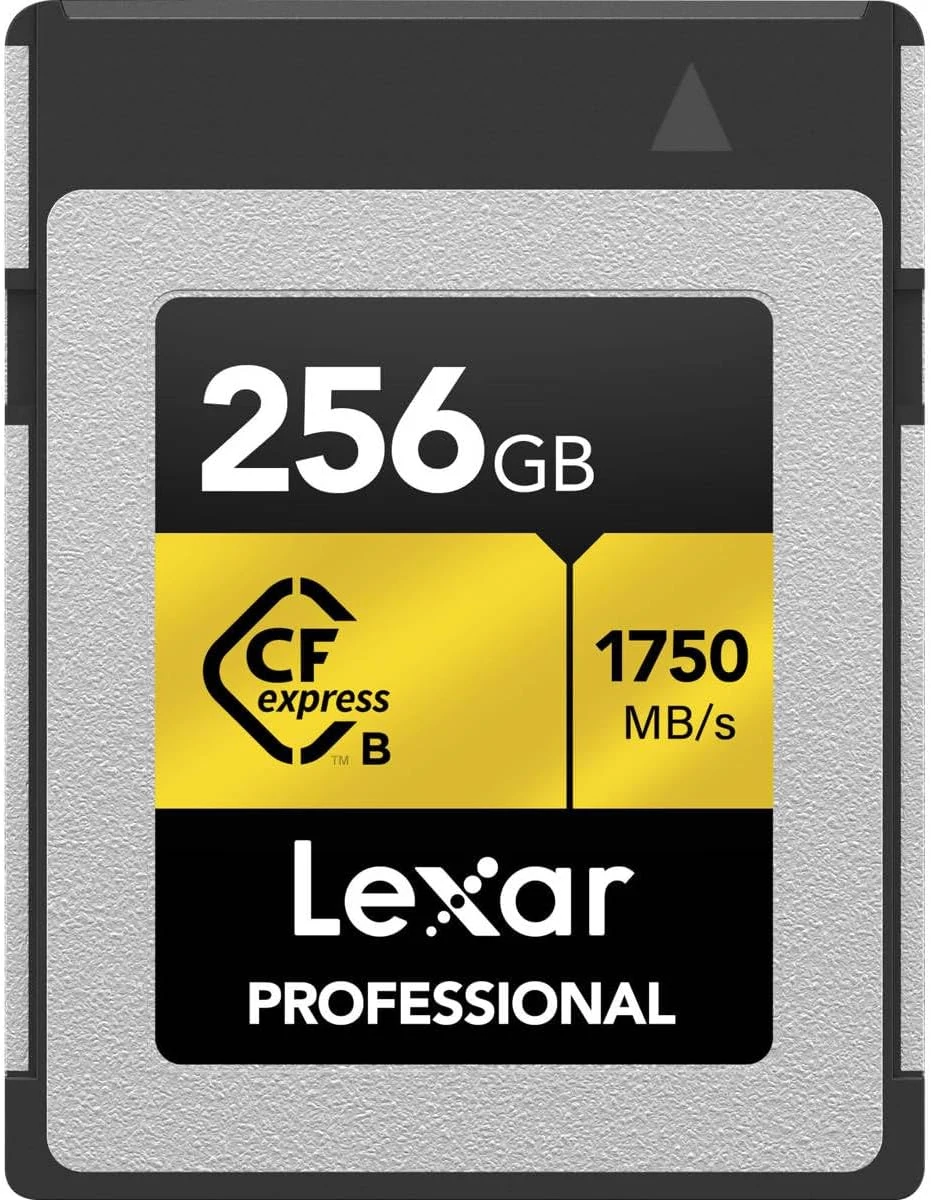
The Lexar Professional Gold 256 GB CFexpress Type B card interests me when I want a manageable working set for a supported camera. I like storage decisions that begin with the recording session and the copying routine, rather than the largest capacity on a shop page. A card earns its value by fitting the complete job reliably and clearly.
Quick verdict
I would choose this 256 GB card when it is approved for the camera and the normal session fits its exact capacity and generation.
Best for: A creator whose supported Type B camera workflow benefits from a manageable working-card size rather than the largest available capacity.
Main benefit: The 256 GB working set can fit a straightforward recording, copying and backup routine without paying for unused extra capacity.
Biggest drawback: A shared Gold name does not establish the newer generation’s performance, and a peak read figure does not prove a particular sustained camera mode.
Lexar Professional CFexpress Type B Gold 256GB, PCIe 3.0 generation, LCXEXPR256G-RNENG
Amazon US · US
Check price and availability: Lexar Professional CFexpress Type B Gold 256GB, PCIe 3.0 generation, LCXEXPR256G-RNENG at Amazon USAffiliate link. As an Amazon Associate I earn from qualifying purchases.
Reviewed version: Lexar Professional CFexpress Type B Gold 256GB, PCIe 3.0 generation, LCXEXPR256G-RNENG
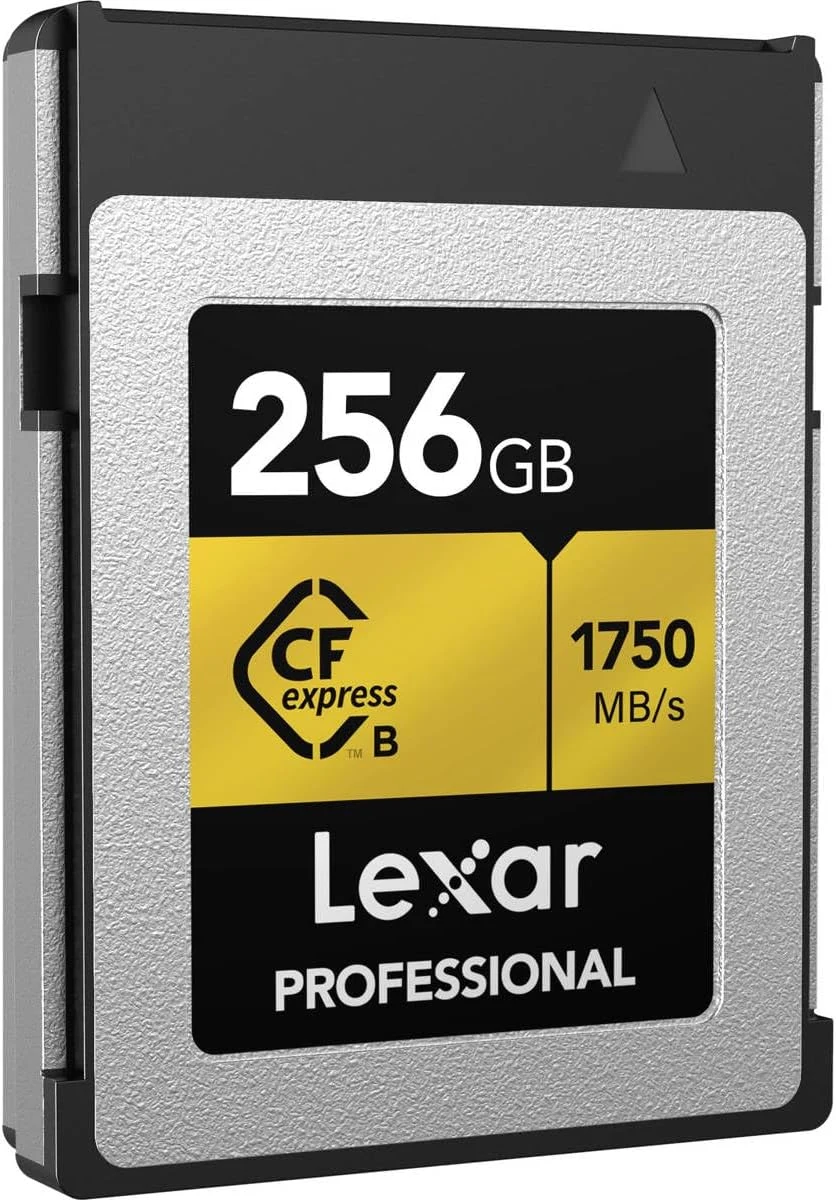
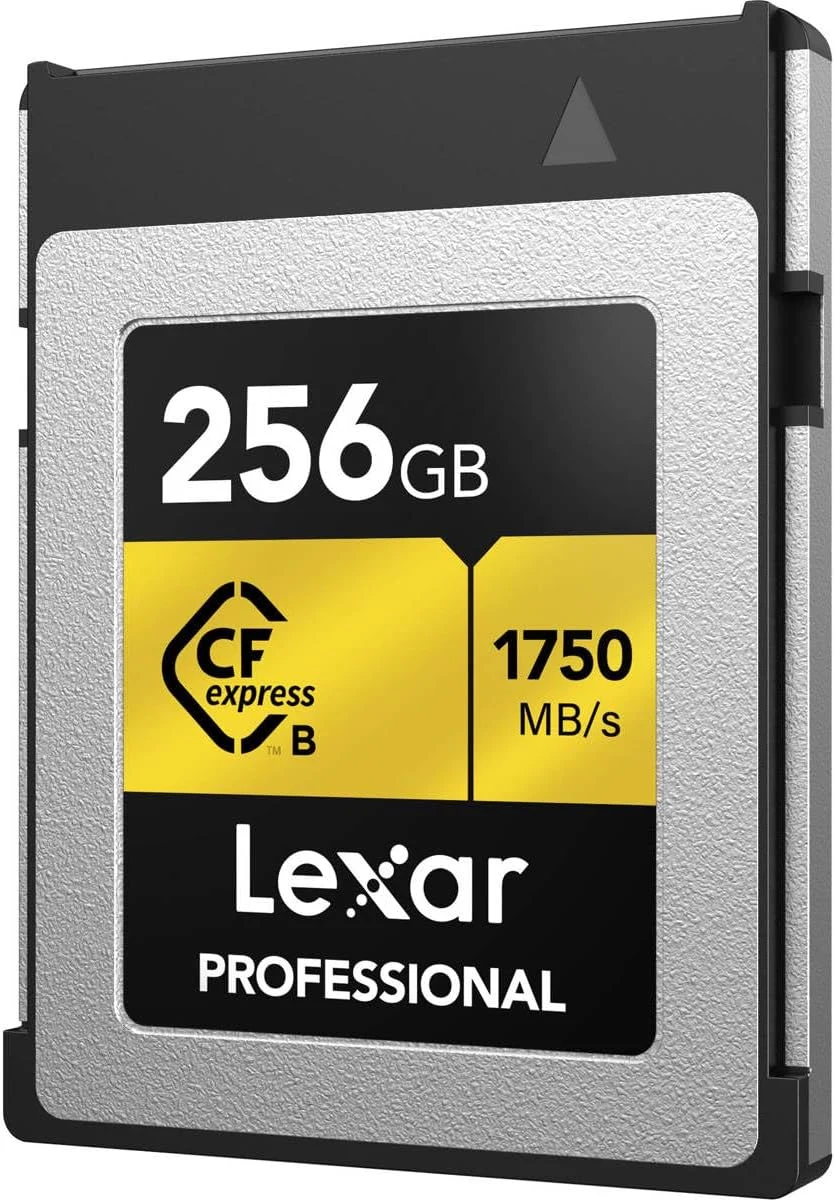
Compatibility: Lexar Professional CFexpress Type B Gold 256 GB, selected older 1750 MB/s-labelled generation. It is not the newer CFexpress 4.0 Gold range or a Type A card; verify exact approved model/capacity with the camera.
Review context: I assess a camera-approved recording mode, a manageable card working set, reader compatibility and copying before reuse.
The exact identity matters here. The selected listing and label describe an older Gold 256 GB generation, with a different position from the newer CFexpress 4.0 Gold range. I would not borrow the newest family’s specifications merely because Gold appears on both. The model, capacity and camera approval should remain together throughout the purchase decision.
Type B is a format choice before a speed choice
Lexar’s official card-family comparison separates CFexpress formats and ranges. I would first establish that the camera supports Type B. Type A is a different card format, and a camera with a familiar-looking related slot should not be assumed compatible without the required firmware and documented support.
Related reading

I would then check the camera maker’s approved-card guidance for the exact model and recording mode. A broad statement that a camera uses CFexpress does not settle every capacity, firmware or demanding format. I would want a clear basis for choosing this card, rather than rely on a shared brand or an old comment about a different model.
That check is especially valuable for video. A normal still-photo session and a demanding recording mode can place different requirements on storage. I would match the card to the actual job instead of buying the highest printed number and assuming that it answers every compatibility question the camera might present.
The Gold name needs a generation beside it
A product family can change while keeping a familiar colour and name. I would compare the selected label, model and published generation rather than treat a current manufacturer page as evidence for every older card. A newer interface’s headline result should not be transferred backwards to a card whose exact documentation describes another platform.
The read number printed on a card is also a particular kind of claim. It does not, by itself, establish the sustained writing behaviour needed for a camera recording mode. I would separate the direction and conditions of a published figure before using it in a comparison. The larger number is not automatically the relevant one.
I would not present those manufacturer specifications as my measurements. Their useful role is guiding a supported purchase. The strongest conclusion is that the exact card and camera requirements should agree, with the relevant capacity-specific data checked. That is more useful than repeating a speed claim without explaining what part of the workflow it describes.
256GB can be the right size for an ordinary working session
I would estimate the space needed from the camera’s actual format and the kind of session I normally record. The same card capacity can represent different amounts of work in different codecs, resolutions or photo formats. I would avoid converting one capacity number into an unconditional recording-time promise.
Related reading

A manageable working card can make copying and review easier. I would be more comfortable with a clear session, a checked copy and a separate backup than with a much larger card that is repeatedly left partly full because offloading feels like a future task. Capacity should support the routine rather than postpone it indefinitely.
The reader belongs in the purchase calculation
The reader must support the actual card format, and the host connection must support the intended data path. I would check the reader, cable and computer port together. A familiar USB connector shape does not establish transfer capability, just as a card family name does not identify every generation’s performance.
For an older card, I would buy a reader for compatibility and the complete workflow, not assume a newer accessory makes the card become a different model. A suitable reader may still be worthwhile for later equipment, but I would keep that future purchase separate from claims about what this selected card can do now.
I would also consider the destination drive and how it is connected. Copying to another device through a shared connection can create a different route from a dedicated reader and fast local storage. The practical result depends on the chain. I would not attribute every transfer limit to the card because it is the smallest visible item in the setup.
A clear copying routine is part of the value
After a session, I would copy the useful files, check the copies and keep a separate backup before clearing the card. A camera card is working storage, not the whole archive plan. The useful purchase includes enough destination space and a simple way to identify what has already been saved.
Related reading

I would follow the camera maker’s guidance for preparing and formatting approved media. A card moved between several devices can be harder to keep organized than one assigned to a clear camera role. I would label its place in the kit and keep the exact model identifiable, especially when several similar-looking Gold capacities are carried together.
My view is positive when this exact 256 GB card is approved for the intended camera and fits a repeatable working session. I would choose a newer card for a documented need it serves, or a different capacity when the session requires it. The useful reason to buy is a complete supported workflow, rather than the assumption that every Gold label describes the same product.
The images show the selected product in retailer or manufacturer materials. They are not my test photographs. I base this assessment on the linked documentation and the exact selected listing; the buying choices and recommendations are my own editorial judgement.
What worked
The 256 GB working set can fit a straightforward recording, copying and backup routine without paying for unused extra capacity.
What bothered me
A shared Gold name does not establish the newer generation’s performance, and a peak read figure does not prove a particular sustained camera mode.
Who should not buy it
Someone with a Type A-only camera or assuming every Lexar Gold card shares the same interface and sustained-performance specification.
Alternatives I would consider
A newer approved CFexpress 4.0 Type B card. I would choose it when the camera or offload system can use its specific advantages. Read my A newer approved CFexpress 4.0 Type B card review.
A smaller camera-approved card. I would choose it for shorter sessions when a smaller copy and spare-card arrangement fits better.
Evidence and sources
The primary documentation supports the stated features and limitations. The exact retailer listing identifies the selected model and bundle; source images illustrate the product.
Features, compatibility and rated figures from the maker are manufacturer information. My opinions are identified in the review.
Conclusion
I would pay for a specifically approved card and a reliable working routine, not for a family name or an unused capacity increase.
Lexar Professional CFexpress Type B Gold 256GB, PCIe 3.0 generation, LCXEXPR256G-RNENG
Amazon US · US
Check price and availability: Lexar Professional CFexpress Type B Gold 256GB, PCIe 3.0 generation, LCXEXPR256G-RNENG at Amazon USAffiliate link. As an Amazon Associate I earn from qualifying purchases.
One email a week with practical Mac workflows, useful comparisons and honest tech recommendations.