The Panasonic Lumix G85 kit interests me as a camera arrangement that is ready for a useful range of ordinary work. I like a body with a proper grip, a screen that can move and a zoom that does more than one narrow job. Those are practical reasons to compare a kit before deciding that a newer body is automatically the better purchase.
Quick verdict
I would choose the G85 kit for a modest stills-and-video setup when stabilization and a useful zoom matter more than the newest tracking features.
Best for: A creator wanting one everyday zoom and a camera with an articulated screen and in-body stabilization.
Main benefit: The body and supported lens stabilization can work together, while the 12–60mm range covers a useful set of starting scenes.
Biggest drawback: It is an older camera platform, and I would not expect the focusing and video options of newer phase-detect models.
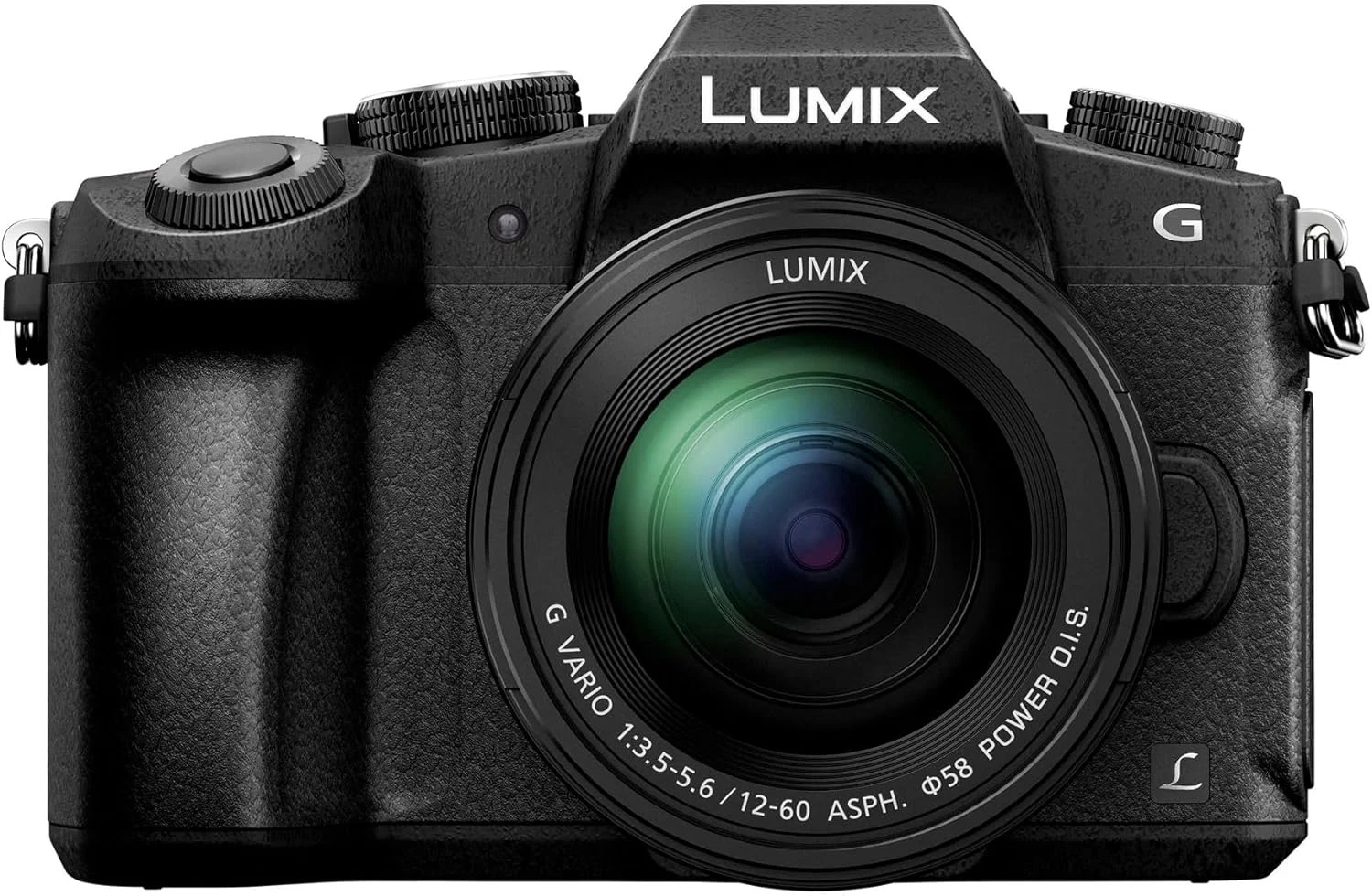
Panasonic LUMIX G85 black with 12–60mm Power O.I.S. lens, DMC-G85MK
Amazon US · US
Check price and availability: Panasonic LUMIX G85 black with 12–60mm Power O.I.S. lens, DMC-G85MK at Amazon USAffiliate link. As an Amazon Associate I earn from qualifying purchases.
Reviewed version: Panasonic LUMIX G85 black with 12–60mm Power O.I.S. lens, DMC-G85MK
Compatibility: Panasonic DMC-G85 with LUMIX 12–60mm F3.5–5.6 kit lens, not the Leica F2.8–4 zoom. Micro Four Thirds lenses and Dual I.S. combinations need exact model and firmware compatibility.
Review context: I assess handheld stills, deliberate 4K clips, screen positioning and a manageable Micro Four Thirds lens system.
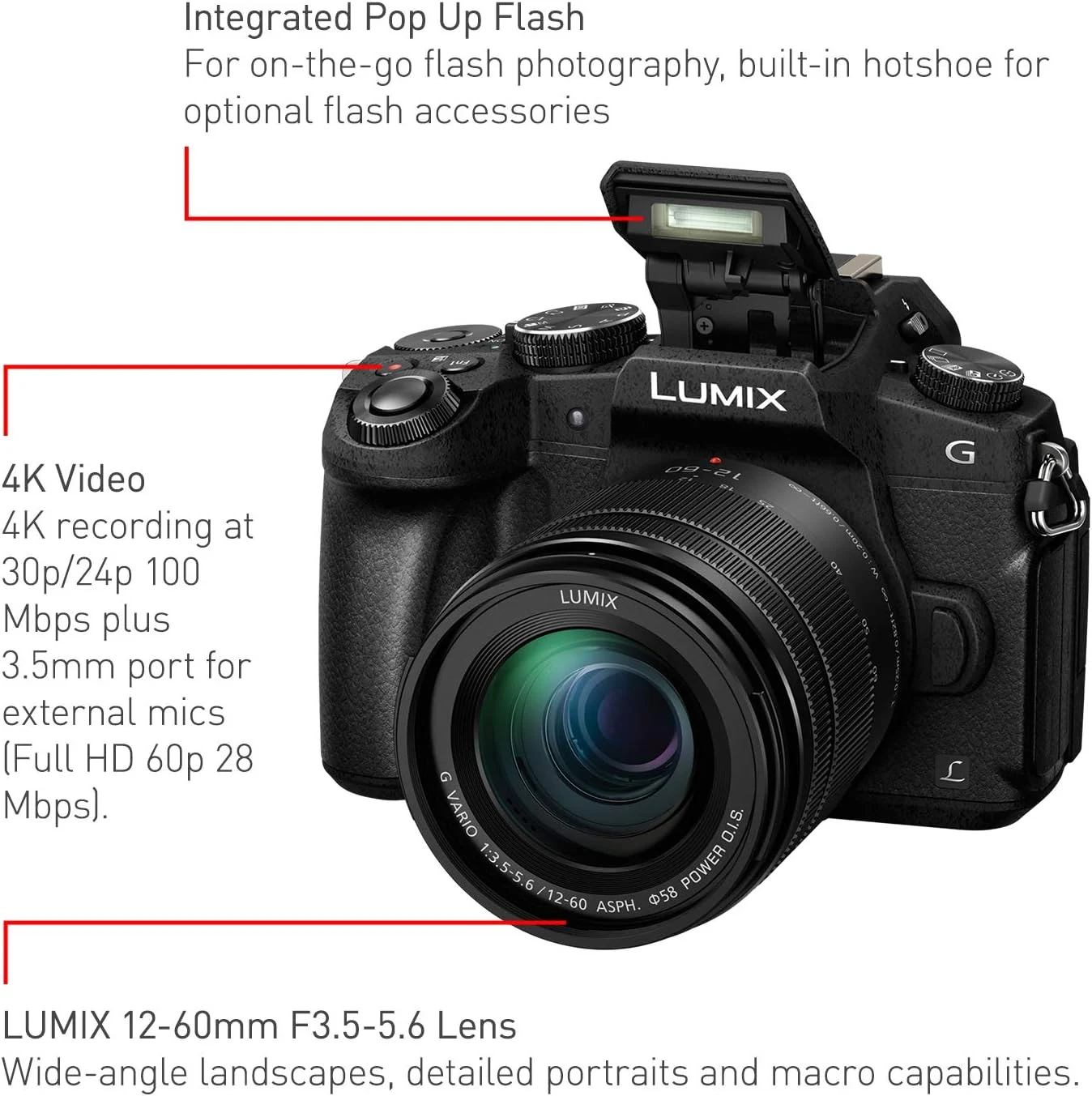
I would still enter this as an older Micro Four Thirds platform, with its actual limits understood. The selected offer includes the 12–60mm kit lens. That is not the similarly named Leica 12–60mm lens with a different aperture specification. I would keep the exact lens name in the comparison because it changes what the package contains and what another offer is worth.
The zoom can explain the first set of photographs
The kit’s 12–60mm range gives me a clear reason to start with one lens. I would use it to explore wider surroundings, people and closer details before deciding where another lens would help. I would rather discover a specific limitation through the intended work than buy several lenses because the camera has an interchangeable mount.
Related reading

The variable aperture belongs in that expectation. I would not choose this zoom as a substitute for a fast prime lens in every indoor situation. Its appeal is a useful range in one manageable arrangement. If low-light portraits become the main interest later, that would be a defined reason to compare a different lens.
The focal-length numbers also belong to the Micro Four Thirds format. I would compare the angle of view needed for the actual scene, rather than read the numbers as if every sensor format frames identically. A camera system is easier to choose when the lens helps make a particular picture, not when the specification is separated from its format.
Stabilization is valuable with the supported combination
Panasonic’s operating guidance explains in-body stabilization and compatible Dual I.S. arrangements. I like the possibility of the body and a supported lens working together. I would check the exact lens and firmware rather than assume that a shared mount guarantees every stabilization mode.
I would use stabilization as help with camera movement, not as a way to freeze a moving person. A subject can still need an appropriate shutter speed even when the camera is steadier. That distinction matters for family photographs and moving details. The useful feature should support an exposure choice, rather than become a reason to ignore what the subject is doing.
For a handheld clip, I would think about the movement I want the viewer to see. Standing still, making a small adjustment and walking while filming are different tasks. I would check the supported settings and judge a short clip before planning a longer sequence. A stabilization label is not a personal measurement of every possible movement.
The articulated screen supports deliberate camera positions
The screen arrangement is attractive when a low or self-facing camera position is part of the work. I would choose the position for the picture, then use the display to inspect framing. That can make a small camera setup more flexible than one whose screen stays fixed behind the body.
Related reading

I would keep the initial control arrangement simple. A few familiar exposure and focus choices are more useful than trying every menu option immediately. For a modest working kit, the goal would be an understandable process from framing to saving the file. The G85’s physical controls are interesting when they help keep that process deliberate.
Older video and focusing need their own expectation
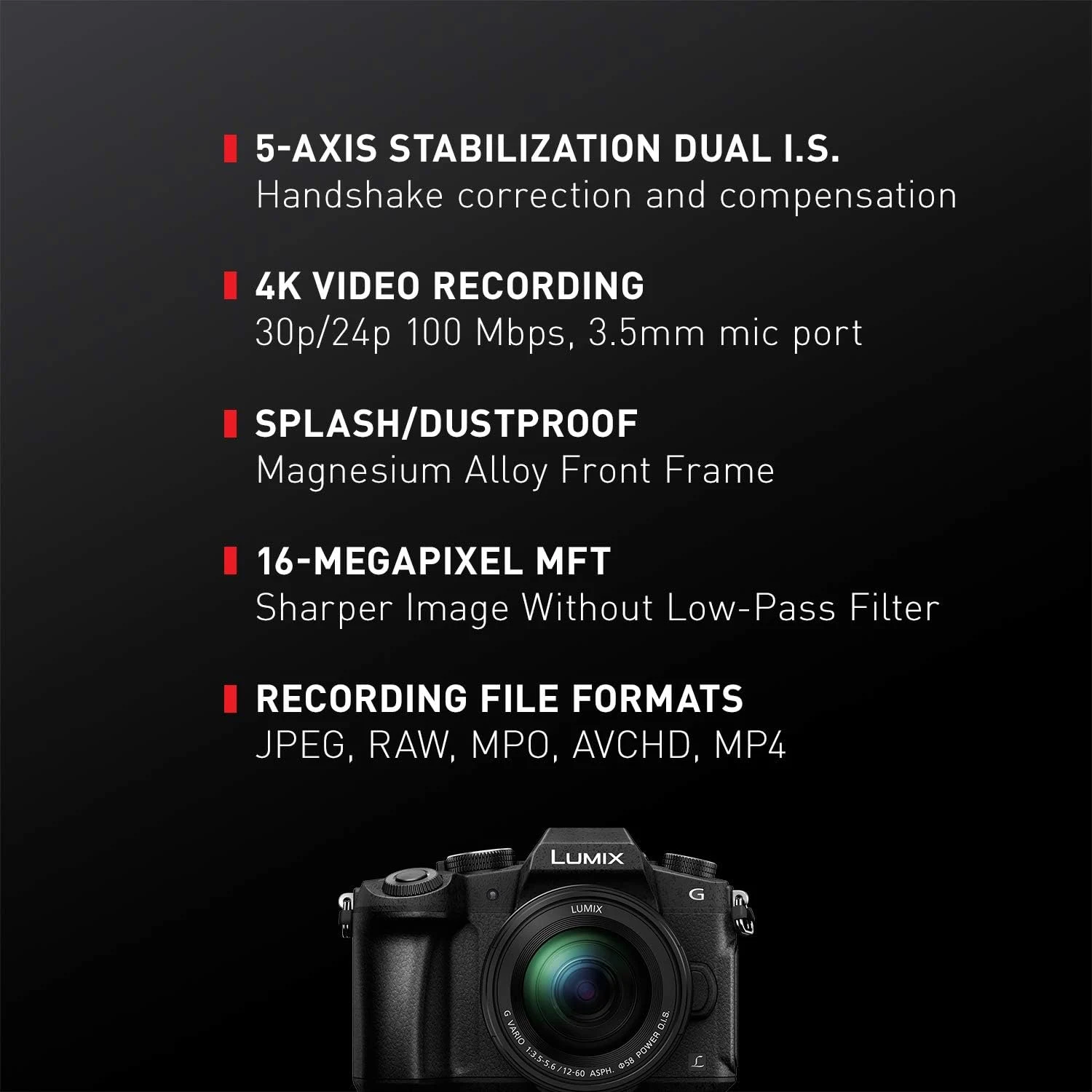
Panasonic’s specifications describe the supported 4K modes and focus functions. I would choose a format that fits the intended output and editing computer. I would not infer the faster recording options of a newer Lumix simply because both cameras carry a 4K description.
I would also compare the focusing approach with the intended subject. A deliberate scene where I can set focus is a different requirement from a person moving unpredictably toward the camera. I would not buy an older platform expecting the behaviour of newer phase-detect models. That is a reason to define the work first, rather than a claim that the G85 cannot make useful video.
Sound and connections deserve the same practical attention. I would check the documented input arrangement and any needed accessories before calling the camera a finished video kit. A lens package identifies the optical starting point. It does not automatically provide the microphone, support and editing route needed for every kind of production.
The whole Micro Four Thirds system should stay manageable
The mount offers a wider lens system, but I would check the exact functions supported by each proposed lens. Autofocus, stabilization and accessory behaviour can depend on the combination. I would prefer a small set of lenses that clearly support the intended work to a collection chosen mainly because they can attach physically.
Related reading

Before ordering older stock, I would compare the camera’s condition, included lens, battery and charging arrangement. I would leave room for suitable memory and a simple way to protect the kit. A complete usable offer is the meaningful comparison with a newer body, rather than a low body price that excludes the first useful lens.
My view is positive for a creator who wants this particular balance of grip, screen, supported stabilization and everyday zoom. I would choose a newer model when fast subject tracking or newer video modes are the main job. The G85 makes sense when the complete older kit supports the work clearly and offers a worthwhile current value.
The images show the selected product in retailer or manufacturer materials. They are not my test photographs. I base this assessment on the linked documentation and the exact selected listing; the buying choices and recommendations are my own editorial judgement.
What worked
The body and supported lens stabilization can work together, while the 12–60mm range covers a useful set of starting scenes.
What bothered me
It is an older camera platform, and I would not expect the focusing and video options of newer phase-detect models.
Who should not buy it
Someone expecting every Micro Four Thirds lens to provide identical combined stabilization or the newest autofocus behaviour.
Alternatives I would consider
Olympus E-M10 Mark IV. I would compare it for a different compact stills-oriented Micro Four Thirds kit and control arrangement. Read my Olympus E-M10 Mark IV review.
A newer video-oriented camera. I would choose it when continuous subject tracking and newer recording modes are central requirements.
Evidence and sources
The primary documentation supports the stated features and limitations. The exact retailer listing identifies the selected model and bundle; source images illustrate the product.
Features, compatibility and rated figures from the maker are manufacturer information. My opinions are identified in the review.
Conclusion
I would compare the complete kit with newer Micro Four Thirds alternatives and buy the older model only when the working setup offers a meaningful advantage.
Panasonic LUMIX G85 black with 12–60mm Power O.I.S. lens, DMC-G85MK
Amazon US · US
Check price and availability: Panasonic LUMIX G85 black with 12–60mm Power O.I.S. lens, DMC-G85MK at Amazon USAffiliate link. As an Amazon Associate I earn from qualifying purchases.
One email a week with practical Mac workflows, useful comparisons and honest tech recommendations.