The Olympus E-M10 IV kit interests me because a camera can be small enough to invite an ordinary outing without giving up a viewfinder and familiar physical controls. I like that balance. A separate camera is more appealing when the complete lens-and-body arrangement has a clear place in the day, rather than requiring a special bag for every short walk.
Quick verdict
I would consider this kit when a compact camera and small zoom make ordinary photography easier to carry and enjoy.
Best for: A photographer wanting a small camera system with a viewfinder, physical controls and an everyday starting lens.
Main benefit: The compact kit and in-body stabilization give a clear starting point without immediately requiring a large camera bag.
Biggest drawback: The downward-tilting self-facing screen can conflict with a tripod or grip, and the small body may suit larger lenses less comfortably.
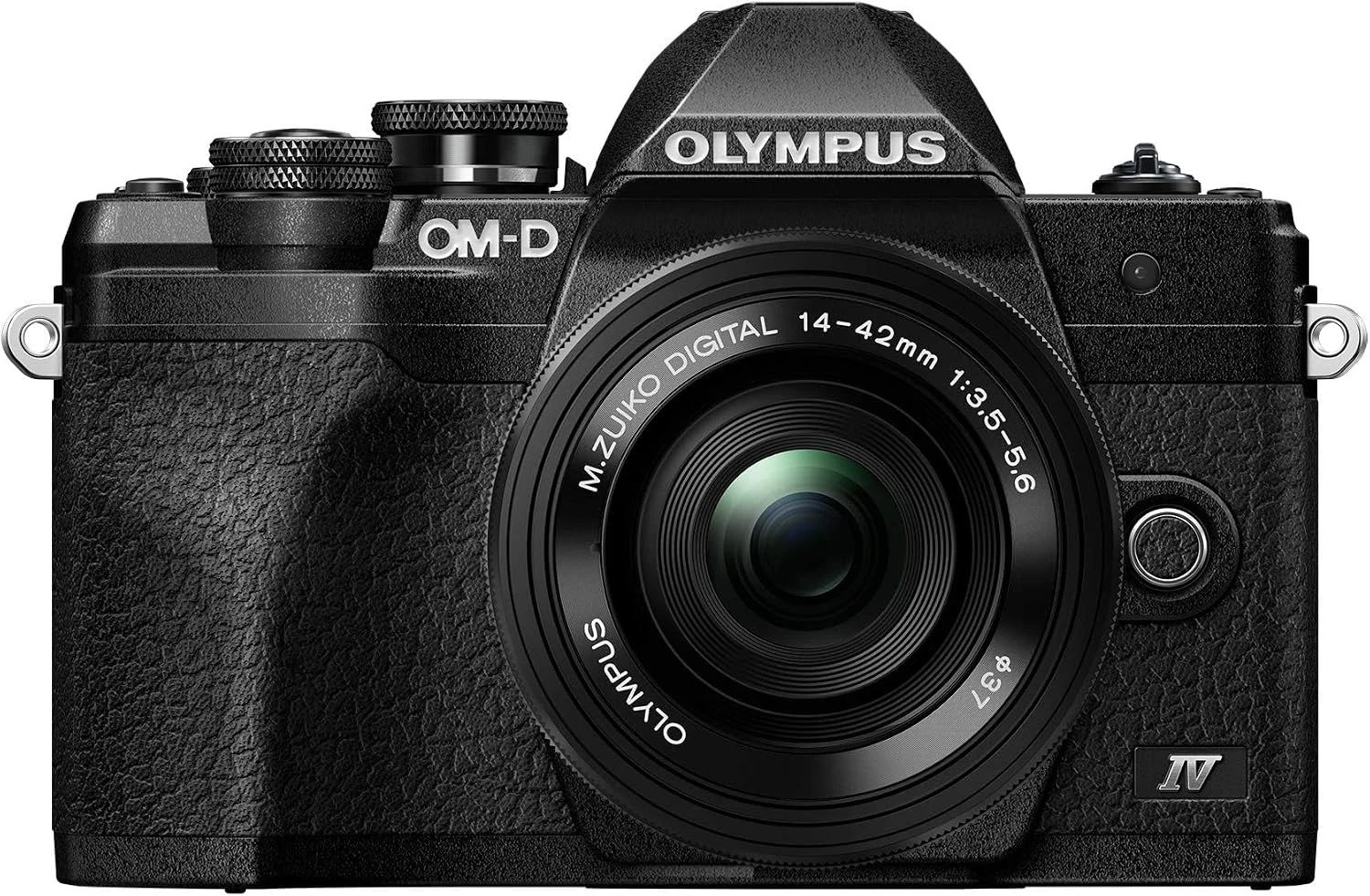
Olympus OM-D E-M10 Mark IV black with M.Zuiko Digital ED 14–42mm F3.5–5.6 EZ lens
Amazon US · US
Check price and availability: Olympus OM-D E-M10 Mark IV black with M.Zuiko Digital ED 14–42mm F3.5–5.6 EZ lens at Amazon USAffiliate link. As an Amazon Associate I earn from qualifying purchases.
Reviewed version: Olympus OM-D E-M10 Mark IV black with M.Zuiko Digital ED 14–42mm F3.5–5.6 EZ lens
Compatibility: Olympus OM-D E-M10 Mark IV with the selected 14–42mm kit lens. It uses Micro Four Thirds lenses; check the actual lens designation and screen clearance with any tripod or grip.
Review context: I assess a small everyday stills kit, in-body stabilization, screen positions and the cost of growing the lens arrangement.
I would choose the kit as a working combination, not as a compact body considered on its own. The selected offer includes a 14–42mm lens. I would check the full lens designation and contents before comparing another package, because related zoom versions can change how the camera packs and how the zoom is operated.
A smaller starting kit can keep the decision focused
The everyday zoom gives me a useful way to begin exploring the camera. I would use it for ordinary surroundings, people and small details, then notice where another focal length would help. I would not buy a collection of lenses immediately merely because the camera makes changing them possible. A manageable beginning is part of this kit’s appeal.
Related reading

I would compare the angle of view in the Micro Four Thirds format rather than read the focal-length numbers as if every camera format frames identically. The useful question is whether the lens covers the scenes I expect. A short specification line becomes more meaningful when it connects to a picture I actually want to make.
The lens also has its own aperture and handling limits. I would choose it for a convenient range, rather than expect it to behave like a fast prime lens in every indoor situation. If a different type of photograph becomes important later, that would be a clearer reason to add a specific lens than simply wanting a longer equipment list.
In-body stabilization is one useful part of the exposure
The manufacturer’s specifications describe the E-M10 IV’s in-body stabilization. I find that attractive for a small handheld setup. I would still think about the subject and shutter speed, because reducing camera movement is a different problem from stopping a person or animal moving through the frame.
A quiet scene and a moving subject can therefore ask for different settings. I would use stabilization to support a deliberate exposure choice, rather than make it the only reason to expect a successful photograph. Learning that relationship is part of why I would choose a separate camera with controls I can understand and repeat.
The feature also needs the correct configuration for the lens and situation. I would follow the camera manual rather than assume every accessory or adapted lens supplies identical information to the body. A shared physical mount or an adapter does not establish every automatic function. The actual combination should decide the settings I use.
The screen direction matters for self-facing work
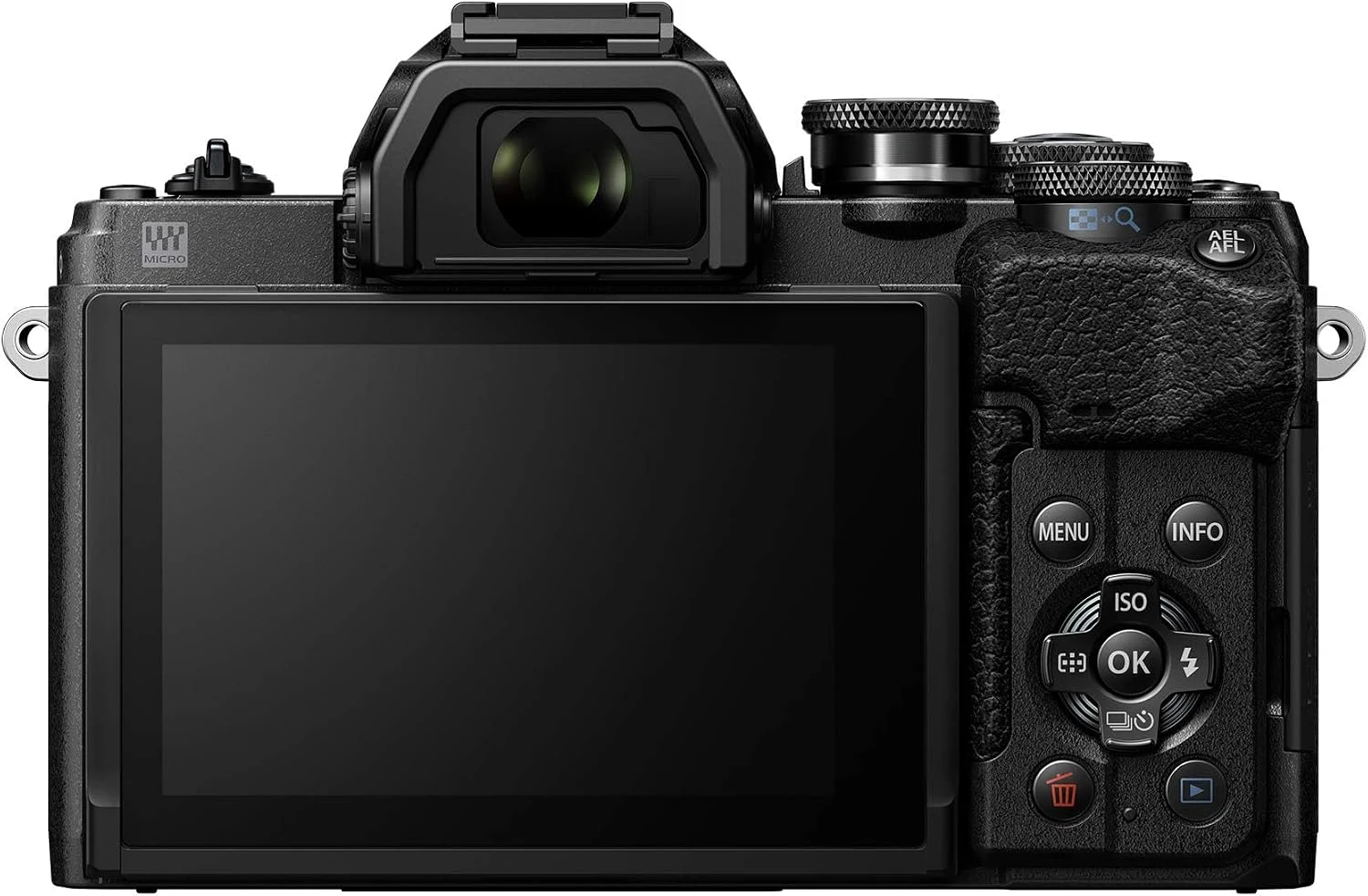
The rear screen tilts down for a self-facing view. I would check that movement with the exact tripod, support or grip planned for the camera. Something attached beneath the body can affect how useful the screen remains. A front-facing picture in a brochure does not settle the clearance of an entire recording setup.
Related reading

For ordinary photography from another angle, the tilting arrangement can still be appealing. I would choose a camera position for the scene, then use the screen or viewfinder that makes the composition easier to inspect. The value is having useful choices, rather than expecting one screen mechanism to be ideal for every kind of still and video work.
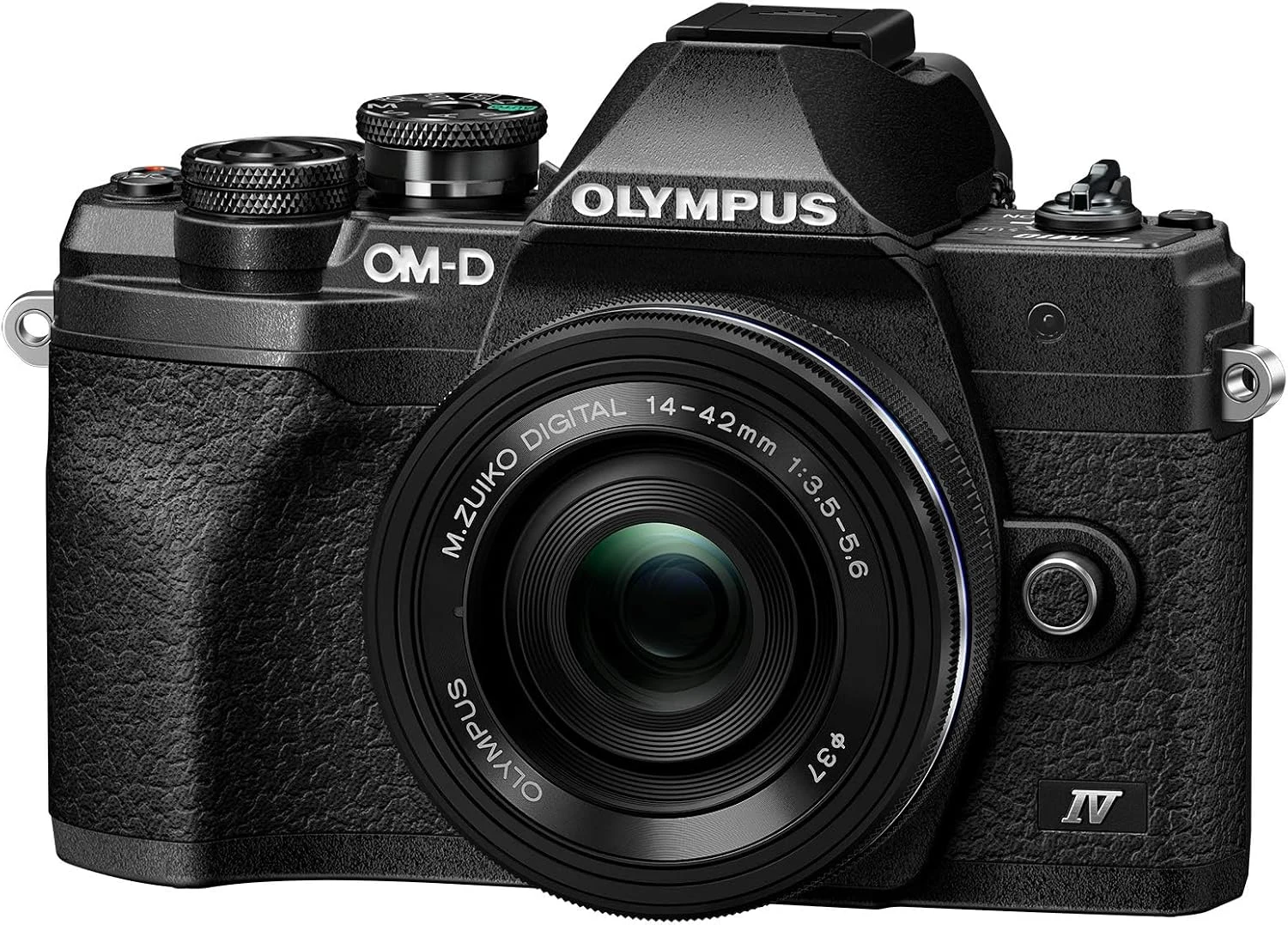
If recording myself on a support is the main job, I would compare a side-opening screen directly. That comparison could make a larger camera the more convenient tool. I would not choose the E-M10 IV mainly for its compact size and then discover that the desired support arrangement makes the most important display position awkward.
The viewfinder and controls make a separate camera worthwhile
A viewfinder is one reason I would choose this kit over simply continuing with a phone. I like the idea of a distinct moment for framing, with a device that has one main purpose. I would begin with a few understood controls and learn how they relate to the picture, rather than explore every menu before taking the camera outside.
For video, I would check the recording modes and intended sound arrangement separately from the still-photography appeal. A compact lens kit is not automatically a finished production setup. I would want the camera files, audio needs and editing device to fit the plan before paying for accessories that solve a different kind of work.
The lens system should stay small for a reason
Micro Four Thirds offers a wider choice of lenses, but I would keep the complete balance in mind. A much larger lens can change how comfortably the small body is handled and carried. I would choose another lens for a defined picture-making need, with the support and carrying arrangement considered at the same time.
Related reading

I would compare the actual kit condition, battery, charger and memory requirements before ordering older stock. A complete useful offer is more helpful than a body price that leaves the first lens outside the comparison. I would also check the current seller terms rather than assume a familiar manufacturer’s name establishes the exact package or local warranty.
My view is positive for a photographer who wants a compact, deliberate everyday kit and understands its screen design. I would choose a larger grip or a different display arrangement for another workflow. The E-M10 IV makes sense when the size of the complete system encourages the photographs, rather than when compactness is expected to solve every camera requirement.
The images show the selected product in retailer or manufacturer materials. They are not my test photographs. I base this assessment on the linked documentation and the exact selected listing; the buying choices and recommendations are my own editorial judgement.
What worked
The compact kit and in-body stabilization give a clear starting point without immediately requiring a large camera bag.
What bothered me
The downward-tilting self-facing screen can conflict with a tripod or grip, and the small body may suit larger lenses less comfortably.
Who should not buy it
Someone expecting a side-opening video screen or choosing the camera mainly to support a large heavy lens.
Alternatives I would consider
Panasonic Lumix G85. I would compare it when a larger grip and a differently articulated screen matter more than the smaller kit. Read my Panasonic Lumix G85 review.
A phone camera. I would keep it when immediate sharing matters more than learning a separate camera system.
Evidence and sources
The primary documentation supports the stated features and limitations. The exact retailer listing identifies the selected model and bundle; source images illustrate the product.
Features, compatibility and rated figures from the maker are manufacturer information. My opinions are identified in the review.
Conclusion
I would compare the complete lens kit and fit in the hand, paying for a system I will actually carry rather than a smaller body alone.
Olympus OM-D E-M10 Mark IV black with M.Zuiko Digital ED 14–42mm F3.5–5.6 EZ lens
Amazon US · US
Check price and availability: Olympus OM-D E-M10 Mark IV black with M.Zuiko Digital ED 14–42mm F3.5–5.6 EZ lens at Amazon USAffiliate link. As an Amazon Associate I earn from qualifying purchases.
One email a week with practical Mac workflows, useful comparisons and honest tech recommendations.