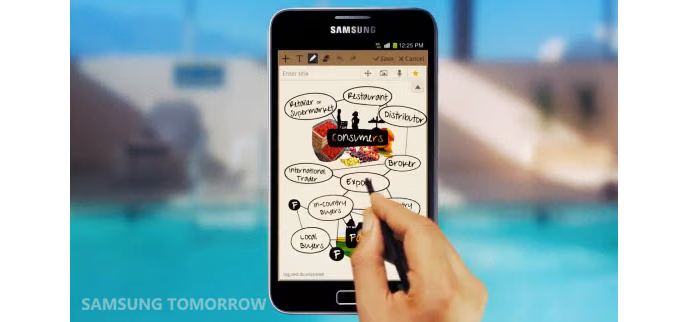
The Galaxy Note had a better argument for its size than simply showing more of a movie. Samsung used a 5.3-inch screen and an included pen to make little jobs easier to finish in the same place where you read them. A document could be marked up. A short instruction could be turned into a drawing. A thought could be put into a memo without looking for another object. The price of that arrangement was a much wider phone to carry when none of those jobs happened.
Quick verdict
Retail release in Germany · Archive date
It worked as a different kind of phone for buyers with a genuine use for an accessible pen and a wider canvas.
Best for: People willing to carry a wider phone to gain room for documents, handwriting and annotation.
Main benefit: The pen had a home inside the device, while the display gave it space to do useful work.
Biggest drawback: The wider body changed one-handed operation and where the device could be carried.
Reviewed version: The original 5.3-inch Galaxy Note as sold in its first documented European rollout.
Compatibility: The review concerns the international launch hardware and software. Later regional LTE hardware and software should be identified separately.
Review context: The discussion considers the hardware and software as offered around the documented retail date.
This is a look back at the original international Note and its late October 2011 rollout in Germany. Samsung announced European commercial availability from Germany and published details of its screen and pen. Launch coverage on 28 October reported it in German shops. Later versions sold elsewhere can differ in radio support and software. Samsung’s launch coverage
The screen made room for a second kind of input
Samsung lists a 5.3-inch HD Super AMOLED screen. In 2011 that was enough to shift the kind of job a handset could reasonably handle. A document shown a little wider could hold a useful column of text and some of the margin. A short line of handwriting could stay together. The phone could make the marks part of the information rather than asking you to remember an instruction and transfer it to a different device. That was a more useful distinction than merely calling it half a tablet.
Related reading
Width matters when you write. On smaller devices a narrow line can break before you finish a thought. A sketch that needs two or three labelled pieces can become awkward as soon as you run out of space. The Note could hold more of that small scene. It was still a pocket document reader, with limited room for a large drawing or a full page of small type. Its value was in removing the need to reach for something else during a short exchange.
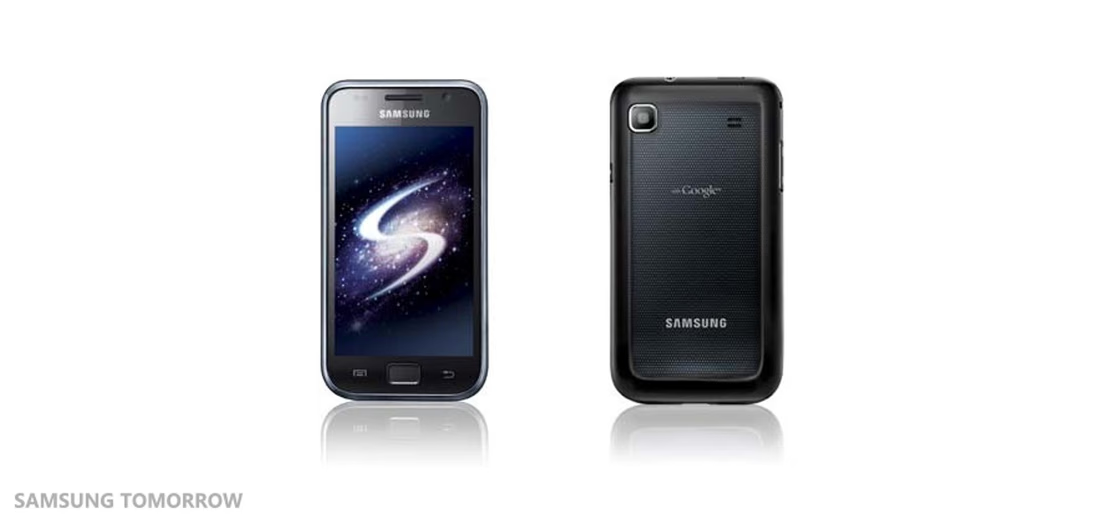
The display technology was shared with the broader direction of the Galaxy line, but the decision about size was different. The original Galaxy S made a nicer place to watch and read in the form of a regular phone. The Note pushed that idea until the width became a tool of its own. A buyer needed a reason to prefer that shape. Plans and working notes were good answers because the gains were available whenever those tasks came up. Samsung’s Note specification retrospective
Why putting the pen inside mattered
I would assess the S Pen by following the full path of a note. You get the impression that something needs recording. You pull out the pen, choose a tool, make a few marks and then need to find or send the result later. A built-in place to keep the pen removes one of the easiest points of failure. A pen kept in a separate pouch can only help when the pouch gets carried and remembered as well.
A plausible job for the original Note would be to draw where something belongs in a room or underline part of an instruction. A finger is adequate for a broad motion and easy to reach. A pen puts a finer point closer to the precise place you intend to mark. That makes sense even if your finished document lasts only long enough to be read by the next person. I would spend less thought on whether a drawing looked beautiful than on whether the person receiving it could figure out what I meant.
Software determined whether that last step worked. A drawing with the right format could make the device part of a process. A note locked in one application could be less useful as soon as someone needed to view it elsewhere. A launch buyer would have done well to try a real document, take a sample note through to sharing and look for any missing step. Samsung named pen-specific software and its S Choice catalogue at launch, which was stronger evidence of intent than adding a stylus without any statements about applications.
Related reading

A wider handhold was always part of the deal
Samsung’s historical figures put the original model close to 83 mm wide and at 178 g. A hand that can hold it comfortably with both hands on a desk may find it harder to reach a far control with a single thumb. A pocket that tolerates a phone’s thickness might still fit the Note poorly because of its width. The most useful test for a shopper in 2011 would have been a fit test with the clothes and bag used on a normal day.
I find it helpful to compare two situations. Standing outside and replying quickly rewards a smaller object and easy reach. Sitting down to read a few pages or work around an image rewards more screen. A person who encounters the first situation many more times will give up a little ease repeatedly. A person who might otherwise bring a notebook or tablet for the second may accept the carrying cost immediately. Both can reasonably want the same applications and reach different conclusions about the Note.
The size also shifted what success looked like for the pen. The Note could serve as a little pad for tasks carried out in a quiet spot. It needed room to use two hands or a place to rest it. The point of carrying a pen in the phone is having it near when the need appears. Trying to force the same handwriting technique into every interaction would have made the device less appealing than it was. Finger touch still handled the usual jobs.
What sat around the display
Samsung’s historical record lists Android 2.3 for the original, a dual-core processor, an 8 MP rear camera, microSD support and a 2,500 mAh battery. Those specifications put the Note in its time. The removable storage was useful for papers and photos prepared before going out. A photograph entered a familiar phone workflow, while the larger panel and pen gave a plausible way to point to a detail that otherwise required a longer description.
Battery capacity is only one number within that arrangement. Screen brightness and how long you spend reading or writing both affect the time between charges. A person using the Note as a tiny workbook could keep the panel on for longer than somebody glancing at messages. The larger area brought a reason to spend that energy. I would treat quoted capacity as a specification and decide whether the likely charging routine was acceptable for the work I wanted to do.
Updates change some of the stories people tell about the original. Samsung shipped new software after launch and continued refining the pen across subsequent Note models. The question here is the 2011 purchase. Judge the tools that were available with the relevant release, and keep later memories or reviews tied to their own hardware and firmware. A collector can apply the same care now by checking what version a unit runs and which regional model is on the label.
Related reading

My verdict on the first Note
It earned the wider screen through a combination of display area, pen accessibility and software. I would have chosen it in 2011 for a real habit of reading and marking documents away from home. I would have stuck with an original Galaxy S or another conventional phone if the added space would mainly be carried and occasionally admired.
The lasting success of the concept is that writing had a reason to come back to a touchscreen phone after the industry had become excited about finger input. Samsung paired each input with the tasks it handled well. The day-to-day decision remains simple. Count the moments when a mark or a little more page really helps. The Note was an unusually direct answer to those moments, and a useful starting point for the other shapes in the Galaxy review timeline.
What worked
The pen had a home inside the device, while the display gave it space to do useful work.
What bothered me
The wider body changed one-handed operation and where the device could be carried.
Who should not buy it
Buyers looking for current software and warranty support.
Alternatives I would consider
Original Galaxy S. A thinner conventional Android flagship with a smaller phone footprint. Read my Original Galaxy S review.
Evidence and sources
Retail timing and specifications are tied to the market stated above. The author’s verdict evaluates the device in its launch context.
Features, compatibility and rated figures from the maker are manufacturer information. My opinions are identified in the review.
Conclusion
The original Note is most valuable as an example of making a new form useful through focused software.
One email a week with practical Mac workflows, useful comparisons and honest tech recommendations.