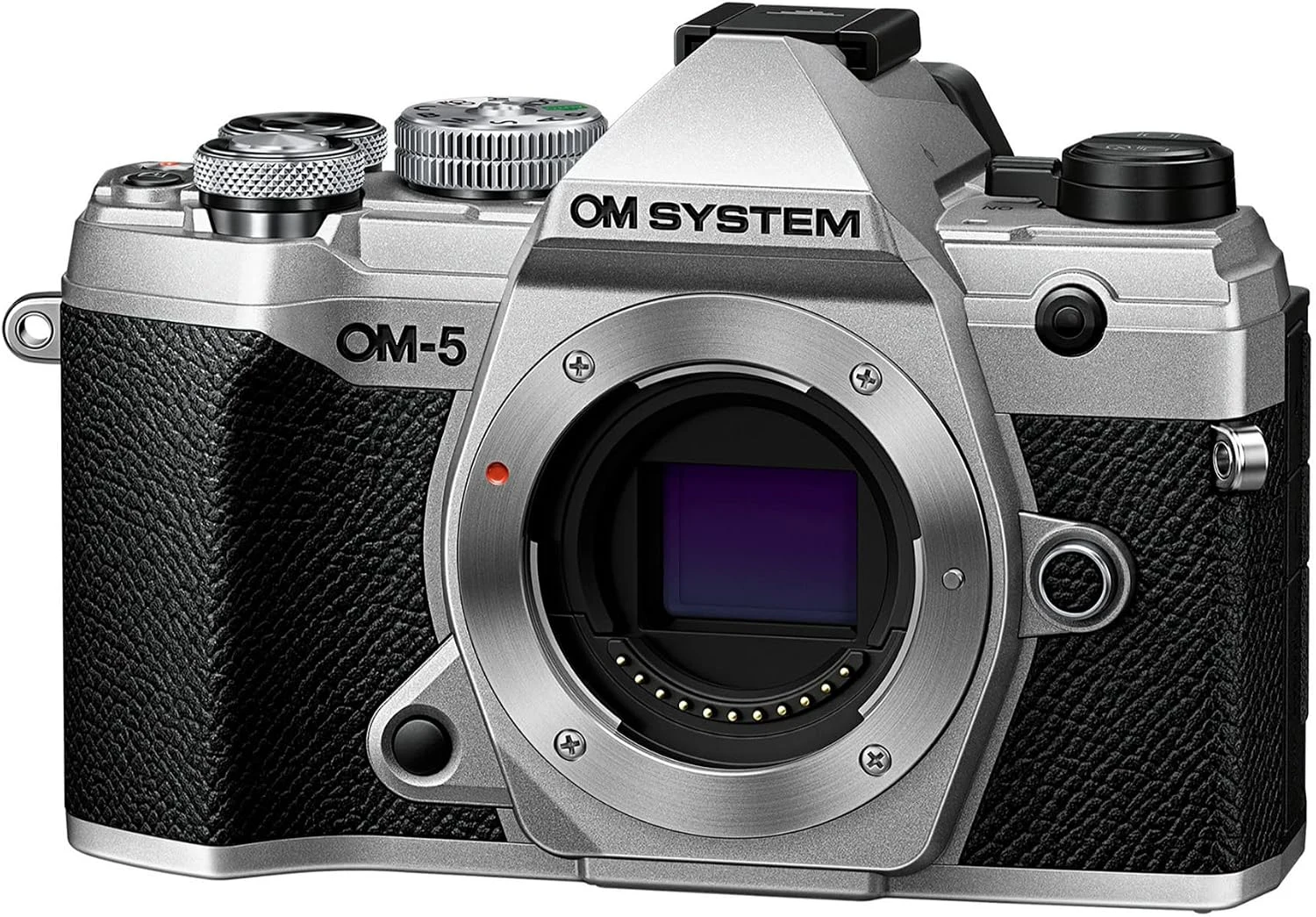
The original silver OM SYSTEM OM-5 body appeals to me as the centre of a deliberately small outdoor photo kit. I like the idea of choosing a camera and lens together for the places I actually want to photograph. The body offers interesting stabilization and computational options, but the complete kit needs to explain why I would carry it.
Quick verdict
I would choose this original OM-5 body when a suitable Micro Four Thirds lens makes a coherent compact outdoor kit.
Best for: A photographer with an understood lens plan who values sensor stabilization and a smaller outdoor camera system.
Main benefit: The body combines in-body stabilization with a compact interchangeable-lens platform and useful computational photo options.
Biggest drawback: The body-only offer needs a suitable lens, and the original model uses Micro-USB rather than the newer Mark II’s USB-C arrangement.
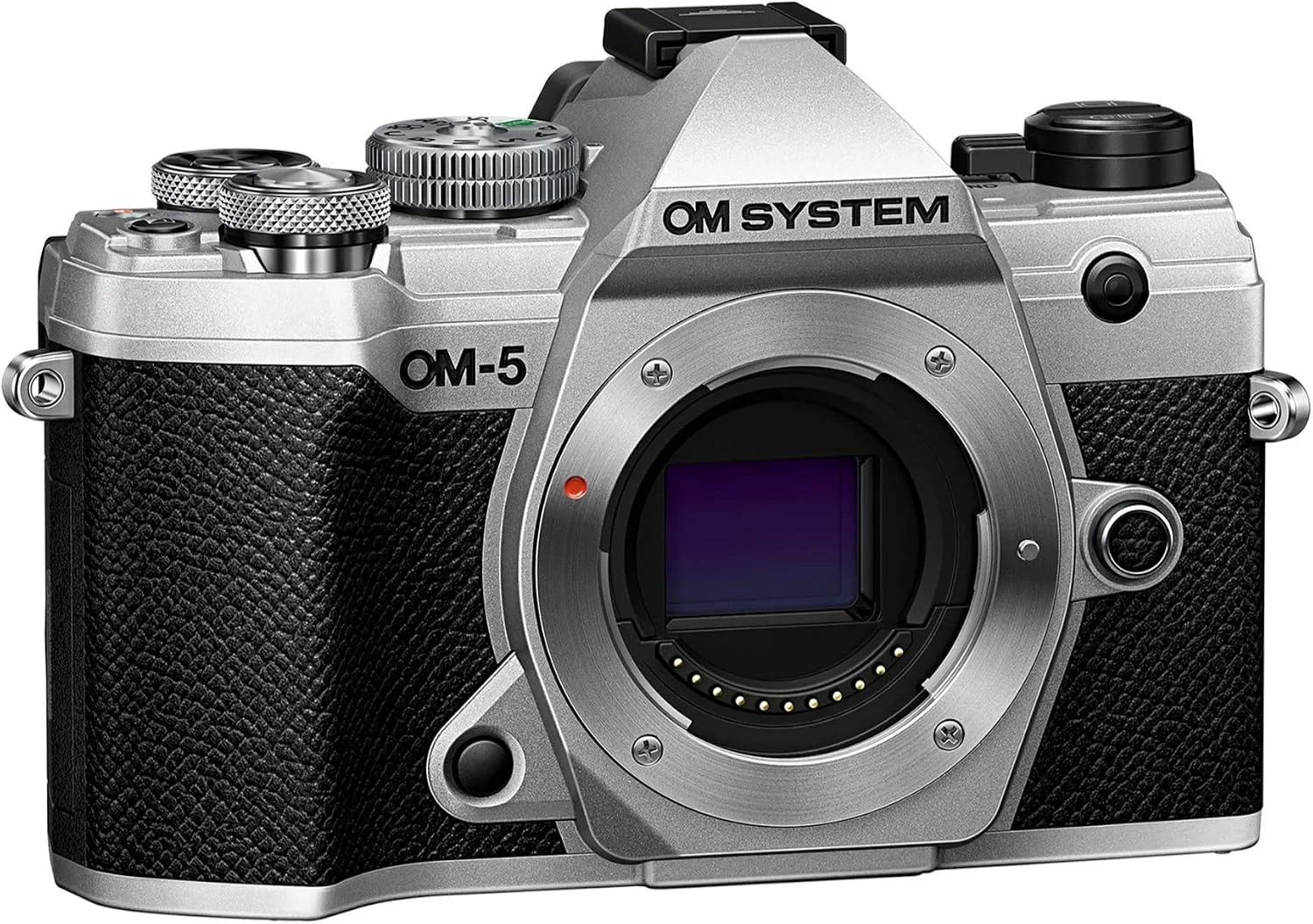
OM SYSTEM OM-5 original, silver, body only
Amazon US · US
Check price and availability: OM SYSTEM OM-5 original, silver, body only at Amazon USAffiliate link. As an Amazon Associate I earn from qualifying purchases.
Reviewed version: OM SYSTEM OM-5 original, silver, body only
Compatibility: Original silver OM SYSTEM OM-5 body only, Micro Four Thirds mount, not OM-5 Mark II. A compatible lens is required; weather protection depends on the complete supported lens/body configuration.
Review context: I assess a compact outdoor still-photo kit, supported weather-sealed lens choice, stabilization and the original camera’s power and high-resolution modes.
This offer is the original OM-5 body without a lens. It is not the OM-5 Mark II. I would keep that generation clear, particularly when reading current product pages or comparing connections. A similar name does not make the older body acquire the newer model’s port or control changes, and a body-only price does not describe a finished camera system.
The lens determines much of the outdoor kit
The OM-5 uses the Micro Four Thirds mount. I would begin with the view I need and choose a supported lens whose size, aperture and protection suit the trip. A small body can still become a substantial bag if the lens choice grows without a purpose. The appeal is a coherent system rather than a compact camera surrounded by unresolved equipment choices.
Related reading

For an everyday outing, I would consider whether a suitable zoom covers the normal scenes. A specific close-up, distant subject or low-light need could justify another lens. I would not add equipment merely because an interchangeable mount makes it possible. The best outdoor kit for me would have a clear reason for every part that needs to be carried.
The body-only offer also changes the budget. I would compare the camera, lens, power arrangement and suitable memory together before deciding whether this is the right value. An appealing body specification can lose its advantage if the remaining budget cannot provide the view or protection that made the camera attractive in the first place.
Weather protection belongs to a complete configuration
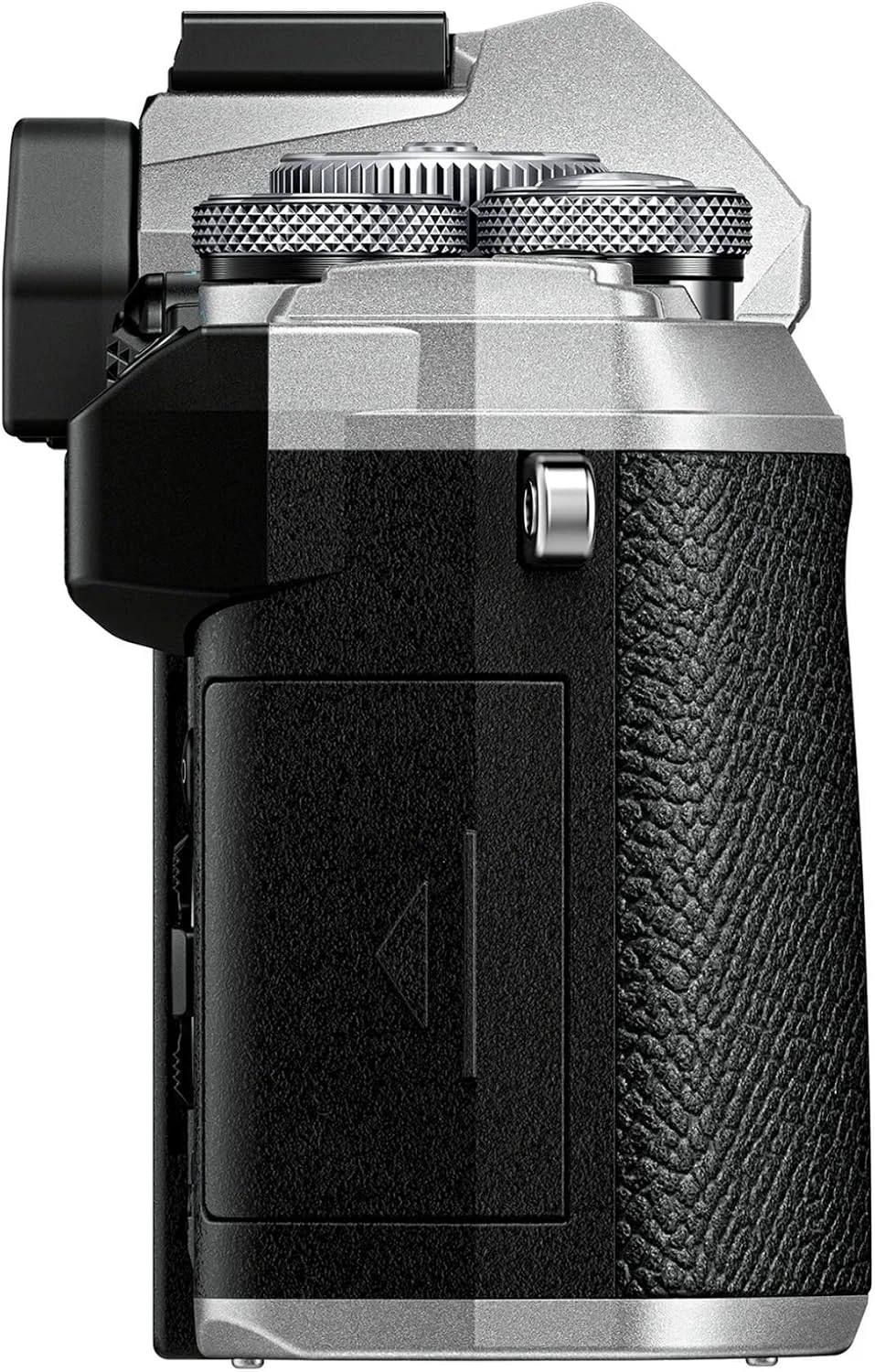
OM SYSTEM describes weather protection for the original camera with documented conditions. I would read those conditions beside the actual lens and accessories, rather than assume the body rating makes every attached lens or open connection equally protected. An outdoor claim is useful when the complete configuration supports it.
I would still plan how the camera will be stored and handled when conditions change. Weather protection should support a sensible photographic routine, not become permission to disregard an open cover or an unsuitable accessory. The exact instructions are more useful than a general impression that a camera marketed for outdoor use needs no further thought.
I would also keep a practical place for the camera in the bag. A well-matched lens and a simple way to protect the complete kit can matter more than adding another advanced mode. The attraction is being prepared to make photographs comfortably, rather than collecting features that do not help with the actual outing.
Sensor stabilization is useful with the right expectations
The OM-5 includes in-body stabilization. I find that a meaningful part of a small camera system because it can support an understood handheld approach. I would still check the exact lens and stabilization settings, and distinguish camera movement from a subject moving through the frame. The latter still needs an appropriate exposure decision.
Related reading

A static landscape and a moving person ask different things from the camera. I would not turn a manufacturer stabilization claim into a universal promise of sharp photographs. I would use the feature within a clear technique, keeping a support available when the scene or intended output makes it the better choice.
For video, I would check the actual stabilization mode, framing and recording conditions rather than assume the still-photo arrangement answers every moving-camera situation. A feature that is useful for one kind of shot can have different implications in another. The job should guide the setting instead of the most ambitious mode becoming the default.
High-resolution output is a multi-frame tool
The original OM-5 manual describes its high-resolution shooting modes and conditions. The handheld high-resolution option combines information across exposures; it should not be described as a native 50 MP sensor taking an ordinary single frame. I would keep the process beside the output figure whenever comparing it with another camera.
Subject movement and the scene can affect whether a multi-frame method is appropriate. I would consider it for a deliberate suitable subject and check the result, rather than assume every everyday photograph benefits from the mode. A computational tool is most useful when its particular strengths and limits match the picture I am trying to make.
For normal photographs, I would choose a manageable JPEG or RAW workflow and learn the camera’s ordinary controls first. Advanced modes should solve a specific problem. I would rather have a clear set of finished pictures than repeatedly select a complicated setting without understanding how it affects the files or the subject.
Related reading
The original connections affect the travel routine
The original OM-5 uses Micro-USB. I would check the appropriate cable and documented power or transfer arrangement rather than assume the USB-C routine of a newer camera applies. Existing chargers and cables can make a system easier to travel with, but only when the actual camera supports the intended function.
I would also plan supported memory, a checked file copy and separate backup after an outing. My recommendation is positive when the original body’s stabilization and compact-system potential serve a clear outdoor photographic role. I would choose the newer model for a specific change I need, or another kit when its lens and complete arrangement make the purchase more straightforward.
The images show the selected product in retailer or manufacturer materials. They are not my test photographs. I base this assessment on the linked documentation and the exact selected listing; the buying choices and recommendations are my own editorial judgement.
What worked
The body combines in-body stabilization with a compact interchangeable-lens platform and useful computational photo options.
What bothered me
The body-only offer needs a suitable lens, and the original model uses Micro-USB rather than the newer Mark II’s USB-C arrangement.
Who should not buy it
Someone expecting an included lens, automatic weather protection with any lens or a native 50 MP single exposure.
Alternatives I would consider
Nikon Z fc 16–50 mm kit. I would compare it when physical controls and an included DX zoom matter more than sensor stabilization. Read my Nikon Z fc 16–50 mm kit review.
OM SYSTEM OM-5 Mark II. I would compare the newer model when its particular control and connection changes matter.
Evidence and sources
The primary documentation supports the stated features and limitations. The exact retailer listing identifies the selected model and bundle; source images illustrate the product.
Features, compatibility and rated figures from the maker are manufacturer information. My opinions are identified in the review.
Conclusion
I would compare the full sealed-lens and power kit, paying for features I will actually use rather than reading a multi-frame output as the base sensor resolution.
OM SYSTEM OM-5 original, silver, body only
Amazon US · US
Check price and availability: OM SYSTEM OM-5 original, silver, body only at Amazon USAffiliate link. As an Amazon Associate I earn from qualifying purchases.
One email a week with practical Mac workflows, useful comparisons and honest tech recommendations.