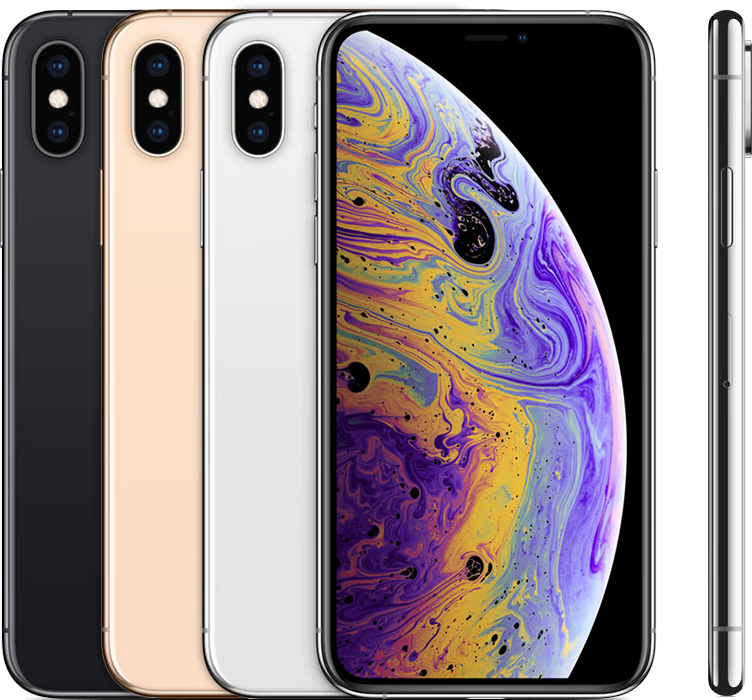
The iPhone XS made the same size more useful when the light was difficult
The regular iPhone XS kept much of what made the X feel like a departure from earlier iPhones. It had the same 5.8-inch OLED size, familiar gestures and Face ID. It felt like a modest progression until you chose a different sort of test for the rear camera. A picture with the main subject in shadow beside a bright window shows what it means to give the system more information before it chooses how the result should look. That change gave a launch buyer a better reason to compare an X and an XS than taking a quick look at their home screens.
Quick verdict
Retail release in the United States · Archive date
The XS made sense if you preferred the 5.8-inch format and had subjects that benefited from better handling of difficult light.
Best for: A buyer coming from an earlier iPhone who wanted the familiar X-sized body with more flexible camera processing.
Main benefit: Smart HDR gave high-contrast scenes more options before choosing the final exposure.
Biggest drawback: The phone kept much of the X's shape and the eSIM feature required an update in supported markets.
Reviewed version: The 5.8-inch iPhone XS released in September 2018.
Compatibility: Apple's newly supported eSIM required compatible carrier service and iOS 12.1. The discussion follows the regular US model.
Review context: I evaluate the documented retail hardware and the software available in its release window. Regional variants and software changes are identified where they affect the verdict.
I owned the XS as part of having every iPhone. This retrospective is about the smaller iPhone XS at its September 21, 2018 US retail release. The larger XS Max went on sale with it. The more affordable XR had been announced but would reach stores in October. Those dates matter when comparing the actual options available during the first week after the XS launch. Apple’s record of the September release
Smart HDR helped when one setting had to cover two kinds of light
A scene with a bright part and a dark part is a difficult way to judge a camera because you can make one area easy to see by losing detail in the other. Apple’s Smart HDR used several pieces of image information and processing to combine a result. For a person in a darker corner with daylight coming in nearby, that could give you more detail in the place you wanted without losing as much from the background. Someone shooting a flatly lit room could see a smaller improvement because the conditions did not ask the camera to separate as much.
Related reading

The phone still had a dedicated wide and a longer rear camera. Where you stood and which view was in use could influence the result as much as the new processing. One sensible comparison would use a subject with a nearby bright area from two useful distances. Try the wide camera with enough context to see what is happening. Then use the tighter view to see what benefit remains from the same place. A decision about how to frame a subject is separate from the device’s choice of how to expose the image.
Depth Control also made portraits more flexible after capture. You could adjust the amount of synthetic blur on a compatible portrait and decide whether the edges and background looked the way you wanted. Apple’s later iOS 12.1 update added the ability to preview that depth adjustment in real time. For the late-September review window, it is more useful to describe what you could adjust afterward and judge the earlier software on that basis. Apple’s camera and A12 introduction for the XS line
Familiar glass and a familiar display were part of its case
The OLED screen kept the 2436-by-1125 resolution and height of the X. That gave a buyer much the same working width and a way to carry it without moving to the Max. A phone can be taller than the width you want to hold. The XS still fit people who liked that proportion for reading a narrow column or reaching many controls with one thumb. Someone coming from a smaller iPhone ought to try their normal gestures and see how high a regular action ended up. The same diagonal mattered differently to a buyer who was moving from a phone with a big bottom bezel.
The phone weighed 177 grams. Apple added another colour and rated the hardware at IP68 under controlled test conditions. I would have regarded that as extra tolerance for ordinary accidents, with the actual condition and history of a phone still relevant. The screen and camera together had a more direct daily use. They were also easier to compare in a shop before deciding whether a move from the previous model was compelling. A buyer with an existing case should compare its fit around the exact phone and camera opening before transferring it.
A12 Bionic provided more room for camera processing, games and other demanding apps. The type of task mattered. An owner who already got quick responses from the most-used apps on the X might wish to look farther down the list of improvements. A buyer coming from a much older phone could get both the larger screen and a processor designed for the 2018 system while making the move once. Those are different reasons for buying the same size.
Related reading

Dual SIM needed more than ordering a capable phone
Apple announced support for a physical SIM and an eSIM in many markets. Carrier compatibility and an update mattered to the result. Apple said Dual SIM support arrived with iOS 12.1 at the end of October for the XS, Max and XR. The option was therefore part of the longer case for a launch purchase, while a buyer who urgently needed a live second line had to check the software, market and carrier first. Apple’s iOS 12.1 availability and Dual SIM details
This is one reason to decide which benefits you need on day one before treating the feature list as a verdict. Better automatic exposure was something you could assess with the camera then. The second line was promising if your use matched the supported launch arrangement once it arrived. A buyer travelling frequently would have wanted to check which carrier supported the eSIM part of their plan.
The older choice was especially important when preparing pictures for a known audience. If the image was going straight into a short message, try seeing it on the receiver’s type of screen before studying the effect up close. Editing a scene for a larger display could make the extra exposure detail more valuable. The XS also offered a 512 GB tier if you wanted an unusually large library on the device. That is a separate improvement from capturing a better frame. It might make a difference to a photographer who could not regularly move material off the phone, and do very little for someone who already sent, edited and backed up finished images from another device.
My verdict on the smaller XS
I would have chosen the XS for a buyer who liked the 5.8-inch format and valued the camera improvements, particularly while moving from an earlier Home-button phone. The $999 launch price in the United States gave an owner of the iPhone X a reason to compare what already worked. The XS Max gave the same generation of cameras and processor more space for reading, editing and keeping the result visible.
The iPhone model timeline keeps the XS in the first September release group because it was the more measured continuation of the X. It was useful where the camera’s extra work improved a real picture and where a 5.8-inch display was still the size you wanted to bring along.
What worked
Smart HDR gave high-contrast scenes more options before choosing the final exposure.
Depth Control allowed a buyer to adjust the appearance of portrait blur after capture.
What bothered me
The phone kept much of the X's shape and the eSIM feature required an update in supported markets.
Real-time depth preview and standard Dual SIM support arrived later in iOS 12.1.
Who should not buy it
An iPhone X owner who did nearly all photographic work in easy light and wanted a much different shape.
Alternatives I would consider
iPhone XS Max. The Max had the same rear cameras and processor, with a wider screen to inspect a picture. Read my iPhone XS Max review.
Evidence and sources
The release date refers to general availability in the named market. The archive filing is ten days later. Feature assessments are editorial judgments based on the documented retail model.
Features, compatibility and rated figures from the maker are manufacturer information. My opinions are identified in the review.
Conclusion
The benefit was clearest in photographs with complicated lighting, and when buying as a more substantial move from an older phone.
One email a week with practical Mac workflows, useful comparisons and honest tech recommendations.