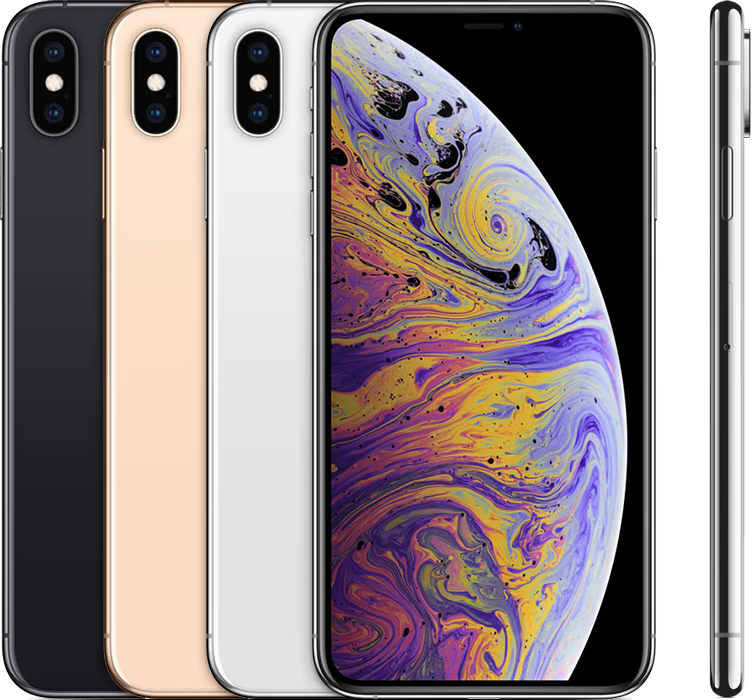
The iPhone XS Max was about having more of the same page in sight
The XS Max used the full-front approach of the iPhone X on a scale closer to the old Plus. A 6.5-inch OLED meant the phone could show more of a list or map while keeping the content large enough to use. The rear cameras and processor belonged to the same generation as the regular XS. Buying the Max was a decision about the shape around those parts. If you worked with the phone in two hands and had somewhere to carry it, the biggest change was available on day one. If your goal was simply the new camera, you could get it on the smaller phone.
Quick verdict
Retail release in the United States · Archive date
The XS Max was a worthwhile larger device for someone who used its screen and battery frequently enough to justify carrying it.
Best for: A regular reader, photographer or traveller who intended to hold the phone with two hands and needed to keep more context visible.
Main benefit: The 2688-by-1242 OLED offered more physical area at the same stated density as the regular XS.
Biggest drawback: It asked for a wider grip and more room in a pocket, while the rear cameras remained the same as the smaller model.
Reviewed version: The 6.5-inch iPhone XS Max in the September 2018 US launch range.
Compatibility: App layouts, output aspect ratios and cases determined how much of the larger display could be put to work.
Review context: I evaluate the documented retail hardware and the software available in its release window. Regional variants and software changes are identified where they affect the verdict.
I owned the XS Max as part of having every iPhone. This retrospective covers the US retail launch on September 21, 2018. Apple launched it alongside the XS. The XR arrived several weeks later. Looking at those models by release date helps explain the buying choices a person actually had in late September. Apple’s account of the XS and XS Max reaching stores
The extra area gave reading and layout a distinct advantage
The OLED panel had 2688 by 1242 pixels. It gave more absolute display area at a similar pixel density to the XS. A small label can be readable on either of them. The larger device is especially useful if you want to see that label in the company of several others, or if you want to enlarge a page without losing as much of the rest of it. I would have opened a map with a route or longer document and looked at the length of text you can keep visible while moving between two points.
Related reading

A widescreen video has different needs from a tall page. The curved corners and cutout are part of the physical display. Content designed for a particular aspect ratio may leave space to the sides in order to fit. Watching for a few seconds at the size and crop you prefer gives a better idea of the gain than comparing the first bright picture stretched across each phone. The Max had substantial space to use. A buyer still needed an app that knew which parts of it could be put to work.
There was also value during writing. Bringing up a keyboard claims a share of even a very large phone. More area can leave a useful piece of the earlier message visible while you choose what to type. This was not a laptop workspace and did not have to act like one. If the main reason to carry a large phone was to avoid looking at a second device to check one or two details, the ability to handle the moment could be enough. Apple’s original display and hardware comparison
A familiar Plus-sized grip met different controls
The size was fairly familiar to someone coming from an 8 Plus, while more of the front was used for the display. The Home button had disappeared and Face ID came with the new geometry. A buyer could use the same gestures seen on the X and XS, with physical differences in how easy it was to reach their starting points. It is a more realistic comparison if you give the phone back to each of your hands in turn, try a regular task as you would on a journey and then put it in the actual pocket where it will stay.
The device weighed about 208 grams. A case could add room to grip it and more weight. The larger shape had advantages when you could hold it at a comfortable distance or put it on a surface. Frequent one-handed typing and reaching a top control while moving asked something else of the same device. I would have treated those actions as part of choosing the Max, even if the screen was persuasive every time I put both hands on it. You carry the weight when it is closed or asleep as surely as when its screen is doing useful work.
A larger battery gave a second reason to choose it. Apple’s comparisons described more time than the X under its estimates. That was useful as an indication of which device gave the owner more room in a comparable situation. Someone using a bright display for long periods or relying on mobile data in poor coverage could arrive at a different result from someone who mainly read saved material. The battery could take over some work from a second device, and the type of work made its own difference to how much was left.
Related reading

The cameras were the same across the XS pair
The Max did not keep a camera feature from the smaller XS. Both had the wide and telephoto cameras, Smart HDR, A12 processing and the available depth edits. I would choose the Max for looking at the resulting picture in a larger space or for composing it comfortably with both hands. The useful viewpoint or the way the exposure was combined depended on the shared camera system. This was an important thing to know at purchase because it made the smaller size easier to consider for someone who wanted the core imaging equipment.
The same distinction applied to storage and price. Apple quoted a US starting price of $1,099 for the Max, with higher storage options. That premium above the regular XS made sense when extra display or battery life mattered every day. If the extra expense was mainly intended to improve the pictures you could take, a small XS with more storage or room left in the budget for other needs might be more appropriate. Reviewing the actual set of pictures and files you wanted to keep tells you more than the most expensive storage option on offer.
The tall display also made a quick check of transport information pleasant when a route and its recent changes needed to remain visible. Using the phone on a busy platform could still make its width inconvenient. That is a better real-world distinction than labelling a display as good or bad for travel. The outcome depends on when you have both hands available.
My verdict on the first Max
I would have chosen the Max for a reader, photographer or traveller who could use the display area regularly and was comfortable carrying the bigger shape. The iPhone XS gave the same cameras and generation of performance to the buyer who wanted a smaller phone. The old 8 Plus was still a good comparison for somebody who valued a broad control layout and preferred a fingerprint reader.
The iPhone model timeline makes the difference between those choices easier to see. The first Max earned its place by offering a larger view while following the new gestures and screen layout. Its very visible strengths mattered most when you liked making that view work with both hands.
What worked
The 2688-by-1242 OLED offered more physical area at the same stated density as the regular XS.
The display was a comfortable place to look at a route, the earlier part of a message or a photograph and its surroundings.
What bothered me
It asked for a wider grip and more room in a pocket, while the rear cameras remained the same as the smaller model.
A larger panel could use more power through long, bright sessions, so usage still mattered to battery life.
Who should not buy it
A buyer whose primary goal was the new rear cameras or mostly used the phone in one hand.
Alternatives I would consider
iPhone XS. The regular XS offered the same A12 and rear cameras in a narrower 5.8-inch device. Read my iPhone XS review.
Evidence and sources
The release date refers to general availability in the named market. The archive filing is ten days later. Feature assessments are editorial judgments based on the documented retail model.
Features, compatibility and rated figures from the maker are manufacturer information. My opinions are identified in the review.
Conclusion
The extra cost bought area and battery life. It made sense when those things affected regular work instead of merely looking impressive.
One email a week with practical Mac workflows, useful comparisons and honest tech recommendations.