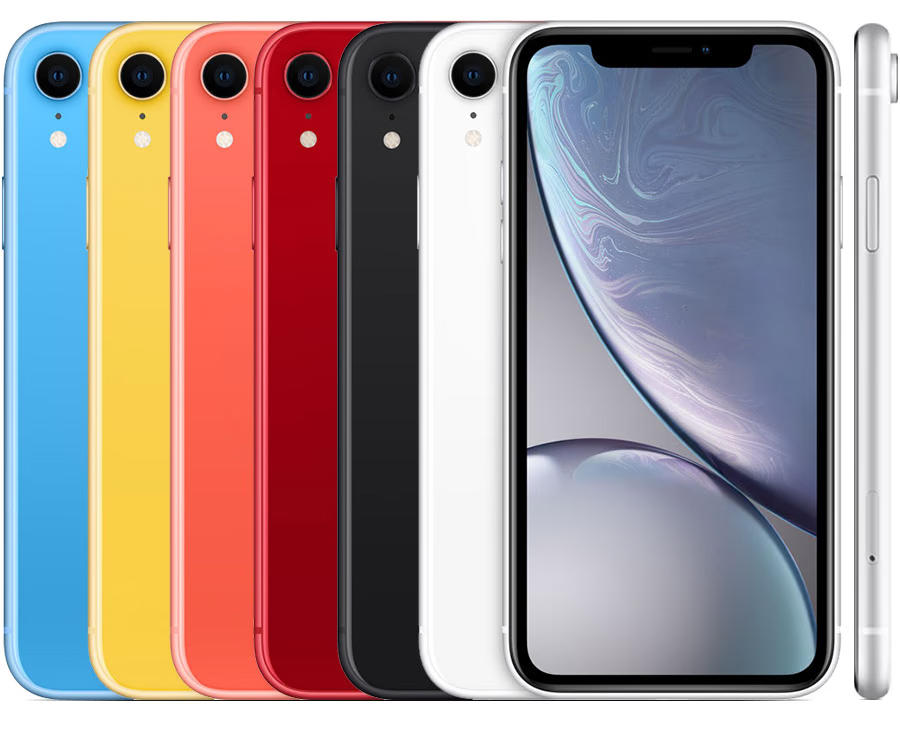
The iPhone XR was a clear choice if you wanted Face ID and a large LCD
The XR brought the main change in how an iPhone was used to a different price and size. It gave a buyer a tall 6.1-inch display, Face ID and the A12 processor that Apple had already put into the XS line. It used one rear camera and a different kind of display. These choices made it possible to tell what you paid for by looking at an ordinary page, taking an ordinary picture and deciding if a second lens or OLED mattered to you. The smaller price mattered more when the missing controls were not part of a use you cared about.
Quick verdict
Retail release in the United States · Archive date
The XR was a strong choice for people who wanted Face ID and a large LCD and did not regularly need a dedicated longer rear lens.
Best for: Buyers interested in a larger iPhone view and the same generation of chip as the XS at a lower launch price.
Main benefit: The 6.1-inch format and the A12 gave the phone a solid combination for ordinary work.
Biggest drawback: The LCD and single wide camera asked for choices in dark scenes and tighter framing that the XS handled differently.
Reviewed version: The 6.1-inch iPhone XR at the US and Czech October launch.
Compatibility: iOS 12.1 became available during the first two weeks and enabled Dual SIM support under compatible terms.
Review context: I evaluate the documented retail hardware and the software available in its release window. Regional variants and software changes are identified where they affect the verdict.
I owned the XR as part of having every iPhone. This retrospective starts with retail availability on October 26, 2018. Apple launched the model in the United States, Czech Republic and many other markets on that Friday. The XS and XS Max had been in stores for five weeks. The regular initial XR choices were 64 GB, 128 GB and 256 GB. Apple’s record of the October retail release
The display made sense for a specific number of people
The XR’s LCD had 1792 by 828 pixels and a density of 326 pixels per inch. The iPhone XS had a smaller diagonal and sharper OLED panel. The ordinary XR question was whether you used enough fine detail to value the denser screen, or whether seeing more at a natural size was a better improvement. A page with small type, a dark scene next to a bright edge and a piece of content you regularly used outside offer three different comparisons. Each asks something useful of the backlight and resolution.
Related reading

An LCD keeps a backlight available behind its picture. A dark screen beside a bright object can look different from an OLED, where the relevant pixels can stop emitting. For a buyer who watched a lot of dark video, I would have compared in a similar light to the place they usually watched it. If you mostly read normal pages and messages, the XR’s extra area over the smaller XS might count for more. The individual features were easy to compare without knowing what Apple called its panel.
The screen edges also left more visible border than the XS. That changes the outside size you carry for a given display, rather than the way every individual page is read. The XR was wider and heavier than the smaller XS. Someone holding it for longer could feel that difference each time they wrote or reached for a high control. The size fit between the XS pair by diagonal. It was still worth holding all three before assuming their body measurements would feel like three equally spaced choices. Apple’s descriptions of Liquid Retina, design and colours
One camera can still have good information to work with
The single 12-megapixel rear camera used a wide view and the A12 in the camera system. For a person mostly photographing friends, buildings and objects close to hand, that was a familiar and useful choice. Smart HDR could help make a subject legible in a scene where the background was much brighter. A dedicated telephoto could be more useful when you stayed farther from what you were photographing, especially when you couldn’t move closer. That was a concrete advantage of the XS pair and was worth naming separately from general picture quality.
Apple offered Portrait mode on the XR using the single rear camera. Its original portrait use focused on people. A buyer wanting synthetic blur for other kinds of subjects had a reason to compare the limits in the actual app. The wider view was good for portraits that included part of the surroundings, which can be an advantage in a small room. A tighter portrait from farther away asks something different of the lens. If the same distance kept coming up in your pictures, find out what account the camera you are buying can give of it before pricing the more flexible system.
Depth Control became part of the ongoing software story as well. iOS 12.1 became available on October 30, after the XR’s first weekend but inside the period this retrospective looks back at. Apple added the live preview of depth changes and enabled Dual SIM support for the new phones. The line and carrier arrangement still had to be supported. That schedule gave an XR buyer a different relationship to the promised update than a customer who had bought the XS five weeks earlier. Apple’s iOS 12.1 availability record
Related reading

Colour and casual photos were another practical point of comparison. The XR gave a person who liked one of the finishes a reason to carry it without an opaque case, if the surface suited how they held the device. Its aluminium band and glass back could still benefit from the sort of grip or protection a particular case provided. The appearance on a counter does not settle that decision. I would also have asked whether the phone was intended to last as a camera for regular outings. Notice how many of those pictures already come from a wide field of view and how many need a tighter one. That is useful evidence for deciding whether to spend the additional money on a second camera or keep more storage in the XR.
The cheaper phone kept the newer way to use an iPhone
You could get Face ID, home gestures and the same generation of chip for the XR’s US starting price of $749. It also offered a middle storage tier. Somebody choosing between preserving a large library and paying for the more advanced screen had a way to spend extra on capacity first. The XR kept the basic software experience close to the XS. It also used a different approach to shortcuts where the XS had pressure-sensitive 3D Touch. I would check a few of my regular gestures on it before deciding the interface felt exactly the same.
Colours made the choice easier to recognise in person. The more important part was getting the screen and camera that did the work you wanted for the full cost of the phone. I would have chosen the XR for the processor and generous screen if I did not need a dedicated longer lens. I would have chosen the XS if I valued a smaller body, the more detailed OLED display or the camera’s extra reach. The XS Max gave the buyer another way to put more of the room in a larger device.
The iPhone model timeline puts the XR in the October slot where the comparison became practical. The higher-priced phones had already shown what Apple’s new design could do. The XR made sense if its particular mix of screen area, camera and price fit the things you did each day.
What worked
The 6.1-inch format and the A12 gave the phone a solid combination for ordinary work.
The 128 GB option gave the buyer a useful middle ground for local files.
What bothered me
The LCD and single wide camera asked for choices in dark scenes and tighter framing that the XS handled differently.
The wider shape was still a noticeable change to carry for someone coming from the smaller XS or older four-inch models.
Who should not buy it
Someone who regularly photographed people or signs from farther away and needed that tighter optical view.
Alternatives I would consider
iPhone XS. The smaller premium iPhone had an OLED display and an additional telephoto camera. Read my iPhone XS review.
Evidence and sources
The release date refers to general availability in the named market. The archive filing is ten days later. Feature assessments are editorial judgments based on the documented retail model.
Features, compatibility and rated figures from the maker are manufacturer information. My opinions are identified in the review.
Conclusion
At the US starting price the XR made good sense if a little more display and a varied choice of storage were worth more to you than OLED and optical reach.
One email a week with practical Mac workflows, useful comparisons and honest tech recommendations.