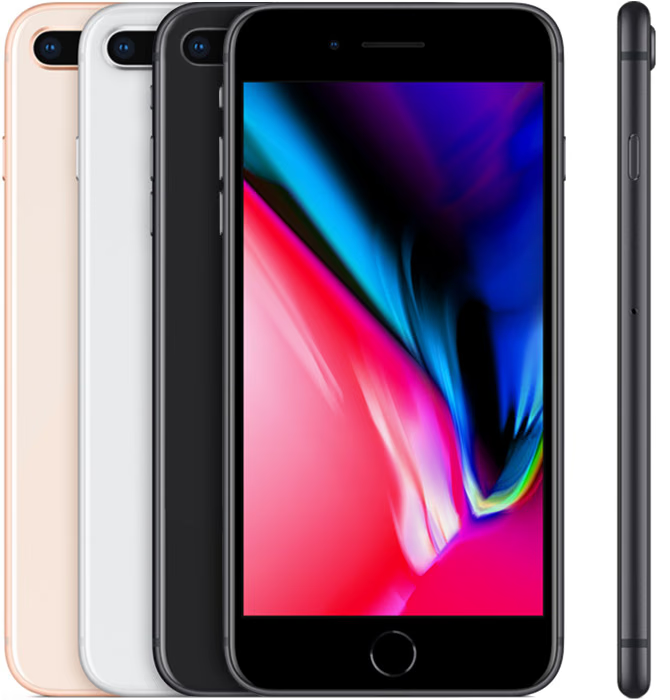
The iPhone 8 Plus made portraits its best reason to keep the larger shape
At the September 2017 launch the iPhone 8 Plus offered a larger familiar screen and a camera with two fields of view. It also put glass on the back to charge without plugging the phone in. The new camera software gave a photographer more to try than changing the level of blur behind a face. The iPhone X was already public, which made this a particularly good launch at which to distinguish an available improvement from a new design you would have to wait for.
Quick verdict
Retail release in the United States · Archive date
The iPhone 8 Plus was the strong September choice for a buyer who wanted dual rear cameras and a wide screen with familiar controls.
Best for: A photographer interested in Portrait Lighting and a larger display that could also sit on a Qi pad.
Main benefit: The two rear lenses and new lighting effects gave photographers more choices when taking portraits.
Biggest drawback: The broad glass-backed design took more room to hold and carry than the regular 8.
Reviewed version: The 5.5-inch iPhone 8 Plus announced and sold in September 2017.
Compatibility: Portrait Lighting was offered as a beta on the dual rear camera. The phone retained Touch ID and supported Qi charging.
Review context: I evaluate the documented retail hardware and the software available in its release window. Regional variants and software changes are identified where they affect the verdict.
I owned the 8 Plus as part of having every iPhone. This review concerns the US retail model released on September 22, 2017, on the same date as the smaller iPhone 8. The X reached stores in November. At the time, a buyer interested in keeping the Home button and a large screen had a clear reason to see what the 8 Plus offered on its own. Apple’s record of the September store launch
A lighting effect was distinct from choosing a lens
The rear camera pair kept a wide and a telephoto view. One makes sense for a small group in a room and the other for a narrower frame around one person. Apple’s Portrait Lighting added ways to change what a compatible portrait looked like, such as making the light on the subject more prominent or reducing the apparent background. The feature launched as a beta. A buyer could try it immediately, while still judging the effect on the subjects and surroundings they intended to photograph. Apple’s camera and Portrait Lighting announcement
Related reading

I would have tested a picture with a clear division between the subject and the background before looking at one with loose hair, similar colours or small edges. Those are different jobs for a system trying to recognise the parts of the image it should change. The controls make an interesting result easier to try when the conditions cooperate. They also make visible the places where the first version has difficulty. A regular photograph beside that experiment remains a useful option if those details matter to the person or moment.
The difference from the regular 8 was immediate because the smaller phone lacked this dual-camera feature. The difference from an existing 7 Plus was narrower. That phone could already get a longer view and had received the earlier Portrait mode. I would have thought about how often I used those tools before buying the new one for lighting alone. Other improvements to the camera system were relevant too, particularly for somebody who made videos and already had a reliable way to store and edit them.
Video at up to 4K and 60 frames per second was one such improvement. Where the subject moves, the extra temporal information can give a capable display or editor more to work with. There are costs in space and transfer time. I would have compared ordinary recording settings first if what I usually made was a long conversation or a scene intended to be sent over a limited connection. Someone upgrading mainly to shoot more demanding footage had a good reason to consider the higher storage option and the next device in their editing workflow.
The glass back and the screen met on a desk
Qi charging paired naturally with the way the large phone already rested next to a reader. Returning it to a particular pad could keep it topped up while you used it in shorter sessions. The charging surface worked best if it was already where you wanted the phone to stay. A stand with an inclined surface might be more useful to a person who wanted to glance at the screen, while positioning mattered for the particular charger. A cable was still suitable if you expected to hold the phone while charging it. Keeping both options made the new hardware more flexible.
The extra glass was another thing to consider in the case and grip. A broad phone that was easy to set on a desk could take more effort to handle with one hand. A case could make it easier to grip while adding a little more width to reach across. This is where an iPhone 8 Plus comparison matters in person. A holder that fit the regular phone and a pocket that fit the 7 Plus can tell you different things. I would have tried the exact place I meant to put it, with the case I wanted to use.
Related reading

The 5.5-inch 1080p screen gained True Tone. In a room with warmer light, a screen that adapts to its surroundings can be easier to read alongside a paper note or another nearby object. A person assessing the same photo on multiple displays has a separate reason to check the colour settings. The basic resolution and physical area remained close to the 7 Plus. The change was useful without pretending it turned the whole display into the OLED arrangement promised for November’s X.
Keeping Touch ID was a real preference at this launch
The A11 Bionic brought the same generation of chip as the iPhone X to a different physical layout. Apple did not make someone buy the forthcoming design to get that processor. The 8 Plus kept Touch ID and an established Home button at the bottom of the display. A buyer who had used the previous Plus for a year could expect much of the same motion when changing apps. Someone who preferred the screen to fill more of the front instead had a new model worth waiting to compare.
That question mattered because the 8 Plus carried space above and below the screen alongside its width. A person whose main interest was a broad view for writing could find the shape comfortable on purpose. Somebody excited by face recognition or a smaller overall footprint with a taller display would have had a reason to wait until the actual X arrived in stores. In September it was useful to make a choice about available hardware before assuming information about either shape answered the other one.
My verdict on the 8 Plus
At launch I would have chosen the iPhone 8 Plus for a buyer who wanted the wider display and dual rear cameras while keeping Touch ID. Qi support gave a second good reason if the phone spent time on a desk. The iPhone 8 was an easier choice for the same chip, charging support and familiar interface in a smaller body. An owner of a 7 Plus could compare charging and the new camera options directly and decide if those were regular enough to make an upgrade worth the cost.
The iPhone model timeline puts the 8 Plus between the first dual-camera Plus and the arrival of the X. It earns a separate place because it combined a camera that could do more with a broader screen already familiar to its buyers. The features beside it on the calendar help make that choice clearer.
What worked
The two rear lenses and new lighting effects gave photographers more choices when taking portraits.
True Tone and the 5.5-inch panel kept the existing Plus layout useful at a desk.
What bothered me
The broad glass-backed design took more room to hold and carry than the regular 8.
Portrait Lighting effects depended on the camera's ability to recognise the subject and its edges.
Who should not buy it
Someone who preferred the more compact 8 or intended to wait for the X's changes in display and authentication.
Alternatives I would consider
iPhone 8. The smaller model used the same generation of chip and Qi charging with one rear camera. Read my iPhone 8 review.
Evidence and sources
The release date refers to general availability in the named market. The archive filing is ten days later. Feature assessments are editorial judgments based on the documented retail model.
Features, compatibility and rated figures from the maker are manufacturer information. My opinions are identified in the review.
Conclusion
The largest benefit came when the second lens or useful charging setup made a visible difference often enough.
One email a week with practical Mac workflows, useful comparisons and honest tech recommendations.