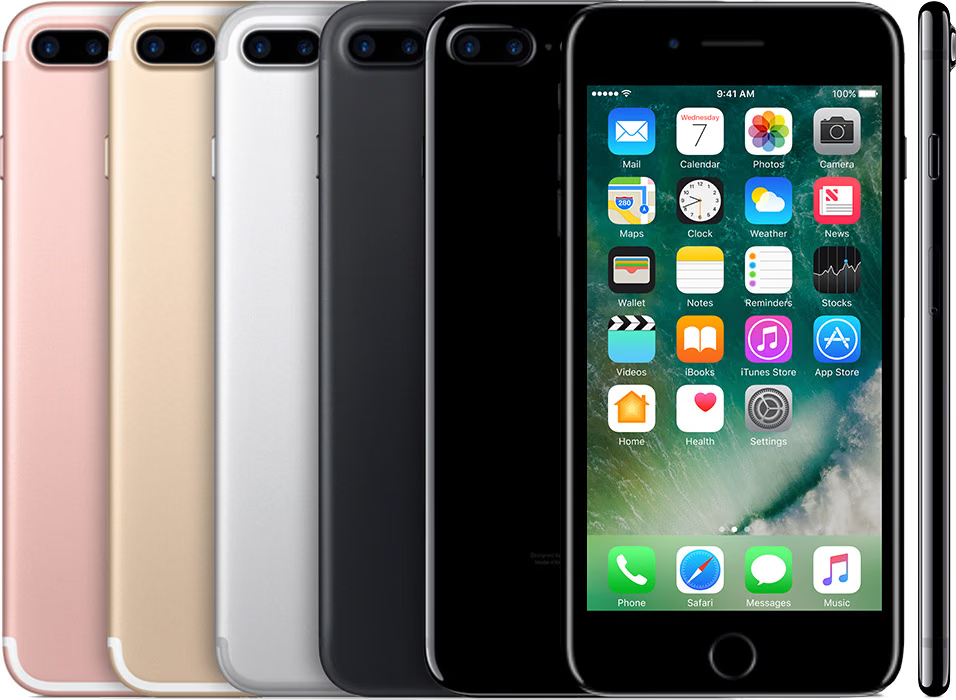
The iPhone 7 Plus was worth another look from farther away
The most convincing demonstration of the iPhone 7 Plus was to take two pictures of the same subject from the same place. The second rear camera gave a tighter view than the main one. Useful things can be across a table, on another level or beyond a place you can reach. The extra hardware offered a way to frame one of them without buying a separate camera to carry. That was an immediate reason to compare the 7 Plus with the small iPhone 7. The most advertised software effect for the two cameras was still on its way at launch.
Quick verdict
Retail release in the United States · Archive date
The iPhone 7 Plus was worth trying for buyers who wanted both the display and a second optical field of view.
Best for: People who often photographed subjects from a place they could not move closer to and had room for a Plus.
Main benefit: The second lens offered a 2x view without requiring people to move in nearer to their subject.
Biggest drawback: The bigger phone was harder to reach over. The initial release did not yet have Portrait mode.
Reviewed version: The 5.5-inch iPhone 7 Plus at its September 2016 US launch.
Compatibility: The dedicated telephoto lens worked in suitable conditions. Portrait mode first became available with iOS 10.1 on October 24.
Review context: I evaluate the documented retail hardware and the software available in its release window. Regional variants and software changes are identified where they affect the verdict.
I owned the 7 Plus as part of having every iPhone. This review uses the United States sale on September 16, 2016 as the historical reference. The larger phone arrived with the smaller iPhone 7 and had a 5.5-inch screen. Lower stock in a finish could change when an individual buyer got one. Apple’s first-wave models and retail availability
Two lenses gave a buyer two common distances to try
The main rear camera had a wide lens with optical image stabilisation. The second camera used a longer lens to give a field of view Apple described as 2x optical zoom relative to the wide one. A photo near a person and a view from across a small room give each of those a sensible job. The wider one makes it easier to keep some of the room, the activity and the people in the picture. The longer one can fill more of the frame with one subject before you decide whether there is enough light to take the shot.
Related reading

The amount of room you have is worth thinking about separately. You can move in a quiet place when you control where you stand. In a crowd or next to something you cannot cross, changing the view from the same position can be the only practical way to change your composition. I would have taken a set of pictures from a safe, ordinary distance and compared how much useful material survived in each one. A label farther away or a person framed inside their surroundings would show the difference more clearly than a generic image in a bright demonstration area.
A secondary camera of the time still gave you different low-light limits. A tighter frame can have enough detail in daylight with the camera held steady. In a dim room, the camera may benefit from the brighter wide lens and its stabilisation. The software could choose how to use the cameras and crop the view depending on conditions. The best reason for the feature was an actual need to frame something at different distances. The displayed zoom factor was only one part of how the device got the picture.
Portrait mode needs its own date
Apple showed an effect it called Portrait mode. It used the extra scene information to separate a subject from the background and apply blur. A buyer who wanted that look still had to wait at the end of September. Apple released the first version through iOS 10.1 on October 24. In a launch review it belongs among the forthcoming features, while the two optical views belong in the things you could already try. This is an easy distinction to lose if you compare the phones after a subsequent software update. Apple’s October availability notice for Portrait mode
In a typical portrait there is more to a good picture than separating the foreground from the background. Distance and where the photographer stands affect perspective. Lighting affects what stays readable in a face, and motion affects how crisp it looks. The extra camera was already useful for choosing where to stand and how to fill a frame. Simulated blur added another option for people whose subjects and surroundings suited it. If the point was recording a particular day, I would have judged the hardware with the tools that were there on that day.
The Plus display made a larger space to inspect that picture
The 5.5-inch 1920-by-1080 panel was close to the shape of the previous Plus. Apple expanded its colour support. The bigger display made it reasonable to review a few pictures with the subject nearby and check whether the best frame included the edge or expression you wanted. Somebody mainly interested in browsing or writing could use the increased area too. The previous 6s Plus already provided a display of similar size. That meant a buyer choosing between the two generations had more to gain from the camera and the other changes than from the diagonal.
Related reading

Like the smaller phone, the Plus removed the standard headphone jack. In-box Lightning EarPods and an adapter covered several useful situations. They still gave charging and wired audio the same connector to share. A person who used the Plus for longer videos and regularly kept it on power had good reason to evaluate that question. A buyer moving from a 6s Plus who had an established cable setup for watching and charging could have an easier time continuing with the earlier phone.
The larger phone weighed 188 grams, a little less than the 6s Plus and still substantially more than the regular 7. Its width made two hands useful for longer writing and tasks that needed a steady grip. Water and dust resistance added everyday reassurance under Apple’s stated conditions. The camera and audio changes were easier to judge across an ordinary day than an occasional splash. I would have decided if the shape fit the places I carried it before putting much weight on special camera uses.
The extra view also matters for the angle a viewer notices in the final photo. Standing farther back and selecting the tighter view is a way to leave different proportions of the surroundings in the frame. A person taking a casual picture indoors does not always have that distance available. With sufficient light and room, it is a good reason to look at the longer lens on its own before deciding how much a new background effect would add.
My verdict on the 7 Plus
At launch I would have picked the iPhone 7 Plus for somebody who used its larger display and wanted a second field of view immediately. The case for it was stronger when a couple of common photographs needed a longer lens. The iPhone 7 shared the improved main camera, stereo sound and much of the new hardware in a size easier to manage. The 6s Plus still gave big-phone readers a good reason to keep their existing phone and its headphone jack.
The iPhone model timeline treats the 7 Plus as a distinct model because it put more than size on that side of the choice. Its longer lens was the part that mattered in September. The software that people would later associate with the camera earned its own place on the calendar.
What worked
The second lens offered a 2x view without requiring people to move in nearer to their subject.
The large 1080p display was useful for checking photographs before leaving the scene.
What bothered me
The bigger phone was harder to reach over. The initial release did not yet have Portrait mode.
Wired listening and charging competed for the Lightning port just as on the smaller iPhone.
Who should not buy it
A buyer who expected Portrait mode immediately or chose mainly for comfortable one-handed operation.
Alternatives I would consider
iPhone 7. The regular model shared the improved stabilised main camera and a smaller body. Read my iPhone 7 review.
Evidence and sources
The release date refers to general availability in the named market. The archive filing is ten days later. Feature assessments are editorial judgments based on the documented retail model.
Features, compatibility and rated figures from the maker are manufacturer information. My opinions are identified in the review.
Conclusion
The additional cost bought an optical option at launch and a wider place to inspect the results. The later software had its own date.
One email a week with practical Mac workflows, useful comparisons and honest tech recommendations.