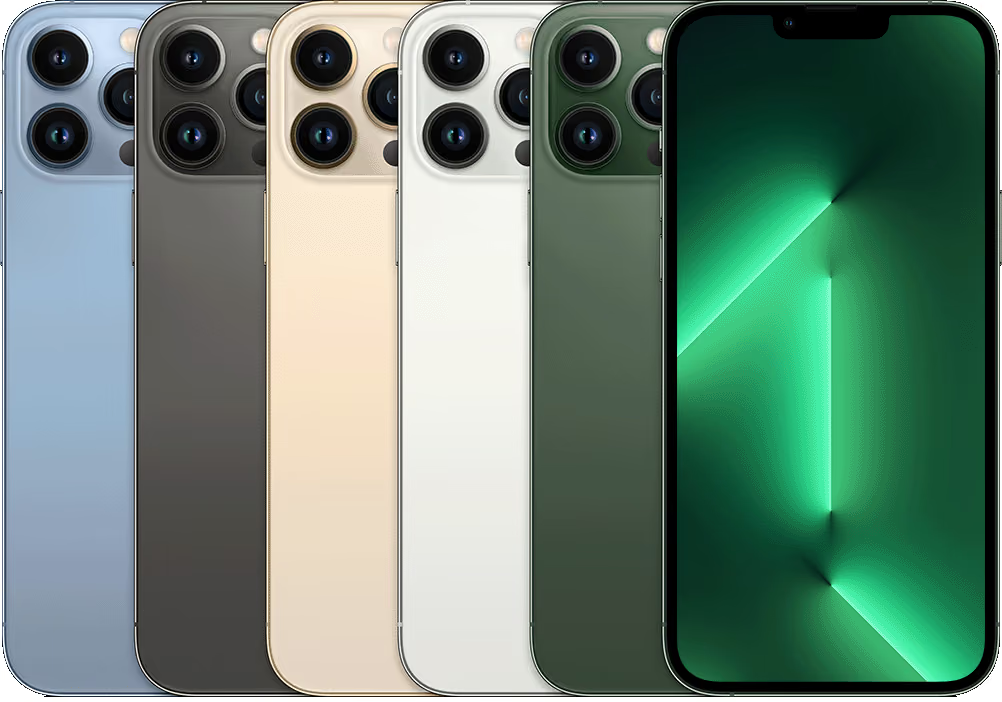
The iPhone 13 Pro Max offered more room to use the same camera system
The 13 Pro Max was the iPhone I would have considered if I intended to spend substantial time away from a charger and wanted the largest place to view what I recorded. Apple also put the new Pro cameras into the smaller 13 Pro. That changed how the choice looked beside the previous generation’s Max. A buyer no longer had to take the larger case to get the specific camera features discussed here. The higher price and weight got you more display and a longer expected battery, which were reasons that should survive a look at the way you generally use a phone.
Quick verdict
Retail release in the United States · Archive date
I would have chosen the Max for someone whose display and battery requirements were large enough to influence whether they finished a task before charging.
Best for: A buyer who reviewed work regularly on the phone and made significant use of it away from a useful power source.
Main benefit: The large OLED, adaptive refresh rate and greater Apple-rated battery life supported long reading, editing and playback sessions.
Biggest drawback: The very wide, heavy build was part of the cost of using that screen. The same rear camera hardware was available in the smaller 13 Pro.
Reviewed version: The 6.7-inch US iPhone 13 Pro Max from September 24, 2021. The model had 128 GB at entry and options up to 1 TB.
Compatibility: Its cameras matched the 13 Pro. ProMotion adapted up to 120 Hz, and later ProRes support was subject to capacity and capture-format conditions.
Review context: I evaluate the documented retail hardware and the software available in its release window. Regional variants and software changes are identified where they affect the verdict.
I owned the 13 Pro Max as part of having every iPhone. This retrospective concerns the September 24, 2021 US release. Both Pro models and both regular models were available on the same date. It was therefore possible to consider the size, screen and cameras at once before choosing which parts of the package to pay for. Apple’s in-store report for the iPhone 13 family
The largest display made a task last longer before you needed another device
The Max used the largest 6.7-inch screen in the generation. A long article or a camera preview made the gain easy to compare with the regular Pro. You could keep a little more of the surroundings around a small line of text. If you enlarged the material instead, there was more room to preserve its context. A map, a video control layout and the view of one fine detail compete for space in different ways. A larger display is most helpful when you can name one or two of those uses that already matter to you.
Related reading

The adaptive refresh technology was shared with the smaller Pro. Scrolling through a list or examining a long recording can benefit from smooth movement when the current use supports the rate. A photograph you inspect while it is still does not show that feature in the same way. The value of the Max was having space to use the display and its controls at the same time. A smaller OLED Pro still gave you much of the same image quality and motion if you preferred something easier to hold.
The visible size also carried a practical cost. At 240 grams the phone could feel substantial beside an ordinary case, with accessories making it heavier. This is an important comparison for photography because how long you can keep it steadily in the right place can influence a short recording. A large phone can give you a convenient review surface and a more demanding camera to hold at the same time. I would have tried the two sizes in the positions where I actually used them next to the display they needed to show.
Longer battery life was a better reason when it covered a real need
Apple expected the 13 Pro Max to last longer than its smaller sibling and the preceding Pro Max. The company’s use estimates are useful in a comparison where the same conditions are used. They give a less direct answer about someone using the camera for a late event, streaming in poor coverage and then needing to navigate home. I would have compared the actual stretches of travel, photography and reading that needed to fit in one charge. That gives a better clue about whether you need both size and capacity.
Battery headroom makes it easier to use the screen you paid for in those long stretches. It also makes it possible to let the phone work in a way you might have reserved for a separate device. If photography or reading already uses an accessory and you regularly arrange power nearby, the advantage can come up less often. I would put the physical weight alongside the extra ability to use the phone at the end of a day. A larger model often earns its place by combining those benefits rather than succeeding against a specification in isolation.
The camera and storage choices still needed an actual destination
The Max shared the smaller Pro’s three camera views, Ultra Wide macro capability and new 3x telephoto. The longer lens gave you a reason to try framing a subject whose distance you could not easily change. The macro gave the opposite kind of reason for examining the camera. The Max’s main advantage was being able to check more of what you recorded while still at the scene. If you planned to inspect everything on another display, the two Pro models made substantially the same decisions inside the phone. Apple’s iPhone 13 Pro camera and display comparison
Video also made buyers think about the device that would receive their work. An extended file could need transfer, editing and an appropriate display even if it started from a good camera in a convenient place. Apple offered up to 1 TB in the Pro line that year. That mattered for somebody with a reason to carry a great deal of local footage or several longer projects. A buyer who routinely moved finished work off the phone might find smaller capacity enough. The time a file needed to move, along with the place to keep it after, was part of the storage decision.
Related reading

The ability to see more can change the review step
On the Max an editor could see more alongside the controls they needed to adjust something, depending on the app. I would have tried a clip from start to finish, including trimming and finding a frame with somebody’s eyes open. If keeping most of the material in view saved a transfer elsewhere, the extra display could shorten the work. The smaller Pro offered the same shot in the first place. It also gave a buyer a lighter second screen if they normally made all decisions in an editing app on a computer.
My verdict on the 13 Pro Max
I would have chosen the 13 Pro Max for somebody who could use the large display and battery together and carry the phone with confidence. The 13 Pro was an easier physical choice for the same camera hardware and adaptive refresh support. The iPhone 13 still offered much of the everyday camera improvements at a lower starting price. The iPhone model timeline brings those launch choices together. This Max made sense if you intended to use enough of both resources that made the device larger.
What worked
The large OLED, adaptive refresh rate and greater Apple-rated battery life supported long reading, editing and playback sessions.
The Pro camera system and increased area to examine what it captured worked well together for somebody handling images on the phone.
What bothered me
The very wide, heavy build was part of the cost of using that screen. The same rear camera hardware was available in the smaller 13 Pro.
The camera system's larger sensor kit and long reach required some practice at different distances, although it could no longer be the reason to choose Max over Pro.
Who should not buy it
Someone who improved their ability to take a photograph by carrying a lighter phone that was easier for them to hold still.
Alternatives I would consider
iPhone 13 Pro. The smaller Pro has the same macro, telephoto and other camera options, with less screen and battery and a noticeably smaller carry. Read my iPhone 13 Pro review.
Evidence and sources
The release date refers to general availability in the named market. The archive filing is ten days later. Feature assessments are editorial judgments based on the documented retail model.
Features, compatibility and rated figures from the maker are manufacturer information. My opinions are identified in the review.
Conclusion
The question was what you could get done with that much screen space and charge. The decision should include storage needs for the content you intend to handle.
One email a week with practical Mac workflows, useful comparisons and honest tech recommendations.