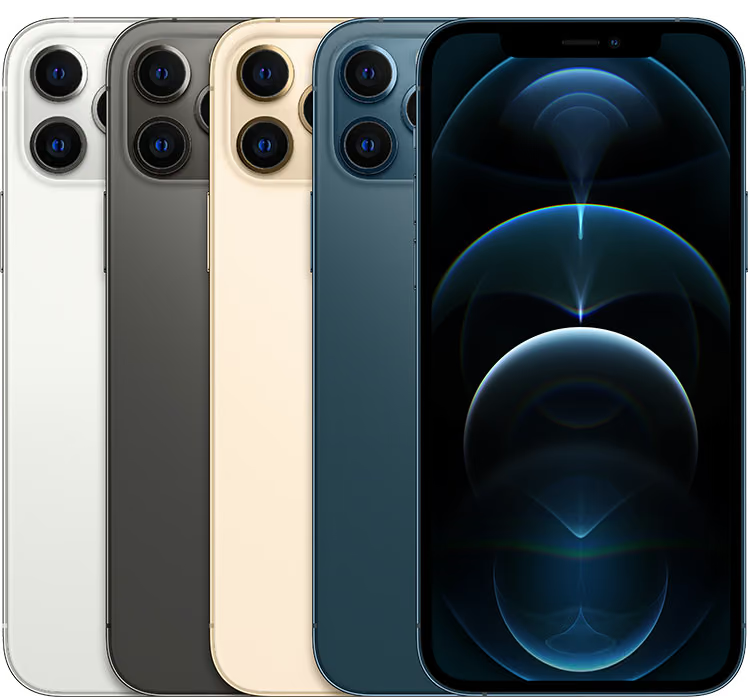
The iPhone 12 Pro needed a photographic reason to cost more than the 12
The iPhone 12 Pro reached the store beside a regular iPhone with a 6.1-inch OLED, the same generation of processor and MagSafe. Those improvements therefore could not explain the whole price difference. The Pro offered a third rear view and a LiDAR scanner that supported a few more camera uses. That was an appealing package if you frequently had a reason to compose a tighter picture or photograph a person in difficult light. The advantage was easier to see in a comparison with an actual subject than in a list of the new iPhone generation’s shared features.
Quick verdict
Retail release in the United States · Archive date
The 12 Pro was a sensible launch choice if you had a visible use for its 2x optical field or LiDAR focus and preferred this size to November's large camera model.
Best for: Someone who wanted a 6.1-inch iPhone and made photographs or short footage across several everyday indoor and outdoor working distances.
Main benefit: A dedicated 2x camera added a way to take a tighter view while the LiDAR scanner supported autofocus in lower light on the relevant camera.
Biggest drawback: The similarly sized 12 already had OLED and MagSafe. An announced later software option was insufficient by itself to justify paying extra on launch day.
Reviewed version: The 6.1-inch iPhone 12 Pro sold October 23, 2020. The first storage tier was 128 GB and the Pro Max did not launch on the same date.
Compatibility: It supported iOS 14, MagSafe, Lightning and supported 5G networks. ProRAW came through a subsequent iOS release, after the initial launch window.
Review context: I evaluate the documented retail hardware and the software available in its release window. Regional variants and software changes are identified where they affect the verdict.
I owned the 12 Pro as part of owning every iPhone. This retrospective concerns the October 23, 2020 US retail model. The iPhone 12 Pro Max came to stores on November 13 and differed in ways beyond size. This October review distinguishes features available when the 12 Pro went on sale from additions Apple advertised for later software. Apple’s Pro lineup launch dates and specifications
A third view could do a clear job on the day you bought it
The 12 Pro had an Ultra Wide, a Wide and a Telephoto rear camera. The longer camera was useful if you were taking a picture from a place where you could not move closer. It also gave the photographer a choice about how much of a room and its other objects stayed around a person. The wider views the regular 12 provided could handle most landscapes and pictures close to you. Picking the Pro was more persuasive if you could name a familiar scene where the tighter optical view made a difference.
Related reading

I would have tested the cameras in two kinds of light. On an ordinary bright day it is easier to compare how each lens framed a stationary object. In harder light, the system might make a different choice about which camera to use for a useful result. A person who needed a particular view through changing conditions should pay attention to what the device could do there. There is a bigger difference between a photo caught successfully and a blurred or awkward one than there is between some of the camera numbers Apple printed.
The higher-end models also supported HDR capture in Dolby Vision at up to 60 frames per second, a separate reason to compare the Pro if you actually had a workflow for such video. There is more to a good clip than the format. The next screen or editing tool has to handle the material the way you expect. A person mostly recording a short view for a message could use a simple video mode and still get good work from the phone. A buyer planning to record longer HDR material had a reason to check storage and where the files would be used.
LiDAR mattered most with a task to attach to it
The new depth scanner gave the phone an additional way to gather spatial information. Apple used it for augmented reality and some camera autofocus and low-light Portrait features. A bare scanner specification does not tell someone how often they benefit from it. It matters when an application actually needs a depth estimate or the camera can use it to find the intended subject under difficult light. In a well-lit room where a subject is easy to see, the difference can be less consequential.
One practical comparison was trying a portrait in dimmer light where you still wanted something recognisable around the subject. You can see whether the phone picks the right area and then inspect the edges. I would have compared the results immediately instead of assuming a depth sensor guaranteed a useful separation in all surroundings. Someone whose most important pictures already came from good light could decide the extra camera itself was a more substantial reason to buy the new model.
Apple described ProRAW as a feature that would become available later. A photographer who specifically wanted that format did not need to count it among the choices in the box immediately after October 23. A device can be the right choice if you have a reason to expect a forthcoming software capability. The price still deserves comparison against features you can demonstrate now. HDR video, a zoom option and the latest screen gave the Pro its own arguments before a RAW-format workflow joined the list.
Related reading

A familiar 6.1-inch size still got its own material and storage details
Both current October 12 models gave the owner a 6.1-inch OLED, a Ceramic Shield front and the MagSafe arrangement. The Pro’s stainless-steel band brought a different feel and more weight. A new buyer who used a case should try the full setup. Some of the most visible material distinctions are harder to value if the case covers them. A slightly heavier phone remains heavier while you hold it to read or carry it through the day. I would have chosen the material only if the combination of grip and protection worked for me.
The Pro began at 128 GB of storage. That gave an owner more room to keep substantial camera work local before choosing another tier. Someone who shared short clips and backed up regularly could still benefit from having a smaller library on the phone. The trade at launch was whether you expected to need more of the Pro’s equipment and capacity during recurring work. A photograph or video you wanted to inspect on another screen still had to get there and be useful to the next application.
Consider the previews you need to show someone else
There is a practical camera decision between the view that records the whole scene and a tighter view you can share quickly without cropping. Imagine sending a picture of a detail at the other end of a workspace. If the main camera keeps enough detail, choose among the 12 models for other reasons. If you regularly need to show something from where you already stand, compare the actual 2x frame and the effort it saves. This is easier to judge during the launch software window than a promised editing format.
My verdict on the October 12 Pro
I would have chosen the 12 Pro if its extra camera could help with a regular job and if I wanted the 6.1-inch size. The iPhone 12 gave a strong everyday display, performance and charging option at the lower price. Someone who wanted the largest possible view and the additional camera differences of the 12 Pro Max had a reason to wait until November. The iPhone model timeline separates these releases because the actual comparison changed when the larger device arrived.
What worked
A dedicated 2x camera added a way to take a tighter view while the LiDAR scanner supported autofocus in lower light on the relevant camera.
The 128 GB entry tier allowed a fairer comparison for buyers recording regular video than simply comparing advertised base prices.
What bothered me
The similarly sized 12 already had OLED and MagSafe. An announced later software option was insufficient by itself to justify paying extra on launch day.
The stainless-steel model was heavier than the equally wide iPhone 12. There is no reason to carry that extra weight if the distinctive rear features rarely come out.
Who should not buy it
Someone who mainly wanted an OLED upgrade or expected the Max camera hardware in an October-sized purchase.
Alternatives I would consider
iPhone 12. The regular 12 keeps the same 6.1-inch diagonal and access to MagSafe with a lighter body and two rear views. Read my iPhone 12 review.
Evidence and sources
The release date refers to general availability in the named market. The archive filing is ten days later. Feature assessments are editorial judgments based on the documented retail model.
Features, compatibility and rated figures from the maker are manufacturer information. My opinions are identified in the review.
Conclusion
Start by comparing 128 GB prices and actual camera needs. A buyer interested in the different main camera on the Max also had a short wait to consider.
One email a week with practical Mac workflows, useful comparisons and honest tech recommendations.