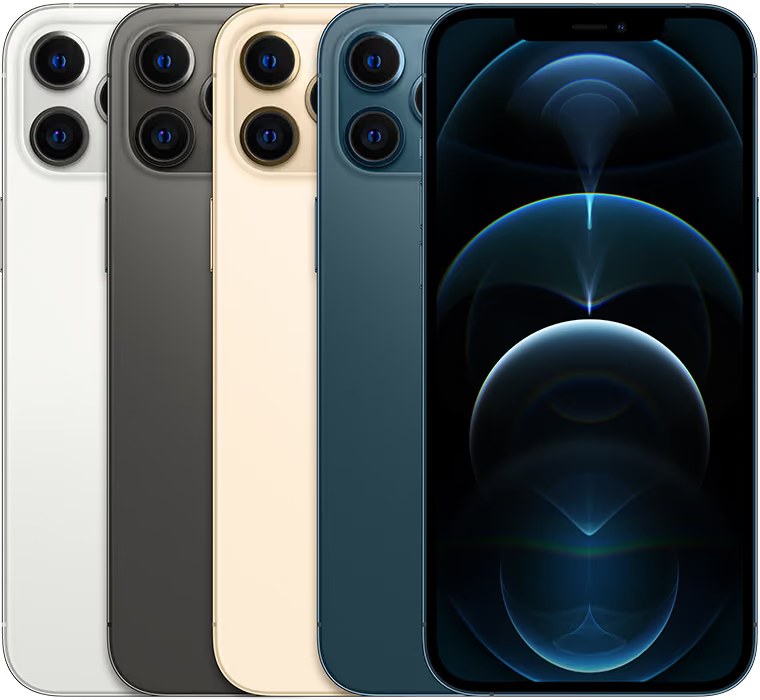
The iPhone 12 Pro Max was a different camera as well as a bigger phone
The 12 Pro Max was one of the years when buying the biggest iPhone also bought different camera hardware. Apple gave its main camera a larger sensor and a system that moved the sensor to steady it. The longer lens reached a little farther than the one on the regular 12 Pro. These were useful differences for someone who wanted particular images and could carry a 6.7-inch phone around to make them. If you only wanted an extra camera relative to the regular iPhone 12, the smaller Pro had already been on sale for three weeks.
Quick verdict
Retail release in the United States · Archive date
I would have waited for the Pro Max when a larger display and more useful camera hardware had an identifiable role in everyday work.
Best for: A buyer who used the rear cameras across a range of distances and had already decided a 6.7-inch phone was practical to carry.
Main benefit: The larger main sensor with sensor-shift stabilisation and 2.5x telephoto gave photographers different tools from the smaller Pro.
Biggest drawback: The larger size asked for a wider grip and more carrying room, while the tighter rear lens could be harder to use in a small space.
Reviewed version: The 6.7-inch iPhone 12 Pro Max as sold from November 13, 2020 in the US. The 128 GB base model used the same camera hardware as larger capacities.
Compatibility: It shipped with iOS 14, A14, MagSafe and 5G where supported. Apple ProRAW was added by software after its first two weeks at retail.
Review context: I evaluate the documented retail hardware and the software available in its release window. Regional variants and software changes are identified where they affect the verdict.
I owned the 12 Pro Max as part of having every iPhone. This retrospective concerns the US retail release on November 13, 2020. Apple made the 12 mini available on the same date. The size of the Pro Max was part of the camera decision and one of the clearest differences you could try before ordering a device that would travel with you all day. Apple’s November availability and camera descriptions
The main camera gave itself more light and a steadier base
Apple advertised a 47 percent larger sensor in the Pro Max’s main camera. A larger sensor is useful when it improves what the person taking the picture can keep. A quiet room or a subject in softer light gives that change a real chance to be useful. A scene where the limits of an ordinary phone camera are easy to see makes a more informative comparison than taking two pictures on a clear day and looking for any small difference. What the image processing does with the light is still relevant.
Related reading

The new arrangement moved the sensor rather than using the regular Pro’s optical stabilisation arrangement on the lens of the main camera. It could help with some unwanted movement from the way you held the phone. That does not give you a sharper result when a subject moves through the frame in the same way that a steady support can help with movement of the camera. I would have tested one steady scene and one scene involving too much movement, then valued the improvement in the place where it could actually help. Apple’s comparison of the two 12 Pro camera systems
The main camera also mattered in video. Holding a wide device quietly for more than a few seconds is its own practical question. The stabilisation had better value when you could keep the right composition while the phone handled small disturbances. Moving to a different position or giving the camera a stable surface can still improve the whole shot. Somebody who regularly filmed with the phone in hand had a good reason to compare how the combination of weight, grip and camera behaved over a short recording.
The longer lens asked you to be more specific
The telephoto was designed around a 2.5x comparison to the main camera, rather than the 2x of the smaller Pro. That can make a useful difference when trying to show something farther away or leaving out a part of the surroundings from the same position. It can also bring the main subject too close in a confined room. The buyer has to decide which distance is better for the work. A fixed vantage point provides a particularly useful way to compare those two choices.
Light gives you another reason to try more than one lens. A device can switch or draw where it gets enough information based on the scene. A subject that looks good through the longer lens during the day may need a different choice at night. I would have chosen the Pro Max for the situations where a real longer field of view or the main camera’s improvements would matter. Someone who made most pictures within normal conversation distance could get plenty of use from the regular 12’s views or find the smaller Pro a more flexible size.
The ability to inspect a photograph on a broad screen was a separate benefit from making a different photograph. If you liked to study the edges and expressions before moving on, the larger view had a place. If that work mostly happened later on a computer, the extra area may not have been needed every time you got the camera out. I would have decided where the photograph needed to be checked before paying for everything that went with the biggest body.
Related reading

The Max needed room in the days when you used it
A 6.7-inch screen gave a useful place to read, view controls and check what you captured. It also made the phone tall, wide and heavy to carry. If the phone was usually used with two hands, the size was easier to appreciate. If you needed to hold another thing throughout the day, reaching a control could be a repeated adjustment. A case changes the shape and how you can hold it, so a buyer ought to try the size with the case or mount they planned to use.
The box’s charging arrangement meant you also needed to check your cable and adapter. The phone used Lightning and supported MagSafe, while a charging adapter was a separate decision for the buyer. A desk or vehicle mount that supported the dimensions and weight mattered more here than a small difference on a spec sheet. The camera abilities could justify a large phone, and the everyday setup had to be ready for it too.
A changing subject is a better check than a still object alone
The different camera was a launch reason to compare the two sizes side by side. I would have tried a frame from the same position when the light was low and the subject held still, followed by one when it changed position. Stabilisation helps with the movement of the photographer. Shorter capture time and enough light are needed when the subject moves. Checking both outcomes at the size the pictures will actually be shared gives a better sense of the value of the larger main camera and wider display.
My verdict on the 12 Pro Max
I would have chosen the Pro Max at launch for the better main camera hardware, longer reach and large viewing area if I had good reasons to use them from a device this size. The 12 Pro was the easier fit for somebody wanting three viewpoints in a smaller phone. The 12 mini supplied a useful reminder of what carrying less could do. The iPhone model timeline gives the Pro Max its actual November position, when buyers could finally compare the extreme choices in the family.
What worked
The larger main sensor with sensor-shift stabilisation and 2.5x telephoto gave photographers different tools from the smaller Pro.
It kept a substantial screen available to check framing, read and adjust results even if you wanted to avoid another transfer at the time.
What bothered me
The larger size asked for a wider grip and more carrying room, while the tighter rear lens could be harder to use in a small space.
The initial software did not yet make ProRAW available. You could judge the imaging hardware and its normal launch modes without relying on later editing features.
Who should not buy it
Someone who wanted the Pro family for telephoto but would struggle to carry the body's extra width each day.
Alternatives I would consider
iPhone 12 Pro. Its 6.1-inch body is easier to handle. The smaller Pro uses a 2x telephoto and different stabilisation hardware on its main camera. Read my iPhone 12 Pro review.
Evidence and sources
The release date refers to general availability in the named market. The archive filing is ten days later. Feature assessments are editorial judgments based on the documented retail model.
Features, compatibility and rated figures from the maker are manufacturer information. My opinions are identified in the review.
Conclusion
The Pro Max premium paid for its particular camera layout and screen together. It made more sense with a concrete shooting task than as an upgrade for the name.
One email a week with practical Mac workflows, useful comparisons and honest tech recommendations.