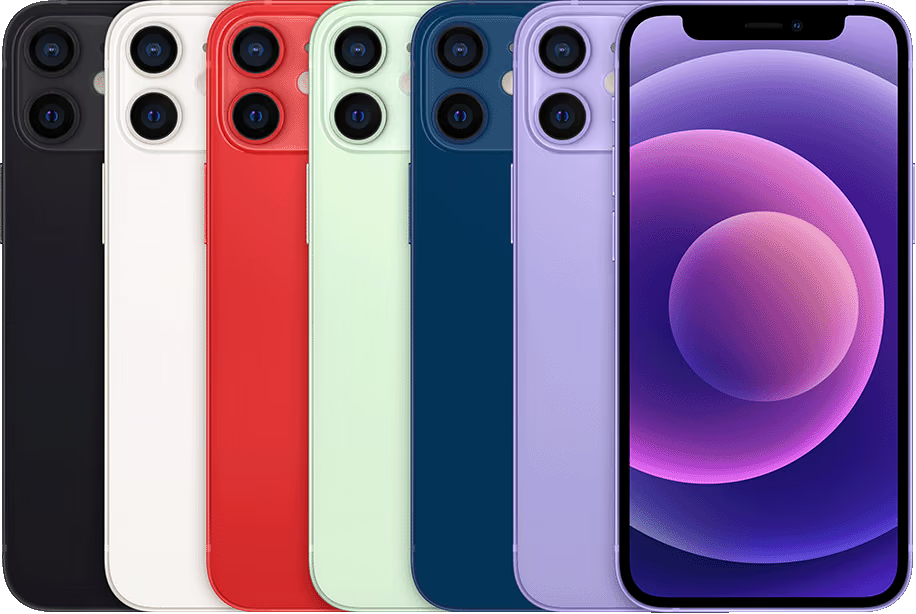
The iPhone 12 mini kept the regular 12’s cameras in a much smaller phone
The best reason to try the iPhone 12 mini was to see what happened to a familiar task when the whole phone got shorter and narrower. The 5.4-inch OLED made space for a useful view without the sizable areas above and below an older Home-button screen. Apple gave it the same generation of chip, 5G, MagSafe and the two rear cameras offered by the regular iPhone 12. The things you gave up were mainly physical. The display and battery were smaller, and that mattered much more in long periods of use than on a spec sheet.
Quick verdict
Retail release in the United States · Archive date
I would have picked it if the size made carrying the phone significantly easier and I could handle the shorter time between charges.
Best for: Someone who used the phone in short bursts, wanted a less intrusive pocket fit and counted on familiar modern cameras and gestures.
Main benefit: The smaller width and lighter body made changing grip and carrying the phone easier without taking away either of the regular 12's rear views.
Biggest drawback: There was less battery in the smaller case and less display area to keep large text, a keyboard and a conversation visible together.
Reviewed version: The US release of the 5.4-inch iPhone 12 mini on November 13, 2020, with an A14 and dual rear camera system.
Compatibility: Apple rated the mini for a lower peak MagSafe charging rate than the other 12 models. It still supports Lightning, Qi and 5G in the supported local configurations.
Review context: I evaluate the documented retail hardware and the software available in its release window. Regional variants and software changes are identified where they affect the verdict.
I owned the 12 mini as part of having every iPhone. The dates here refer to the November 13, 2020 US launch. The regular 12 had reached stores in October, and Apple started selling the Pro Max with the mini. Those two November phones made opposite decisions about the useful size of a screen and camera setup. Apple’s confirmation of iPhone 12 mini availability
A small phone with otherwise familiar performance
It is easier to see what the mini was for if you bring one regular action to the comparison. Check the next stage of a journey, make a short reply, and put the phone away while keeping a hold of something in your other hand. The narrow body and low weight help across that sequence. For somebody who already wanted a smaller object to carry, the choice was more direct than deciding whether a phone closely related to the iPhone 12 was fast enough. Much of what you could run on the larger one was available on this one as well.
Related reading

The regular 12 remained easier to read for a person who held it up for a long time. There is more space to increase the text size without shortening every line as much. You get more of the content above a keyboard and more room to check a small part of a picture while keeping its surroundings visible. Choosing the smaller display is a trade with actual consequences. If you mainly look at a few things at a time on the phone and read longer material elsewhere, the balance can go the other way.
I would have compared it with the 2020 iPhone SE too. The mini gave the buyer a physically smaller device with more of the front available to the display, while the SE retained a fingerprint reader and a familiar button. Someone who enjoyed the reach of the older small iPhones might still want to decide which gestures or method of unlocking worked well. Picking the larger display area for the same sort of pocket is easier when the basic controls feel convenient. Apple’s design and display specifications for iPhone 12 and 12 mini
A smaller battery made the actual day worth checking
A smaller phone gave Apple less room for its battery. Its estimates for some uses were shorter than those for the regular iPhone 12. What matters is which hours in your day use power most heavily. Reading content that is already available and briefly checking messages ask something different from navigating for an hour with the display bright and a cellular radio working. A 5G connection where the new service was available could be a benefit, while the conditions under which you used it still influenced battery life.
I would have checked if a charger was near the time when the phone mattered most. Somebody at a desk for part of the day could set it onto a compatible charger and keep the smaller body for its other uses. Somebody who went out for long periods taking photos or recording video could appreciate the reserve of a larger model. The mini made it especially important to know whether the device had to last through a sequence of heavier tasks away from power. It need only disappoint once in the part of the day when you truly depend on it to change how confident you feel leaving the cable behind.
The two cameras made the compromise easier
The mini shared the regular 12’s Wide and Ultra Wide rear cameras. You got a way to see a broader room or scene in a small device without depending on a separate accessory. The narrow body was useful if you wanted to take one quick picture and move on. The screen was the smaller place to check it afterward. A person who intended to do long editing or evaluate a large part of the image before leaving might still prefer the larger model.
Related reading
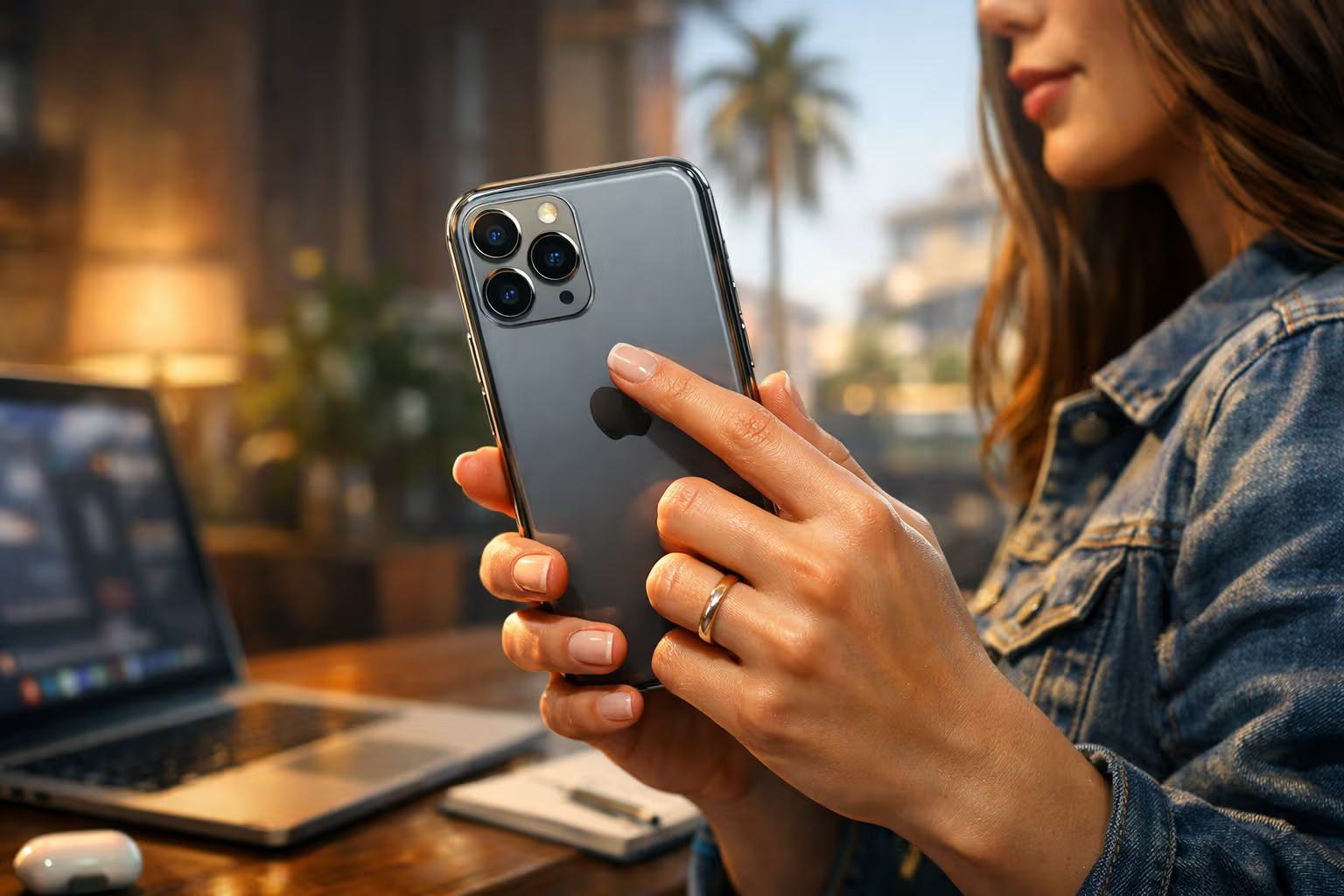
The lenses have the same distinction as on the regular 12. The useful width of the view matters more than assuming either can solve the need to see a faraway subject. The Pro family gave somebody a good reason to consider the additional camera if they needed a tighter optical view. The mini was particularly persuasive for a buyer whose common pictures were at close range and who wanted a good general setup to carry without much effort.
A person filming on the smallest launch phone should also think about a stable grip. The screen may be easy to get out of the pocket, and a small body can still be hard to steady with both hands in some positions. A simple support helped on longer recordings. The mini worked best when its portability and the job were connected. Take the device to a place where the larger phone might have stayed home and a short, well-framed picture is an immediate benefit.
A jacket test and a keyboard test answer different questions
The mini’s fit is easiest to appreciate in the clothing or bag you actually use. A phone sitting neatly in a pocket can still feel too small once the onscreen keyboard is open. I would have entered a full street address and tried correcting a sentence, with the text size I wanted, before deciding. One small advantage becomes a strong reason to buy if access to the phone genuinely improves and the typing experience still lets you use it comfortably.
My verdict on the first mini
I would have chosen the 12 mini for somebody who consciously wanted a smaller phone and knew how much time it needed to last away from a charger. The iPhone 12 was easier to recommend to somebody wanting the same rear cameras, a larger reading area and more battery headroom. The 2020 iPhone SE had its own reason to appeal if Touch ID and price mattered more. The iPhone model timeline places the mini in November, where it made a useful independent choice about size within the larger iPhone 12 family.
What worked
The smaller width and lighter body made changing grip and carrying the phone easier without taking away either of the regular 12's rear views.
It preserved Face ID as well as the same placement of the full-screen gestures. It was easy to remain on the same software setup as a larger model.
What bothered me
There was less battery in the smaller case and less display area to keep large text, a keyboard and a conversation visible together.
The lower MagSafe limit and battery rating deserved attention if you relied on wireless charging between longer periods without a plug.
Who should not buy it
A person who reads or edits information on a phone for long uninterrupted sessions or plans to use it for extended navigation.
Alternatives I would consider
iPhone 12. The regular 12 shares the major essentials and gives up the mini's small fit in exchange for more display and battery. Read my iPhone 12 review.
Evidence and sources
The release date refers to general availability in the named market. The archive filing is ten days later. Feature assessments are editorial judgments based on the documented retail model.
Features, compatibility and rated figures from the maker are manufacturer information. My opinions are identified in the review.
Conclusion
The size difference was the purchase. Two everyday jobs in the same store could tell you more about the mini than comparing lists of shared hardware.
One email a week with practical Mac workflows, useful comparisons and honest tech recommendations.