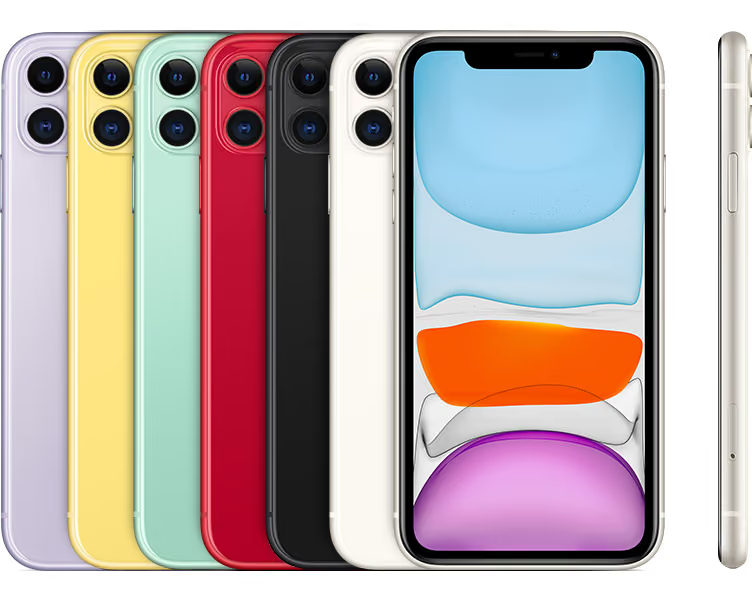
The iPhone 11 put two broad camera views on the more affordable model
The regular iPhone 11 was an unusually easy phone to judge with a pair of pictures. One scene should be indoors with enough space to see what the second, wider camera adds. Another should be a still subject in low light that you cannot light as you would like. Those cases showed two things the familiar 6.1-inch shape did much better than the XR. There was still a good reason to try the Pro if your common problem was getting a tighter view from farther away. The more affordable model deserved to be reviewed for the ways its cameras actually worked.
Quick verdict
Retail release in the United States · Archive date
I would have picked the 11 over an upgrade to either Pro if fitting more in the frame was the main camera problem.
Best for: A buyer who liked the XR size and took photos and short clips indoors, in groups or somewhere it was hard to take another step back.
Main benefit: A second rear camera made the framing options substantially different on a phone that still started at $699 in the US.
Biggest drawback: The 6.1-inch LCD and two-lens layout left out the contrast and dedicated telephoto available on the 11 Pro.
Reviewed version: The 6.1-inch US iPhone 11 that went on sale in September 2019. The base storage option was 64 GB.
Compatibility: It started with iOS 13, Face ID, Lightning and Qi charging. The Wide camera supported Night mode. The new lens had a wider view and its own lighting limitations.
Review context: I evaluate the documented retail hardware and the software available in its release window. Regional variants and software changes are identified where they affect the verdict.
I owned the iPhone 11 as part of having every iPhone. This retrospective returns to the September 20, 2019 US release, when Apple sold it alongside the new iPhone 11 Pro and Pro Max. The 11 used much of the size and shape of the XR and had a suggested US starting price of $699 for 64 GB. Apple’s iPhone 11 launch and pricing information
The second camera took in a wider scene
Apple paired its regular wide lens with an Ultra Wide. The extra view was useful if you were already far enough away to include the people at a table and wanted some more of the room. The same case comes up in a narrow street or when trying to show the size and surroundings of a large object. Stepping back can be a good solution. A wider lens gives the camera another direction when that space does not exist.
Related reading

An ultrawide image can make a nearby object look disproportionately large or place people nearer the outer edges, where some scenes look stretched. I would have checked the centre and edges before using it on a group. Sometimes the ordinary wide camera is better when keeping a natural view of a nearby face matters more than showing everything beside it. The benefit of having both is deciding which work the photograph needs to do while you still have the scene in front of you.
Neither of these lenses was a telephoto. A distant performance, sign or subject through a crowd was a reason to compare the 11 Pro. For an object close to hand, the two broader choices often gave plenty to work with. This matters because the earlier XR also had a reasonably capable wide camera. The best reason to move from that phone was what the new companion lens and low-light mode let you capture, rather than the ability to take a basic daylight picture.
Night mode mattered for subjects that gave the camera time
The main camera offered a Night mode that could combine information from a longer capture. A street scene after dark or a steady arrangement indoors might reveal details that had been hard for a phone to expose clearly. The result depended on keeping the camera reasonably steady and on what happened while it collected the picture. A small bit of movement in the scene can change how an image looks even when the room itself is recorded better.
I would have used a steady subject as the initial test, then tried a more typical moment where the person or device moved. The difference between the two gives more context to the feature than a simple promise about taking photos at night. Apple offered the 11’s Night mode through the Wide camera. The Ultra Wide gave a different perspective, with different low-light limits. A choice of lens you like in daylight may therefore be the wrong one after dark.
Video also made the front camera more interesting. Apple introduced a wider front view that could record 4K. That can be useful when you are talking and want more of the surroundings to stay in the picture. I would have considered the way the finished clip looked and sounded in the intended environment before choosing a more demanding setting. If you only plan to send short clips on mobile data, smooth and clear output is often more useful than the largest file you can make.
Related reading

Much of the XR’s practical layout came with it
The 6.1-inch LCD gave the 11 a familiar compromise between display area, price and the reach of your hand. It was generous for a message, map or ordinary page. The OLED Pro models offered stronger contrast and a higher-density view. A buyer looking chiefly at long text and familiar photos could check how the LCD looked in the place they normally used it. Somebody watching a lot of HDR video had a more specific reason to compare the Pros.
Apple put the A13 Bionic in all three models. That gave a person who preferred the regular phone one of the principal performance improvements at the lower price. Reading several short messages might do little to distinguish it from an XR. Working through a set of camera images or heavier app tasks could give the new hardware more to do. Buyers who could name one recurring task had a more reliable reason to change phones than somebody relying on overall speed claims.
The middle 128 GB option made sense as well. New camera modes can increase how much people record. The storage question is how long those recordings need to stay alongside everything else. A buyer who routinely moved files off the phone could get along well with the lower tier. For somebody taking it on a trip to shoot both video and stills, 128 GB offered useful room without automatically choosing the largest version.
The difference between open space and a tight group
A family at a table and a small room show two different reasons to use the new lens. A wider room view explains where everybody is. At a table, the people at the sides can look stretched when one of them is much nearer the lens than the rest. Leaving a little space around people helps, so it was worth seeing what the main camera could already include before switching. This was a better reason to want two distinct lenses than having a perfectly wide frame on every occasion.
My verdict on the iPhone 11 at launch
I would have chosen the regular 11 for its wider camera options, Night mode and generous display at the US starting price. Someone who used the iPhone XR quite happily and rarely ran into the new camera’s use cases could still get substantial value from the older shape. A person who needed a dedicated longer lens, a smaller OLED phone or the largest available screen had a separate reason to look at the Pro models. The iPhone model timeline keeps all three September releases together. This one made the best case for buyers who wanted the main camera and performance changes at the lowest launch price in the new line.
What worked
A second rear camera made the framing options substantially different on a phone that still started at $699 in the US.
The main camera offered an easier way to keep a frame usable in some low-light situations. The new view could put a subject back into its surroundings.
What bothered me
The 6.1-inch LCD and two-lens layout left out the contrast and dedicated telephoto available on the 11 Pro.
The bundled 5W adapter put the faster charging the phone was capable of behind a separate purchase.
Who should not buy it
Anyone who depended on a tighter optical field of view or wanted the OLED screen in a body narrower than the 11.
Alternatives I would consider
iPhone 11 Pro. The smaller Pro adds a true telephoto, OLED and a narrower body, with a significantly higher entry price. Read my iPhone 11 Pro review.
Evidence and sources
The release date refers to general availability in the named market. The archive filing is ten days later. Feature assessments are editorial judgments based on the documented retail model.
Features, compatibility and rated figures from the maker are manufacturer information. My opinions are identified in the review.
Conclusion
The 11 saved money while keeping the new chip and core camera changes. The storage choice mattered if keeping frequently recorded footage on the phone.
One email a week with practical Mac workflows, useful comparisons and honest tech recommendations.