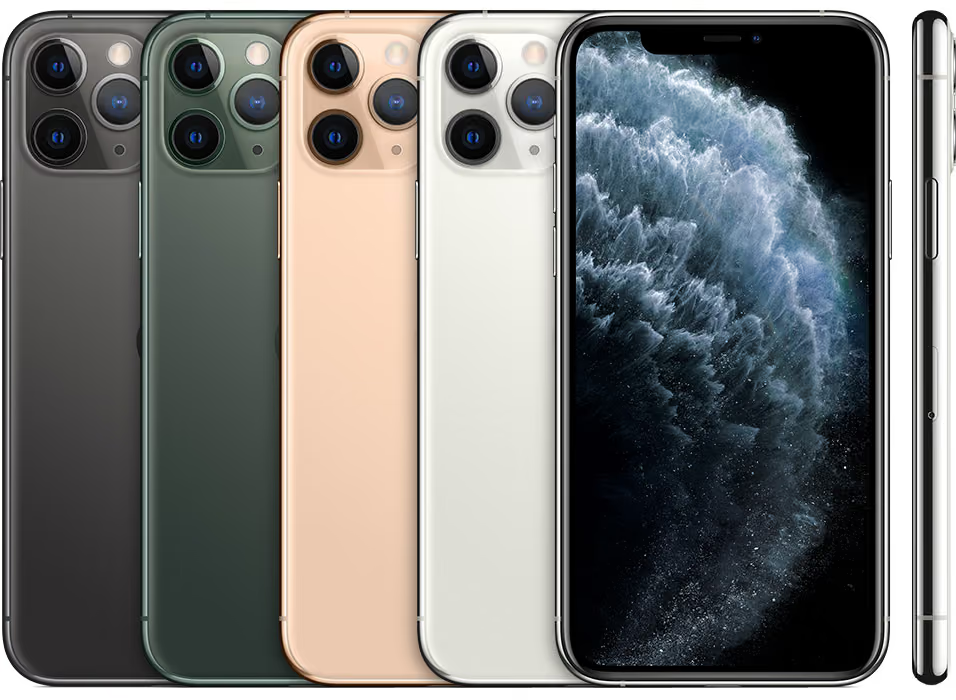
The iPhone 11 Pro gave the full camera range to the smaller OLED phone
The smaller iPhone 11 Pro offered the same three rear views as the biggest iPhone of the year. It fit those cameras under a 5.8-inch display. That made it a good fit for someone who wanted a camera with flexible framing but intended to carry a phone closer to the size of an iPhone XS. The word Pro mattered if you could put the longer lens and the screen to work. Paying for the name alone made less sense when the less expensive iPhone 11 shared two of the views and the A13 chip.
Quick verdict
Retail release in the United States · Archive date
The 11 Pro was a good launch choice for a photographer who wanted the entire rear camera system in a smaller phone and could justify the price.
Best for: A person who moved between wide and tighter compositions and preferred the narrower body of the 5.8-inch model.
Main benefit: All three rear views were available in the smaller Pro, including the dedicated Telephoto missing on the regular 11.
Biggest drawback: The top camera configuration was expensive in a 64 GB base model, and moving up a storage tier adds to what you spend.
Reviewed version: The 5.8-inch September 2019 US iPhone 11 Pro, starting at 64 GB. It was the smaller phone in Apple's first iPhone Pro pair.
Compatibility: It shipped with Face ID, iOS 13 and Lightning. The package included the 18W adapter and USB-C to Lightning cable needed for the bundled fast-charging setup.
Review context: I evaluate the documented retail hardware and the software available in its release window. Regional variants and software changes are identified where they affect the verdict.
I owned the 11 Pro as part of having every iPhone. This retrospective uses the September 20, 2019 US retail release. The regular iPhone 11 and the 11 Pro Max reached stores on the same day. Having all three in a store helped with the decision because resolution, shape, camera selection and charging accessories were things you could compare directly. Apple’s original iPhone 11 Pro and Pro Max release details
The lens choice was better judged with three distances
The Ultra Wide could include more of a space around an object or fit a view into a place where there was nowhere to take another step back. The main camera remained the obvious choice for many ordinary pictures and for the new Night mode. The Telephoto let you make a tighter view from the position you had. These are separate camera viewpoints with separate practical limits. I would have decided what part of a scene I wanted somebody else to notice before picking one of the three.
Related reading

To compare the Pro with the ordinary 11, I would have stood at an angle you might use to see a person across a small space. Take a picture with the regular rear camera, then see what the tighter view preserves. It’s a simple way to value the part of the Pro that the ordinary 11 cannot give you optically. For a group nearby or a larger interior, the regular 11 and the Pro share the broad kinds of view you need. The Pro earns more of its price when the longer camera is involved in a recurring task.
The position of the phone also matters when the light falls. Holding the device steadily helps with a night view. The longest lens is not always where a camera system gathers the best available information. I would have tried the main camera for a steady dim scene and compared other views in the light you expect to photograph in. Then there is still the ordinary decision of whether you want the subject close or want more detail around it. That choice makes the camera easier to understand than treating a set of three lenses as an automatic promise about every picture.
The smaller shape was a choice for camera users too
The Pro had a 5.8-inch OLED panel. It was a little smaller by diagonal than the ordinary 11 and had a different kind of display. A regular view of bright details next to dark areas shows a useful distinction between the OLED and LCD models. The Pro gave you a place to assess how much detail survived changes to a photograph. The bigger Pro Max offered more physical area to make that judgement. The smaller phone could be easier to hold steadily or carry to the place where you meant to take the picture.
I would have tried one framing change and one image edit on each size. The Pro Max gave the slider and extra information more area while the photograph stayed large. The smaller 11 Pro was more convenient to move if somebody was photographing briefly and then returning the phone to a pocket. If your interest in a large display began after the picture was already captured, another screen in the studio or at home could handle much of that work. Choosing size at the same level of camera capability kept those decisions easier to separate.
The 11 Pro also used textured matte glass on the back. It offered a different feel and appearance from the regular iPhone 11. A person interested in making handheld video might prefer to check how the phone sat in a case or mount. That can make a more immediate difference to a video than a colour choice. The short physical size of the 11 Pro was one of the main reasons I would want the particular model rather than simply buying the most expensive one with the same lenses.
Related reading

Included charging changed the package you received
The 11 Pro included an 18 W USB-C power adapter and a USB-C-to-Lightning cable. That was useful to a new buyer who needed a quicker wired setup and had no adapter already. The connector on the phone remained Lightning. A person moving their laptop cables around still needed the appropriate cable for the phone. The charging option was part of the package, but on its own it was a small argument for a Pro when a similar charging arrangement could be added separately to a suitable alternative.
The Pro started at 64 GB. Choosing to shoot at higher video resolutions or hold more footage locally also meant deciding how soon some of it moved to another device. A sensible storage estimate should include the clips you return from a trip with and the ordinary apps that stay installed. Someone who wanted the complete set of cameras to use regularly could find that the next tier made more sense for recording than the entry phone suggested by the initial price.
Check the three views at a single standing position
A standing position on the edge of a pavement provides a simple comparison. An overhead sign might need the telephoto, the shopfront can fill the main camera, and an Ultra Wide picture can show the street that gives both context. Those are three different pictures taken with your feet in the same place. A buyer who regularly moved instead would see less reason to pay for the longer camera. The value was clearest when moving was difficult and a different photograph was still possible.
My verdict on the smaller 11 Pro
I would have chosen this Pro for someone who wanted the three rear views in a narrower OLED phone. If the two broader cameras and Night mode were what mattered most, the iPhone 11 was a good alternative at a lower starting price. The 11 Pro Max was a better place to handle a large composition or watch more of your work at once. The iPhone model timeline lists all three together because the release gave buyers a useful choice between camera reach, a comfortable size and the total price of the setup.
What worked
All three rear views were available in the smaller Pro, including the dedicated Telephoto missing on the regular 11.
The improved battery and the included 18W adapter made it easier to decide how to fit a charge into a working day.
What bothered me
The top camera configuration was expensive in a 64 GB base model, and moving up a storage tier adds to what you spend.
The tighter telephoto view was useful in the right scene, and its smaller aperture and subject motion still mattered in poor light.
Who should not buy it
Someone who wanted chiefly an inexpensive A13 model or a long screen suited to checking footage for several hours.
Alternatives I would consider
iPhone 11 Pro Max. The larger Pro offers the same camera choices and a larger battery, with a wider 6.5-inch display and a bigger reach. Read my iPhone 11 Pro Max review.
Evidence and sources
The release date refers to general availability in the named market. The archive filing is ten days later. Feature assessments are editorial judgments based on the documented retail model.
Features, compatibility and rated figures from the maker are manufacturer information. My opinions are identified in the review.
Conclusion
For someone making active use of all three views, the hardware and OLED justify taking the phone seriously. The 11 could make the same everyday calls and take a very wide photograph for less.
One email a week with practical Mac workflows, useful comparisons and honest tech recommendations.