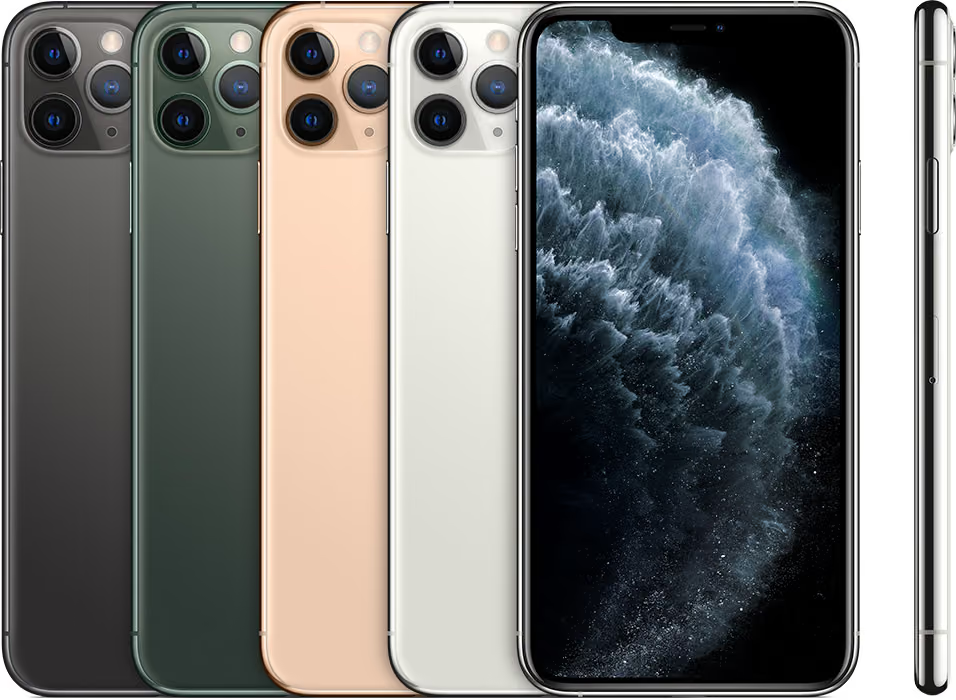
The iPhone 11 Pro Max made sense for a long day of using the camera
The iPhone 11 Pro Max gave you more space to check a picture and more time to spend using that space. The smaller 11 Pro put the same three rear viewpoints and the same generation of processor in another shape. That made the price difference easier to understand. I would have chosen the Max for someone who planned to spend several parts of a long day looking at and producing content on the phone. The person carrying it had to be happy with its size for all the moments between those uses.
Quick verdict
Retail release in the United States · Archive date
I would have chosen the Pro Max for a buyer who regularly stayed away from a charger and used a phone to see and review the detail in their work.
Best for: Someone who could make real use of the larger screen as a camera viewfinder and preferred capacity between charges over a smaller phone.
Main benefit: The bigger OLED screen made framing and checking a shot easier when the difference was visible at the distance you actually held it.
Biggest drawback: The extra reach and weight arrived with you all day, including the many occasions when a smaller view would have been just as useful.
Reviewed version: The 6.5-inch iPhone 11 Pro Max in the September 2019 US launch, including the first 64 GB configuration.
Compatibility: It shared the A13 and three rear camera choices of the smaller Pro. Face ID and a Lightning port were common to both phones. It included an 18W adapter.
Review context: I evaluate the documented retail hardware and the software available in its release window. Regional variants and software changes are identified where they affect the verdict.
I owned the 11 Pro Max as part of having every iPhone. This retrospective uses the US retail launch on September 20, 2019. The 5.8-inch Pro and the regular 11 came out on the same day. There was a live choice between a smaller OLED phone with the same cameras and a lower-priced phone with a different display and two rear cameras. Apple’s in-store release confirmation
An extra bit of screen changes how long you can work on it
The Max used a 6.5-inch OLED display. It made a good surface for checking what you caught before leaving the location. You may see that an object is too near the edge, check a shadow around a person’s face and still have room to consider what the whole photo is showing. The extra area was useful even when the resolution of the captured picture was the same as on the small Pro. The difference was what a person could see while deciding whether to redo a photo or send it.
Related reading

Video and more general reading have different demands. A dark part of a picture next to a bright point is a useful way to try the OLED. A landscape video may occupy only part of the taller aspect ratio. Try the film in the format and fit you expect to use. A person with captions can benefit from a larger view while someone mainly watching short clips may gain little from keeping the largest available phone all day. The usefulness of a display large enough to show the image and controls at once is easier to appreciate in one long edit than a few taps through a store app.
The phone was substantially larger and heavier than the 11 Pro. When using both hands, the extra width could help with typing, moving a slider and responding to something from the earlier part of a conversation. When carrying a bag and trying to tap on a high control, the same width could become more noticeable. The price difference belonged beside the difference in handling and battery. I would have tried usual actions before trusting the greater diagonal to be an improvement in all the places the phone went. Apple’s display and hardware description
Battery value was about what you did away from the charger
Apple advertised as much as five hours more battery life than the XS Max in its model comparison. The number is best read as a comparison under Apple’s conditions. Keeping the screen on for much of a day, recording video, uploading the work and losing connectivity in a few places may produce a very different amount of time than playing back a video already stored on the phone. I would have cared more about being able to finish one ordinary period away from power than about treating the biggest estimate as a measurement from my own day.
The larger display could replace some time spent on a separate device. That is useful, while also moving more work onto the phone’s battery. If you intended to use this model as camera, map and a place to read at intervals, it made sense to start with the version that Apple designed to last longer. If you already kept a charger nearby or read for long periods on another device, the advantage might come up fairly rarely. You pay for the handling difference whenever you carry it, so a good case includes both how long you need it and where it goes with you.
The included 18 W USB-C supply and compatible cable gave a way to recharge more quickly at the desk. The phone itself still used Lightning. A buyer bringing a USB-C laptop as well needed to consider the cables that meant both devices could actually be supplied. The Max benefited from a sensible desk or travel setup, especially if an unexpectedly long recording or a lot of screen time changed what was left.
Related reading

The same lenses made it easier to decide against the largest size
The 11 Pro Max used the same Wide, Ultra Wide and Telephoto cameras as the smaller Pro. The wider view helped in a tight space and the longer one when moving closer was difficult. Night mode gave the Wide camera a way to gather more useful light under suitable conditions. Switching the size of the phone did not change those things. A buyer who wanted to carry the lighter model at the moment of recording could still get the three views. A buyer who wanted to see more of the finished view right away was the person with another reason to choose the Max.
I would have looked at storage while making that decision. The US 64 GB entry Max started at $1,099. A person making and keeping a lot of video would still have to decide about capacity and where to move the results. Buying the largest screen with the smallest storage might suit someone who streamed content and moved files away regularly. It was a less obvious choice if the goal was to carry or make a great deal of local footage.
A longer return trip was more instructive than one battery reading
Someone using the Max away from their desk could think about the whole set of ordinary jobs between two chances to charge. Photograph an object, preview the result, keep the directions visible, and share the file after getting where it was going. The bigger screen was most useful while you were working with the result. Apple rated the phone for longer video playback than the 11 Pro. Maps, signal, brightness and recording can change how useful that difference is for a particular route.
My verdict on the 11 Pro Max
I would have chosen the 11 Pro Max if the bigger display and longer life could both solve a problem in the same day. The 11 Pro was a better fit for somebody wanting the lenses in a smaller device. The iPhone 11 made sense if the longer lens and OLED were less important than the price. The iPhone model timeline groups the September models and records the date when those comparisons became possible. The 11 Pro Max justified its size for a real sequence of jobs extending past the next opportunity to charge.
What worked
The bigger OLED screen made framing and checking a shot easier when the difference was visible at the distance you actually held it.
The same telephoto, main and Ultra Wide views let a buyer carry one capable camera setup in either size.
What bothered me
The extra reach and weight arrived with you all day, including the many occasions when a smaller view would have been just as useful.
The biggest model still started at 64 GB. Keeping video and ordinary files together could make another storage tier a meaningful part of the purchase.
Who should not buy it
A buyer whose normal pockets, one-handed reach or way of taking photos plainly favoured the smaller Pro.
Alternatives I would consider
iPhone 11 Pro. It gives up some display area and battery rating while keeping the same rear camera system in an easier body to reach across. Read my iPhone 11 Pro review.
Evidence and sources
The release date refers to general availability in the named market. The archive filing is ten days later. Feature assessments are editorial judgments based on the documented retail model.
Features, compatibility and rated figures from the maker are manufacturer information. My opinions are identified in the review.
Conclusion
The price difference over the Pro bought screen and longer Apple-rated battery life. Compare equal storage options before deciding what the difference gets you.
One email a week with practical Mac workflows, useful comparisons and honest tech recommendations.