A large electronics kit can either create possibilities or create a drawer of unfinished intentions. The Elegoo Mega Starter Kit interests me when there is a plan to use its parts through a sequence of small, understandable projects. I like the possibility of moving from a simple input and light to a display or several connected modules without buying each part separately.
Quick verdict
I would choose it for a learner who wants guided electronics projects and has a reason for the Mega board’s extra connections.
Best for: I would choose it for a learner who wants guided electronics projects and has a reason for the Mega board’s extra connections.
Main benefit: The board and varied components let a learner combine several simple lessons into a larger understandable project.
Biggest drawback: A large parts count can become distracting, and the Mega is not a ready-made connected household device.
Elegoo Mega Starter Kit
Amazon US · US
Check price and availability: Elegoo Mega Starter Kit at Amazon USAffiliate link. As an Amazon Associate I earn from qualifying purchases.
Reviewed version: ELEGOO Mega 2560 R3 Project The Most Complete Starter Kit with Tutorial
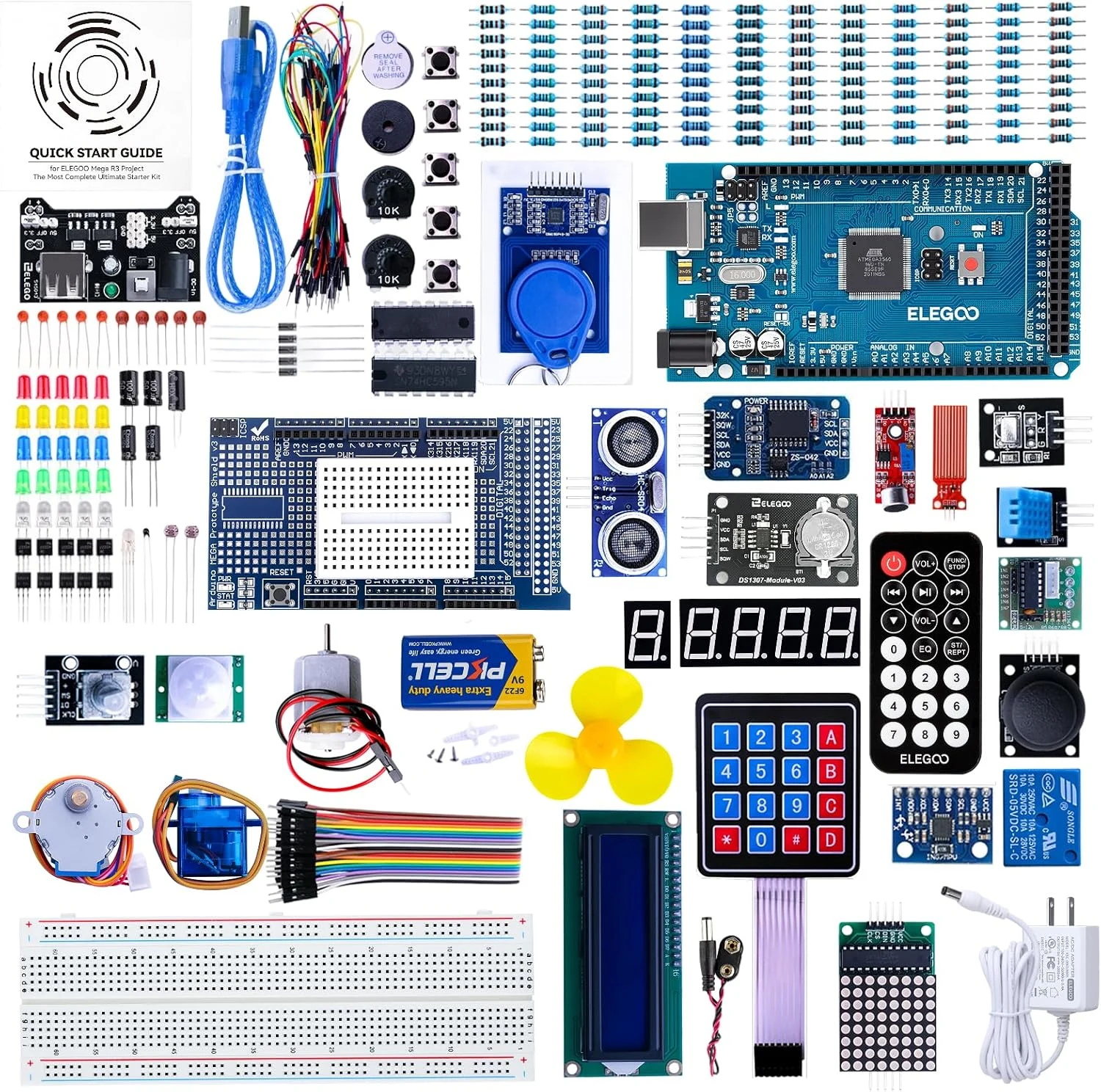
Compatibility: EL-KIT-008 Mega 2560 R3 starter package. Confirm exact contents, supported Arduino-compatible board target, module voltage and separate power needs for motors.
Review context: I assess tutorial quality, repeatable breadboard work, expanded I/O, sensor integration and moving beyond copied examples.
I would choose this kit for a learner who wants that guided route and has a reason for the Mega board’s extra connections. I would not make the largest component count the main buying argument. The useful outcome is a project the learner can explain and change, rather than a table covered in modules that only work when an example is copied exactly.
The tutorial is part of the product
ELEGOO provides tutorial and code resources for this Mega 2560 kit. I would inspect that learning route before ordering. Clear diagrams, matching code and an understandable progression have more value to a beginner than another unfamiliar sensor in the box.
Related reading
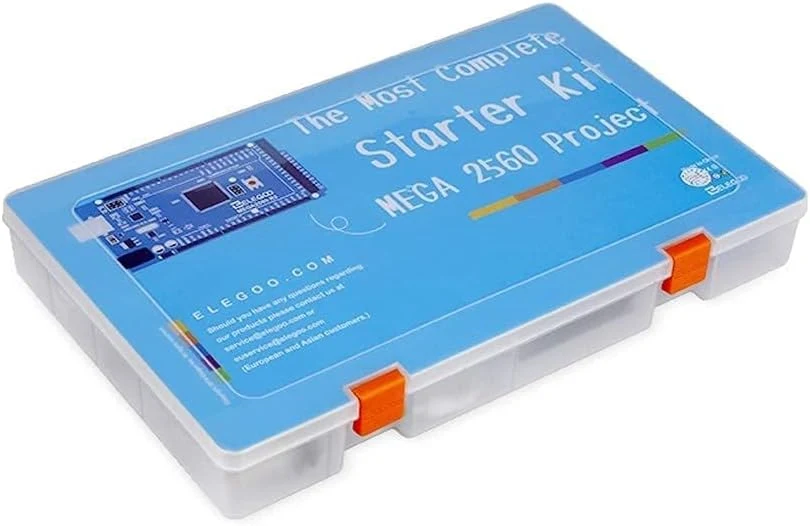
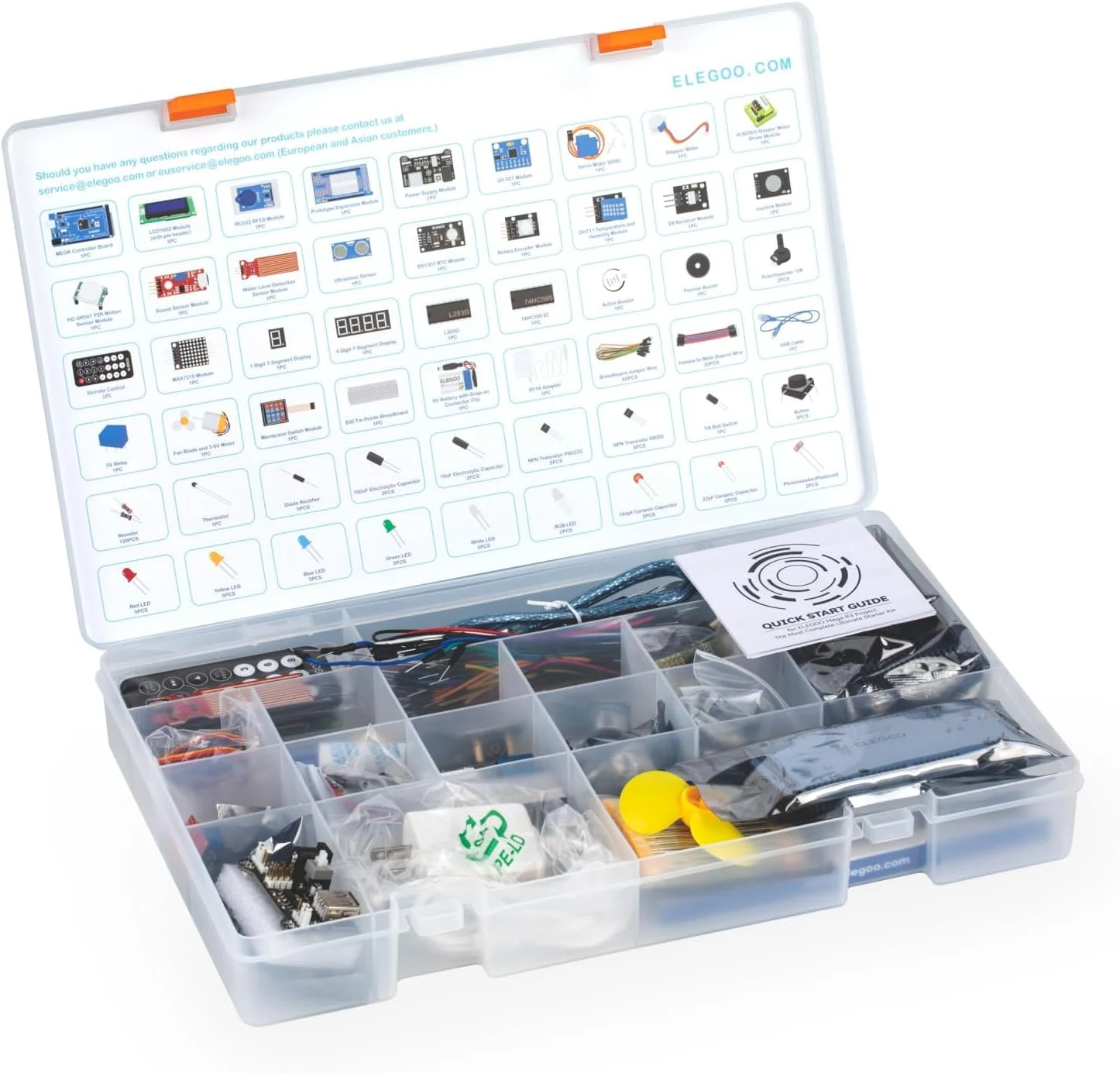
I would also confirm the exact package contents. Kits with similar names can contain different modules or revisions. The board, supplied parts and lesson version should agree. If a component has a different label from the tutorial, I would identify it before connecting wires rather than assume a visually similar module has the same pin arrangement.
For the software, I would choose the supported board target and record the relevant settings. A successful first upload is an important baseline. It checks the host connection and toolchain before several libraries and peripherals are added. I prefer making that step clear enough to repeat on another day rather than immediately moving on because an LED happened to blink once.
More connections should support a real design
The Mega 2560 board offers a larger set of I/O and serial options than some smaller beginner boards. I can see the appeal for a project with several inputs, a display and another communicating module. The useful reason is the actual connection plan, not the assumption that more pins automatically make the first lesson better.
I would sketch the intended inputs and outputs before building a larger example. That helps reveal which pins are shared, which interface a module uses and whether the design needs more than one serial connection. A simple pin map can prevent confusion later when two independently working lessons are combined.
I would keep electrical compatibility explicit. The controller, sensor modules and motor drivers can have different requirements. A matching connector or a colourful diagram is not enough evidence that every supply and logic level is appropriate. I would follow the documented module instructions and use the correct driver rather than power a demanding load directly from a signal pin.
Begin with one change I can explain
My first useful project would combine a small input with a visible output. I would change one threshold, timing value or display label and predict the result before uploading. That makes the example a lesson in behaviour rather than a demonstration that the USB cable works.
Related reading

I would keep a copy of the known working version. When a later change fails, a simple baseline is more useful than several edited examples with unclear histories. Naming the project, recording the wiring and writing a short explanation of its purpose are good habits even for a beginner. They make the next session easier to start.
I would also introduce failure behaviour early. A disconnected sensor should have an understandable result rather than silently produce a believable value. A button can bounce, a connection can be loose and a value can be outside its useful range. Learning how to recognise those ordinary conditions is part of making a larger kit worthwhile.
Motors and relays deserve their own lesson
A starter kit can include parts whose physical actions are more consequential than an LED. I would use those within the tutorial’s intended low-voltage learning arrangement and the correct driver and power guidance. A relay board in a box is not an invitation to improvise with household mains equipment.
I would also separate motor power requirements from the board’s programming connection. A USB cable can make the controller run without being the right source for every attached device. The complete circuit and its common reference need to follow the supported lesson. More components should lead to a clearer system, not more guesses about where the current goes.
For a moving demonstration, I would leave space for the mechanism and keep hands and loose parts clear. That is ordinary project planning rather than a complicated rulebook. The physical result is part of the program, and a useful learner needs to understand both. A correct line of code does not make an awkward mechanical arrangement sensible.
Related reading

When the smaller option is better
I would choose a smaller kit for someone who only wants the first few LED and button lessons. I would choose an appropriate ESP32 board when integrated Wi-Fi defines the project. The Mega kit is most attractive when its extra connections and varied parts help combine lessons into a larger design that remains understandable.
My assessment is positive for that guided learning role. I would check the exact contents, tutorial access and current offer before buying. Its value is a reusable set of parts and explanations that supports finished small projects, rather than a promise that the biggest box automatically teaches electronics more effectively or becomes a reliable household appliance without further work.
The product images come from the selected listing and identified manufacturer materials. My assessment uses the linked product information and the buying decisions explained here. Specifications are manufacturer or retailer claims; the conclusions are my own editorial judgement.
What worked
The board and varied components let a learner combine several simple lessons into a larger understandable project.
What bothered me
A large parts count can become distracting, and the Mega is not a ready-made connected household device.
Who should not buy it
Someone expecting wireless networking built in or a finished appliance without wiring and programming.
Alternatives I would consider
A smaller starter kit. I would choose it for a first LED/button project when fewer parts make learning easier.
HiLetgo ESP-WROOM-32 board. I would choose a suitable ESP32 project when integrated Wi-Fi is the central requirement. Read my HiLetgo ESP-WROOM-32 board review.
Evidence and sources
The linked product documentation and exact retailer listing support the product details. Images: Amazon product gallery. These are not personal test photographs or measurements.
Features, compatibility and rated figures from the maker are manufacturer information. My opinions are identified in the review.
Conclusion
Worthwhile when the tutorials and several included modules will actually be used; a smaller kit may teach the first steps more clearly.
Elegoo Mega Starter Kit
Amazon US · US
Check price and availability: Elegoo Mega Starter Kit at Amazon USAffiliate link. As an Amazon Associate I earn from qualifying purchases.
One email a week with practical Mac workflows, useful comparisons and honest tech recommendations.