A small development board is most interesting to me when it leads to one understandable project. With the HiLetgo ESP-WROOM-32, I would begin with a single sensor value, a clear way to read it and a sensible response when the network is unavailable. I like that combination of code and physical behaviour more than collecting a box of modules without a finished purpose.
Quick verdict
I would choose it for a focused learning project whose sensor and firmware requirements match the classic ESP32 board.
Best for: I would choose it for a focused learning project whose sensor and firmware requirements match the classic ESP32 board.
Main benefit: A small development board can bring code, a sensor and Wi-Fi together in an understandable experiment.
Biggest drawback: Board revisions and pin labels need care, and a breadboard prototype is not automatically a reliable unattended device.
HiLetgo ESP-WROOM-32 Development Board
Amazon US · US
Check price and availability: HiLetgo ESP-WROOM-32 Development Board at Amazon USAffiliate link. As an Amazon Associate I earn from qualifying purchases.
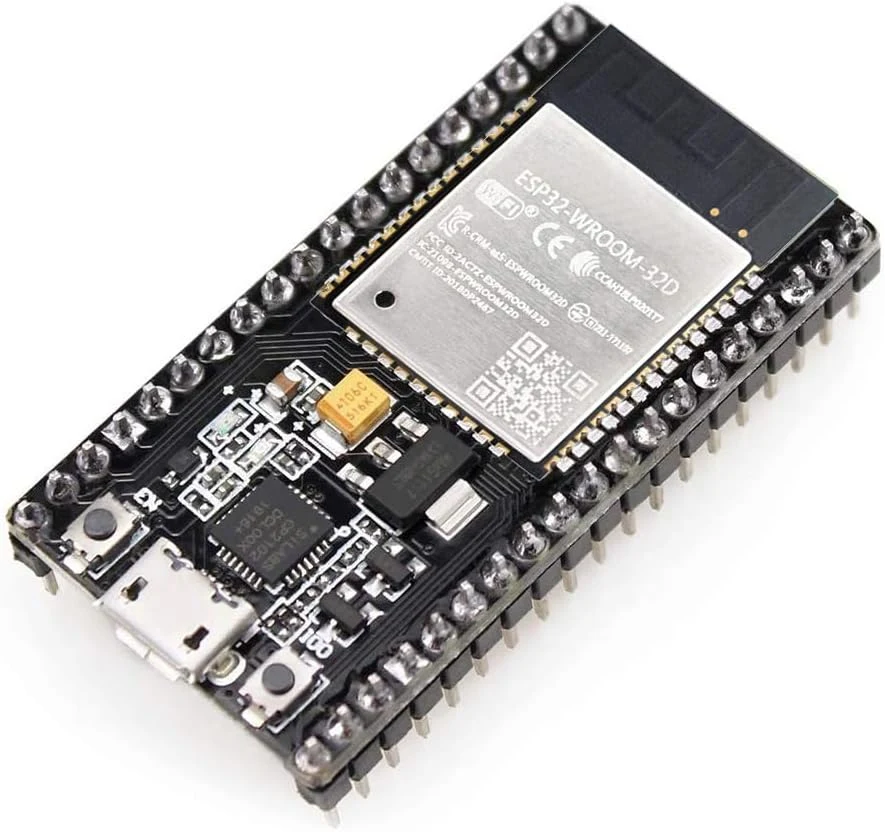
Reviewed version: HiLetgo ESP-WROOM-32 ESP32 ESP-32S Development Board 2.4GHz Dual-Mode WiFi + Bluetooth Dual Cores Microcontroller Processor Integrated with Antenna RF AMP Filter AP STA for Arduino IDE
Compatibility: Classic ESP32-based HiLetgo ESP-WROOM-32 board, model3-01-1287. Confirm the exact board pinout, USB bridge, logic levels and toolchain target; do not substitute ESP32-S3/C3 instructions.
Review context: I assess a first sensor project, serial flashing, 2.4GHz networking, electrical interfaces and recovery after connection loss.
I would choose this board for a learning project that matches the classic ESP32 platform. I would not expect a bare development board to behave like a finished smart-home accessory. The useful purchase includes a compatible sensor, suitable power, a data cable and the time to understand the firmware and wiring. Those parts are the project, not obstacles hidden behind it.
The exact ESP32 family matters
Espressif’s getting-started documentation provides the platform route for building and flashing firmware. This linked board is the ESP-WROOM-32 style in the selected HiLetgo listing. I would not apply every tutorial for an ESP32-S3, C3 or another family member just because ESP32 appears in the title.
Related reading

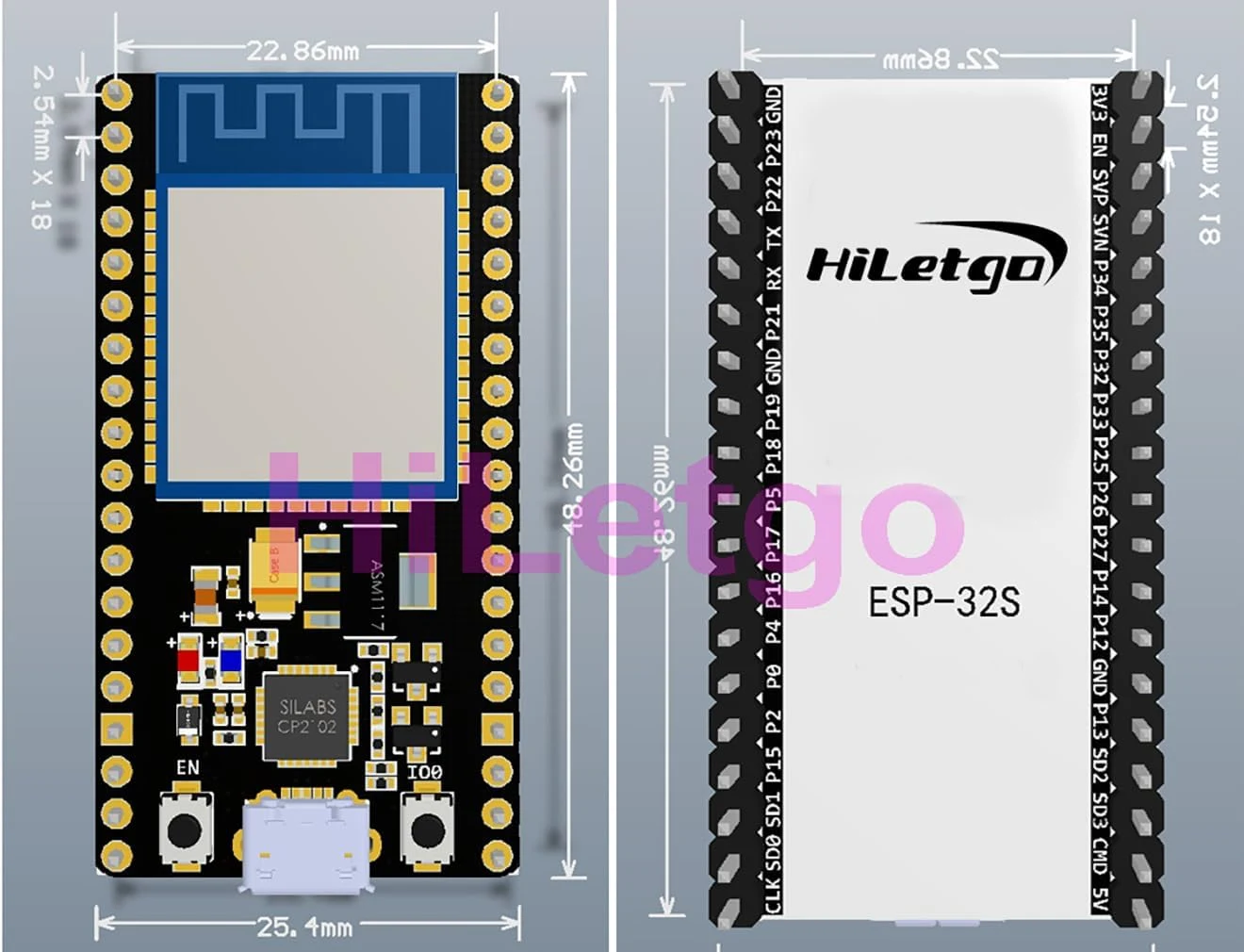
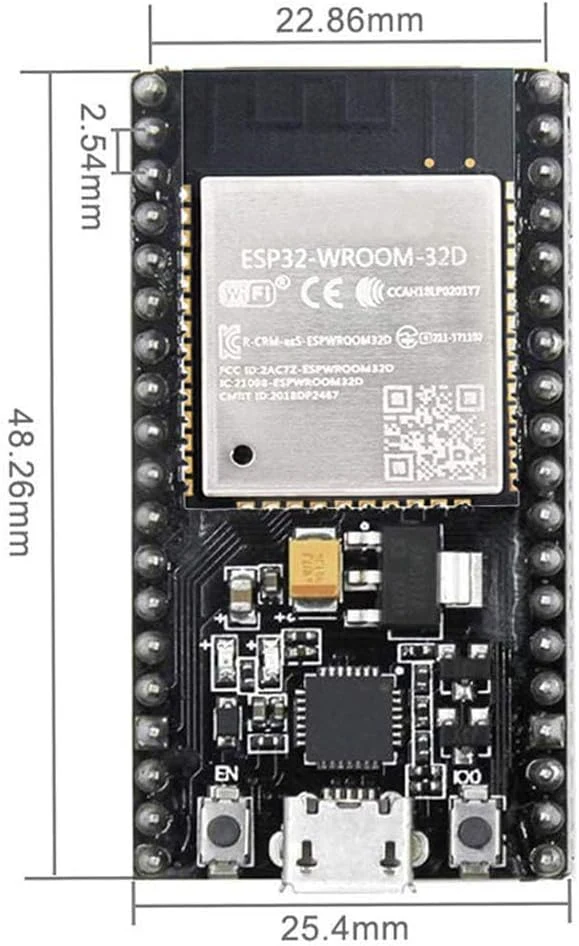
I would identify the actual board layout and pin labels before connecting a peripheral. Module names, development-board names and toolchain targets describe different layers. A pinout image for a visually similar board can place a signal somewhere else. The correct electrical documentation should lead the wiring, especially when a sensor has more than one possible supply or logic level.
I would also check the USB bridge and cable. A power-only cable can make a board light up without offering a programming connection. If serial access is missing, I would establish the cable and host support before changing firmware settings at random. A simple known connection is the most useful first milestone.
Make the first program small enough to understand
I would start with a supported basic example and confirm that the board can be built, flashed and observed through its serial output. That checks the toolchain and recovery route before adding a sensor library, network credentials and a remote service. It is much easier to diagnose one new layer at a time.
The latest documentation branch can change, so I would choose a supported stable toolchain for a project I expect to keep. I would record the relevant version and board settings with the source. That makes a later rebuild more reproducible than a working installation whose important choices exist only in a forgotten editor menu.
I would keep credentials out of a public repository and separate them from ordinary examples. A connected prototype needs a configuration plan even when it begins as a hobby. The board’s ability to join a network is a useful feature; it is not a reason to publish the household password inside the firmware source.
One sensor is enough for the first useful result
I would choose a sensor with clear voltage, interface and library information. The first goal would be a plausible reading with an understandable unit and error indication. A number appearing in a terminal is not yet proof of measurement accuracy, especially if the placement or conversion formula is wrong.
For an environmental sensor, I would compare stable readings with an appropriate reference and think about physical placement. Heat from the development board or a closed box can influence what the sensor reports. I would not turn a successful Wi-Fi message into a claim that the whole measurement system has been calibrated.
Related reading
I would also define what an invalid reading looks like. A disconnected sensor should not silently become a believable room value. A clear error state helps both the person looking at the data and any later automation. That is a useful habit to learn early, before a simple demonstration becomes something the household starts trusting.
Network failure is ordinary behaviour to design
The listing describes 2.4GHz Wi-Fi capability for the board. I would check that the installation network supports the intended connection and choose a modest communication pattern. A small sensor does not need to transmit constantly just because the radio can stay active.
I would decide what happens when Wi-Fi or the destination service is unavailable. Reconnecting, retaining a recent reading and identifying stale data are separate tasks. A prototype that only works while everything is online can still teach something, but I would not call it ready for unattended use without understanding those conditions.
Power also deserves a complete plan. A development board’s regulator, indicator lights and USB bridge affect the whole device, so a low-power chip claim is not a measured battery-life result for this board. I would assess the actual assembled project rather than infer months of operation from a component’s most economical mode.
From a working example to a useful object
Before leaving the project installed, I would replace loose temporary wiring with an appropriate supported arrangement and protect the electronics from contact. The enclosure must suit the sensor’s job as well as the board. A neat sealed box can be the wrong choice for a sensor that needs air around it.
Related reading

I would choose a finished smart-home sensor when the goal is a supported household appliance rather than learning. I would choose another documented board when the peripheral, USB requirements or power budget needs a different chip. The HiLetgo board makes sense when a classic ESP32 project is itself the useful activity.
My assessment is positive for that focused learning role. I would check the exact board, current toolchain support and complete parts list before ordering. The value is a small project whose wiring, firmware and failure behaviour I can explain, rather than an impressive connected demonstration that nobody can rebuild after the first successful afternoon.
The product images come from the selected listing and identified manufacturer materials. My assessment uses the linked product information and the buying decisions explained here. Specifications are manufacturer or retailer claims; the conclusions are my own editorial judgement.
What worked
A small development board can bring code, a sensor and Wi-Fi together in an understandable experiment.
What bothered me
Board revisions and pin labels need care, and a breadboard prototype is not automatically a reliable unattended device.
Who should not buy it
Someone expecting a complete consumer sensor or interchangeable compatibility with every ESP32 family board.
Alternatives I would consider
A finished smart-home sensor. I would choose it when I need a supported appliance rather than a development project.
Another documented microcontroller board. I would choose it when USB features, power needs or a specific peripheral require a different chip.
Evidence and sources
The linked product documentation and exact retailer listing support the product details. Images: Amazon product gallery. These are not personal test photographs or measurements.
Features, compatibility and rated figures from the maker are manufacturer information. My opinions are identified in the review.
Conclusion
Good value for learning when the necessary sensor, cable and power parts are counted in the kit.
HiLetgo ESP-WROOM-32 Development Board
Amazon US · US
Check price and availability: HiLetgo ESP-WROOM-32 Development Board at Amazon USAffiliate link. As an Amazon Associate I earn from qualifying purchases.
One email a week with practical Mac workflows, useful comparisons and honest tech recommendations.