The Canon EOS R7 interests me when I begin with a subject and a lens, rather than a camera body alone. A moving animal, a sports scene or another changing subject can give an APS-C camera a clear job. I like the idea of choosing controls and recording options to support that work, instead of buying features without a plan for them.
Quick verdict
I would choose the R7 when an APS-C action-oriented body, stabilization and dual-card workflow support a defined lens plan.
Best for: A photographer building an RF-system kit for moving subjects and willing to manage its controls and larger file sessions.
Main benefit: The in-body stabilization, subject-detection tools and dual SD arrangement give the body a clear role in a considered action kit.
Biggest drawback: The body-only offer is not a complete camera system, and the fastest shutter/burst option does not remove mode-specific trade-offs.
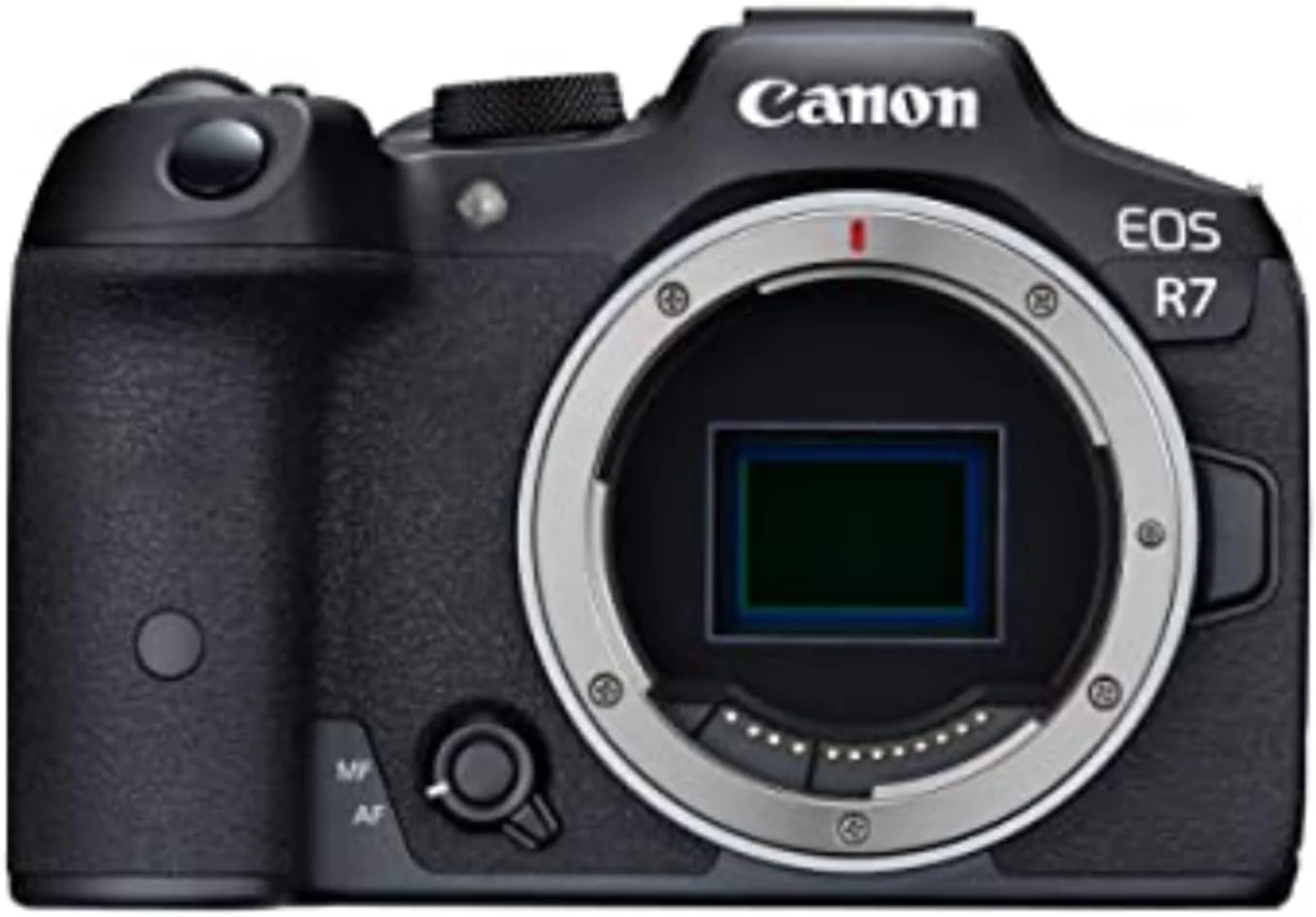
Canon EOS R7, body only
Amazon US · US
Check price and availability: Canon EOS R7, body only at Amazon USAffiliate link. As an Amazon Associate I earn from qualifying purchases.
Reviewed version: Canon EOS R7, body only
Compatibility: Canon EOS R7 body only. It accepts supported RF/RF-S lenses; EF/EF-S use needs the proper adapter and support check. It has two SD slots, not a CFexpress requirement.
Review context: I assess a planned action or wildlife kit, body/lens balance, burst-file handling and actual card-recording settings.
The selected offer is body only. That distinction would stay at the centre of my purchase decision. I would not compare its price with a kit that already includes a useful lens and call the difference a saving. The R7 becomes a practical camera when the lens, cards and way of carrying the system are included in the comparison.
The lens decides what the action kit can do
Canon’s R7 information describes its APS-C camera platform and intended action role. I would choose a lens for the distance, framing and available light first. A body with subject-detection features does not make an unsuitable focal length become the right way to photograph a distant subject.
Related reading

The smaller sensor format also changes the angle of view compared with using the same focal length on a full-frame body. I would treat that as a framing relationship, not claim that the physical lens has gained focal length. It can be useful in a planned kit, provided the buyer understands the picture the combination will actually show.
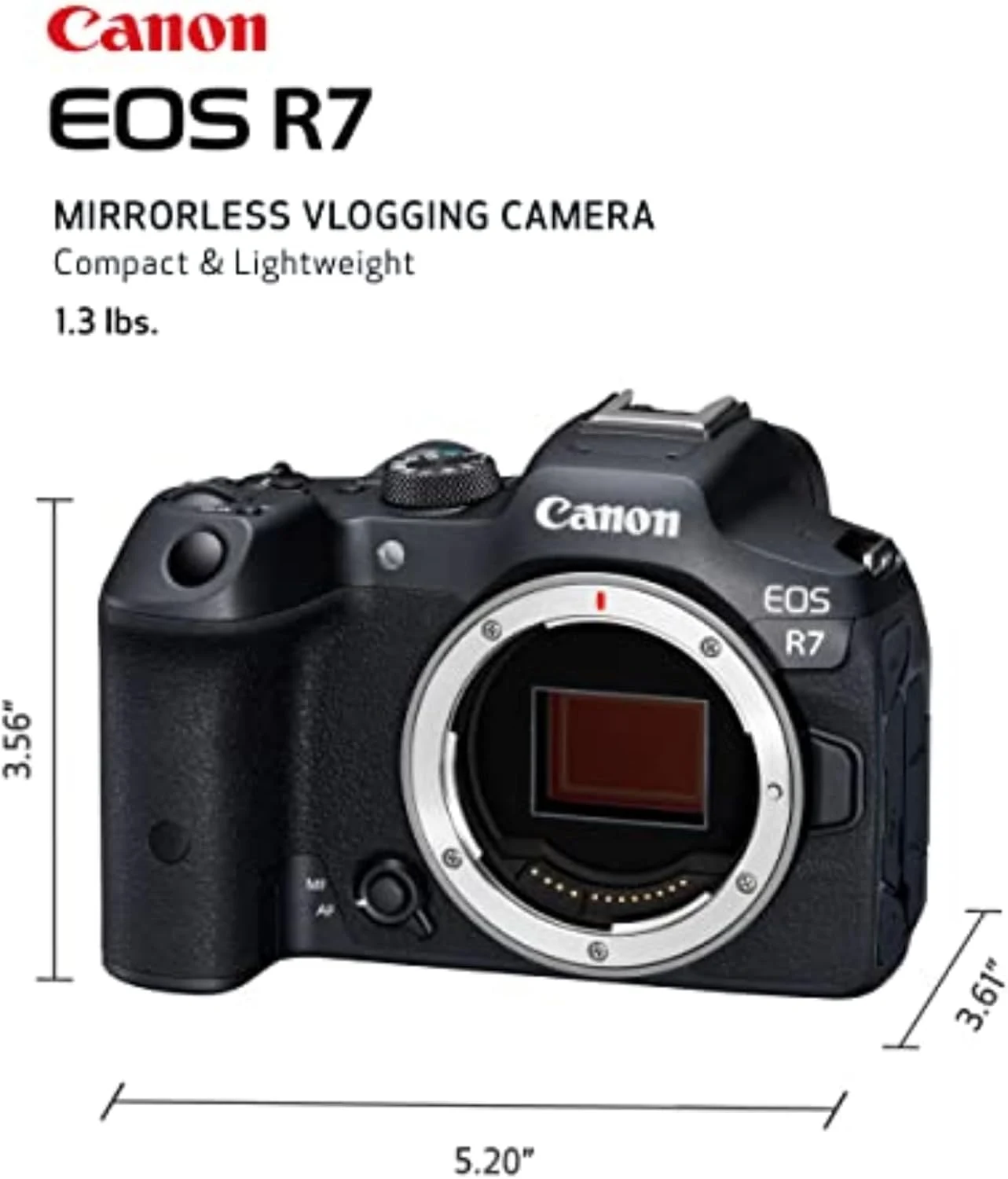
I would compare the weight and support of the complete arrangement. A substantial telephoto lens changes the way a body is carried and held. The useful system is one I can manage through the intended session, with the lens and support chosen together. A compact body specification alone does not describe that working balance.
Subject detection should support an understood focus setup
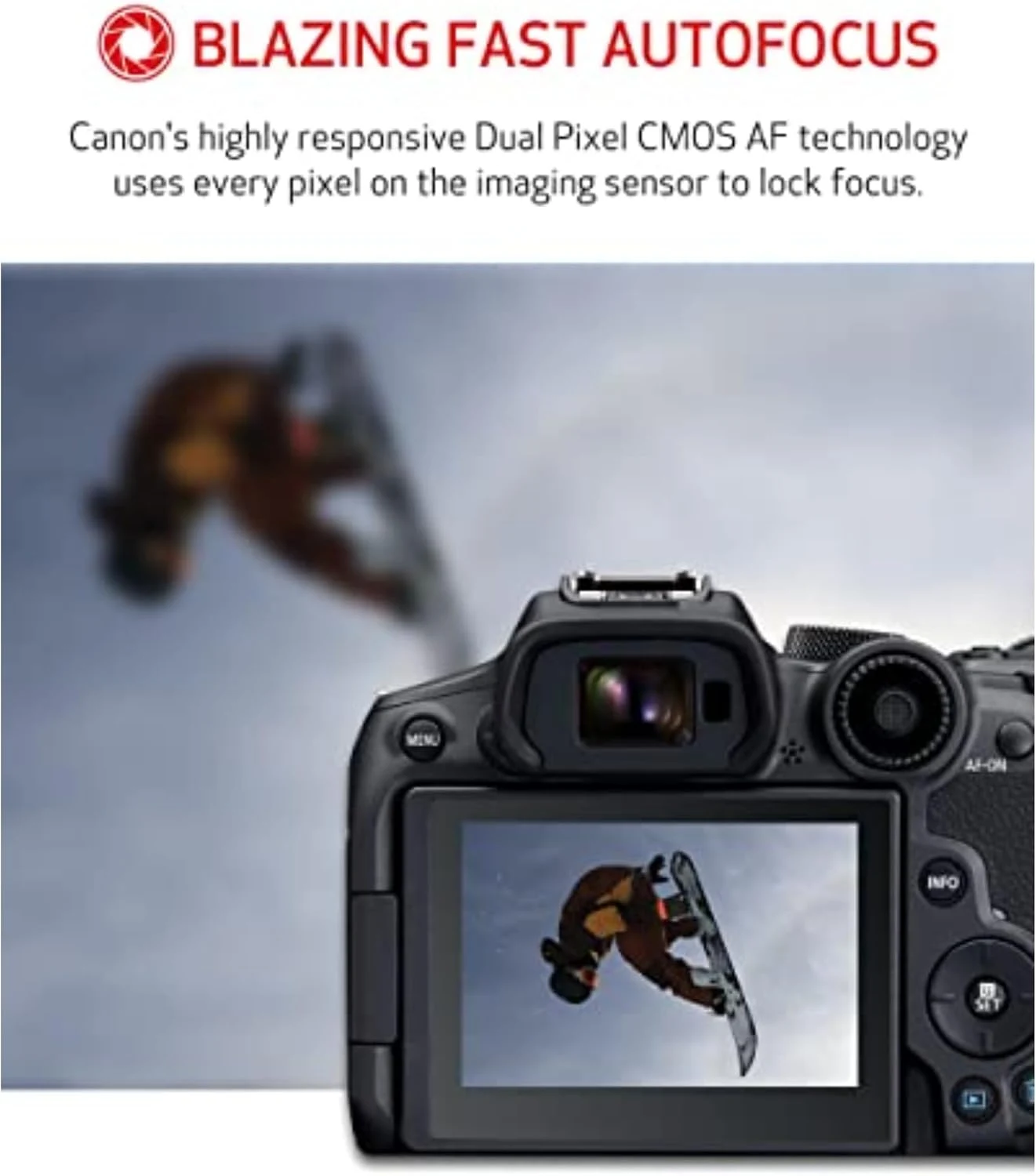
The manufacturer’s autofocus tools make the R7 interesting for moving subjects. I would still learn how to choose the subject type, area and response for the intended scene. A feature name does not establish that every possible subject will be recognized or that every background creates the same focusing problem.
I would begin with a manageable configuration and a repeatable way to change it. A camera used for action should not require searching through a long menu every time the subject changes direction. I would prefer a few familiar controls to enabling every available option without understanding which setting is making the current decision.
Stabilization and shutter speed solve different problems
The R7 includes in-body stabilization. I find that attractive as one part of a supported handheld arrangement, but it does not stop the subject moving. I would choose shutter speed for the action, then consider what stabilization contributes to camera movement. Combining those ideas carelessly can create the wrong expectation before the first photograph.
Shutter mode is another deliberate choice. A fast electronic burst is useful in some situations, while moving subjects and certain lighting can create mode-specific trade-offs. I would read the exact shutter guidance rather than assume the highest rate is the correct default for every scene. More recorded frames do not automatically mean more useful frames.
Related reading

I would also think about the time needed to review the results. An action setup can generate a large working session quickly. I would choose a burst length that supports the subject and a file format that fits the computer workflow, rather than leave the camera collecting material simply because the mode permits it.
Two SD slots need a clear recording policy
Canon’s card guidance identifies supported SD media for the R7. I would not buy CFexpress cards for this body because another camera in a professional-looking range uses them. The actual slot type, required card performance and recording mode should decide the purchase.
The dual-slot arrangement is useful when I understand what it is configured to do. I would choose the intended recording policy and check which card receives which files. Two slots should not become an automatic assumption about duplicate backups. The selected settings determine whether the arrangement matches the purpose I have in mind.
After the session, I would still copy and check the files and keep a separate backup. A camera’s recording arrangement is not the entire archive plan. I would want the larger action session to have a clear destination on the computer, with a way to identify the useful frames before the next card is cleared.
The RF-system route should justify the body
The camera uses supported RF and RF-S lenses, with appropriate adapted EF options depending on the exact combination. I would check the functions of a proposed older lens rather than assume an adapter makes every feature identical. Existing suitable lenses can strengthen the case for the body, but the actual compatibility should be documented.
Related reading

If I were starting without equipment, I would compare the complete R7 arrangement with a simpler R10 kit and another APS-C system. The right body is the one whose additional features solve a real working need. I would not spend the lens budget on body features that leave the most important optical requirement unresolved.
My view is positive for a photographer with a defined moving-subject kit and a manageable recording workflow. I would buy the R7 for the combination of controls, stabilization and dual-card options that I intend to use. The product makes the most sense when the subject, lens and complete system explain the decision, rather than the body name alone.
The images show the selected product in retailer or manufacturer materials. They are not my test photographs. I base this assessment on the linked documentation and the exact selected listing; the buying choices and recommendations are my own editorial judgement.
What worked
The in-body stabilization, subject-detection tools and dual SD arrangement give the body a clear role in a considered action kit.
What bothered me
The body-only offer is not a complete camera system, and the fastest shutter/burst option does not remove mode-specific trade-offs.
Who should not buy it
Someone buying only a body without an appropriate lens budget, or expecting every electronic-shutter situation to behave like a mechanical one.
Alternatives I would consider
Canon EOS R10 kit. I would choose it when a simpler complete everyday starting kit matters more than the R7 workflow features. Read my Canon EOS R10 kit review.
Sony Alpha a6700. I would compare another APS-C system when its lenses and hybrid-video requirements better match the work. Read my Sony Alpha a6700 review.
Evidence and sources
The primary documentation supports the stated features and limitations. The exact retailer listing identifies the selected model and bundle; source images illustrate the product.
Features, compatibility and rated figures from the maker are manufacturer information. My opinions are identified in the review.
Conclusion
I would budget the lens and supported cards first; the R7 is valuable when its extra controls and workflow features are actually used.
Canon EOS R7, body only
Amazon US · US
Check price and availability: Canon EOS R7, body only at Amazon USAffiliate link. As an Amazon Associate I earn from qualifying purchases.
One email a week with practical Mac workflows, useful comparisons and honest tech recommendations.