A leak sensor interests me because it can watch a place I do not look at every day. Under a sink or beside a washing machine, a small amount of water may be easier for a sensor to notice than for a person walking through the room. I like that focused role: an earlier signal that something deserves attention.
Quick verdict
I would choose it for a specific leak-prone location in a compatible Aqara system.
Best for: I would choose it for a specific leak-prone location in a compatible Aqara system.
Main benefit: Its small wireless form can add a water-detection event where a person rarely looks.
Biggest drawback: It only detects water reaching its contacts; a hub, working alert path and human response still matter.
Aqara Water Leak Sensor
Amazon US · US
Check price and availability: Aqara Water Leak Sensor at Amazon USAffiliate link. As an Amazon Associate I earn from qualifying purchases.
Reviewed version: Aqara Water Leak Sensor 1 Pack, Zigbee Water Leak Detector for Alarm System
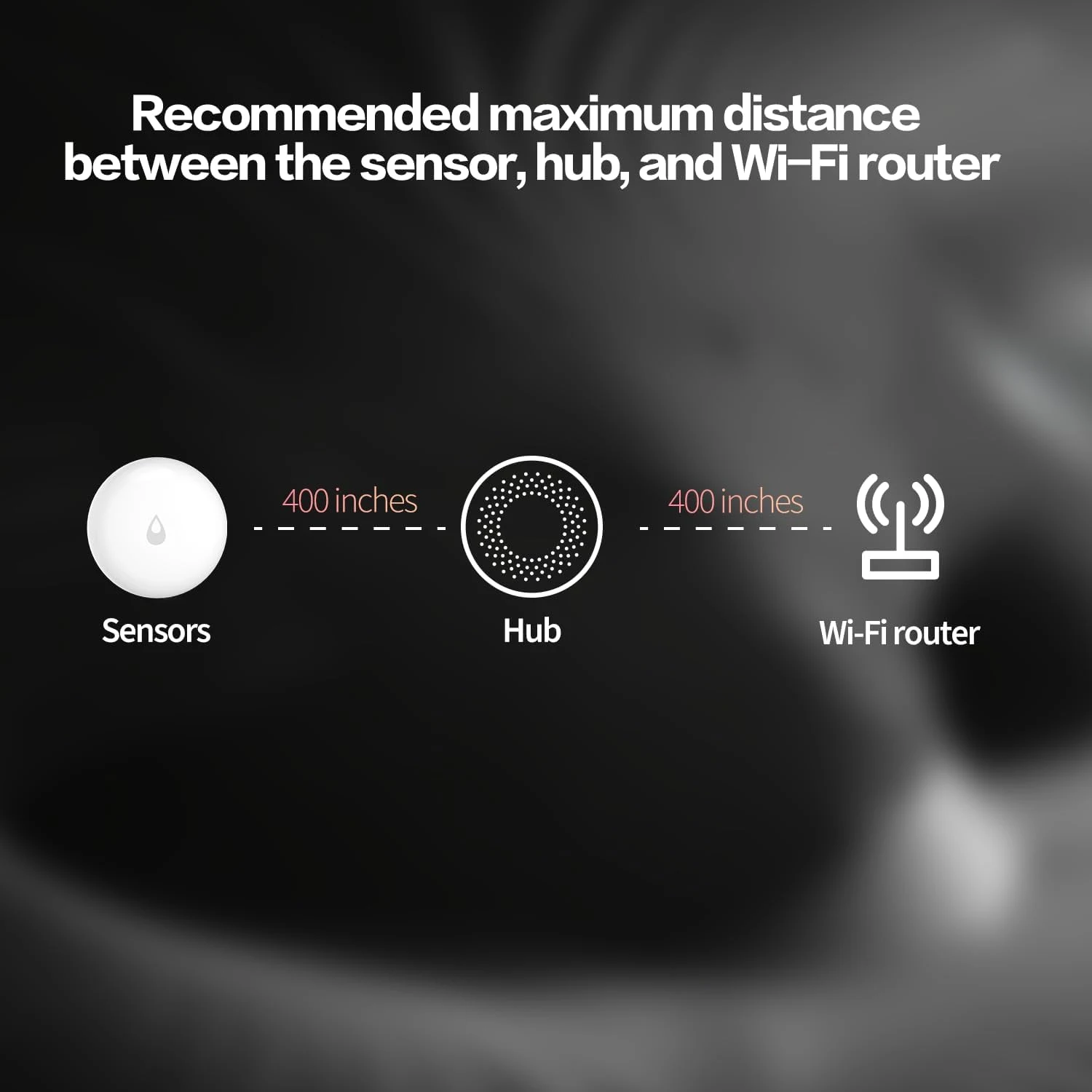
Compatibility: SJCGQ11LM Zigbee leak sensor. Aqara documents an Aqara hub for supported integration; it is not a standalone Wi-Fi alarm or an automatic shut-off valve.
Review context: I assess likely leak paths, hub coverage, notification routing and a practical response routine.
I would choose the Aqara Water Leak Sensor only with a clear location and response plan. The sensor does not stop the leak, and one unit cannot watch every possible path across a room. My positive assessment depends on placing it where escaping water is likely to reach its contacts and making sure the resulting alert reaches someone who can act.
The first question is where water will go
I would examine the likely leak source before choosing a position. The floor may slope away from an appliance, or a cabinet base may collect water in a particular corner. A sensor beside the wrong edge can stay dry while a problem develops elsewhere. Its neat appearance is less important than the route water would actually take.
Related reading

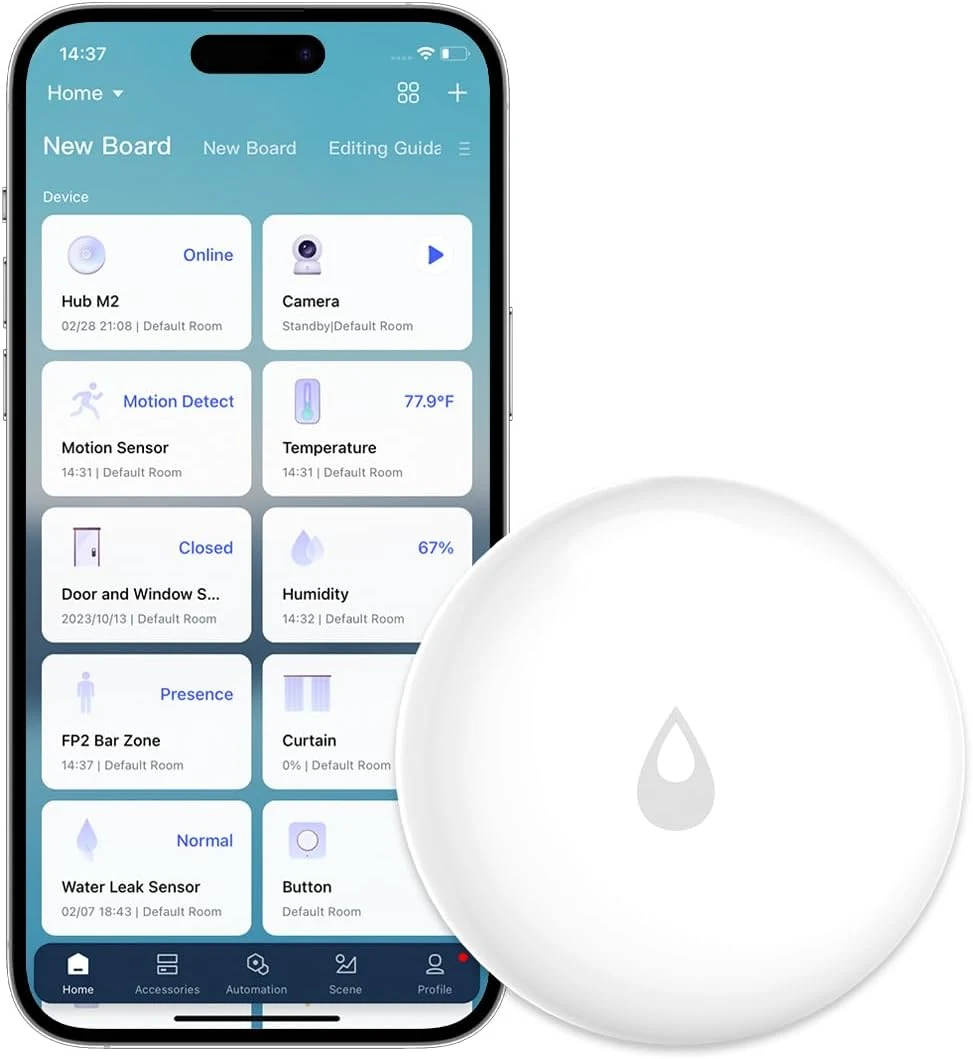
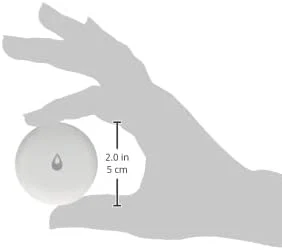
The Aqara product information describes a compact wireless leak detector. I see the lack of an external power cable as helpful for placement, but it does not remove physical constraints. The contacts need the intended relationship with the surface, and the device must remain accessible for inspection and battery maintenance.
I would avoid a position where routine cleaning or condensation constantly causes nuisance alerts. At the same time, hiding it in a dry raised spot would defeat the purpose. The useful choice is a location tied to a plausible leak, with enough room to check the sensor without dismantling the appliance or forgetting where it was placed.
Detection is only the beginning of the alert path
Aqara documents a compatible hub as part of the supported setup. The sensor uses Zigbee rather than joining the home’s Wi-Fi directly. I would confirm the exact regional hub and intended platform support before ordering, especially if the existing smart home uses several different brands.
The next question is what happens when an event arrives. A local hub sound, a phone notification and an automation are different outputs. I would decide which combination is useful in this household. A phone left on silent in another building is a different warning channel from an audible signal near the kitchen.
I would check notification permissions and clear device names during setup. An alert from washing machine floor is easier to understand than one from a default accessory number. I would also make sure another household member knows what that name means. The system is more useful when the message leads directly to a familiar location.
A battery device needs an occasional check
I would include the sensor in a simple maintenance routine with the other household alarms and smart devices. Battery state and recent reporting matter. A dashboard that still shows an old value is not enough evidence that a device is currently communicating. I would want an obvious way to notice a sensor that has become unavailable.
Related reading

Aqara publishes resistance and detection specifications. Those are manufacturer claims with conditions, not measurements from this review. I would follow the product’s setup and checking instructions rather than interpret a waterproof rating as permission to ignore contamination, damaged contacts or a missing battery cover.
I would also keep the area around it understandable. Moving a washing machine, adding a tray or changing the cabinet contents can alter where water collects. The installation deserves another look after those changes. A sensor can work as designed while its original placement no longer matches the shape of the space.
An automation should have a clear consequence
A message asking someone to inspect a sink is one kind of automation. Closing a water valve is another. The latter requires a separate compatible system and a suitable installation. I would not describe this small sensor as providing automatic shut-off simply because it can trigger an event in a smart-home platform.
For a valve-based arrangement, I would consider the complete system and its ordinary manual controls. Someone should know how to operate the water supply if the network is unavailable. The purpose of automation is to improve the response, not to make a familiar household action depend on a phone that may be missing or discharged.
I would keep expectations realistic about coverage. A kitchen may have several separate leak paths, and an upstairs problem may appear somewhere unexpected. One sensor is a targeted precaution rather than whole-home flood protection. Identifying the most likely location first makes the initial purchase more useful and helps explain whether additional coverage is worthwhile.
Related reading

The simpler alternative may be enough
A standalone audible water alarm is the option I would compare when someone nearby will hear it and a hub is unnecessary. I would choose a compatible sensor-and-valve setup when automatic intervention is the real requirement. Aqara’s sensor fits between those choices as a small source of water events for an existing ecosystem.
My overall view is positive for that clear task. I would check the exact sensor, hub support and current offer, then spend the most effort on placement and the response routine. The value is a useful warning from a specific vulnerable spot, not an assumption that buying a small smart device removes the need to know where the water can be turned off.
The product images come from the selected listing and identified manufacturer materials. My assessment uses the linked product information and the buying decisions explained here. Specifications are manufacturer or retailer claims; the conclusions are my own editorial judgement.
What worked
Its small wireless form can add a water-detection event where a person rarely looks.
What bothered me
It only detects water reaching its contacts; a hub, working alert path and human response still matter.
Who should not buy it
Someone expecting one sensor to cover a whole room or stop water without a separate compatible valve system.
Alternatives I would consider
A standalone audible leak alarm. I would choose it when an app and smart-home hub are unnecessary.
A compatible sensor-and-valve arrangement. I would compare it when automatic water shut-off is the actual requirement.
Evidence and sources
The linked product documentation and exact retailer listing support the product details. Images: Amazon product gallery. These are not personal test photographs or measurements.
Features, compatibility and rated figures from the maker are manufacturer information. My opinions are identified in the review.
Conclusion
Most useful when placement and a clear response are already planned, especially with an existing hub.
Aqara Water Leak Sensor
Amazon US · US
Check price and availability: Aqara Water Leak Sensor at Amazon USAffiliate link. As an Amazon Associate I earn from qualifying purchases.
One email a week with practical Mac workflows, useful comparisons and honest tech recommendations.