The soundcore Life Q20 sits in a crowded part of the headphone market: wireless over-ear models that promise noise cancellation without a premium price. That basic idea is useful. A listener may want less background distraction on a train and ordinary music at a desk, without paying for every extra feature. The difficulty is knowing which Q20 a long-running listing is actually offering.
The workbook names the Life Q20 at ASIN B07NM3RSRQ. It does not name the Q20i or Q20+. Those products should not be treated as interchangeable. The checked Amazon page also carries newer battery language than older Life Q20 documentation. This is a case where the model printed on the box and the supplied connections deserve more attention than the headline product family.
Start by identifying the exact pair
The Amazon listing describes ANC, 40 mm drivers and BassUp. Soundcore’s official Life Q20 page identifies the A3025 family, while Anker Japan’s documentation describes an older package with a Micro-USB cable and an AUX cable. That older connector detail is worth checking rather than silently replacing it with the features of a newer model.
If a seller uses a photograph of one revision and specifications from another, ask for clarification before ordering. In particular, confirm the charging connector, included cable and exact battery claim for the stock being shipped. A useful answer is a clear model label or package photograph. Repeating that the headphones are genuine does not answer a revision question.
My view is that an older connector is not automatically a reason to reject an otherwise suitable pair. It is a practical cost. If everything else you carry uses USB-C, adding a separate charging cable makes travel less tidy. That inconvenience may be acceptable at the right price, but it should be part of the decision rather than a surprise after opening the box.
Related reading


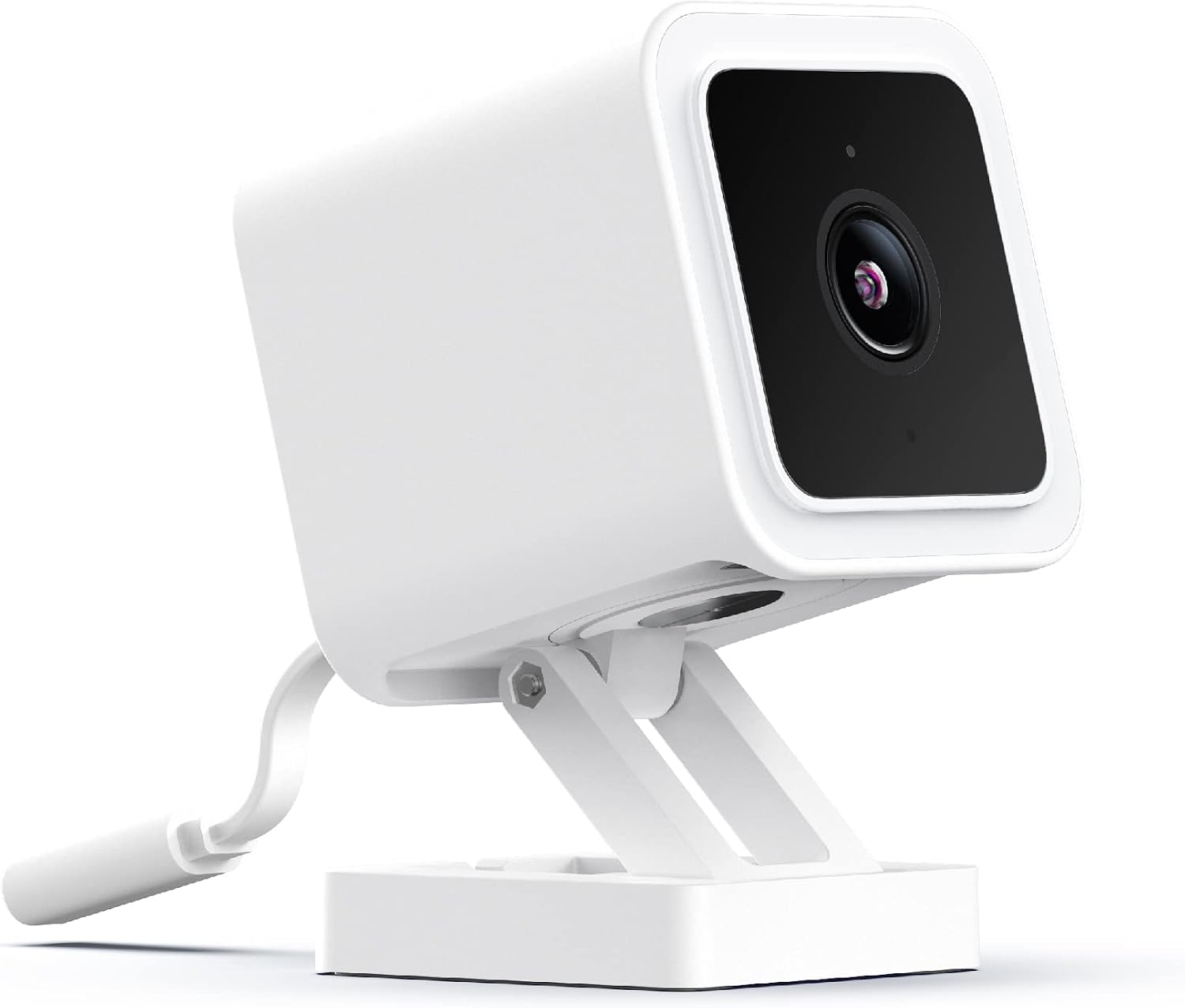
Product photograph: Amazon listing.
What noise cancellation can contribute
ANC is the feature that makes this type of headphone interesting for commuting and shared rooms. Soundcore advertises noise reduction on the Q20, but this review does not include independent cancellation measurements. A percentage in marketing copy should not be read as a promise that every surrounding sound becomes equally quiet.
I would judge the feature in the place where you need it. Try the headphones in an ordinary room with a steady background sound, then compare ANC on and off at the same listening volume. Listen for whether you can follow your programme more comfortably. Do not turn the music up during the comparison, because that makes it harder to tell what the noise control itself has changed.
Fit also deserves attention. If the cups sit unevenly around glasses or hair, reseat them before making a judgement. An over-ear shape does not guarantee a comfortable seal on every head. Try a normal-length session with your glasses on if you wear them through the working day. Short demonstrations often tell you more about first impressions than about afternoon comfort.
For travel, learn the controls before leaving. You should be able to change a mode or pause playback without inspecting the buttons every time. Keep a way to hear announcements when necessary. The purpose of noise control is to make listening easier, not to make a routine journey harder to manage.
BassUp is a preference, not a quality score
Soundcore promotes BassUp as a way to increase the low-frequency emphasis. Whether that improves your listening is a personal question. A stronger bass setting may suit one recording and make another less clear. It should be easy to prefer the normal setting without feeling that you are missing the reason to buy the headphones.
Start with a familiar track at a moderate level. Change only the bass mode, then return to the original setting. Include spoken audio if podcasts, lessons or video calls are important. A setting that makes a brief music sample exciting may become distracting when you need to follow a quiet voice for an hour.
There is no personal listening test in this review, so I cannot claim that the Q20 sounds warm, harsh or unusually detailed. The useful conclusion from the documented feature is simply that you should compare the available settings rather than accept the strongest effect as automatically better. Enjoying a particular sound balance is a valid result on its own.
Keep faults separate from taste. If one side rattles, cuts out or becomes much quieter at an ordinary level, try another source and check the connection. A faulty channel should not be explained away as a bass-heavy tuning. If the problem remains on a new pair, use the seller’s return or support process instead of spending the return period adjusting unrelated settings.
Related reading
Wireless, wired and the computer on your desk
An AUX input can be useful with equipment that has a headphone output. Before relying on it, check which functions the exact Q20 revision supports in wired mode. Do not assume that Bluetooth, ANC, microphone operation and button controls remain identical when the cable is inserted. Features can depend on the selected connection.
For computer calls, make a short test with another person. Confirm the microphone and speaker selected in the app, and ask what reaches the other end. Hearing your own music clearly does not establish microphone quality. This review contains no measured call test, so a recommendation for a noisy office would require evidence that is not present here.
If switching between a phone and laptop is central to your day, verify the documented connection behaviour for this model rather than borrowing the multipoint description from a different soundcore product. Similar names can conceal a meaningful difference in routine. A feature that saves a few seconds several times a day may matter more than a larger number on a battery chart.
Set up one source at a time. Pair it, test ordinary playback and learn how to reconnect before adding another device. This makes it easier to identify whether a problem belongs to the headphones, the computer’s audio settings or the phone. Changing all three at once can turn a simple connection issue into an afternoon of unnecessary resets.
Be realistic about the battery
The checked listing now advertises a 70-hour headline, while older material for the Life Q20 describes a different generation of battery claims. I would not transfer either figure to an unidentified used pair. Ask which revision is supplied and treat its stated maximum as a manufacturer claim, not a promise that every listener will achieve it.
A practical battery check is straightforward after purchase. Charge the pair fully, use your normal settings and note the listening sessions before charging again. That tells you whether your example covers your own week. It is not a controlled comparison with another model, but it answers a more useful question than repeatedly checking a changing shop page.
For travel, pack the correct charging cable with the headphones. This matters especially if the unit uses Micro-USB and the rest of your bag has moved to USB-C. A cable kept permanently in the travel pouch can be simpler than remembering to borrow one before every trip. Test it at home rather than assuming an old spare still works.
Used headphones need a different price calculation. Ask whether the battery lasts through a normal session, whether charging is reliable and whether the pads need replacement. A low item price can become less attractive once worn cushions and a tired battery enter the picture. Clean photographs alone cannot establish battery health.
Comfort, storage and a sensible purchase
Over-ear padding should be evaluated on your head, not from a product description. Check pressure at the top of the head, space around the ears and heat during a normal session. If you keep moving the cups to relieve a sore point, take that seriously. A long battery rating is irrelevant if you stop wearing the headphones after twenty minutes.
Use the documented folding or storage position and avoid forcing the headphones into a packed bag. Keep keys away from the pads and do not leave a cable wrapped tightly around moving joints. After a warm commute, let the contact surfaces dry before closing everything into a pouch. These habits help keep the product pleasant to use without promising a particular lifespan.
Related reading

I would consider the Life Q20 for someone who wants basic wireless ANC and is comfortable with the exact model’s connections. I would look elsewhere if a specific charging standard, frequent professional calls or seamless two-device switching is essential and not confirmed. Compare complete, clearly identified products rather than the lowest price attached to a familiar name.
The verdict comes down to clarity. A properly identified Q20 can meet a straightforward listening need. A vague listing full of borrowed features is a poor foundation for a purchase. Confirm the revision, try the fit, test the connection you use most and keep the pair only if it makes that routine easier.
This is a research-based review using the linked product documentation. It does not report personal ownership, measured performance or a hands-on test. The assessment and practical advice are based on the documented design and its limits. Retailer pages can change; confirm the selected model, condition and regional compatibility before ordering.
This article contains an affiliate link. As an Amazon Associate, I earn from qualifying purchases. You can check the selected product through my Amazon link.
One email a month: new articles, reviews and the upcoming live webinar + free recording. No spam, unsubscribe anytime.